From Seattle Grunge to the Opera Stage: “Last Days”
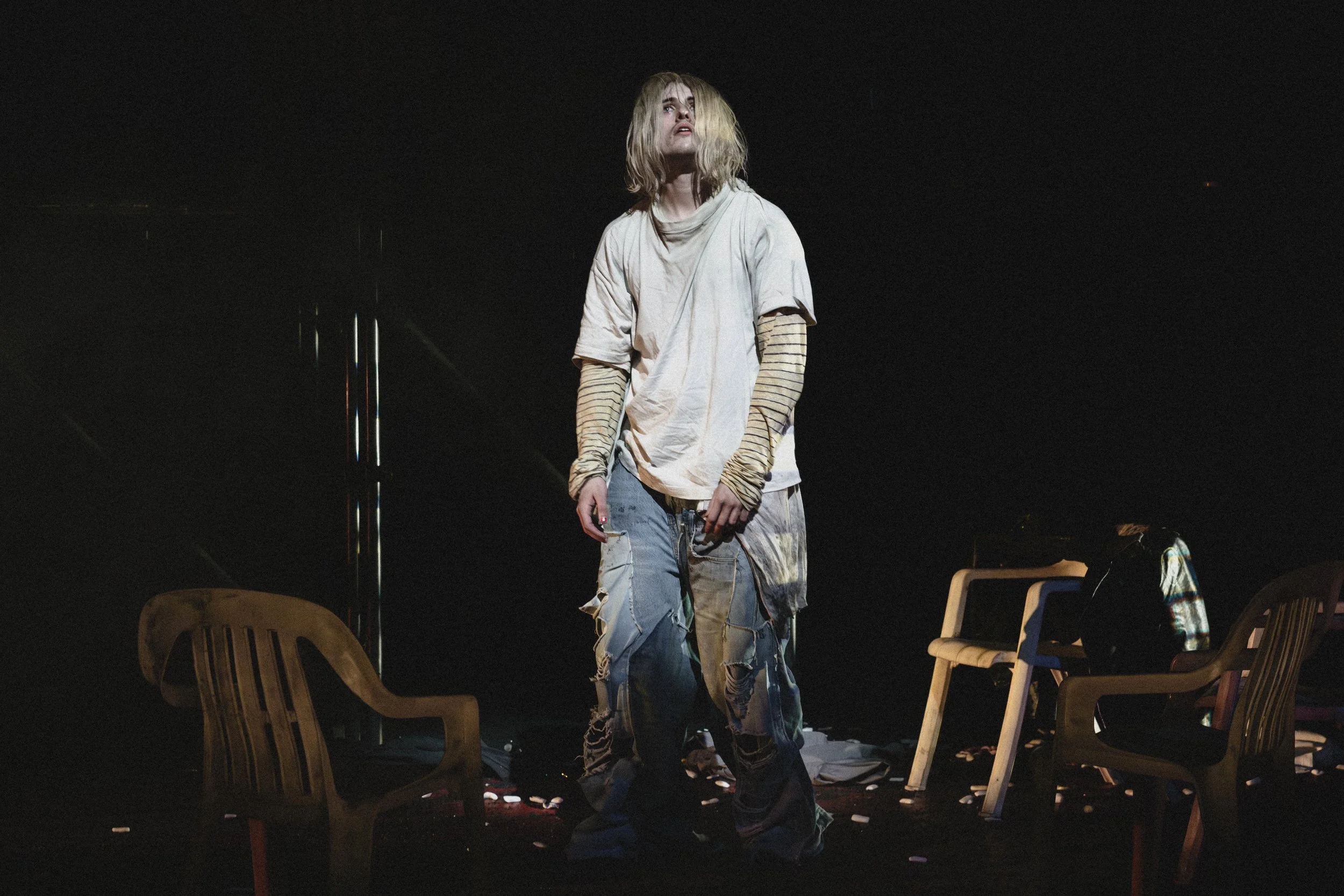
Jake Dunn as Blake in Last Days, The Royal Opera ©2025 Lola Mansell
20 March 2026
Going down the stairs to the Linbury Theatre, I was met with an audience different from what I would normally expect. Leather jackets, baggy jeans, silver chains, and beanies abound; an aesthetic that would later mirror the Balenciaga-clad singers on stage. There was an anticipatory hum in the crowd as members paid close attention to the neon colours and bird noises playing behind a monolithic woodland cabin onstage. As the stage lights dimmed, the bird noises came to the forefront, playing for the first five minutes of the opera and setting the tone for something fundamentally different.
The following hour and a half contained an eclectic mix of arias with electric guitars, effervescent colouring, mormons, demons, ringing telephones, clanging bottles, and complete darkness. These elements reordered what was allowed to matter onstage. Sound effects carried as much emotional weight as melody, and silence was treated with the same seriousness as aria. By the end, I had tears streaming down my face. My friend and I left in silence, needing a few moments to process the insanity we had just seen. This was the surprisingly refreshing experience I had while attending Last Days, the Kurt Cobain inspired opera playing at the Royal Opera House, one that immediately raised questions about who opera is for, and its future possibilities.
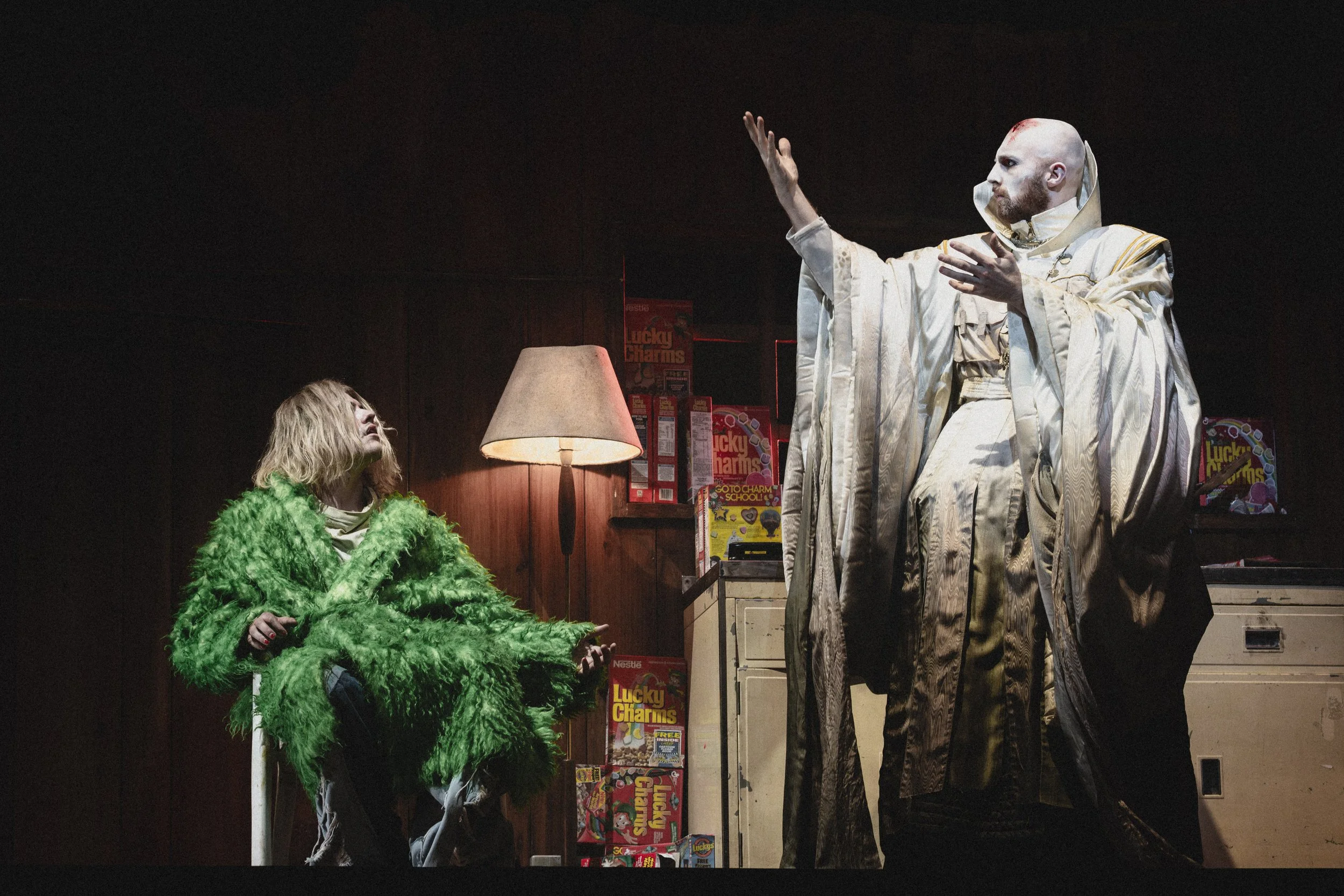
Jake Dunn as Blake and Henry Jenkinson as Magician in Last Days, The Royal Opera ©2025 Lola Mansell
Later, while doing a deep dive into the opera, I watched an interview with the director and visual artist Matt Copson. He was asked how it felt directing an opera with no prior experience in the field, and whether there was any hesitation or concern involved. His response was essentially no, because he knew he could do something more interesting with an outdated art form. As an opera researcher, I found his answer mildly irritating, but could accept where he was coming from.
The gratingly annoying thing is that he made an opera that was—at least to me—significantly more interesting than much of the repertory being produced today; basically, he was right. This raises the slightly uncomfortable but necessary question: how do we allow opera to develop as an art form while still honouring its tradition? Where is the line between preservation and stagnation? Copson made an interesting point in the interview: the most compelling aspect of opera is its combination of multiple art forms, but he wanted to dismantle the hierarchical structures between them. Traditionally, music reigns supreme, with design, movement, and even text often treated as subordinate. In Last Days, the music was equal to the libretto, which was equal to the acting, which was equal to the set design. No single element demanded dominance; meaning emerged, rather, from their coexistence.
This substantial shift removes many preconceived notions of opera, making it feel less like a museum piece and more like a play that happens to be sung. In doing so, it opens the form to audiences—and artists—who might otherwise feel excluded by its conventions. I can sit around theorizing the technical reasons this opera felt revolutionary, but the answer may be simpler. When diverse voices from different areas of the arts are invited to engage seriously with opera, they bring new perspectives on what it can be. Perhaps this is not a threat to tradition, but the very thing that allows it to flourish in a modern world.
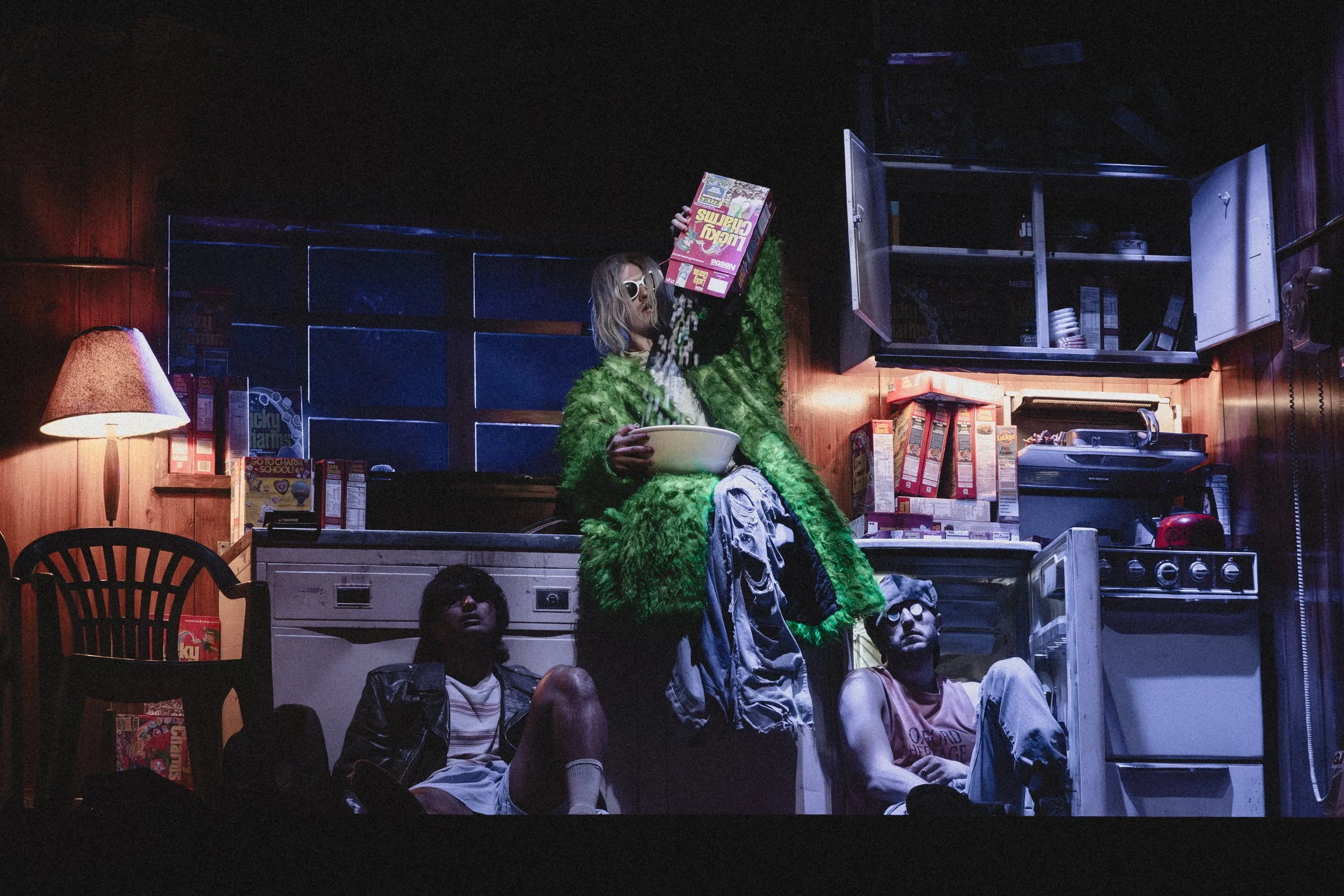
Zahid Siddiqui as Housemate, Jake Dunn as Blake and Edmund Danon as Housemate in Last Days, The Royal Opera ©2025 Lola Mansell