THE MAGAZINE
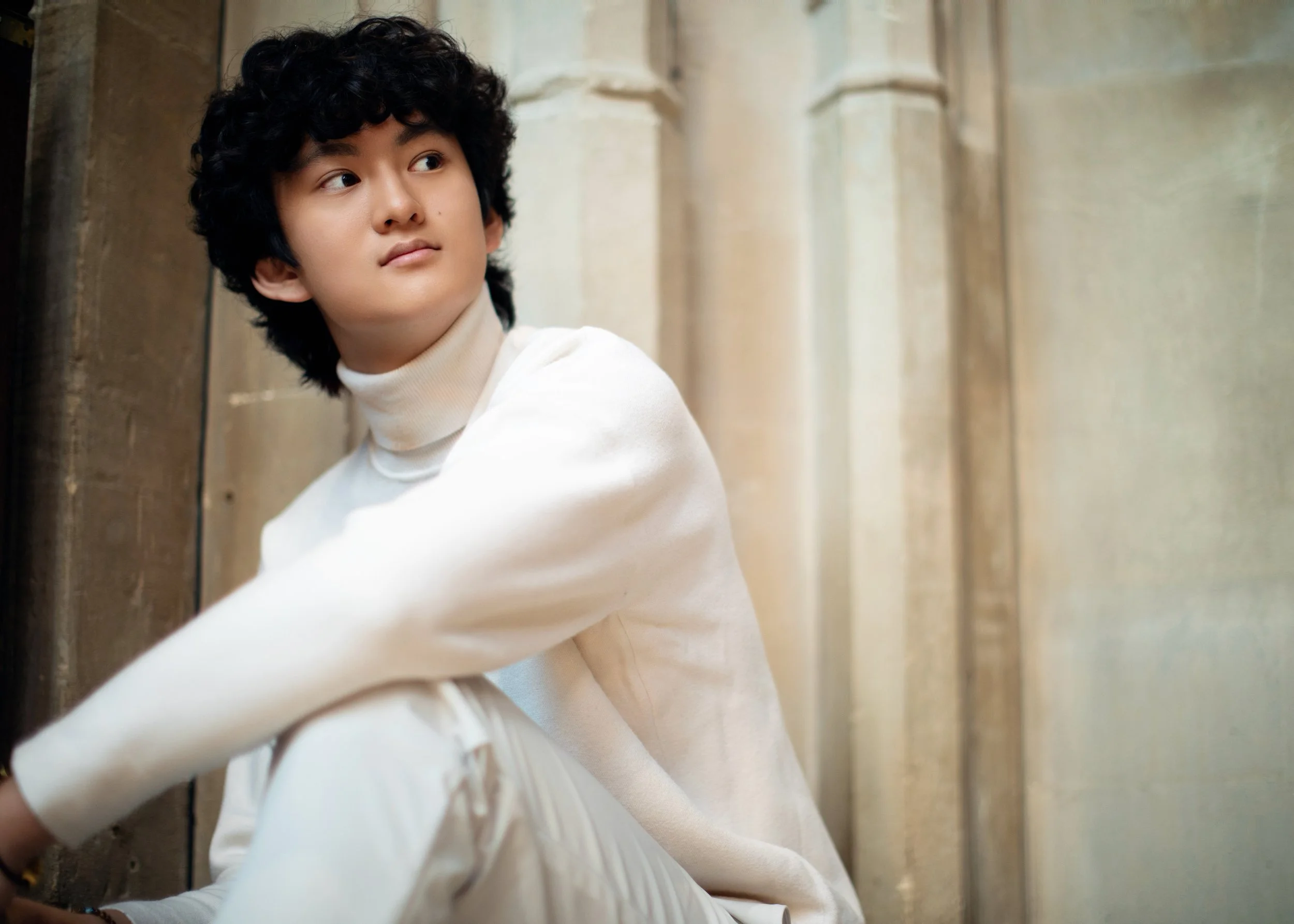
Ryan Wang, Pianist and Harvard-New England Conservatory Freshman: “You cannot have a proper musical education without knowing about the world around you.”
Canadian pianist Ryan Wang just started the Harvard-New England Conservatory Dual-Degree program. TWoA talked to Ryan about attending Eton, the importance of every musician experiencing life in many different ways, his unorthodox method for combating performance anxiety, sunsets and much more. Get ready for a smile on your face.
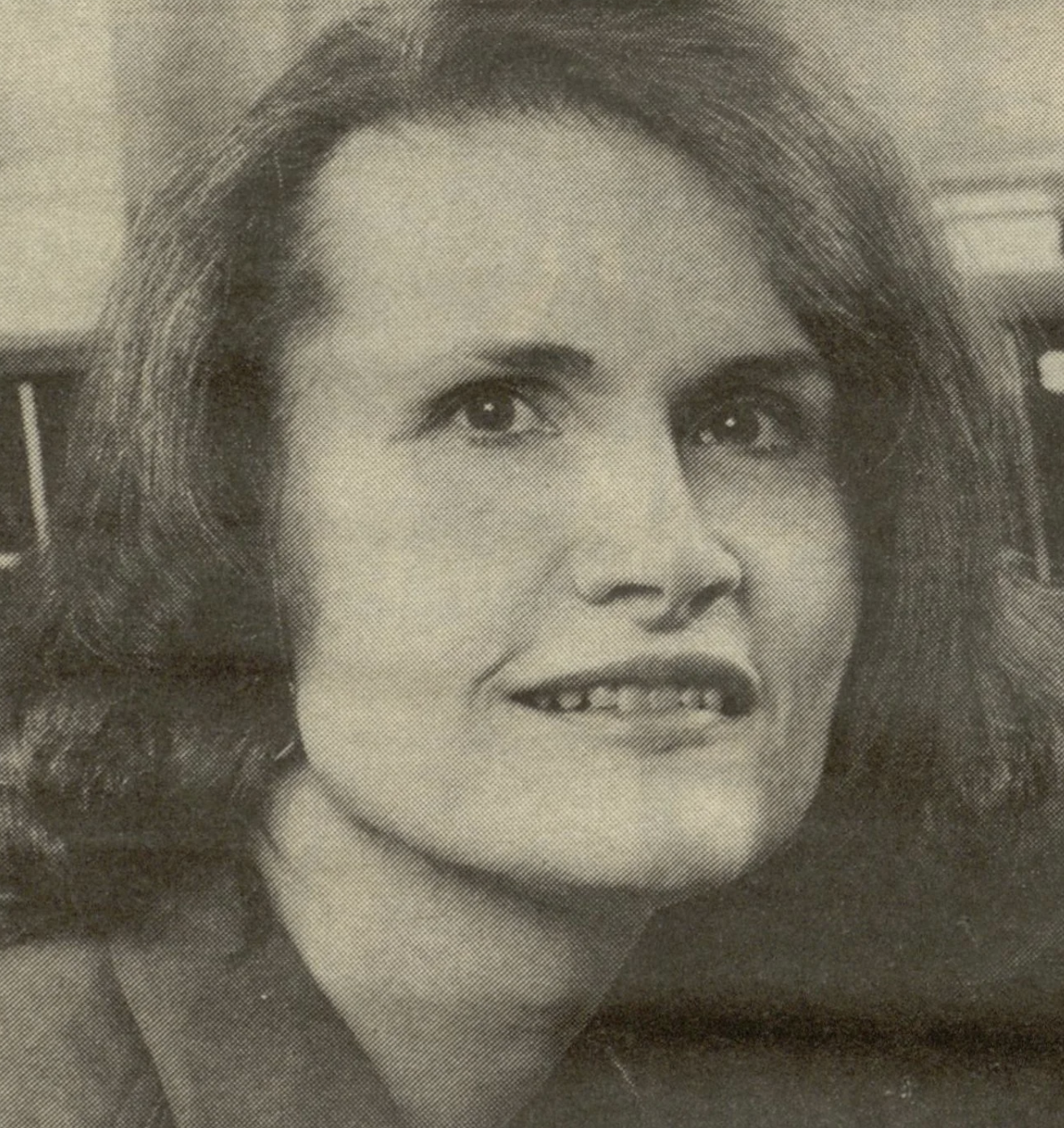
Wendy Carlos - Twentieth-Century Music’s Electronic Pioneer
What happens when Bach meets a synthesiser? For Wendy Carlos, the result was Switched-On Bach, an unlikely bestseller that helped bring electronic music into the mainstream. From her pioneering work with the Moog synthesiser to her experiments with alternative tuning systems, Carlos transformed not only how music could sound, but how it could be made. Read on for more.
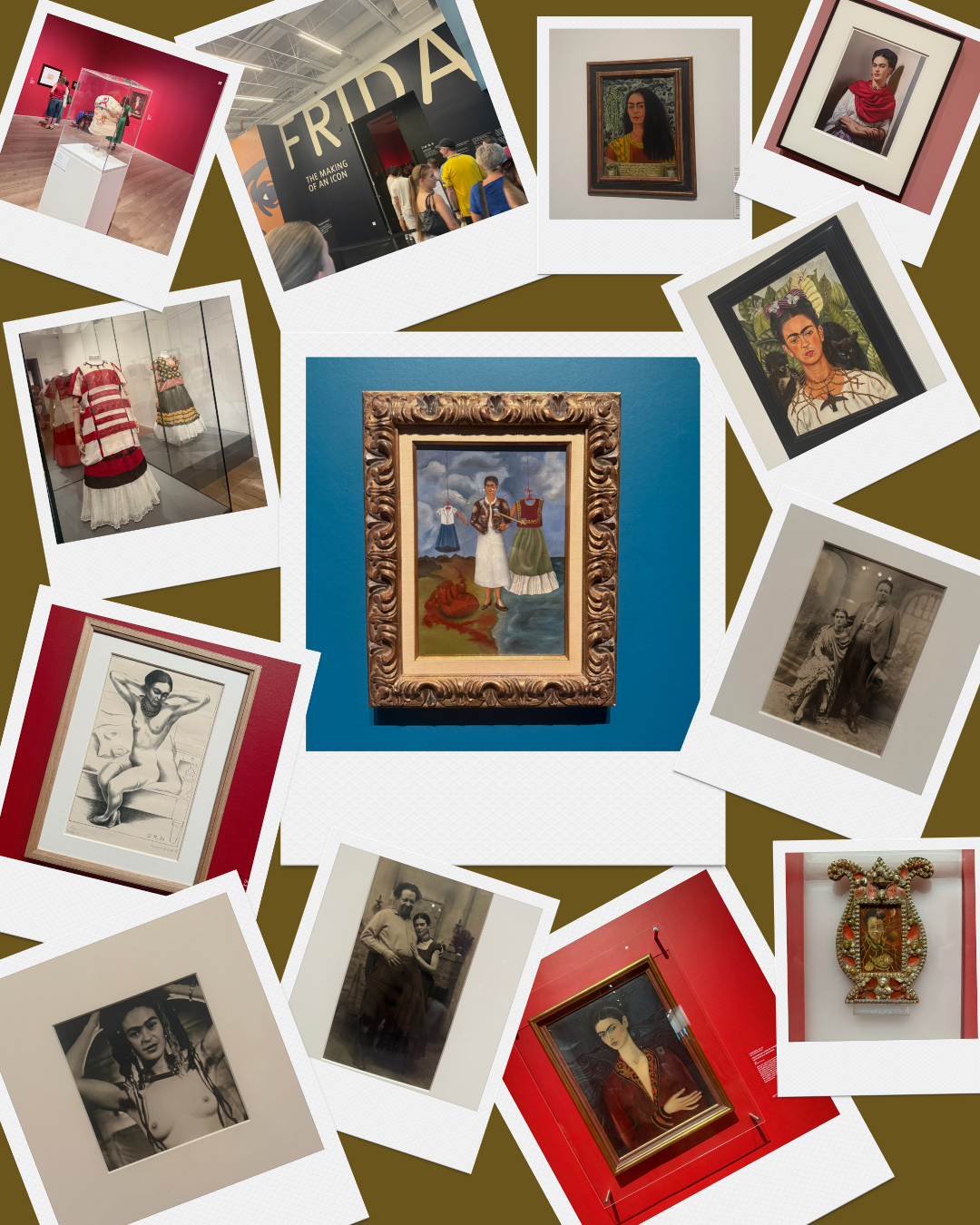
From London with Love: On the Disappointments of Fridamania
Frida Kahlo has become one of the most recognisable faces in art, but has her celebrity begun to eclipse her work? At Tate Modern, an exhibition tracing the artist’s transformation into a global icon raises an uncomfortable question: how much Frida is too much Frida?

Ballerina in Flames: The Tragic End of Emma Livry
In 1862, twenty-year-old ballerina Emma Livry caught fire during a rehearsal at the Paris Opera, suffering burns that would claim her life eight months later. Behind the tragedy lay the dangerous realities of Romantic ballet, where the pursuit of ethereal beauty came at a considerable human cost, and the careers of female dancers and choreographers remained at the mercy of men.
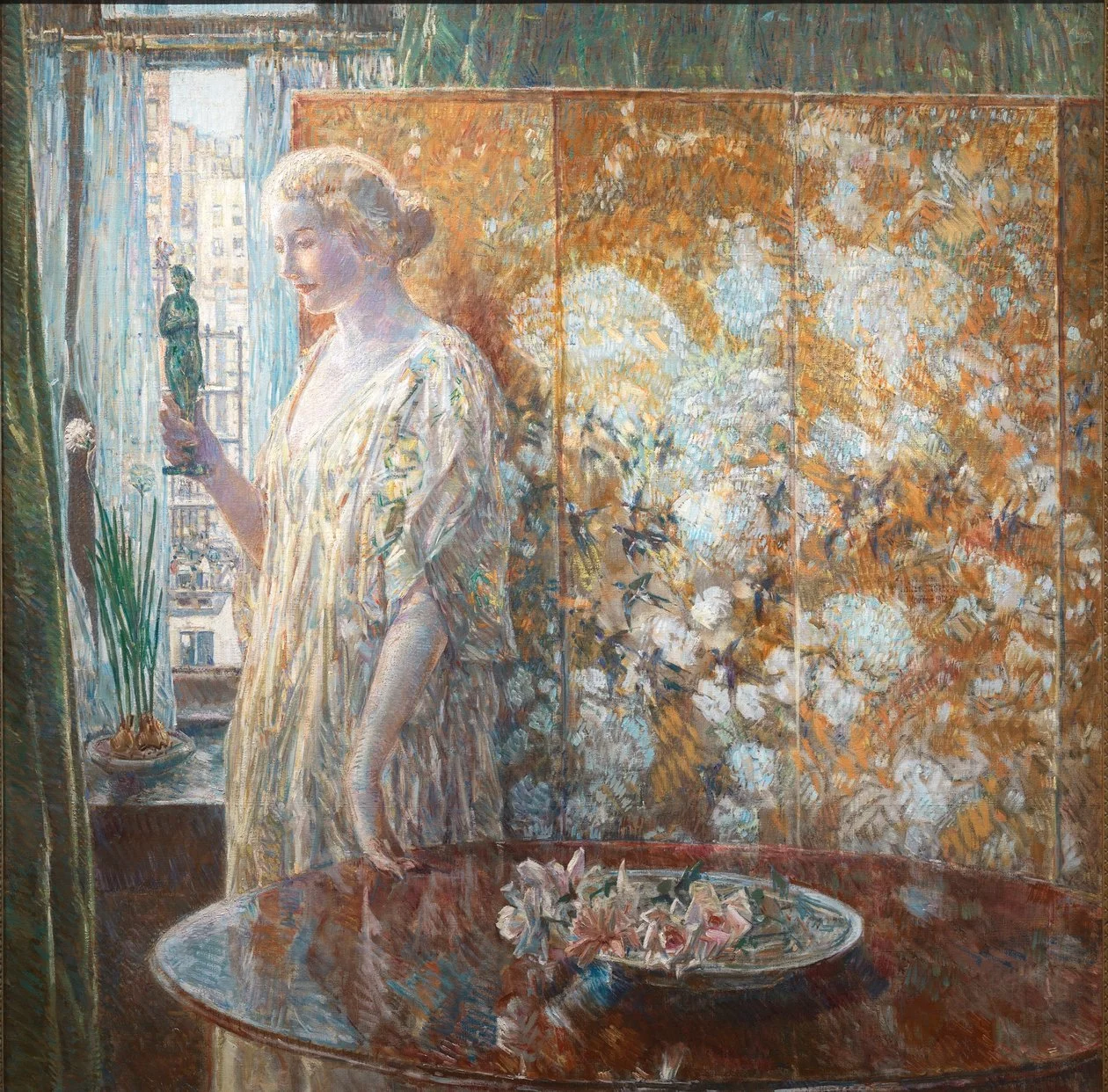
Art for the Invisible: On Childe Hassam’s Women
Who sees you when you start to disappear? For women blending into the home, and the tasks that came with it, it was Childe Hassam: the American Impressionist who painted them not as they were expected to appear, whether in reality or in men’s imaginations, but as they experienced themselves. Read on to discover how Hassam made women visible by painting their invisibility.
Rave Culture in China
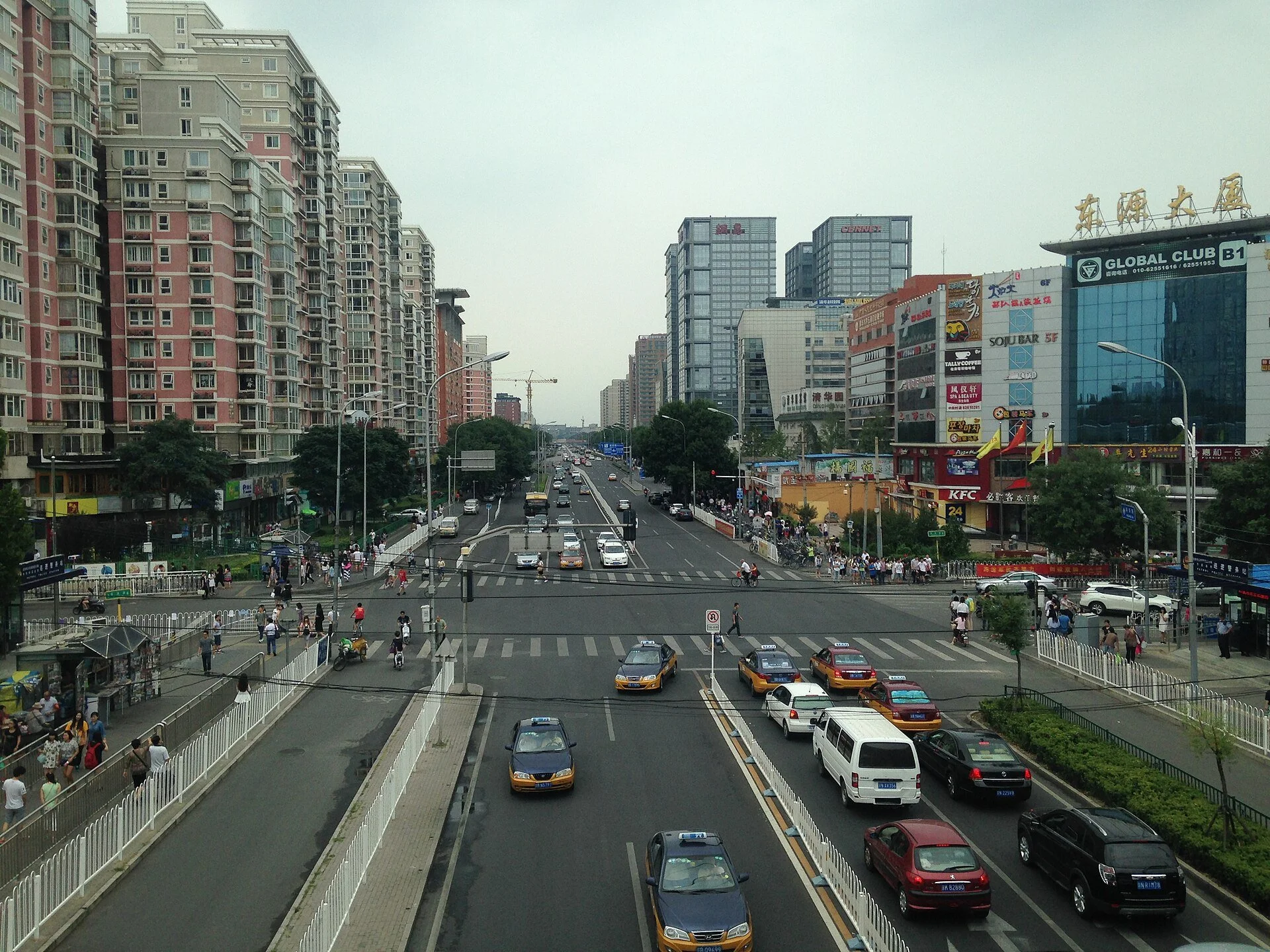
What happens when dancing becomes a threat to the state? China’s rave scene arrived in the 1990s with smuggled CDs, ecstasy and a promise of freedom from authority, only to be driven underground almost as quickly as it appeared. Read on to discover why the problem with raves may never have been the drugs at all.
From Berlin with Love: A Reminder to Hold Each Other Close
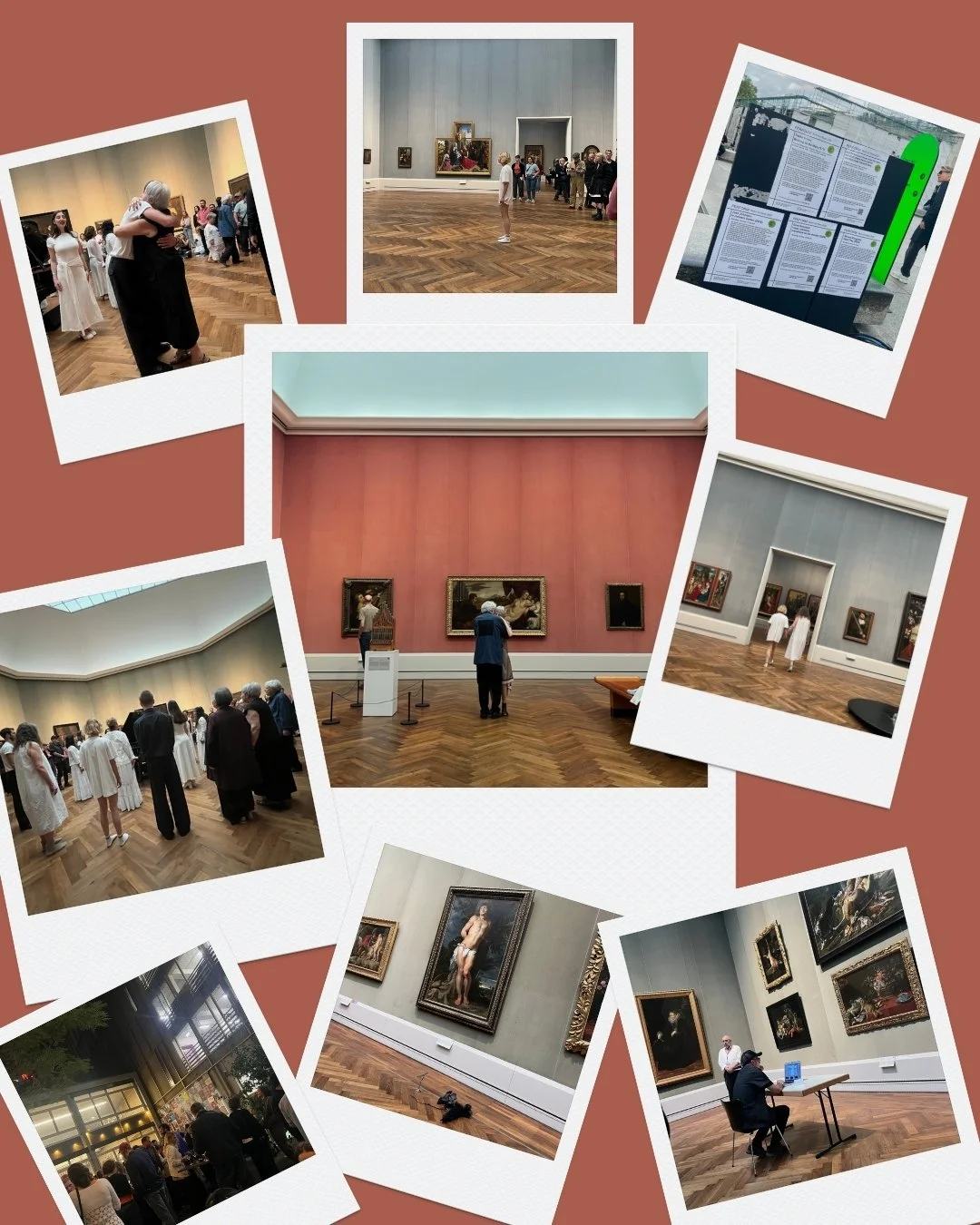
Berlin has no shortage of art, even without an Art Week. But at the Gemäldegalerie, among Cranachs and shirtless men in running gear, Alternde Meister made a case for looking at something we usually prefer not to: getting old. Read on for more.
From New York with Love: “Noguchi’s New York”
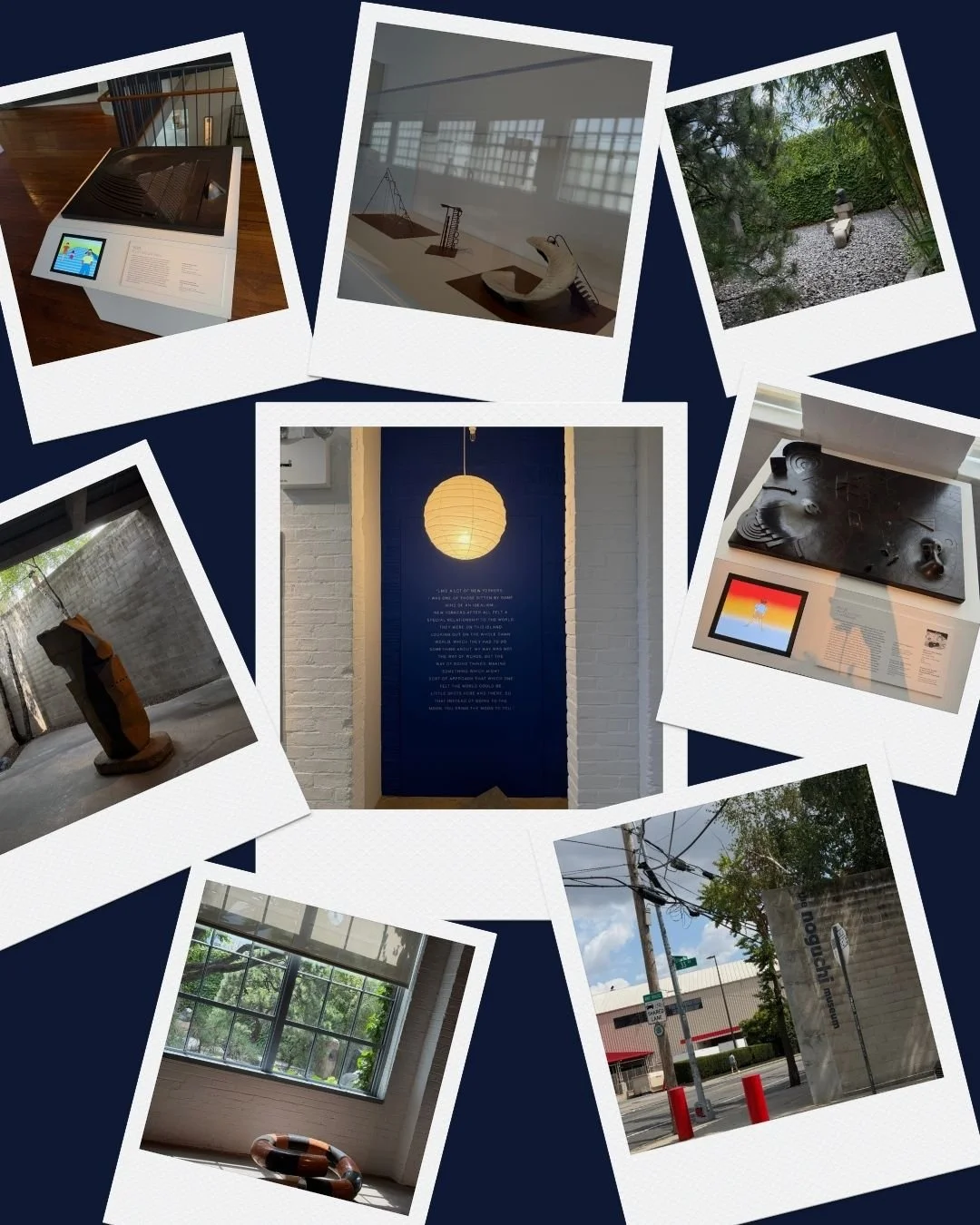
Isamu Noguchi had plenty of ideas for New York. New York, unfortunately, didn’t always want them. At the Noguchi Museum in Queens, his unrealised playgrounds reveal an artist determined to make the city a little less serious — and a lot more playful. Read on for more.

From Lisbon with Love: The Museum of Contemporary Art
Lisbon wasn’t quite what we expected. Its Museum of Contemporary Art was even less so. Somewhere between Bourgeois, Bacon, and a lobster telephone, my mother and I found ourselves in one of the best museums I’d visited in a long time. Read on to find out why.

Eat With Your Eyes: Japanese Food Replica Culture
Japan has been making food you can’t eat for more than a century. Shokuhin sampuru began as practical visual menus, helping diners see what they were ordering; today, these hyper-realistic replicas have become an art form of their own.
Dispatches From a 21st-Century Conservatoire
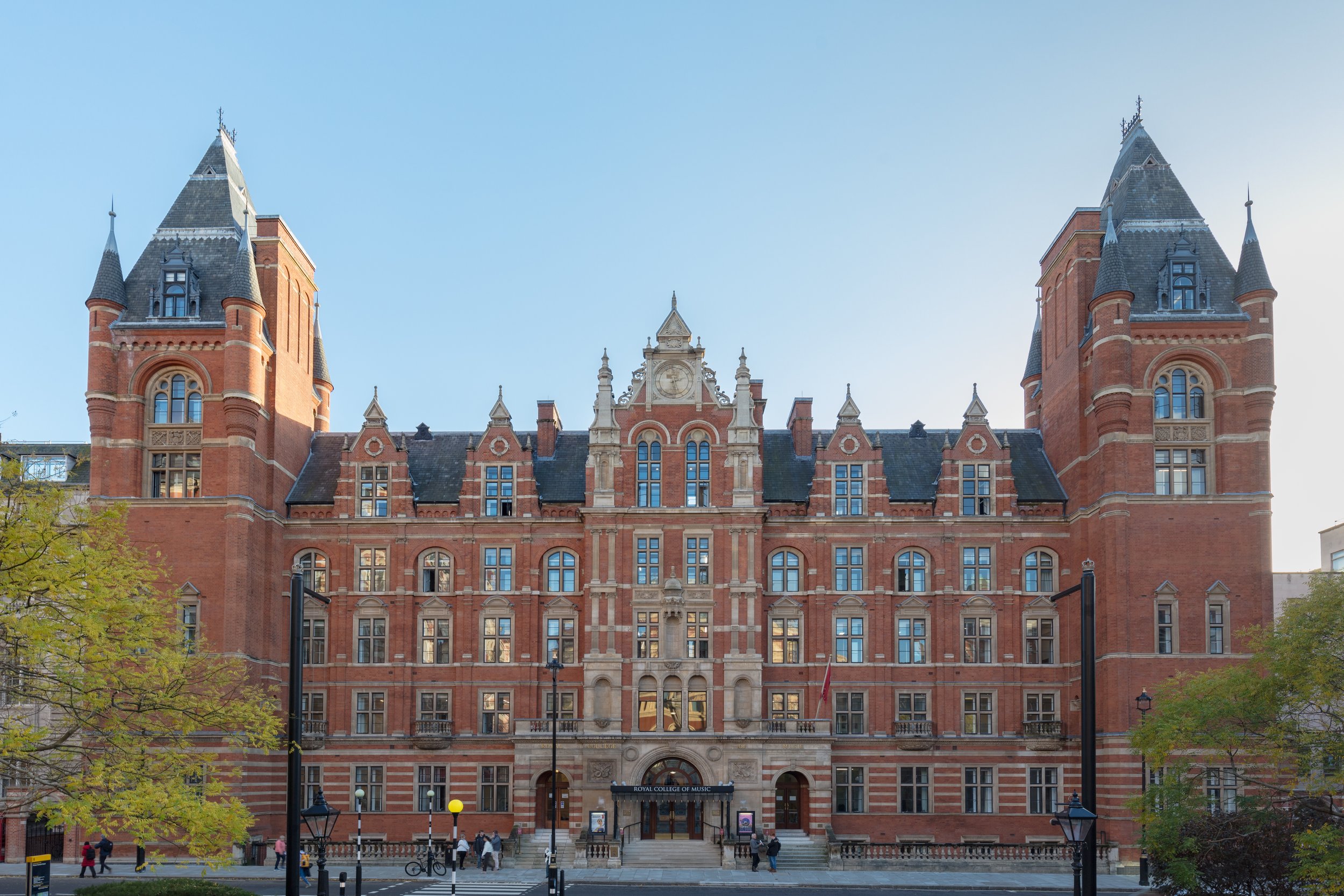
The conservatoire was built for a rather different music industry: one without Instagram, portfolio careers or much talk of work-life balance. Three Royal College of Music musicians consider what the institution gets right — and what still needs to catch up.
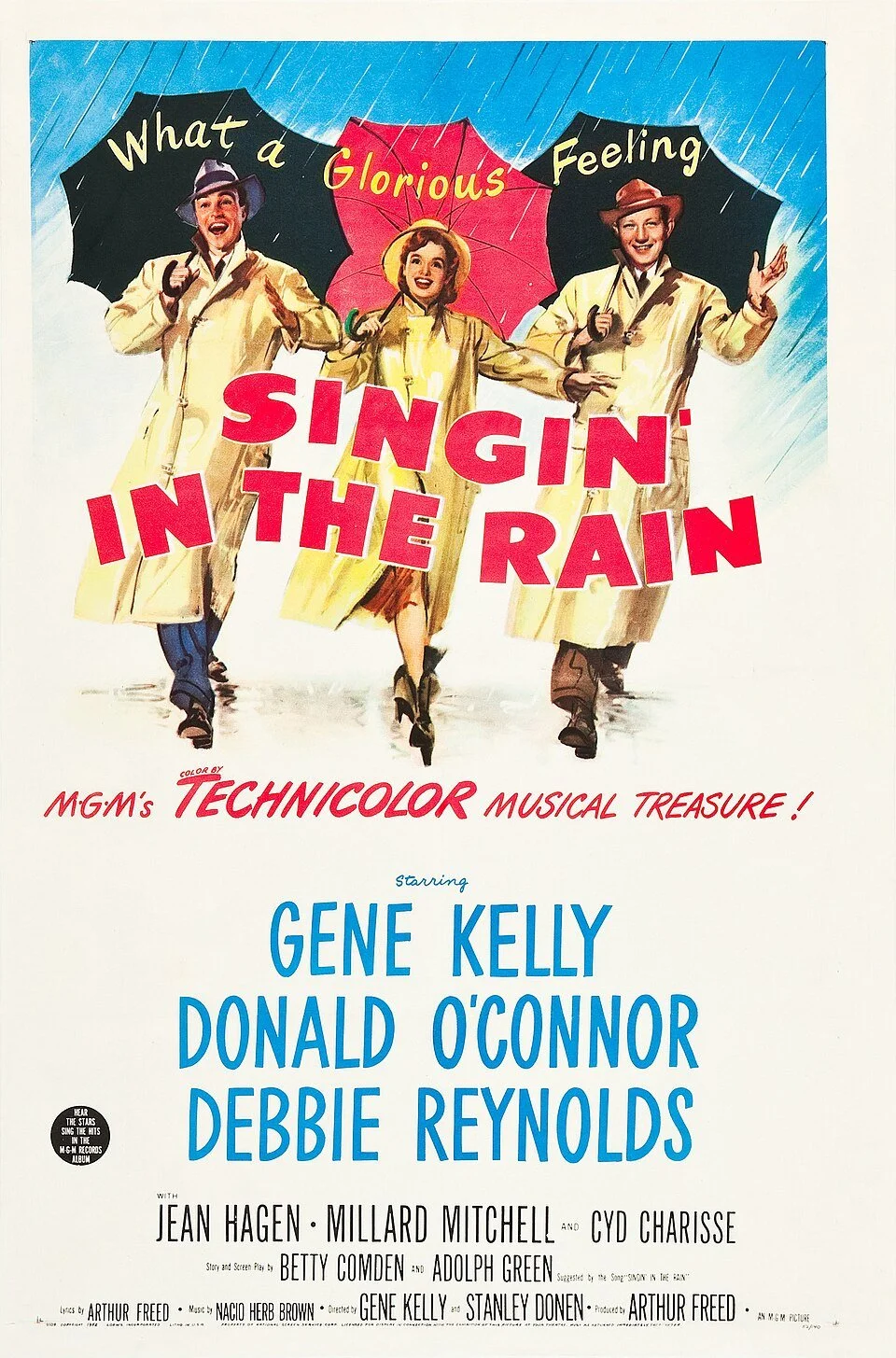
Channeling Gene Kelly's Wisdom: Passion and Perfectionism
Gene Kelly didn’t believe in settling for ‘good enough’. Seventy-five years after Singin’ in the Rain, his widow Patricia Ward Kelly thinks his notorious perfectionism might have something to teach a generation more accustomed to being told not to try too hard.
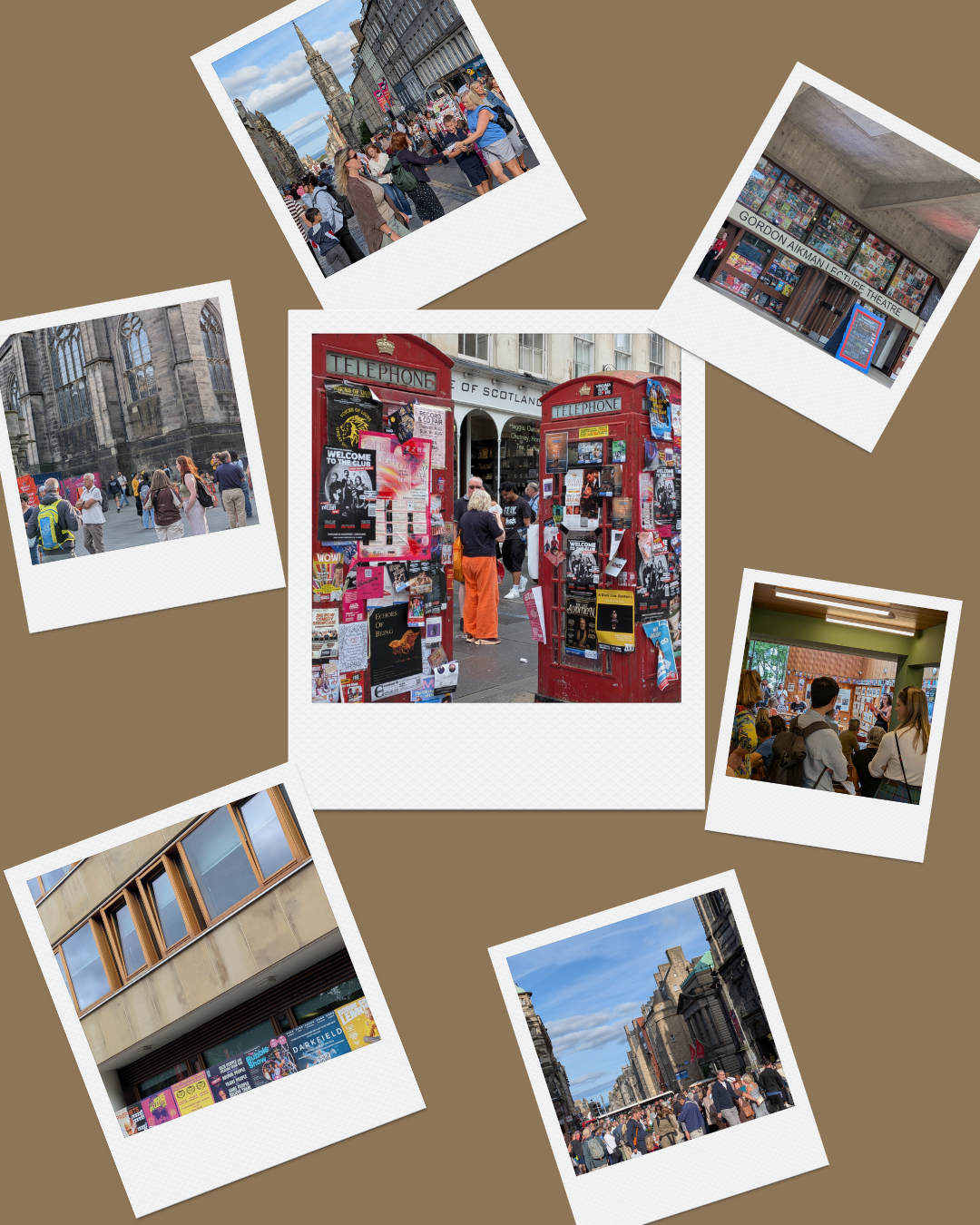
From Edinburgh with Love: Humanity’s Vitality at the Edinburgh Fringe Festival
Thirteen shows, a miniature cannon, some questionable comedy, and a city overflowing with performers. A weekend at the Edinburgh Fringe reveals the chaotic, unpredictable joy of live culture. Read on to experience it for yourself.
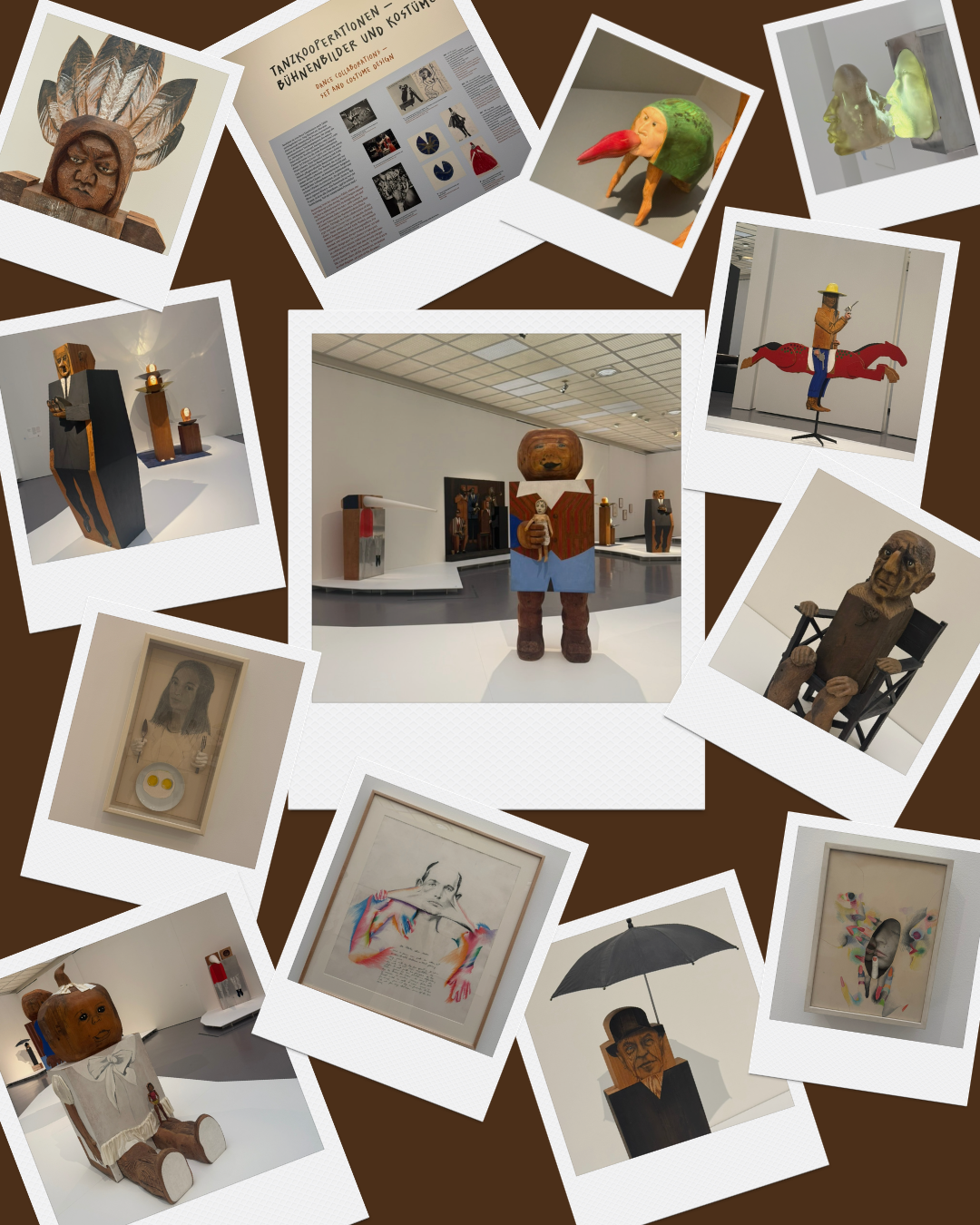
From Zurich with Love: On Marisol, Masks, and Being Your Authentic Self
At Kunsthaus Zürich, Marisol emerges as far more than a Pop artist. Bringing together sculpture, costume design, and theatre, her latest exhibition reveals an artist preoccupied with the uneasy relationship between identity, performance, and the masks we wear for others. Read on for some thoughts on her work - and the masks we wear.
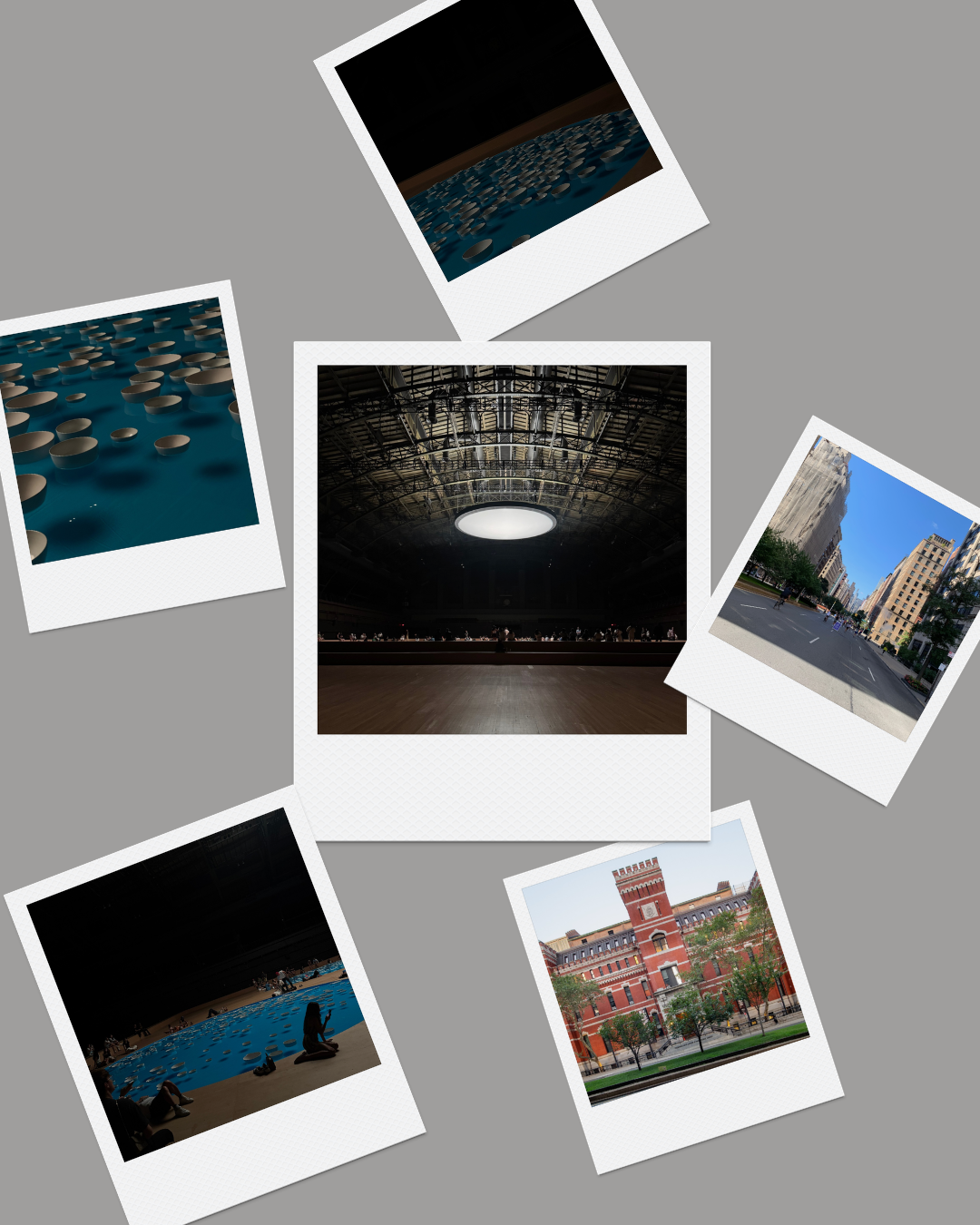
From New York with Love: Unseen Currents at the Park Avenue Armory
At New York's Park Avenue Armory, Céleste Boursier-Mougenot's clinamen transforms drifting ceramic bowls into an ever-changing composition of sound and movement. This meditation on one of the summer's most captivating installations considers chance, free will, and the unseen forces that shape both art and everyday life. Read on for more.

The Royal Ballet School at 100 Years - The Past, The Summer Performance and the Future
As The Royal Ballet School celebrates its centenary, its annual Summer Performance honours a century of artistic excellence while looking firmly to the future. From the enduring legacy of Dame Ninette de Valois to an ambitious new training model designed for the next generation of dancers, the School enters its second century with confidence and vision. Read on for more.
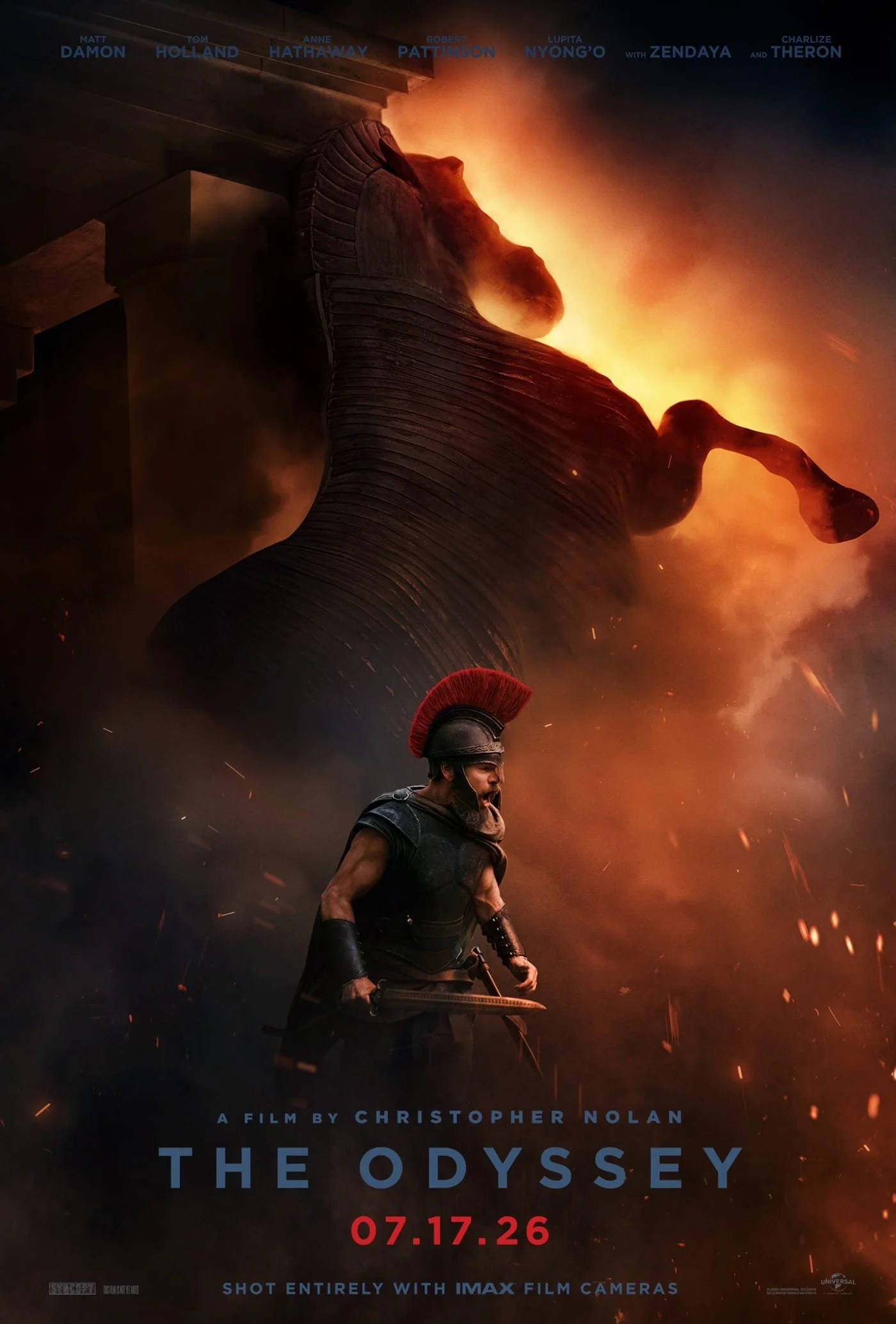
A London Odyssey
As Christopher Nolan's The Odyssey dominates headlines, there's no need to wait for the film to immerse yourself in Homer's legendary tale. From ancient Greek masterpieces at the British Museum to Turner's dramatic vision at the National Gallery and captivating modern retellings, here are the best places to experience The Odyssey across London.
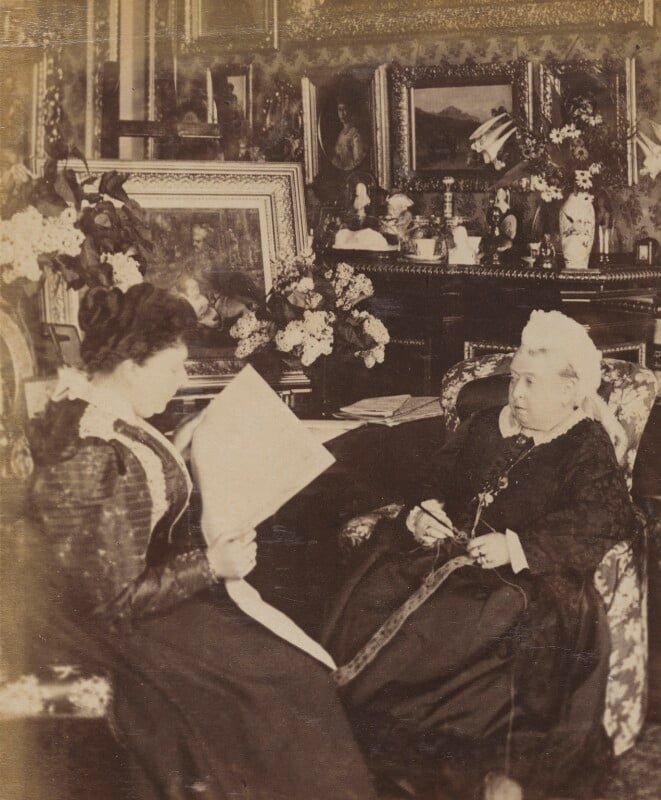
Paper Dolls, Etching Plates, and Theatre Costume: The Artistic Pursuits of Queen Victoria
Queen Victoria's artistic legacy extends far beyond her role as one of Britain's greatest cultural patrons. From designing paper dolls and painting theatrical costumes to etching alongside Prince Albert and supporting Britain's craft industries, her creative pursuits reveal a monarch whose imagination was as remarkable as her reign. Read on for more.
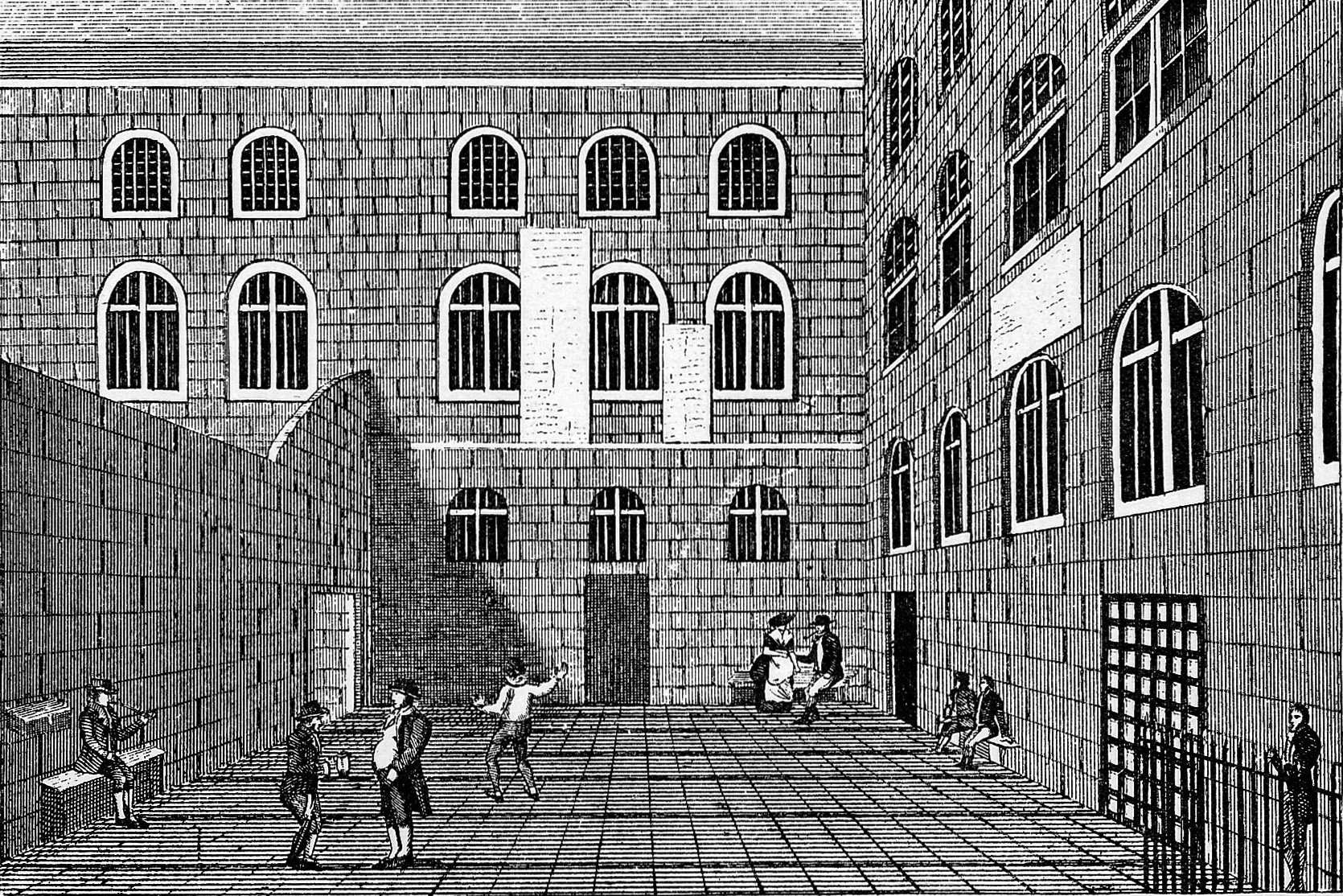
Connecting Voices Behind Bars: How “Sing Inside” Cultivates Choral Community in Prisons
As prison populations continue to rise across England and Wales, the charity Sing Inside is creating moments of connection through music. By bringing residents, prison staff and volunteers together in inclusive choral workshops, the organisation demonstrates how singing can foster creativity, community and a renewed sense of belonging behind bars. Read on for more.
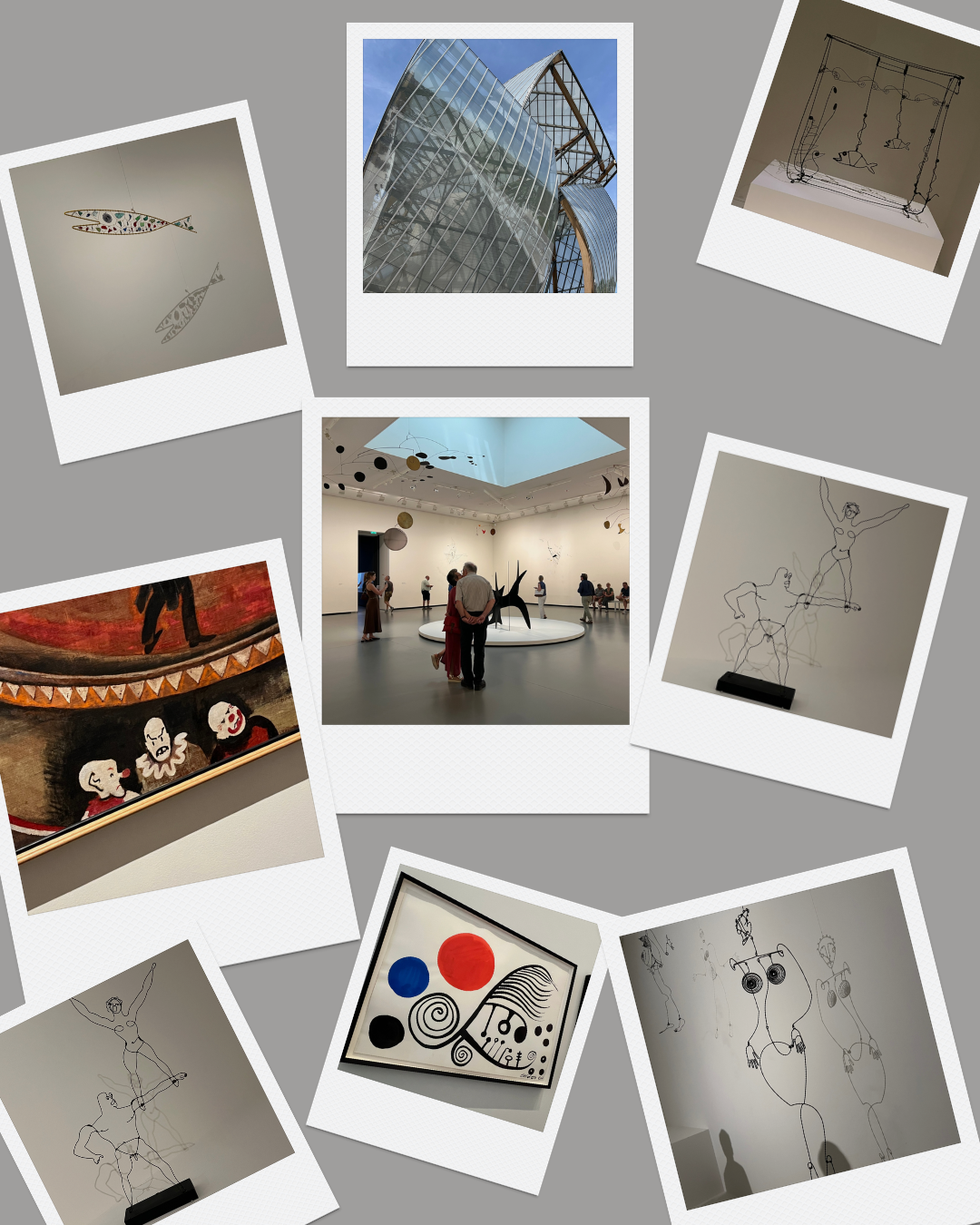
From Paris, with Love: Alexander Calder takes over the Fondation Louis Vuitton
A sweltering Paris heatwave gives way to one of the year's most ambitious exhibitions, as the Fondation Louis Vuitton celebrates Alexander Calder's extraordinary career through sculpture, painting, performance, and play. Read on for more.