Dance
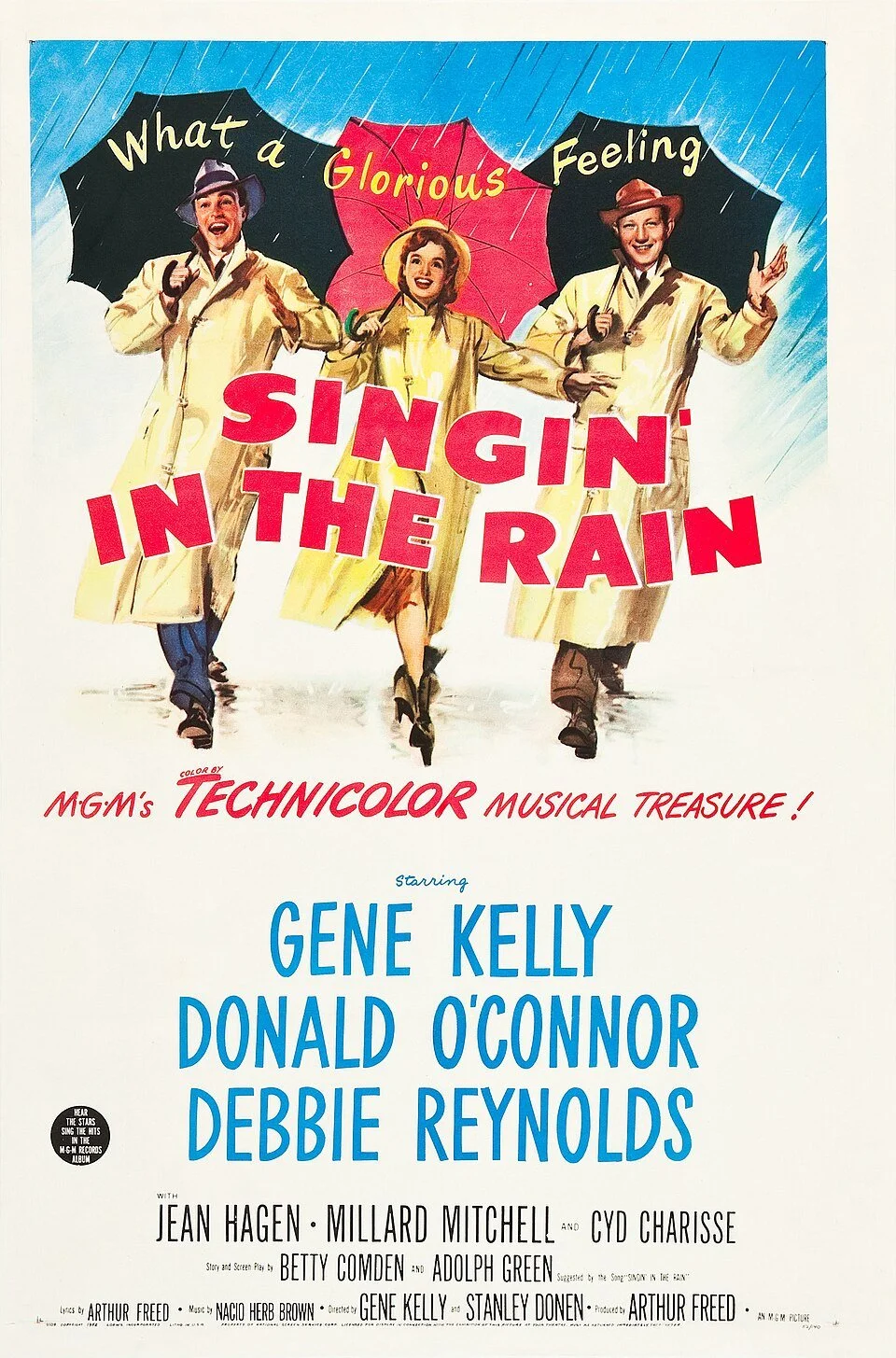
Gene Kelly didn’t believe in settling for ‘good enough’. Seventy-five years after Singin’ in the Rain, his widow Patricia Ward Kelly thinks his notorious perfectionism might have something to teach a generation more accustomed to being told not to try too hard.

As The Royal Ballet School celebrates its centenary, its annual Summer Performance honours a century of artistic excellence while looking firmly to the future. From the enduring legacy of Dame Ninette de Valois to an ambitious new training model designed for the next generation of dancers, the School enters its second century with confidence and vision. Read on for more.
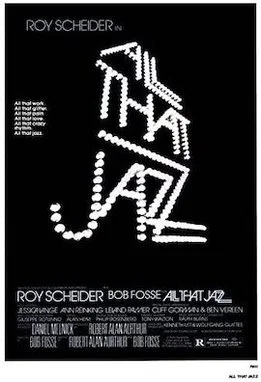
What happens when a choreographer turns his own death into a musical? In All That Jazz, Bob Fosse made the movie musical darker, stranger, and more honest, transforming show business, self-destruction, and the fear of being forgotten into a spectacle. Read on for a portrait of an artist who danced on the edge.
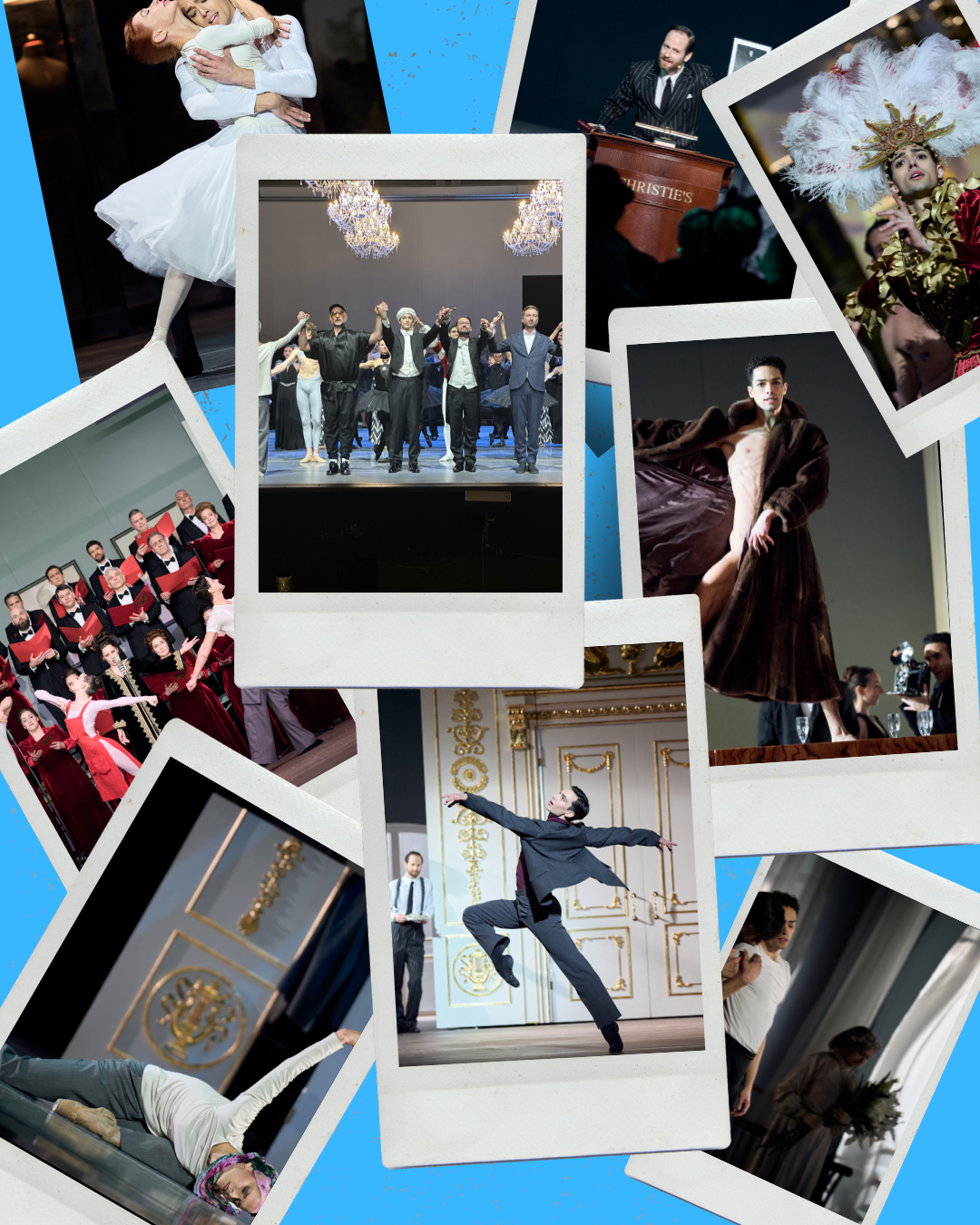
The Staatsballett Berlin premiere of Nureyev could not have been more timely. From the repressive force of Putin’s regime to LGBTQ rights, exile, and the price of artistic freedom, this striking “biography ballet” traces the life of Rudolf Nureyev through memory, objects, and movement, revealing how politics continues to shape the legacy of one of ballet’s most uncompromising figures.

At Somerset House, Infinite Bodies reveals how Wayne McGregor choreographs the space between dancer and machine. Through motion capture, robotics, and immersive sound, the exhibition asks what happens when the human body begins to think alongside technology.
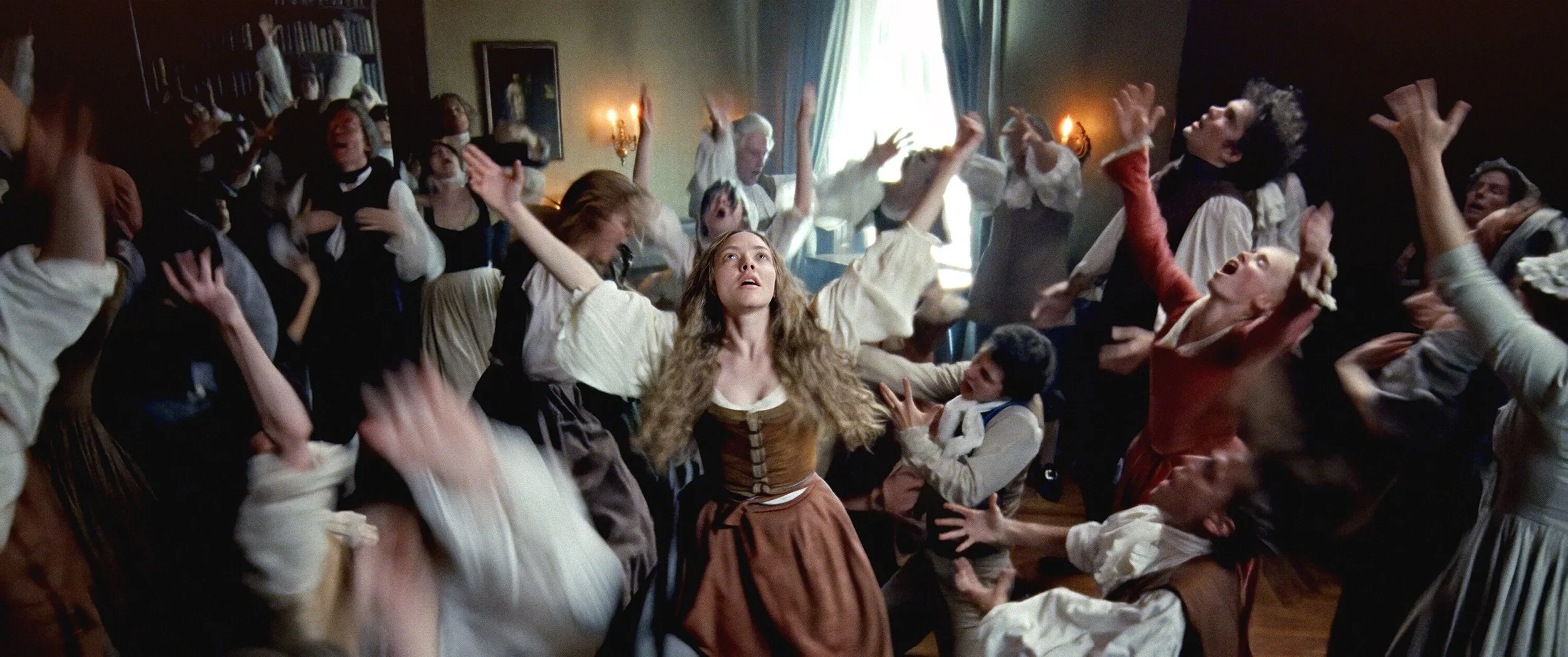
In The Testament of Ann Lee, director Mona Fastvold tells the story of the Shaker founder through movement and music. Blending biography with experimental dance film, her work explores how Shaker worship transformed choreography into a form of spiritual devotion. Read on to learn the full story.

From Prix de Lausanne finalist to student at the Paris Opera Ballet School, Chloe Helimets reflects on French technique, the legendary défilé at the Palais Garnier, and what it takes to refine speed, precision, and elegance at sixteen. Check out her exclusive interview with TWoA now.
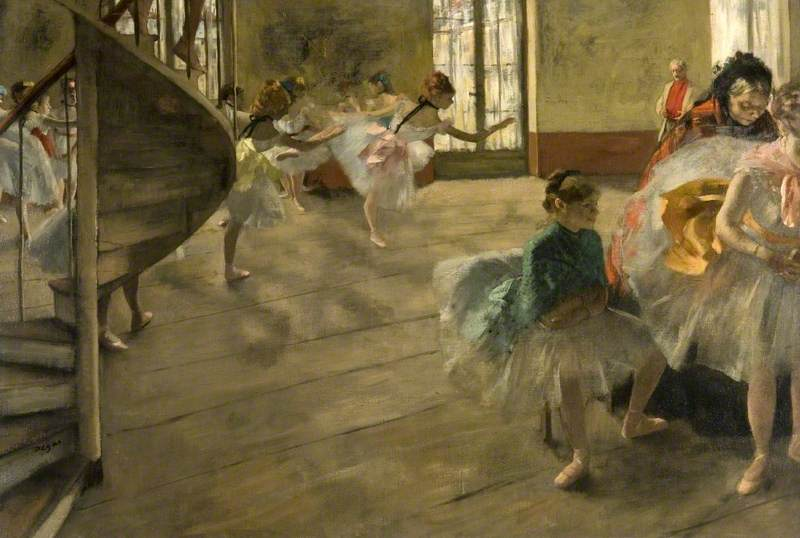
Were Degas’ dancers monstrous, animalistic social climbers–or misunderstood performers? TWoA reframes ballet in Degas’ oeuvre as a demanding art of movement, labour, and correction. It gives both him and his dancers the credit they are due. Read on for more.
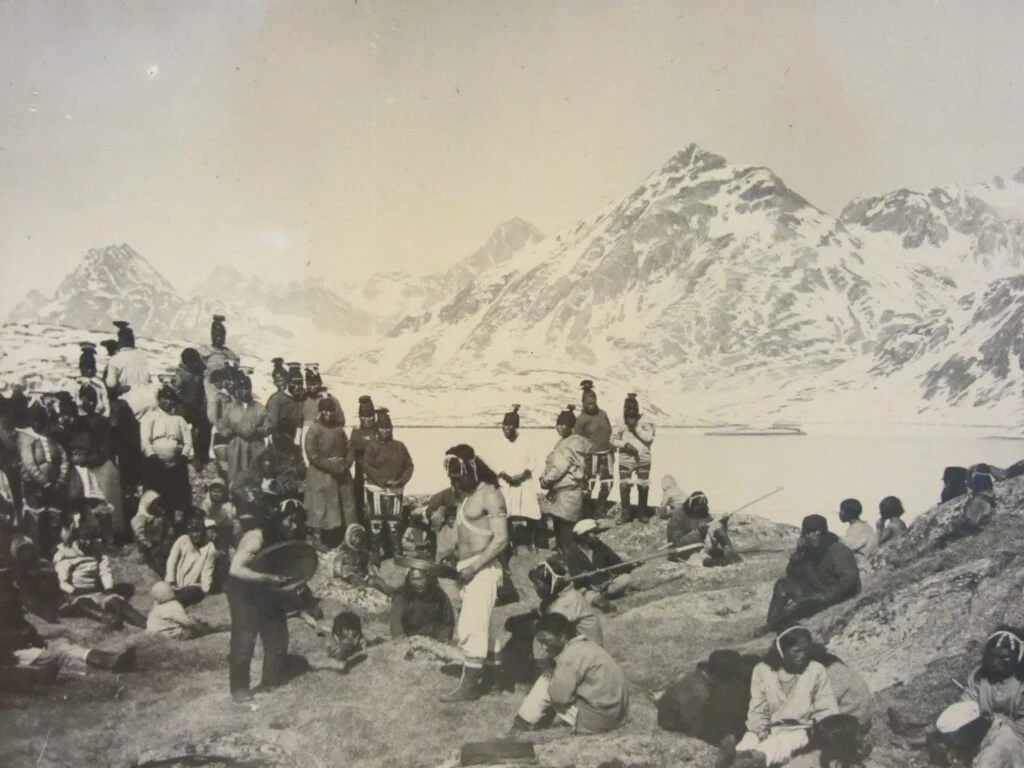
As geopolitical tensions once again draw global attention to Greenland, its cultural history offers a revealing counterpoint. For over four millennia, Greenlandic Inuit communities have used drum song and dance not only for ritual and social life, but also as a structured, non-violent way to resolve disputes. In a drum duel, restraint—not aggression—determined the outcome, leaving judgment to the community rather than to force.
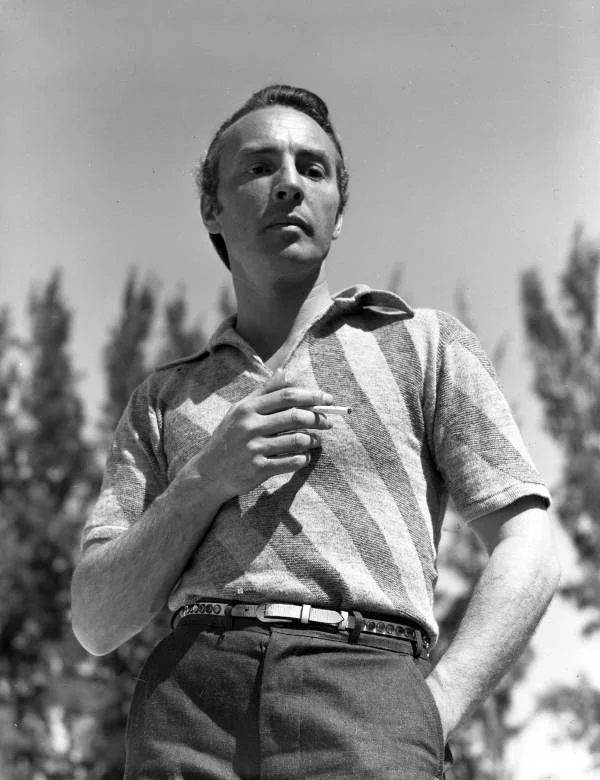
Often credited with shaping ballet in America, George Balanchine transformed classical tradition through musicality, abstraction, and athleticism. From his early training in Imperial Russia to his collaborations with the Ballets Russes and the founding of New York City Ballet, his career spans continents and artistic movements. This article explores how Balanchine’s neoclassical vision redefined what ballet could be.

Across continents and centuries, dance becomes a shared language of hope as communities greet the winter solstice. TWoA traces the radiant lineage from Iranian Yalda nights and Nordic Lucia processions to Peru’s revived Incan Inti Raymi, revealing how movement carries light through the year’s darkest threshold.

The Nutcracker may feel like an eternal Christmas fixture, but its history is full of doubt, crisis, and unexpected brilliance. TWoA traces the ballet’s journey from Tchaikovsky’s reluctance and Ivanov’s quiet ingenuity to Balanchine’s dazzling New York revival, revealing the hidden stories behind the world’s most beloved holiday ballet.

Agrippina Vaganova, the woman behind the world-famous ballet method, almost faced arrest under Stalin’s regime. Read how she survived a political crackdown that targeted many artists of her time.

It was in the artistic milieu of Greenwich Village that Modern Dance icon Martha Graham met Isamu Noguchi (1904-1988), the Japanese-American sculptor who would become her longtime collaborator. Read on to find out more.

Television keeps trying to bottle the world of ballet, and most attempts slip through the frame. In this article, TWoA looks at Étoile and why a series filled with extraordinary dancers still couldn’t capture movement, risk, or the pulse that keeps artists glued to old rehearsal clips. Read on for a clear look at what televised dance needs—and why so few shows manage it.
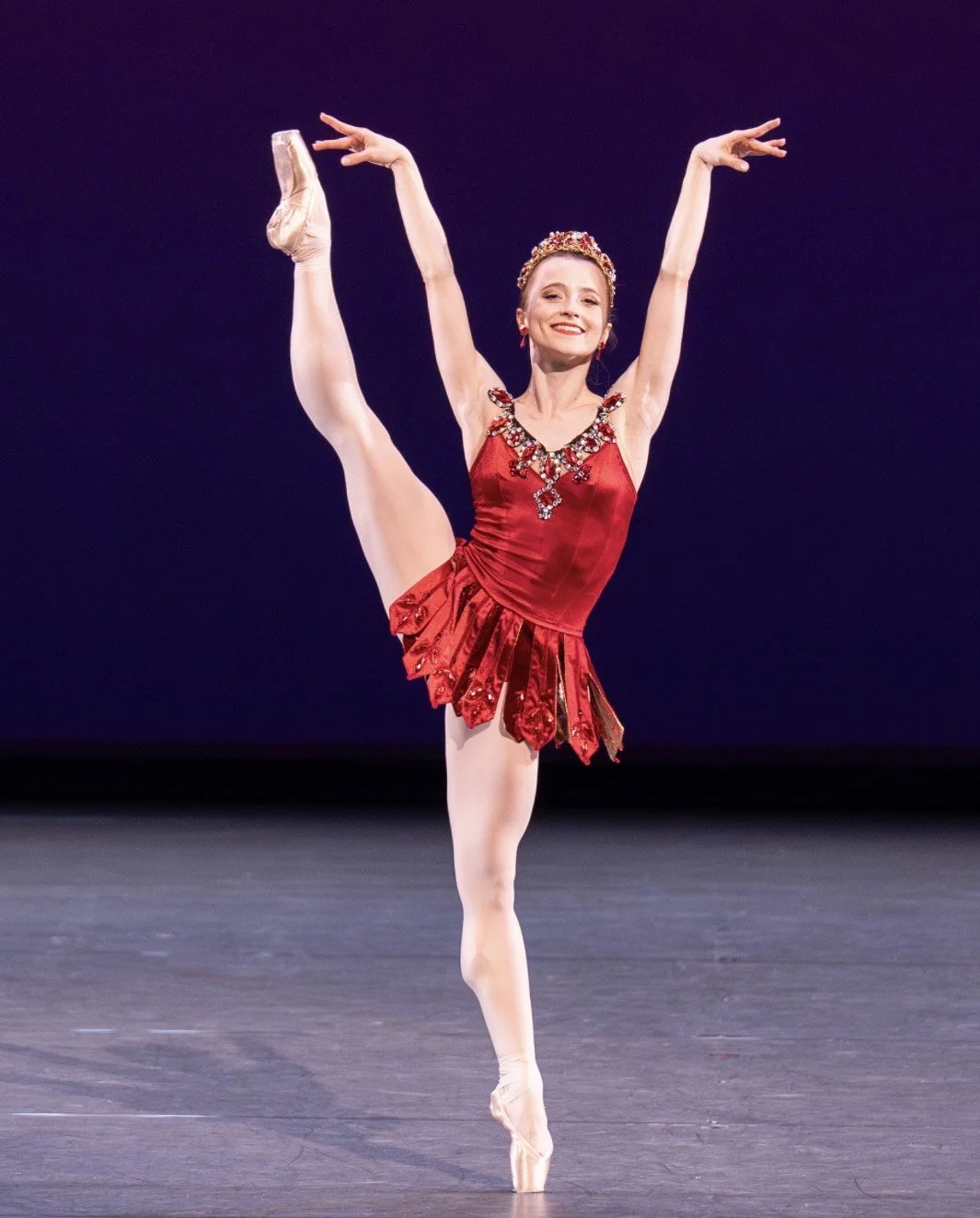
Balancing a dance career with an academic degree sounds impossible until you hear Anastasia Cheplyansky explain how she did both. In this article, TWoA looks at her path from Atlanta Ballet to Dutch National Ballet, and how studying psychology reshaped her approach to training, pressure, and performance.

As the school year begins, reading lists shift from summer novels to the books that shape a creative life. In this article, TWoA highlights three essential titles—Allegra Kent’s memoir, Twyla Tharp’s creative guide, and The Swans of Harlem—each revealing what it really takes to build a career in dance and the arts.
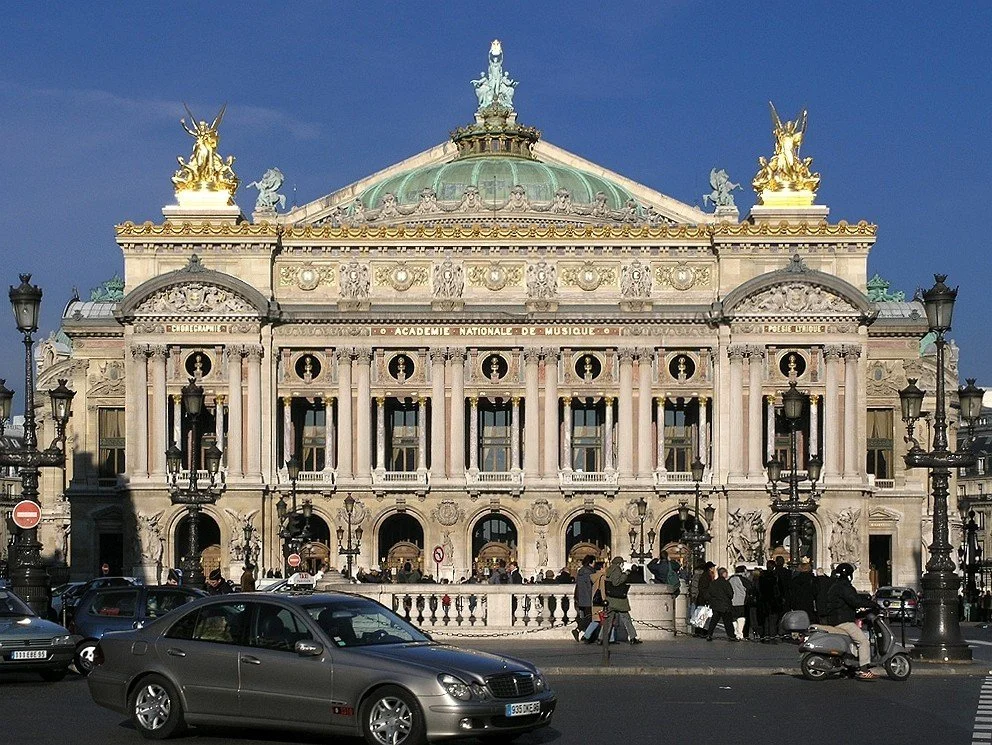
Rudolf Nureyev’s tenure at the Paris Opera Ballet didn’t just add new ballets to the repertoire—it transformed the company’s technique, taste, and identity. Read more to see how his directorship reshaped French classicism, expanded the repertory, and forged a generation of dancers who still define the company today.
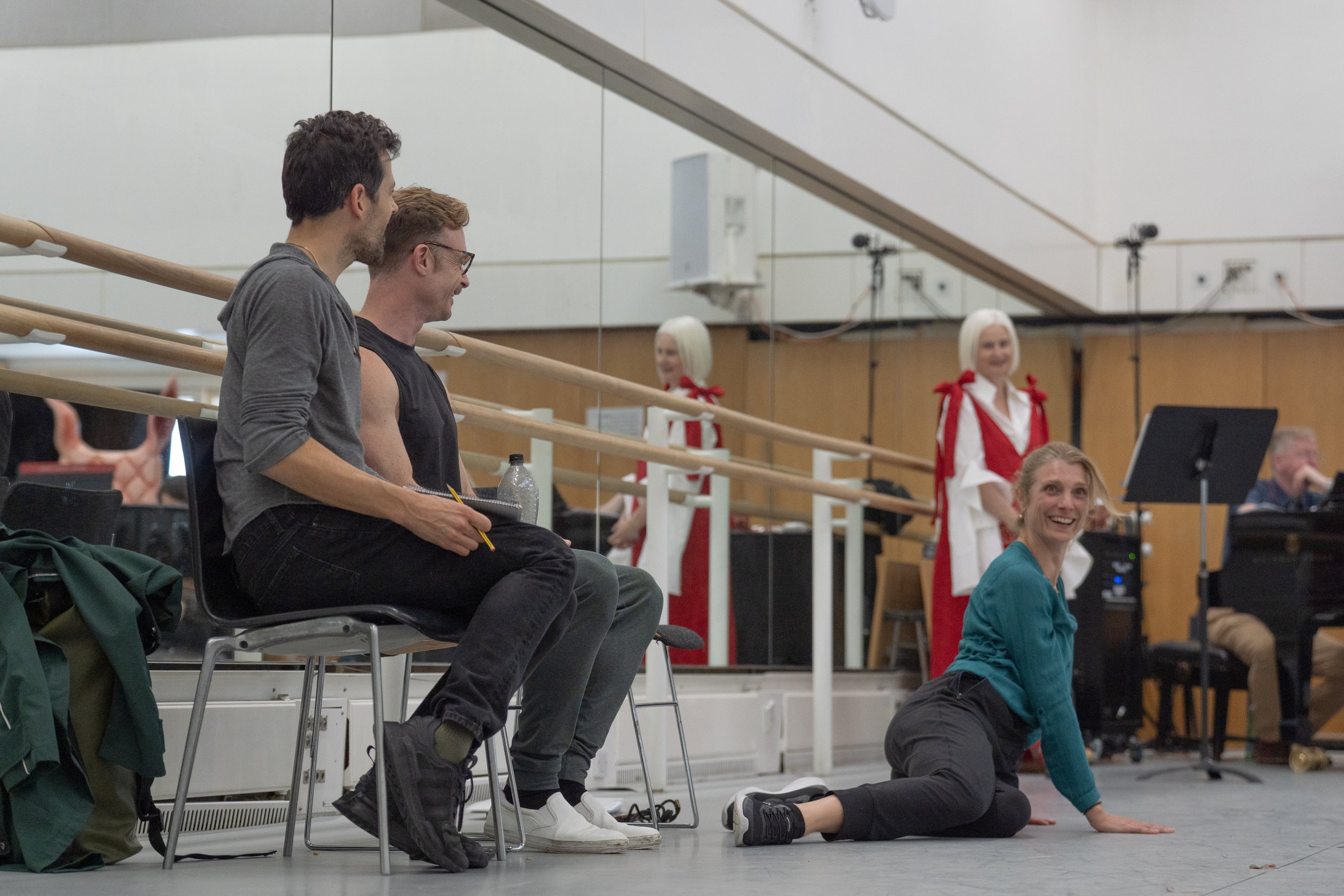
For many years, Zenaida Yanowsky was one of The Royal Ballet’s most singular principals—rigorous, magnetic, impossible to forget. Now a coach shaping dancers across major companies, she speaks with TWoA about precision, presence, and the quiet authority behind great performance. Read on.

If ballet has dialects, the Russian one was written by Marius Petipa. His choreography for Swan Lake, Don Quixote, La Bayadère, and The Sleeping Beauty set the template for classical ballet as we know it today. Read on.

August Bournonville’s choreography gave Denmark a ballet identity of its own: rounded arms, delicately musical footwork, and allegro that seems to float rather than land. Learn how this nineteenth-century master shaped a national style that remains unmistakable on stages today.
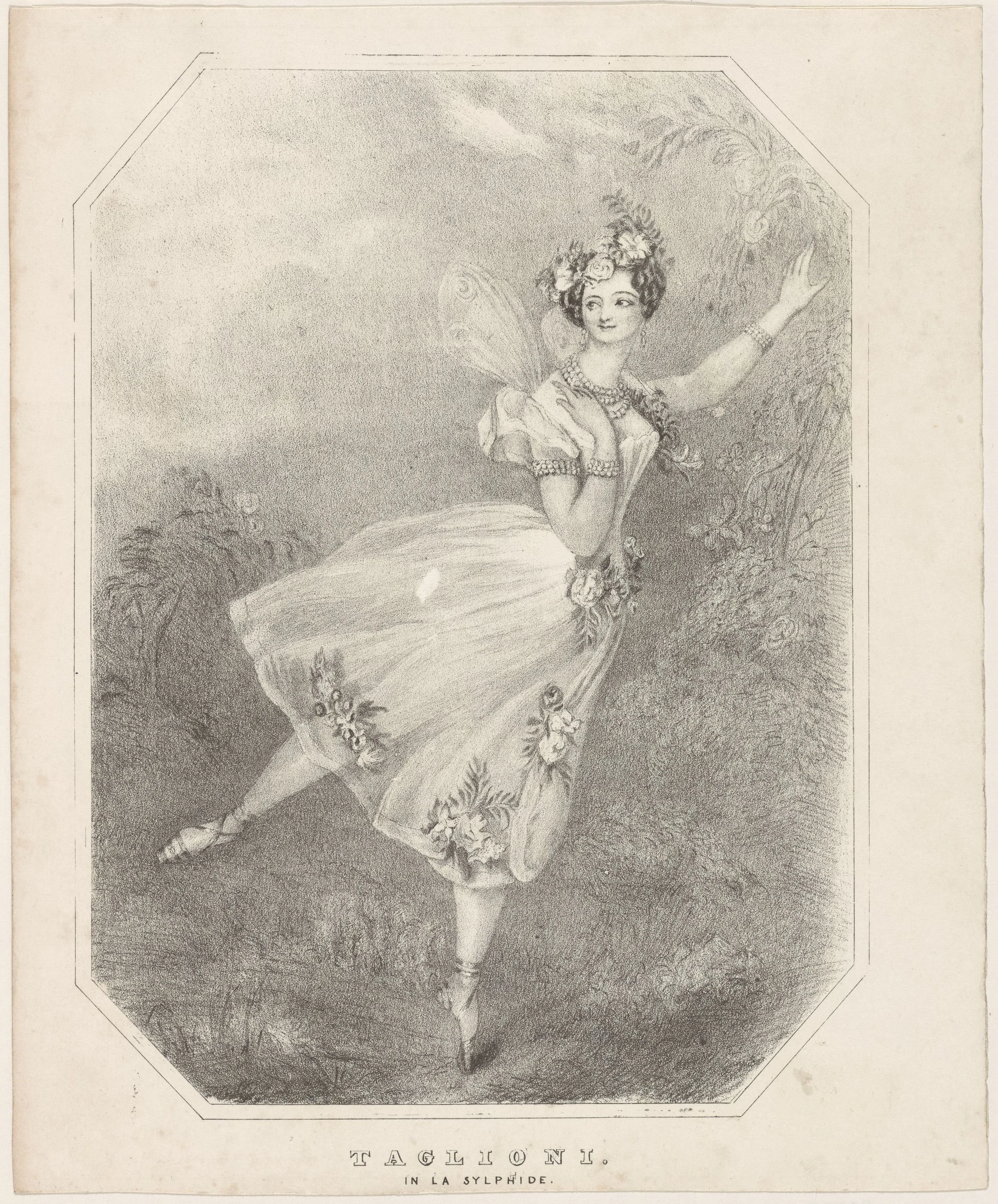
How did a delicate pink slipper become ballet’s most powerful symbol? From flying machines and broken-in satin to Maria Taglioni’s game-changing rise en pointe, TWoA traces the wild, glamorous, and sometimes dangerous evolution of the pointe shoe. Discover the hidden history behind ballet’s signature shoe—and why its design still shapes the way dancers defy gravity today.

She wasn’t just the Jazz Age’s brightest star—she was a spy, a trailblazer, and a force for civil rights. In this electrifying TWoA profile, step behind the curtain with Josephine Baker, the dancer who rewrote the rules of fame, weaponized performance against racism, and risked everything in the French Resistance. A gripping story of art, power, and unapologetic brilliance.
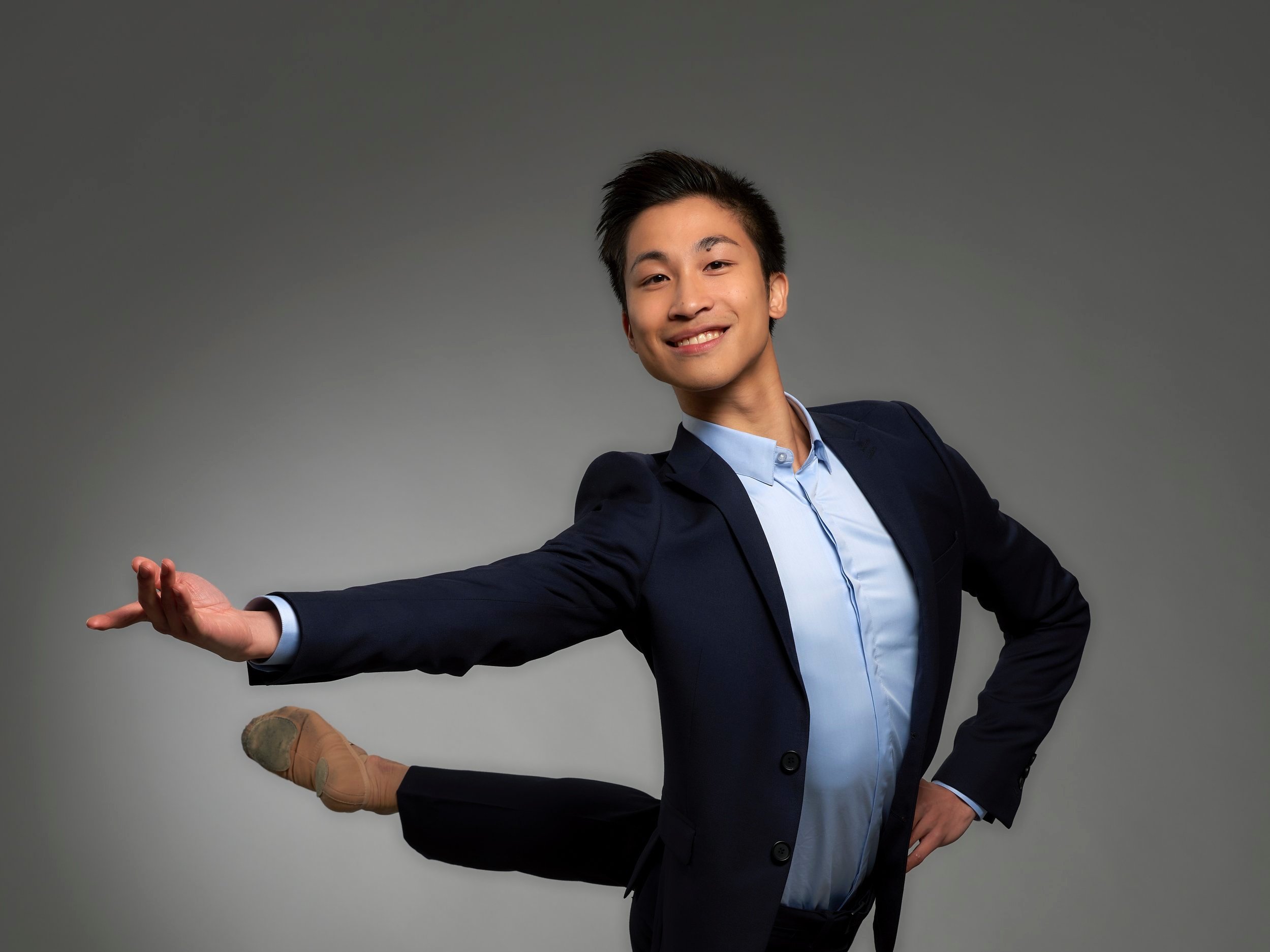
Paris Opera Ballet’s Chun-Wing Lam is probably the only dancer in the world to combine a successful dance career with running his own wealth management firm. TWoA talked to Chun about moving from Hong Kong to Paris when he was fourteen, about the unique promotion system at the Paris Opera Ballet, and about the artistic and mental benefits of having two careers at the same time.
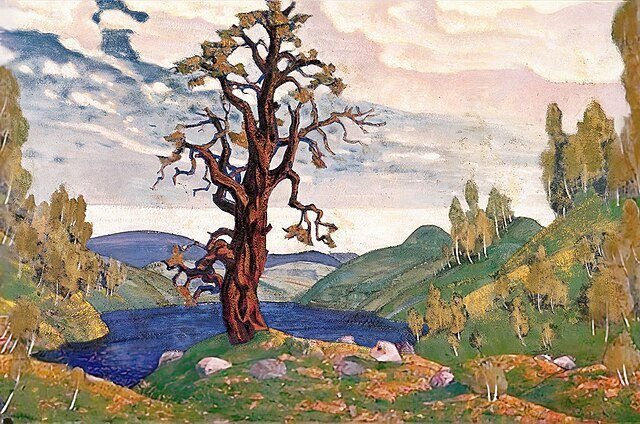
When spring arrives, most composers paint blossoms and sunshine—Stravinsky delivered terror. This TWoA deep-dive unravels why The Rite of Spring still sends audiences into a primal panic: pagan sacrifice, Nijinsky’s convulsive choreography, revolutionary harmonies, and a riot that changed music forever. A visceral journey into the masterpiece that blurs rebirth, brutality, and the uncanny pulse of nature itself.
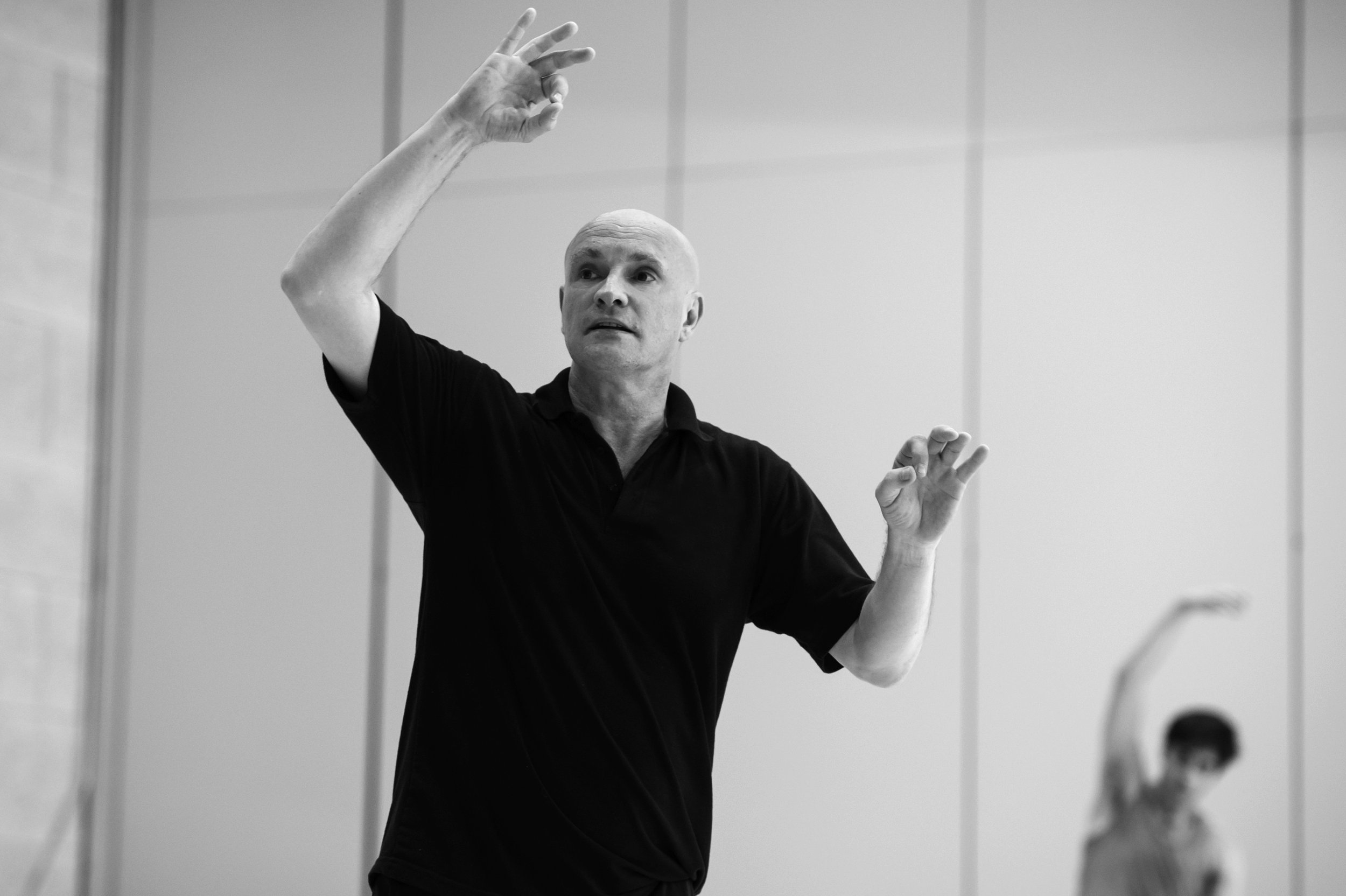
Jean-Christophe Maillot turns ballet into an X-ray of human longing, crafting choreography where emotion leads movement and characters unfold with startling psychological depth—making his work feel less performed than lived.
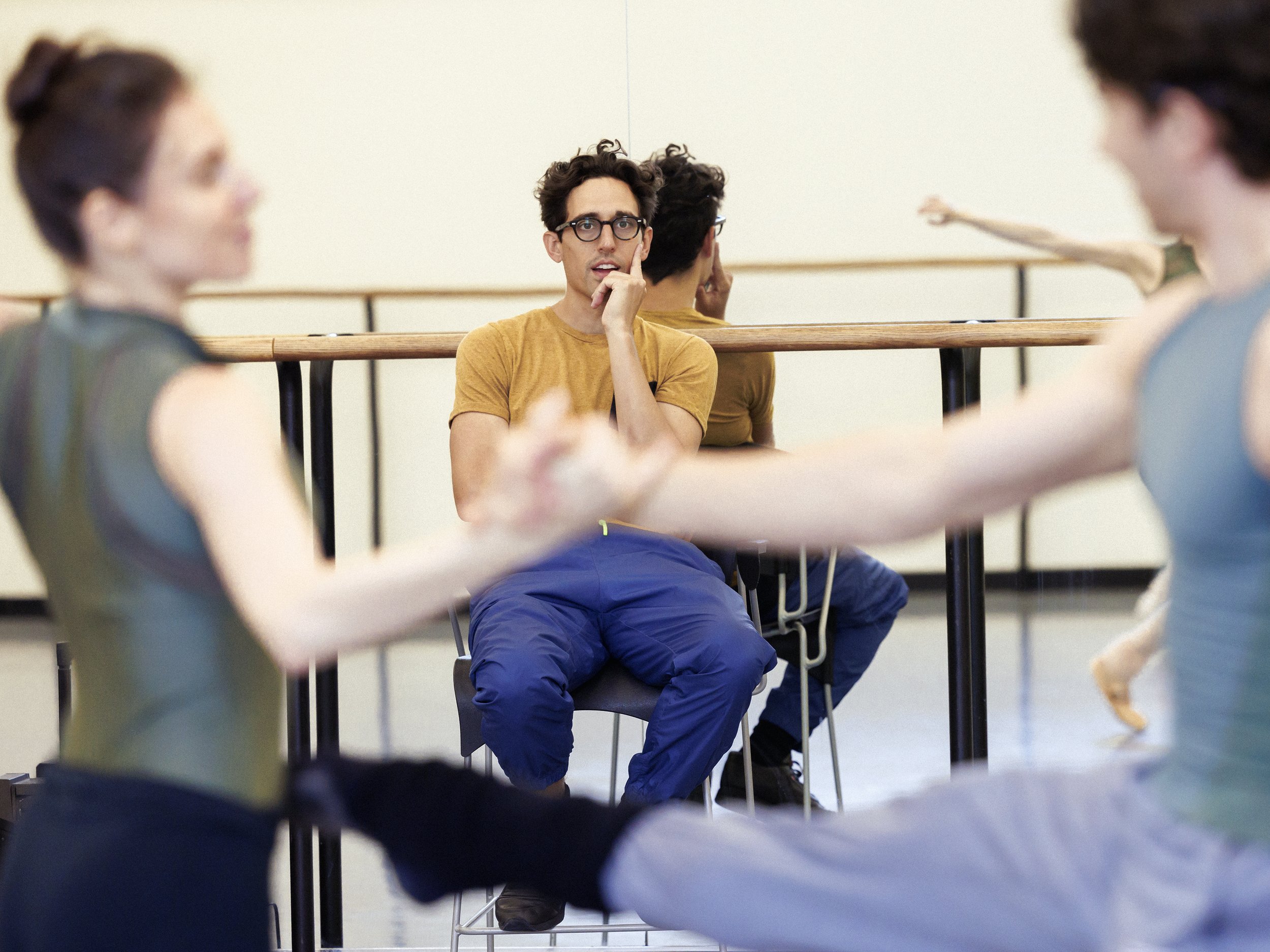
Renowned for his energetic footwork and playful musicality, Justin Peck has built a remarkably prolific career as New York City Ballet’s Resident Choreographer. Two decades after beginning his choreographic journey as a student at the School of American Ballet, he has created more than 50 ballets and become one of the defining voices of American dance today.

Fifteen-year-old Chloe Helimets, a third-generation ballet dancer and two-time YAGP Youth Grand Prix winner, is one of just eighteen Americans selected for the Prix de Lausanne 2025. In this interview, she speaks about growing up in a ballet family, preparing for the world’s most prestigious competition, and learning to balance artistry, pressure, and passion.

Fedor Dostoevsky’s dark psychological novel Crime and Punishment is a masterpiece of world literature. Last autumn, you could find it in the dance bags of many dancers at American Ballet Theatre: choreographer Helen Pickett and co-director James Bonas were turning the book into a ballet for American Ballet Theatre. The company will perform the production at the John F. Kennedy Center for the Performing Arts ins Washington on 12-16 February 2025. TWoA talked to ABT dancer Joseph Markey, who created the part of Luzhin, and who will have his debut as Raskolnikov in Washington.
This is only a selection of our content. To discover the full range of articles published by Teen World of Arts, including our latest features, reviews, interviews, and essays, please visit the Magazine section.
Emma Livry’s early death is a haunting example of life imitating art. On the surface, it perfectly corresponded to the poetic myth of the Romantic ballerina: a fragile creature beyond the reach of men, doomed to an early death. But the dancers who created this ethereal Romantic vision on stage were women of flesh and blood who had reached stardom on the stony path of a harsh reality. Read on to find out about the perils of being a Romantic ballerina.