Lifestyle
Featured








What happens when dancing becomes a threat to the state? China’s rave scene arrived in the 1990s with smuggled CDs, ecstasy and a promise of freedom from authority, only to be driven underground almost as quickly as it appeared. Read on to discover why the problem with raves may never have been the drugs at all.
Japan has been making food you can’t eat for more than a century. Shokuhin sampuru began as practical visual menus, helping diners see what they were ordering; today, these hyper-realistic replicas have become an art form of their own.
As Christopher Nolan's The Odyssey dominates headlines, there's no need to wait for the film to immerse yourself in Homer's legendary tale. From ancient Greek masterpieces at the British Museum to Turner's dramatic vision at the National Gallery and captivating modern retellings, here are the best places to experience The Odyssey across London.
Queen Victoria's artistic legacy extends far beyond her role as one of Britain's greatest cultural patrons. From designing paper dolls and painting theatrical costumes to etching alongside Prince Albert and supporting Britain's craft industries, her creative pursuits reveal a monarch whose imagination was as remarkable as her reign. Read on for more.
Whether you're dreaming of a European escape, a nostalgic coming-of-age story, a whirlwind romance, or a spontaneous road trip, TWoA has curated a list of 20 unforgettable summer films with a little something for every summer self. From timeless classics to modern favourites, discover your next warm-weather watch. Read on for more.
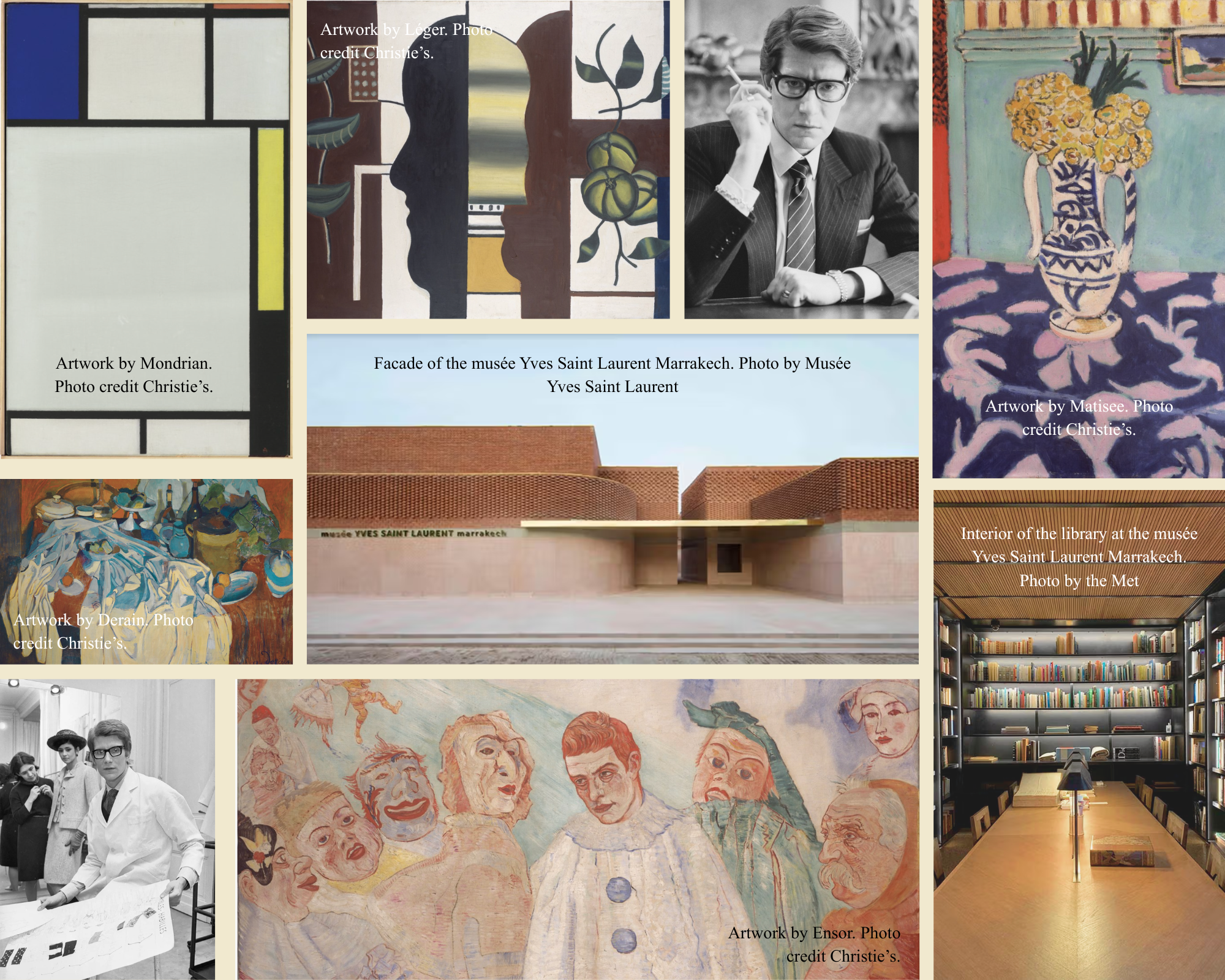
Yves Saint Laurent collected art with the same vision that transformed fashion. From Picasso and Matisse to Brancusi and Mondrian, his eclectic collection offered an intimate portrait of one of the twentieth century's greatest creative minds - and culminated in one of the most significant auctions in art market history. Read on for more.
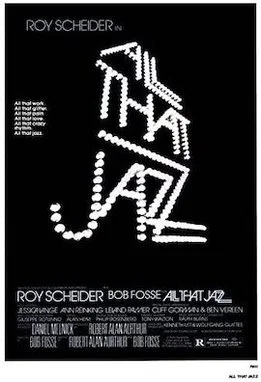
What happens when a choreographer turns his own death into a musical? In All That Jazz, Bob Fosse made the movie musical darker, stranger, and more honest, transforming show business, self-destruction, and the fear of being forgotten into a spectacle. Read on for a portrait of an artist who danced on the edge.
Morning routines promise clarity, discipline, and success, but what happens when they become another performance of productivity? Another less mainstream argument emerges for reclaiming the early hours as private time. Read on for more.
From jousting snails to rebellious rabbits, medieval manuscripts and cathedral carvings reveal a humorous world that challenges the myth of the Middle Ages as solemn and austere. Read on for more.
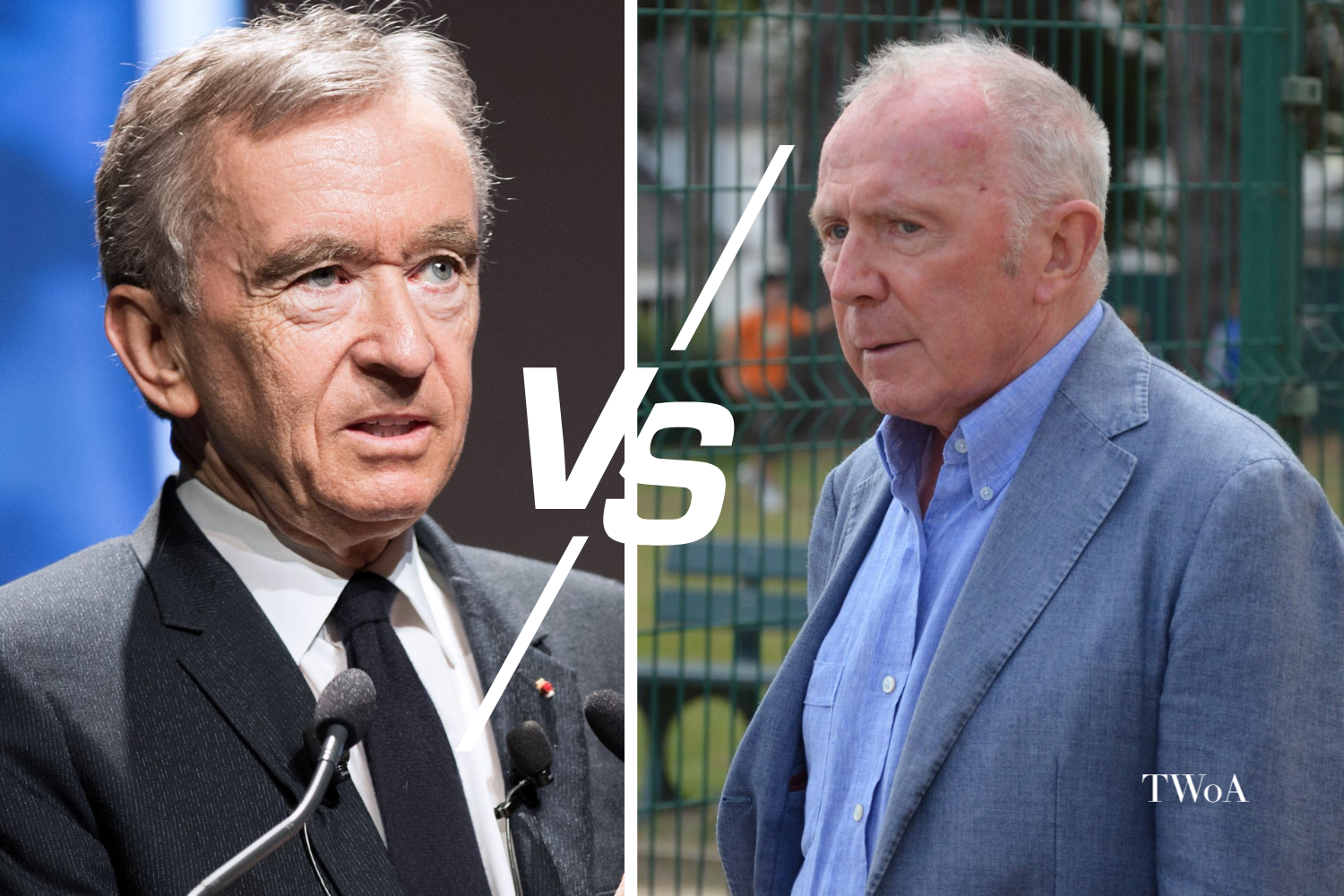
The competition between Bernard Arnault and François Pinault no longer unfolds only through fashion houses and auction rooms. From Paris to Venice, their museums and collections reveal a deeper struggle for cultural influence—one that shapes how contemporary art is seen, valued, and remembered. Read on for more.
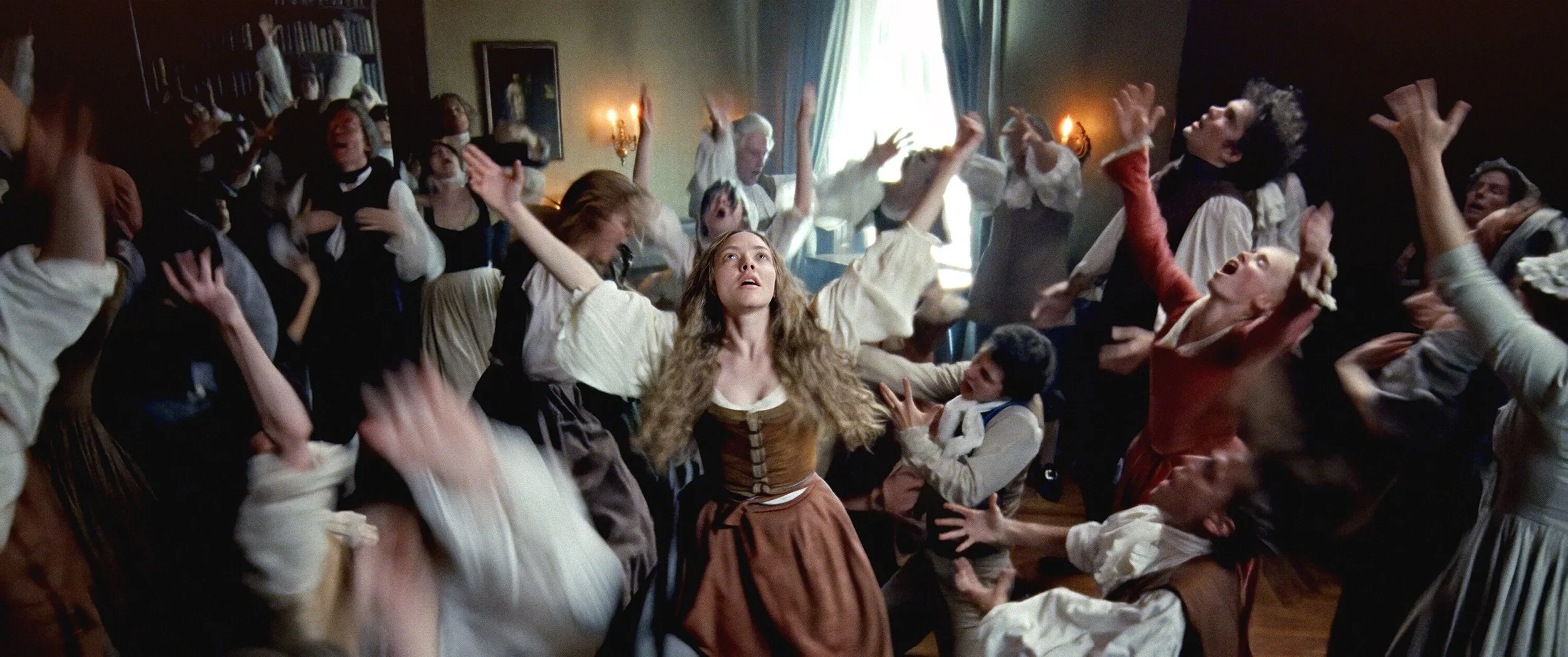
In The Testament of Ann Lee, director Mona Fastvold tells the story of the Shaker founder through movement and music. Blending biography with experimental dance film, her work explores how Shaker worship transformed choreography into a form of spiritual devotion. Read on to learn the full story.
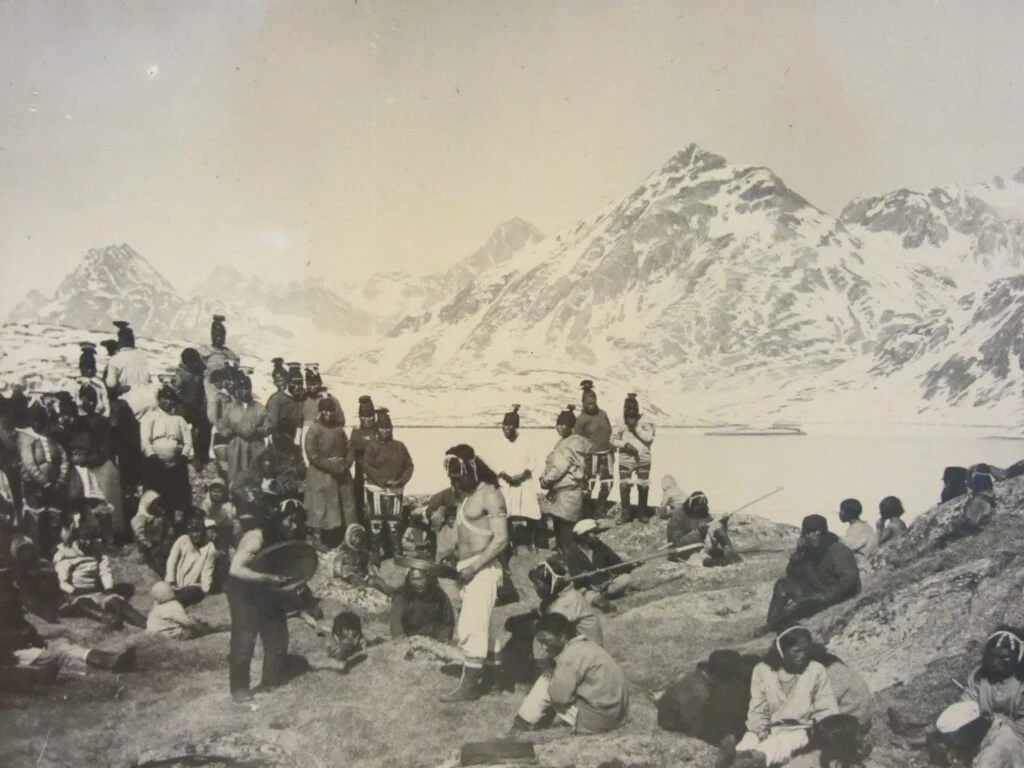
As geopolitical tensions once again draw global attention to Greenland, its cultural history offers a revealing counterpoint. For over four millennia, Greenlandic Inuit communities have used drum song and dance not only for ritual and social life, but also as a structured, non-violent way to resolve disputes. In a drum duel, restraint—not aggression—determined the outcome, leaving judgment to the community rather than to force.
When orchestral projects took over music school, pianists were left with unexpected free time—and an unusual solution. Enter the Piano Department Film Night: documentaries, lectures, and YouTube deep dives watched on an ancient projector. From Cziffra to Glenn Gould to Juilliard practice rooms, this is a pianist’s guide to what’s worth watching.
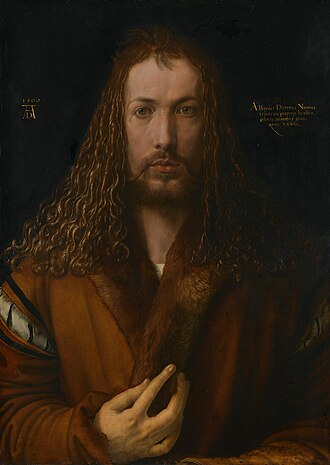
Across time, artists have used painting to declare identity and ambition to the public. From Dürer to Picasso to Kehinde Wiley, TWoA follows how resolution and intention—once made visible—have reshaped the art-historical canon itself.
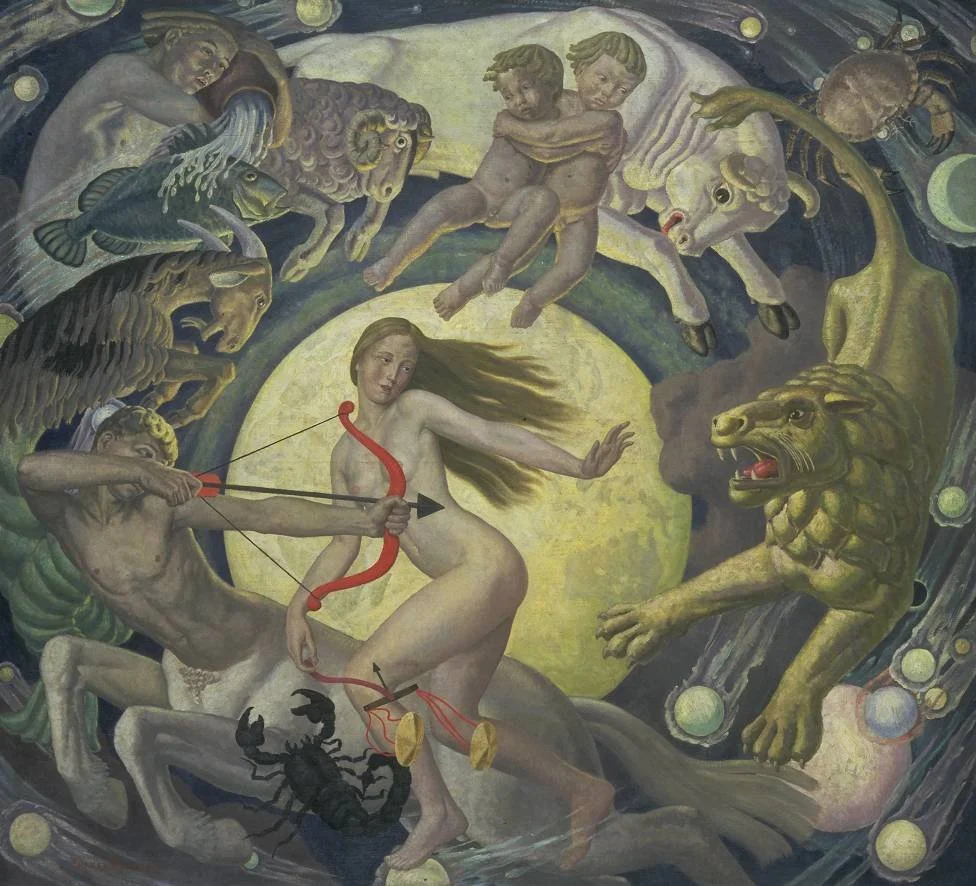
Long before Co-Star, Europe’s wealthiest men were proudly inscribing their natal charts onto walls, ceilings, and frescoes. From Chigi’s astrologically coded villa in Rome to the Medici palaces of Florence—and later, the cosmic visions of Cocteau and Dalí—astrology has shaped art and architecture for centuries. TWoA traces how Renaissance elites and modern masters alike used the zodiac to script power, meaning, and identity across eras. Read on to find out how.
Looking for gifts with a little artistic magic? TWoA’s writers curate their favourite festive picks—from art-history reads and museum memberships to dancer must-haves, musician treasures, and beautifully crafted objects. Consider it your guide to artsy presents with real holiday spark.
Ever felt inspired by autumn? Good. So were Osslund, Tchaikovsky, and Rohmer, among many others. Read this article to find out how the season appears in art, music, and film, and why its briefness makes artists notice things they ignore the rest of the year.
As the school year begins, reading lists shift from summer novels to the books that shape a creative life. In this article, TWoA highlights three essential titles—Allegra Kent’s memoir, Twyla Tharp’s creative guide, and The Swans of Harlem—each revealing what it really takes to build a career in dance and the arts.
What began as aristocratic salons now lives on in bookstores, cafés, and pop-up lectures. TWoA charts the art café’s transformation—and why we still crave spaces built on talk and ideas.
Rachmaninoff, stern onstage and sweet-toothed in private, adored one thing above all: a cherry malted milk float. For World Ice-Cream Day, TWoA dives into the dessert that softened a musical giant—and why this fizzy American treat meant more to him than anyone knew.
In art, life, and social media, food does more than tempt: it signals status. TWoA looks at how lobsters, lemons, Erewhon smoothies, and untouched piles of fruit became a visual shorthand for luxury—and why this is a trend that keeps resurfacing. Read on.
“If I can’t drink my bowl of coffee three times daily…” Bach’s Coffee Cantata begins as a lighthearted story about a girl and her devotion to caffeine—but beneath it runs a quiet feminist rebellion taking shape in 1730s Leipzig.
The tinned-fish revival isn’t just about flavor—it’s a visual feast rooted in centuries-old Iberian conserva traditions, where bold packaging, maritime iconography, and contemporary design have turned canned seafood into the art world’s most unlikely aesthetic obsession.
Looking for the perfect winter movie night? From Wim Wenders’ luminous Pina to the grit of Russian ballet in Ballerina, these four films reveal the beauty, power, and pain of dancers’ lives on and off the stage.
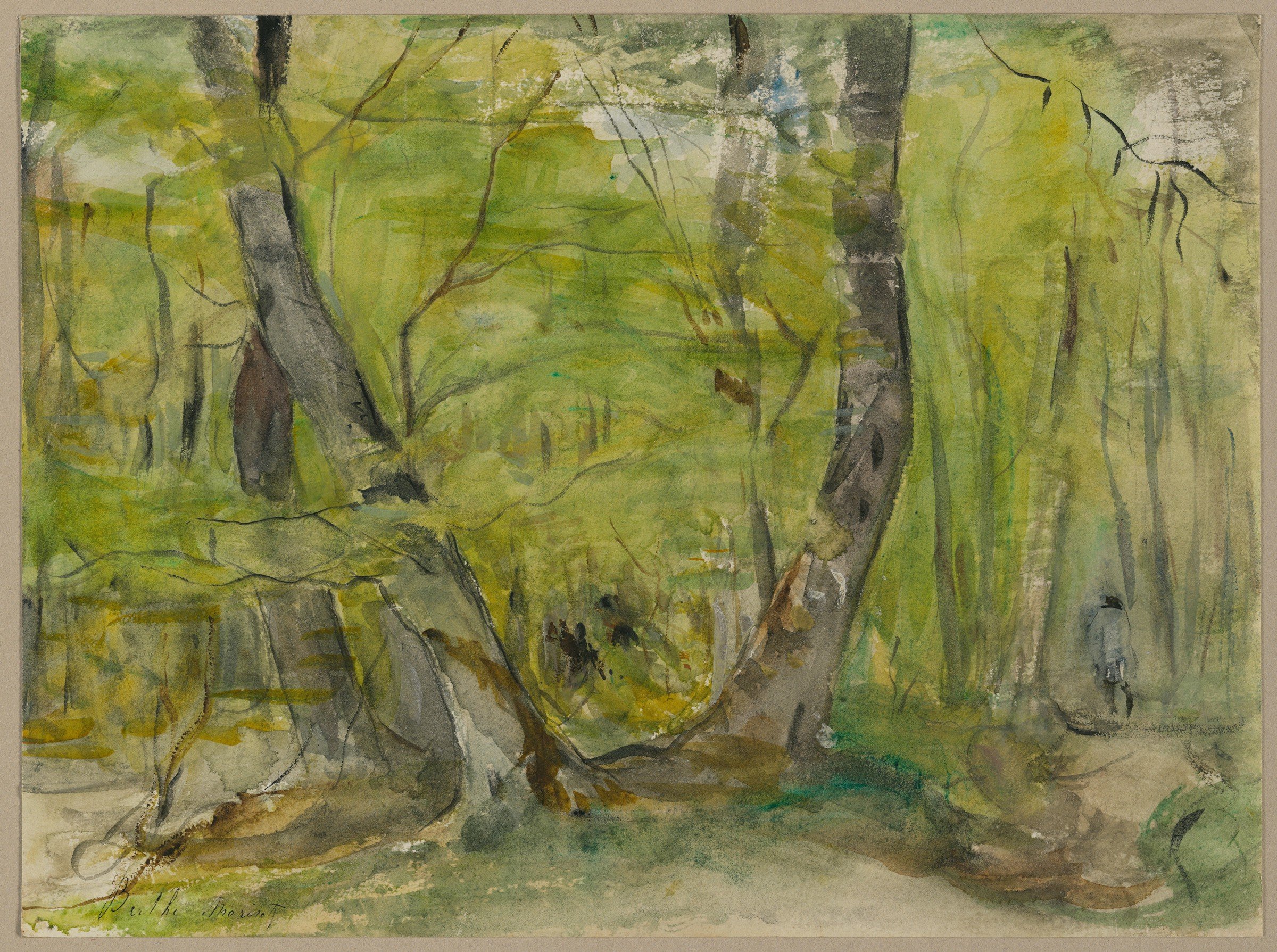
Feeling overwhelmed by city life? Discover how artists from Wang Meng to Friedrich and Morisot turned forests into spaces of refuge, imagination, and calm—and how their paintings can offer a little “forest bathing” from home.
As winter settles in, we asked four artists from our most-loved interviews to share their favourite festive rituals—from family music-making and Christmas markets to jazzy carol transcriptions and the perfect holiday meal—to celebrate the magic of the season.
What if clothing is the key to understanding art—and storytelling—across centuries? From Renaissance portraiture by Agnolo Bronzino to the richly symbolic costumes of Bridgerton, this article explores fashion as a silent visual language, revealing how style communicates identity, power, and inner life—from Old Master paintings to contemporary television.
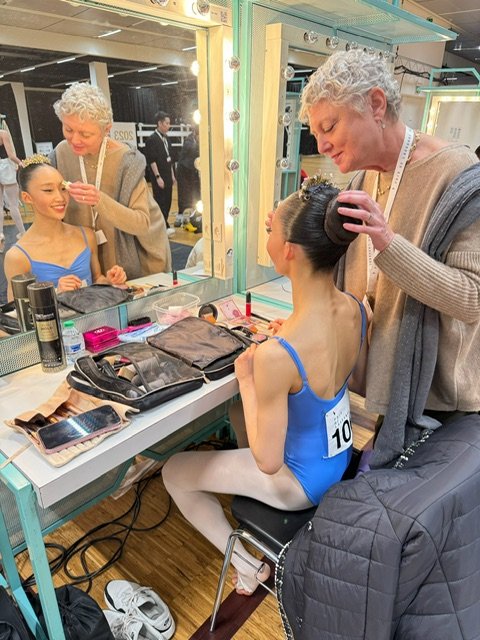
Are you planning to compete at a ballet competition this school year? Choosing the right variation can make all the difference. What principles should guide your decision? TWoA speaks with Inna Bayer, artistic director of Bayer Ballet Academy, and her student Crystal Huang—prize winner at the Prix de Lausanne 2024, Youth America Grand Prix 2024, YoungArts 2024, and Grand Prix winner at the South Africa International Ballet Competition—about strategy, growth, and showcasing your strengths on stage.
Oboist Spencer Rubin maps New York through habits rather than landmarks—brunch counters, practice rooms, museum detours, and late-day walks along the Hudson. Moving between The Juilliard School, Lincoln Center, and the city’s quieter cultural corners, this guide reads the city as a lived ecosystem where artistic discipline, everyday pleasure, and urban energy continuously overlap.
Who sees you when you start to disappear? For women blending into the home, and the tasks that came with it, it was Childe Hassam: the American Impressionist who painted them not as they were expected to appear, whether in reality or in men’s imaginations, but as they experienced themselves. Read on to discover how Hassam made women visible by painting their invisibility.