-
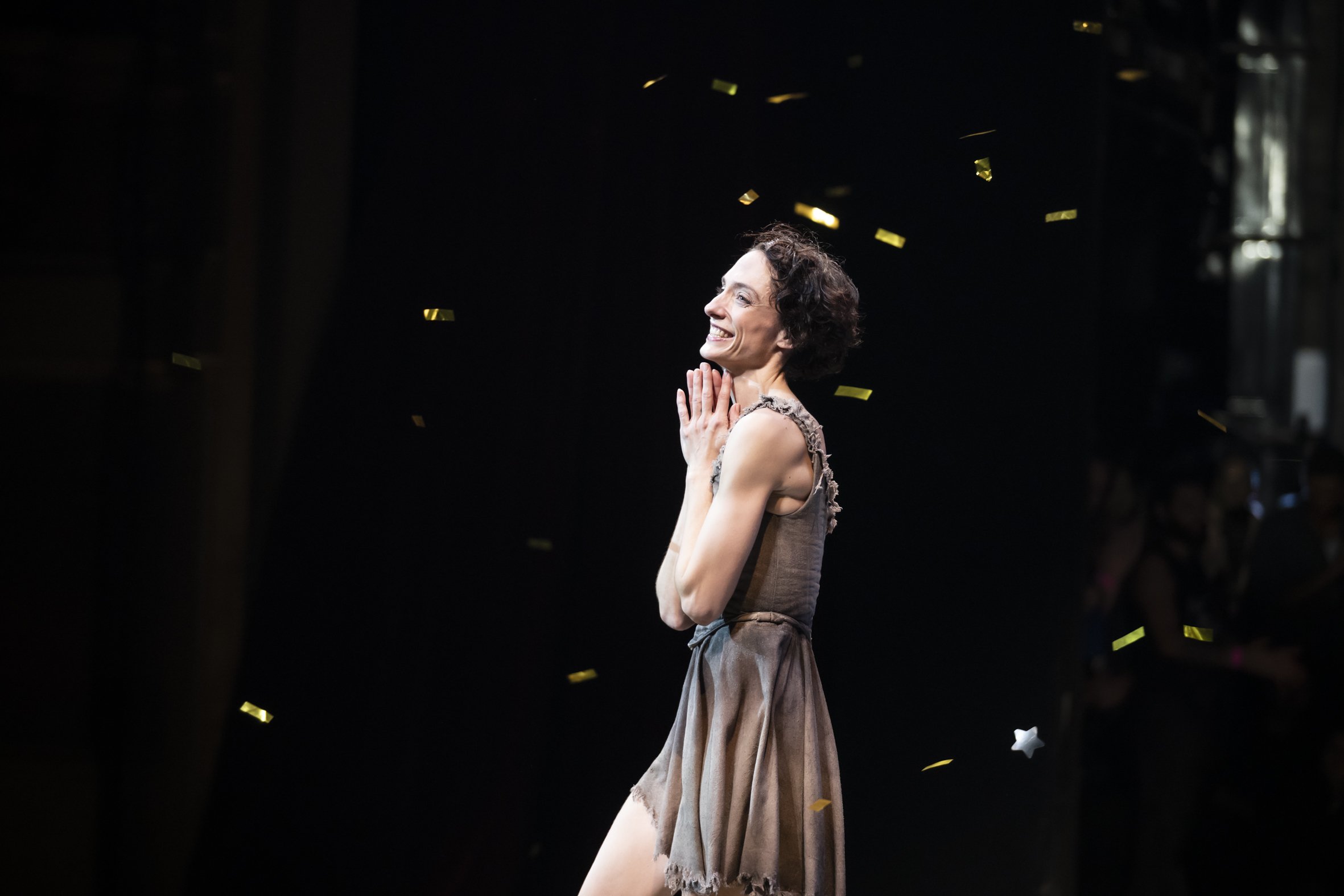
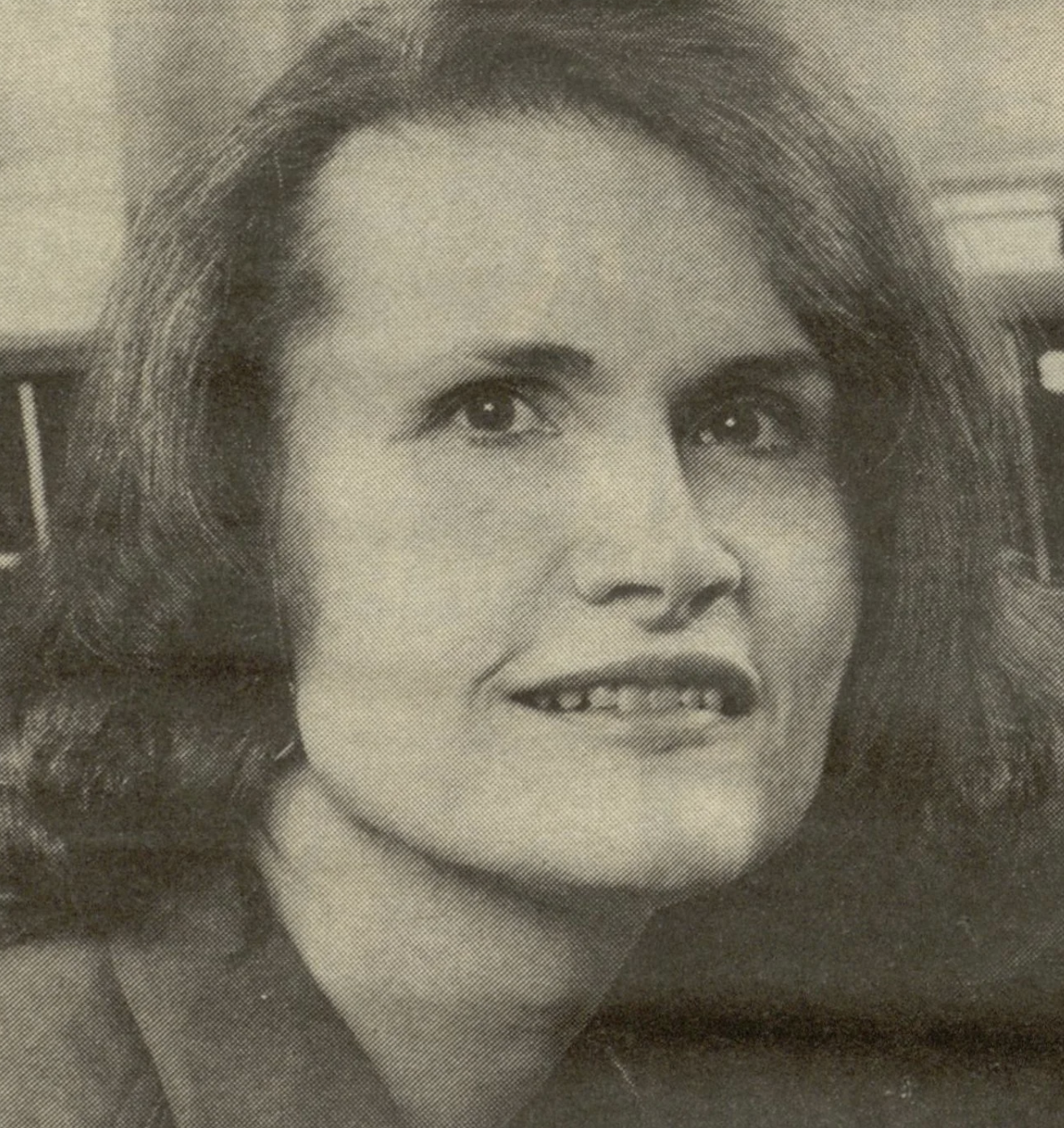
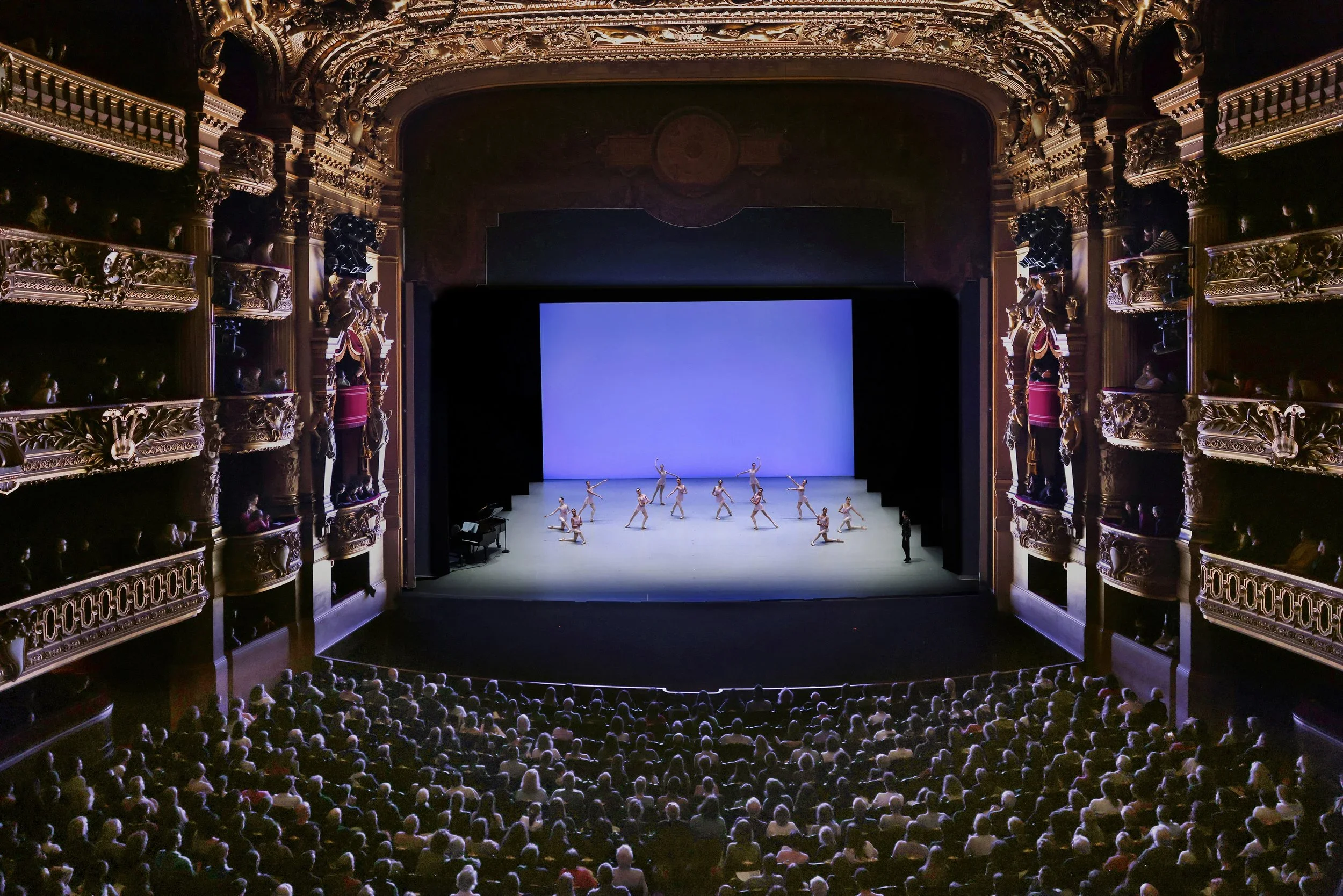
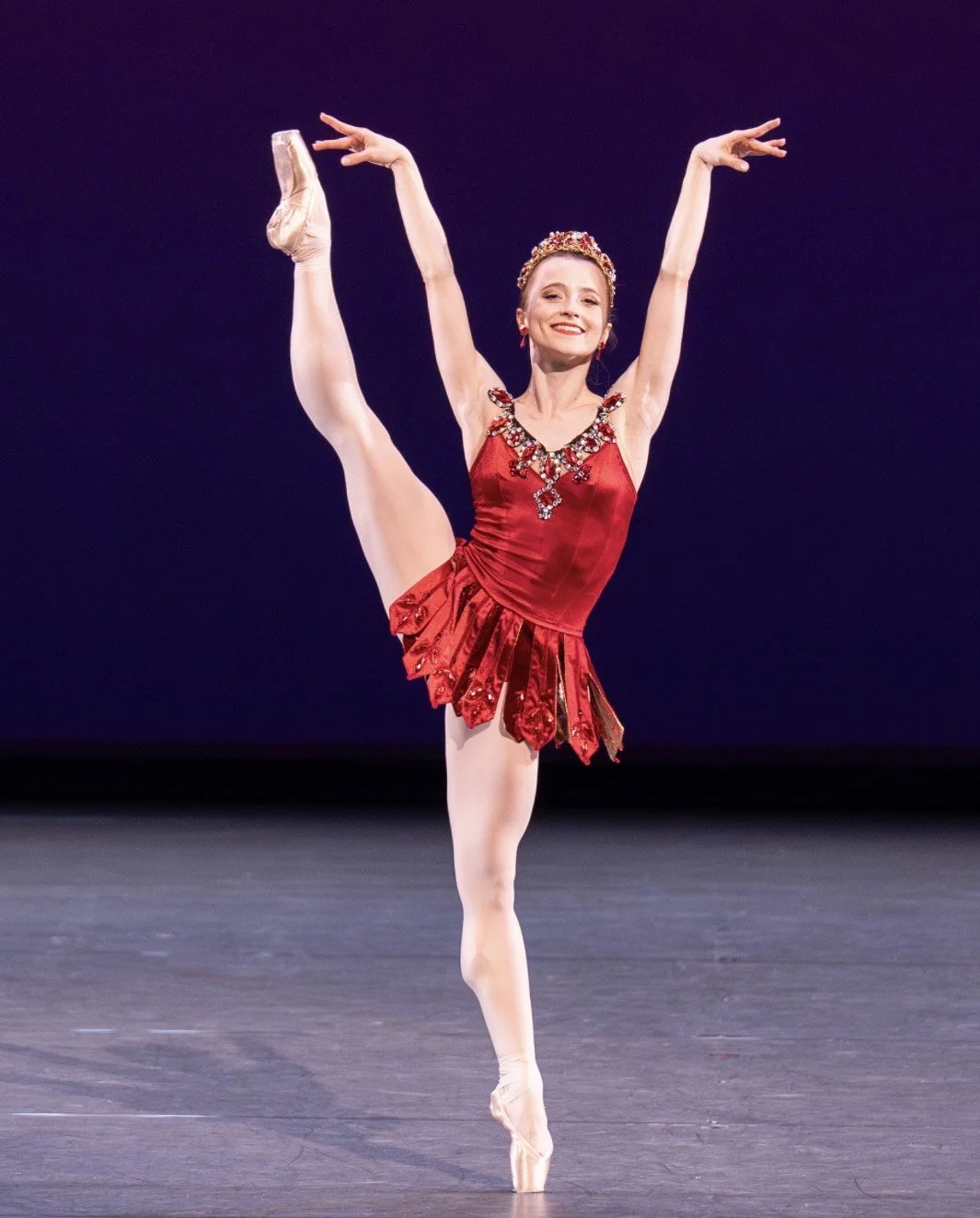
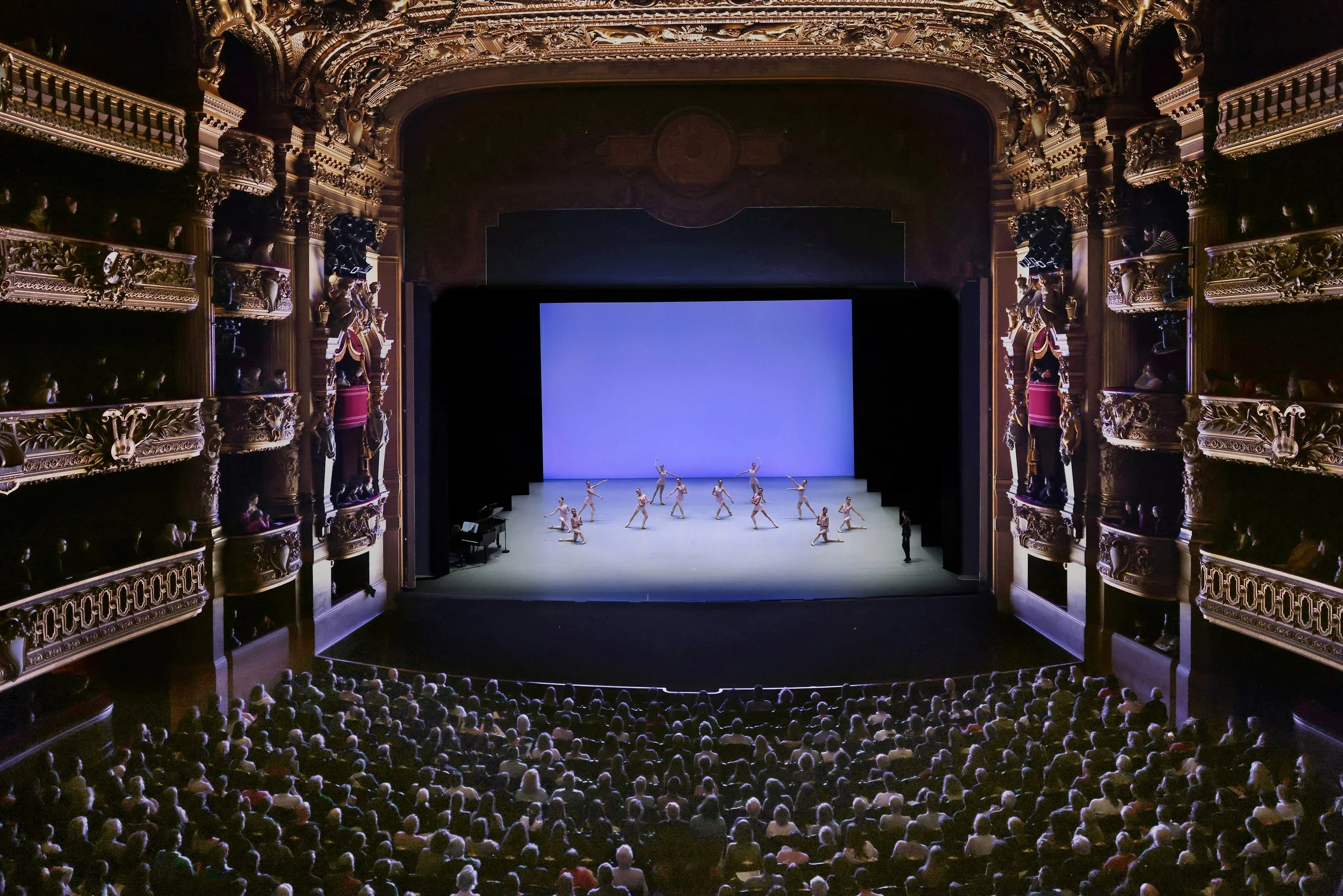
Interview: Chloe Helimets, 16, Student at the Paris Opera Ballet School and Prix de Lausanne 2025 Finalist
-
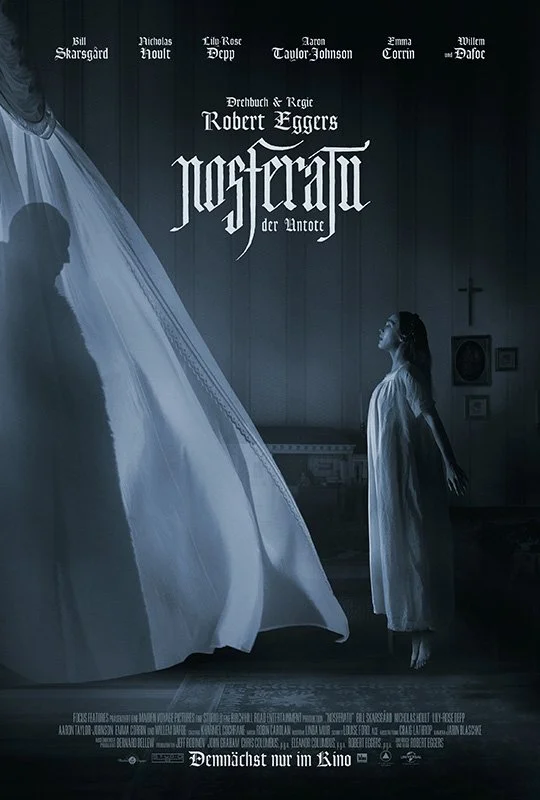
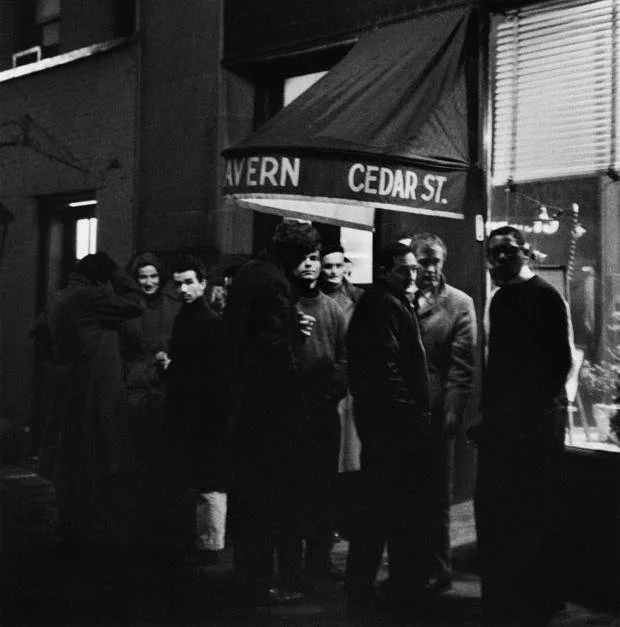
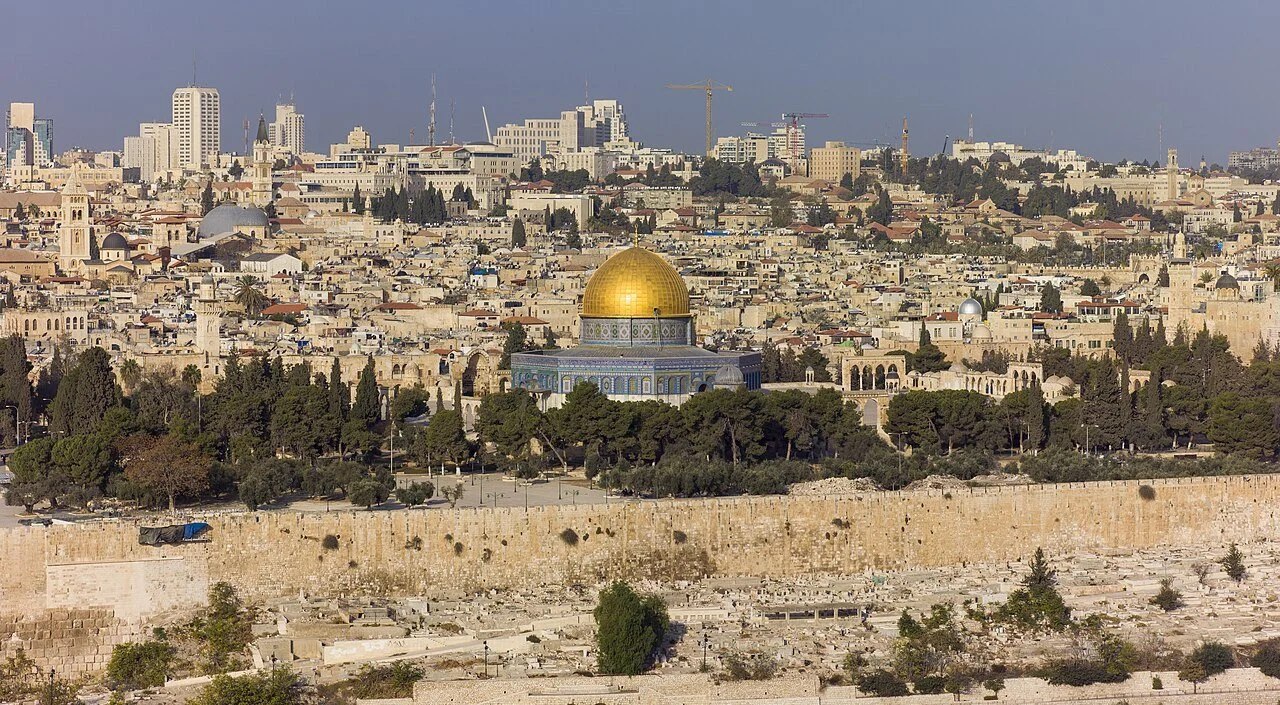
Singing for Peace in Jerusalem?
-
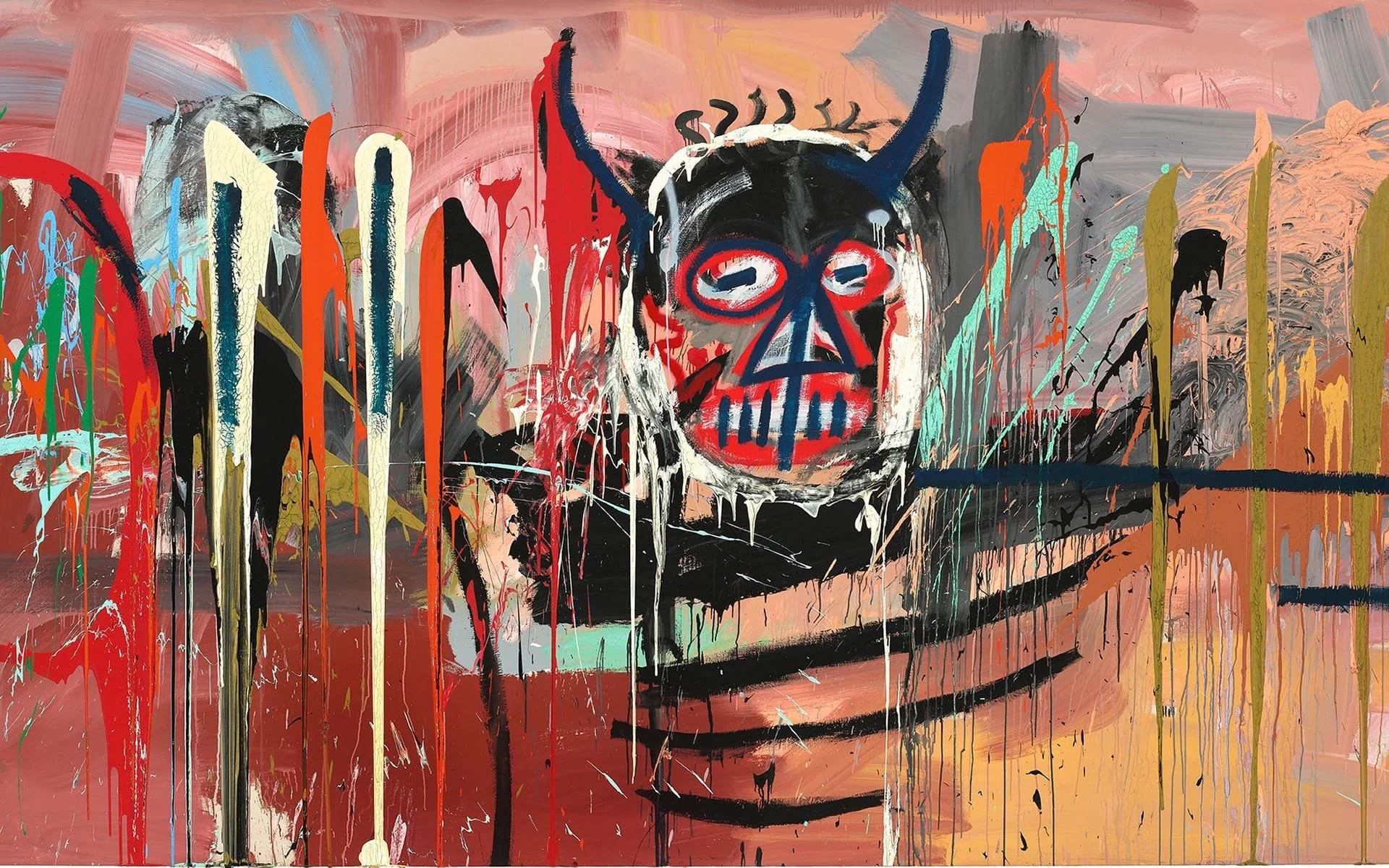
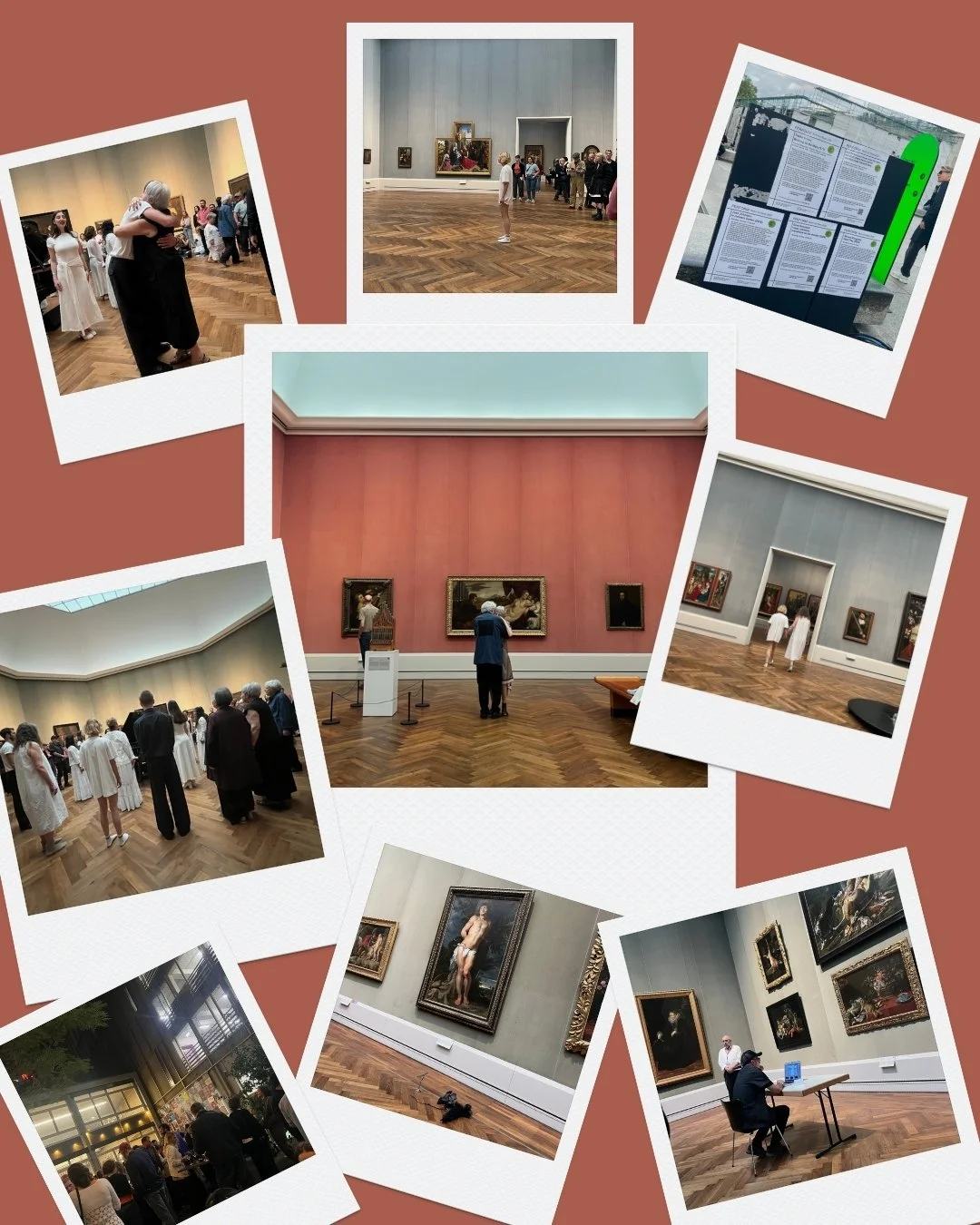
Conflict Resolution, Greenland Style
-
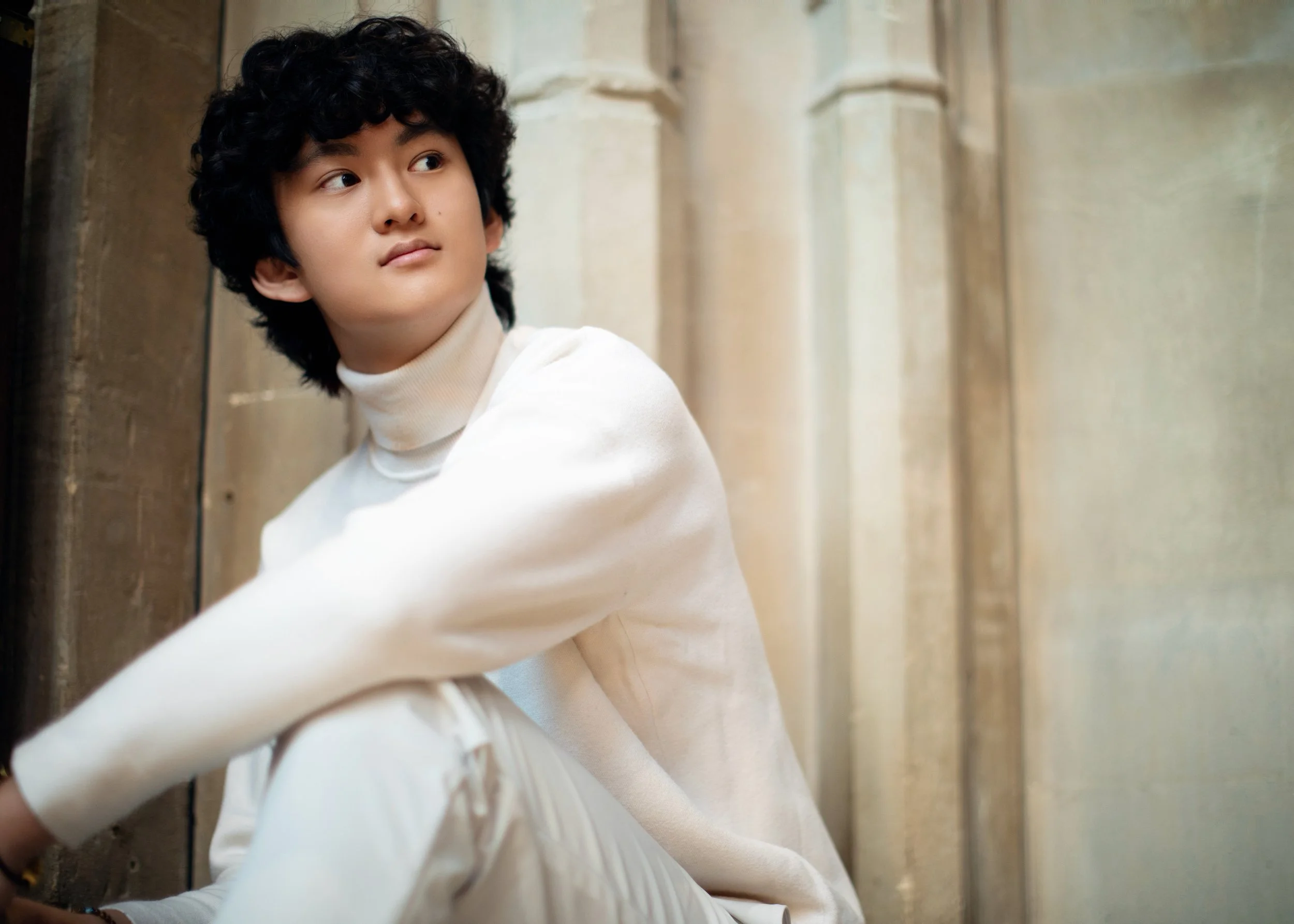
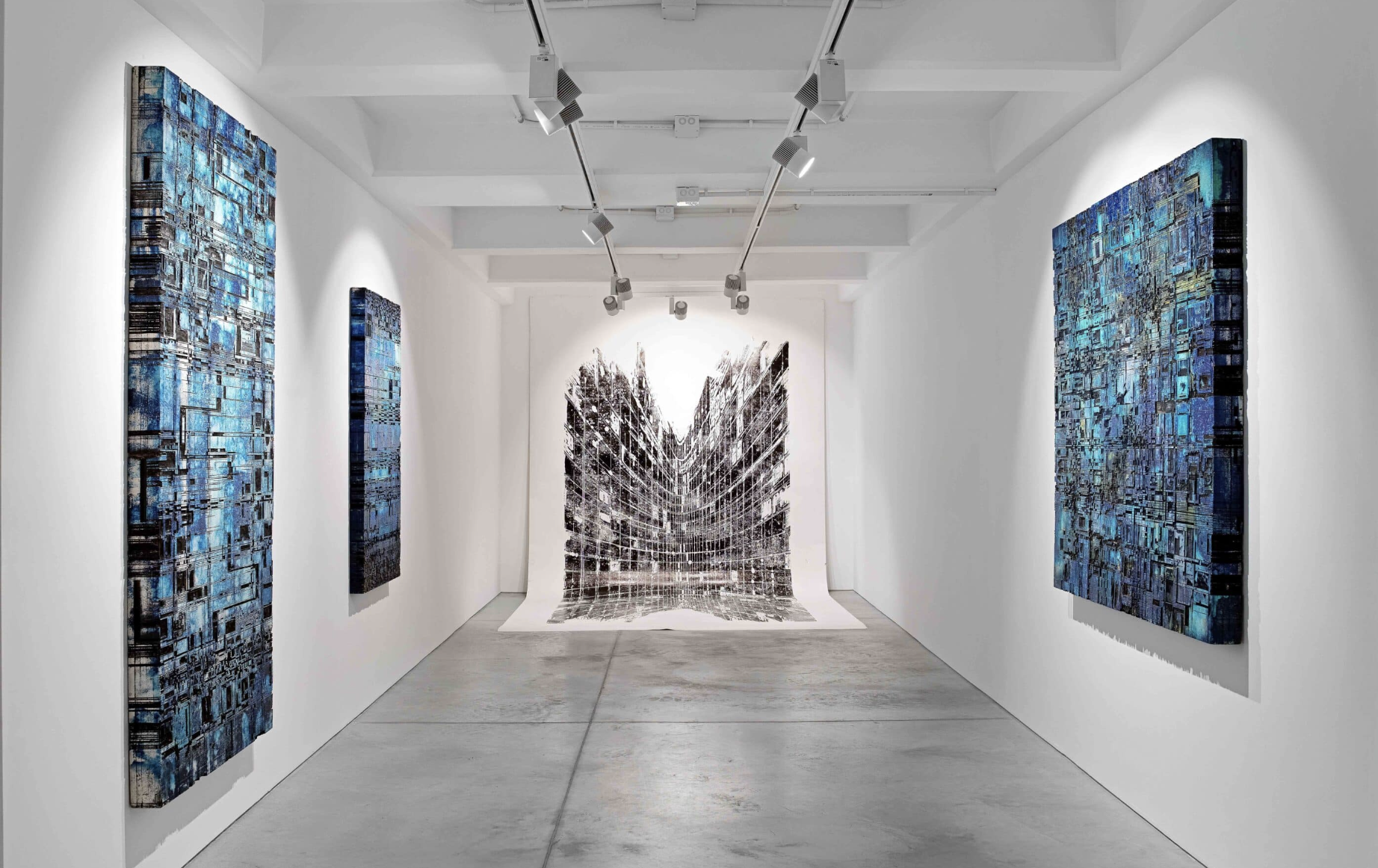
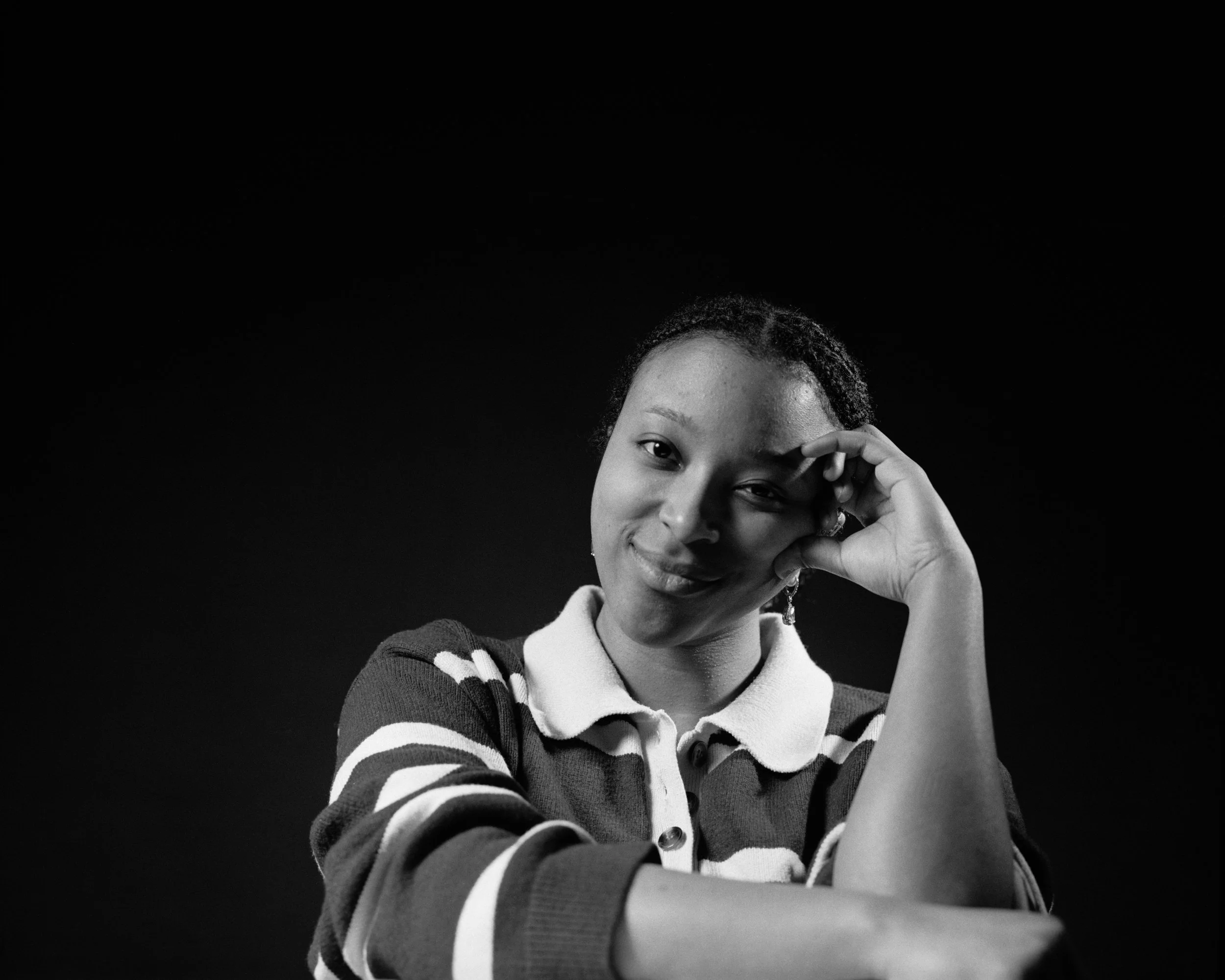
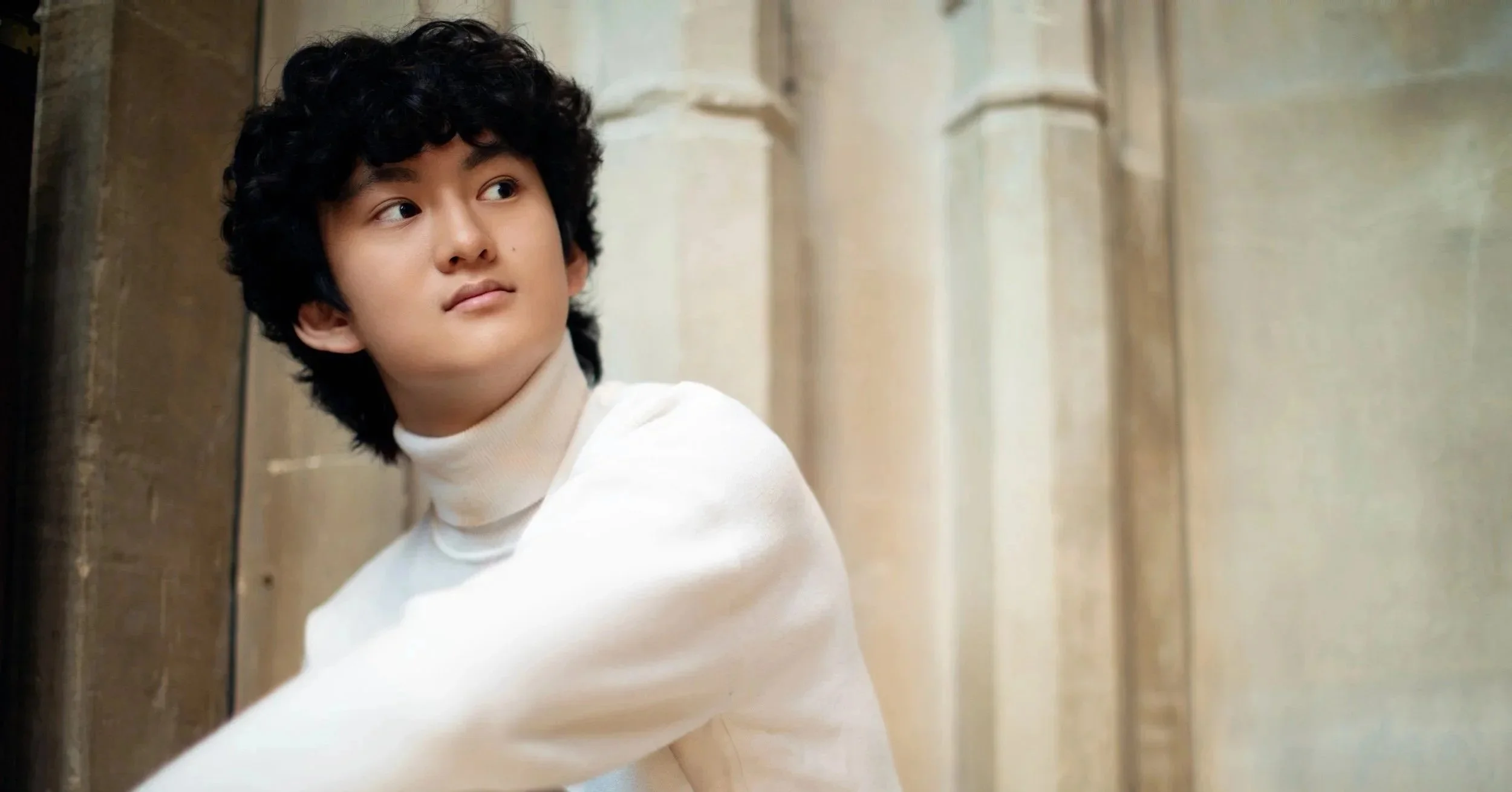
Guest Artist: Long YuJun, Tokyo University of the Arts
-
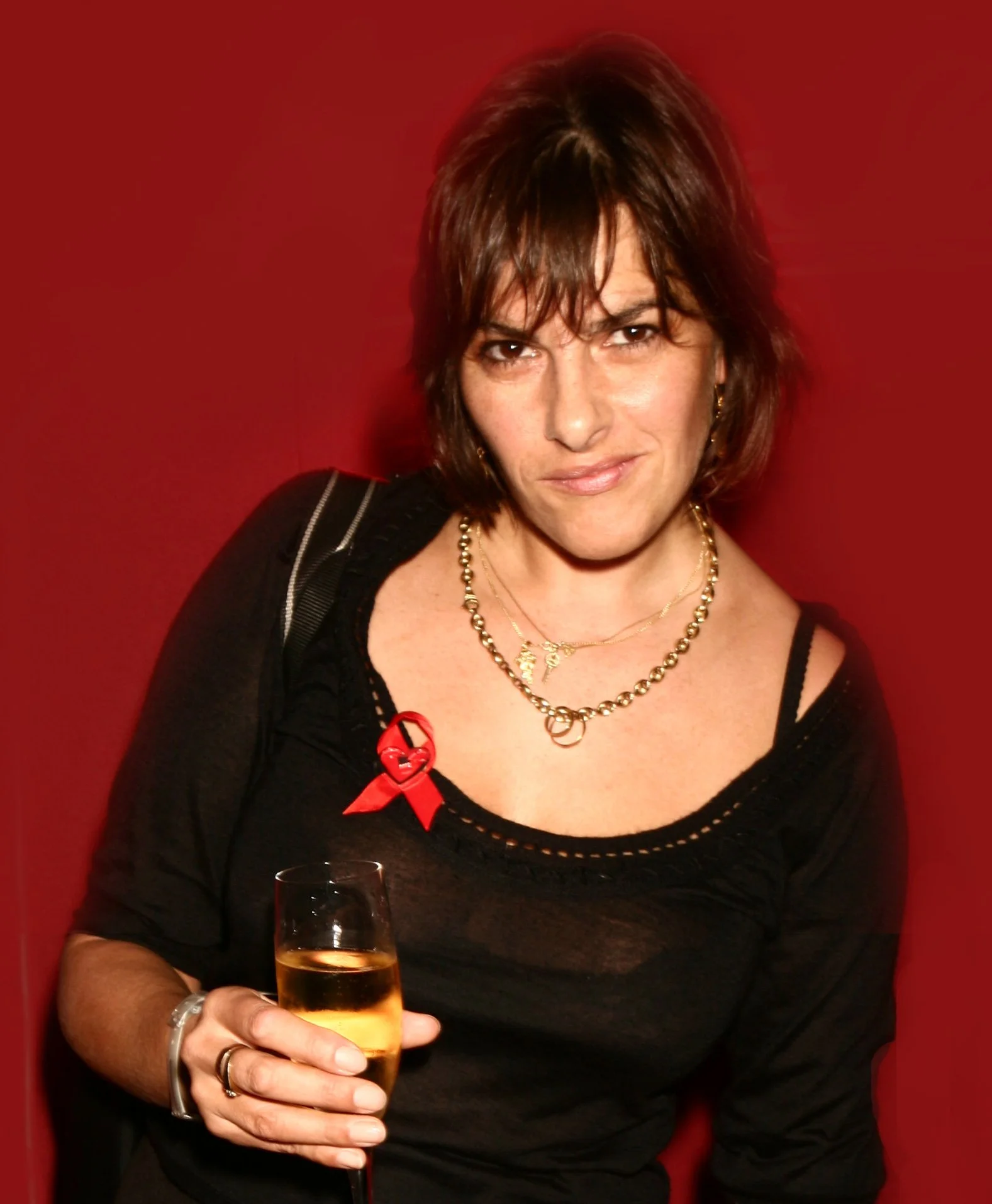
Chun-Wing Lam, Paris Opera Ballet: "I never danced so well before I had my wealth management firm."
Editor’s Picks
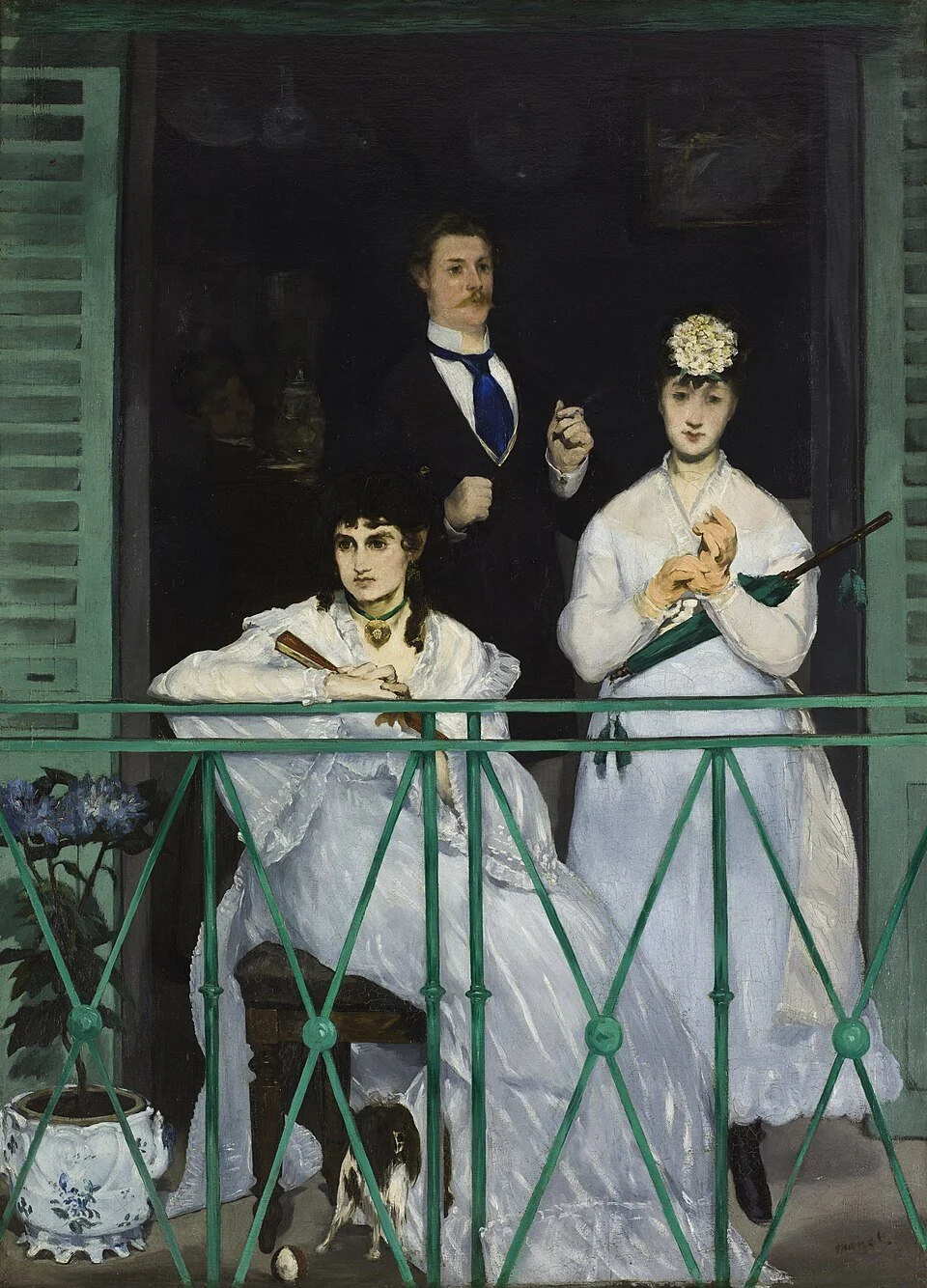
Were Degas’ dancers monstrous, animalistic social climbers–or misunderstood performers? TWoA reframes ballet in Degas’ oeuvre as a demanding art of movement, labour, and correction. It gives both him and his dancers the credit they are due. Read on for more.
Is music simply organised sound—or something more elusive? From John Cage to Christopher Small’s idea of “musicking,” we explore why the boundary between music and noise is less objective than we might hope. Read on for more.
Rain, empty seats, and a changed programme set the scene. What followed was a fragile, powerful encounter with Mischa Maisky—part concert, part reckoning with resilience, ageing, and what it means to return to music after the body almost gives in. Read on for more.
What happens when singing meets dialogue? Inside a Jerusalem youth choir where Israeli and Palestinian teens rehearse together, share their stories, and learn to stay in the room—especially when it’s hardest. Read on for more.
What happens when pop opens its doors to the orchestra? From ROSALÍA’s baroque-inflected “Berghain” to the symphonic experiments of Laufey and Cody Fry, classical pop is dissolving genre boundaries—and inviting new listeners in.
Milk may seem ordinary, but its visual history is anything but. From sacred nourishment and Dutch domesticity to nationalist advertising under Ronald Reagan and dystopian cinema, milk has been shaped into one of culture’s most contradictory symbols. Read on for more.
From Vogue photoshoots to pictures taken in Hitler’s bathtub, Lee Miller’s exhibition at Tate Britain was not what I expected. Read on to discover the erotics, travels, and violence of photography–and find out how a woman’s work defined 20th-century photography.
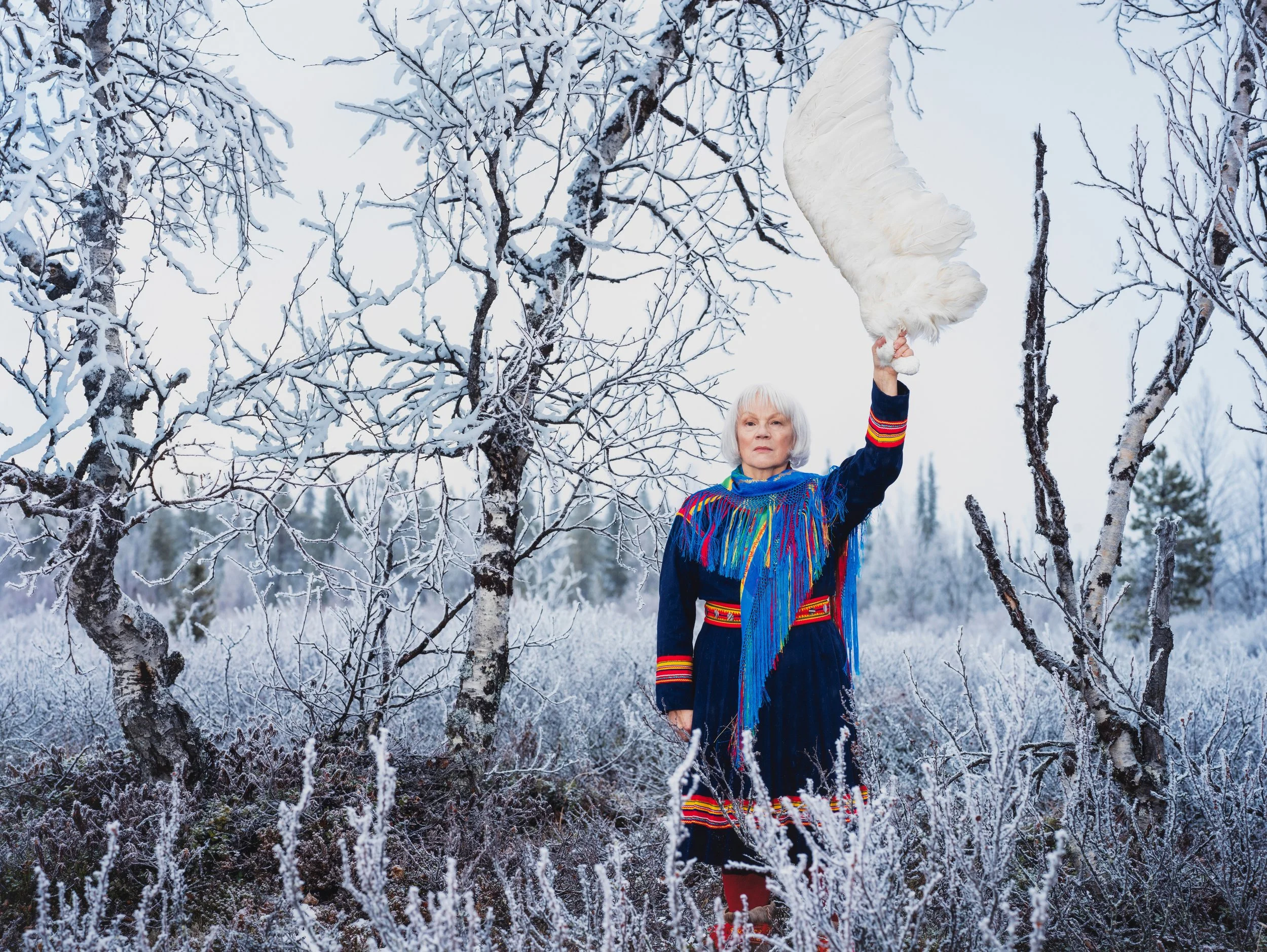
As geopolitical tensions once again draw global attention to Greenland, its cultural history offers a revealing counterpoint. For over four millennia, Greenlandic Inuit communities have used drum song and dance not only for ritual and social life, but also as a structured, non-violent way to resolve disputes. In a drum duel, restraint—not aggression—determined the outcome, leaving judgment to the community rather than to force.
Teen World of Arts
The ONLY Gen Z magazine covering news, trends, histories, and personalities in the arts.
Because the arts aren’t ornamental—they’re foundational to empathy, critical thinking, collective imagination, and civic responsibility. And the next generation deserves to encounter them properly.
Art
Were Degas’ dancers monstrous, animalistic social climbers–or misunderstood performers? TWoA reframes ballet in Degas’ oeuvre as a demanding art of movement, labour, and correction. It gives both him and his dancers the credit they are due. Read on for more.
Milk may seem ordinary, but its visual history is anything but. From sacred nourishment and Dutch domesticity to nationalist advertising under Ronald Reagan and dystopian cinema, milk has been shaped into one of culture’s most contradictory symbols. Read on for more.
Snow has long fascinated artists for its ability to transform the familiar into something fleeting and uncertain. In the nineteenth century, painters and photographers turned to winter cityscapes to explore the growing tension between industrial life and the natural world. Through works by Van Gogh, Monet, and Stieglitz, this article reflects on snow as both a poetic presence and a quiet reminder of nature’s endurance.
Across time, artists have used painting to declare identity and ambition to the public. From Dürer to Picasso to Kehinde Wiley, TWoA follows how resolution and intention—once made visible—have reshaped the art-historical canon itself.
Long before Co-Star, Europe’s wealthiest men were proudly inscribing their natal charts onto walls, ceilings, and frescoes. From Chigi’s astrologically coded villa in Rome to the Medici palaces of Florence—and later, the cosmic visions of Cocteau and Dalí—astrology has shaped art and architecture for centuries. TWoA traces how Renaissance elites and modern masters alike used the zodiac to script power, meaning, and identity across eras. Read on to find out how.
If TikTok’s fascination with the “uncanny valley” has caught your eye, you’ll find its roots deeply embedded in Eastern European Surrealism. Explore how this haunting art movement channels real trauma through unsettling, dreamlike imagery.
Ever felt inspired by autumn? Good. So were Osslund, Tchaikovsky, and Rohmer, among many others. Read this article to find out how the season appears in art, music, and film, and why its briefness makes artists notice things they ignore the rest of the year.
Seventy-eight may seem like a late start. But for Grandma Moses, it was the beginning of a prolific career as an artist. Read the article to find out how she went from a farm wife to one of Americas most prolific primitive painters.
Renaissance artist Benvenuto Cellini was an award-winning goldsmith and sculptor lauded by Pope Clement VII—and also a man who killed more than once. He supposedly decapitated his brother’s murderer and stabbed his rival Pompeo de Capitaneis to death. Did he receive the punishment he deserved? No. Read on to find out why.
Dance
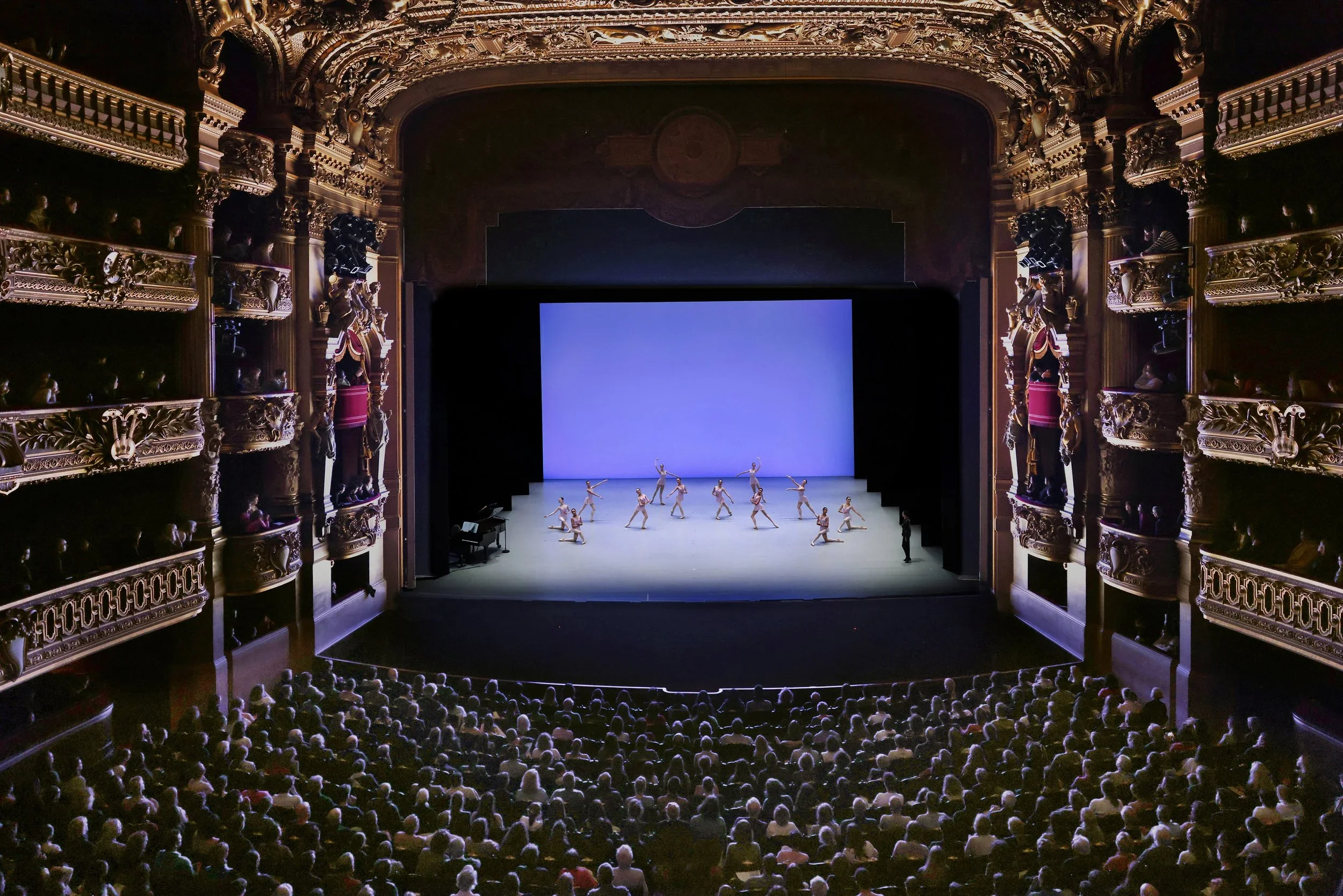
From Prix de Lausanne finalist to student at the Paris Opera Ballet School, Chloe Helimets reflects on French technique, the legendary défilé at the Palais Garnier, and what it takes to refine speed, precision, and elegance at sixteen. Check out her exclusive interview with TWoA now.
Were Degas’ dancers monstrous, animalistic social climbers–or misunderstood performers? TWoA reframes ballet in Degas’ oeuvre as a demanding art of movement, labour, and correction. It gives both him and his dancers the credit they are due. Read on for more.
As geopolitical tensions once again draw global attention to Greenland, its cultural history offers a revealing counterpoint. For over four millennia, Greenlandic Inuit communities have used drum song and dance not only for ritual and social life, but also as a structured, non-violent way to resolve disputes. In a drum duel, restraint—not aggression—determined the outcome, leaving judgment to the community rather than to force.
Often credited with shaping ballet in America, George Balanchine transformed classical tradition through musicality, abstraction, and athleticism. From his early training in Imperial Russia to his collaborations with the Ballets Russes and the founding of New York City Ballet, his career spans continents and artistic movements. This article explores how Balanchine’s neoclassical vision redefined what ballet could be.
Across continents and centuries, dance becomes a shared language of hope as communities greet the winter solstice. TWoA traces the radiant lineage from Iranian Yalda nights and Nordic Lucia processions to Peru’s revived Incan Inti Raymi, revealing how movement carries light through the year’s darkest threshold.
The Nutcracker may feel like an eternal Christmas fixture, but its history is full of doubt, crisis, and unexpected brilliance. TWoA traces the ballet’s journey from Tchaikovsky’s reluctance and Ivanov’s quiet ingenuity to Balanchine’s dazzling New York revival, revealing the hidden stories behind the world’s most beloved holiday ballet.
Agrippina Vaganova, the woman behind the world-famous ballet method, almost faced arrest under Stalin’s regime. Read how she survived a political crackdown that targeted many artists of her time.
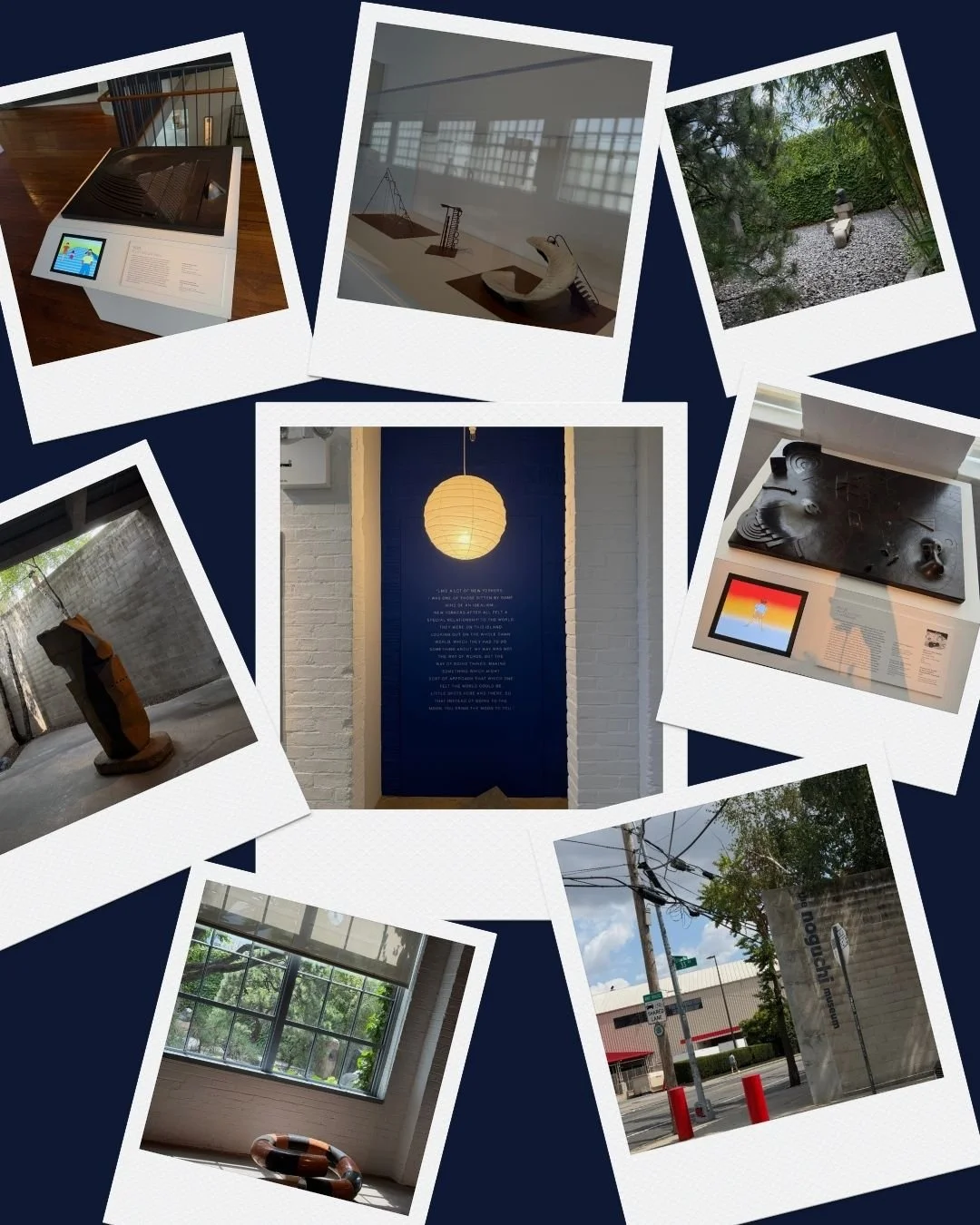
It was in the artistic milieu of Greenwich Village that Modern Dance icon Martha Graham met Isamu Noguchi (1904-1988), the Japanese-American sculptor who would become her longtime collaborator. Read on to find out more.
Television keeps trying to bottle the world of ballet, and most attempts slip through the frame. In this article, TWoA looks at Étoile and why a series filled with extraordinary dancers still couldn’t capture movement, risk, or the pulse that keeps artists glued to old rehearsal clips. Read on for a clear look at what televised dance needs—and why so few shows manage it.
Music
Is music simply organised sound—or something more elusive? From John Cage to Christopher Small’s idea of “musicking,” we explore why the boundary between music and noise is less objective than we might hope. Read on for more.
What happens when singing meets dialogue? Inside a Jerusalem youth choir where Israeli and Palestinian teens rehearse together, share their stories, and learn to stay in the room—especially when it’s hardest. Read on for more.
What happens when pop opens its doors to the orchestra? From ROSALÍA’s baroque-inflected “Berghain” to the symphonic experiments of Laufey and Cody Fry, classical pop is dissolving genre boundaries—and inviting new listeners in.
As geopolitical tensions once again draw global attention to Greenland, its cultural history offers a revealing counterpoint. For over four millennia, Greenlandic Inuit communities have used drum song and dance not only for ritual and social life, but also as a structured, non-violent way to resolve disputes. In a drum duel, restraint—not aggression—determined the outcome, leaving judgment to the community rather than to force.
From Venezuela’s El Sistema to the podiums of the world’s leading orchestras, Gustavo Dudamel’s career has unfolded alongside profound political change. As he prepares to take on the leadership of the New York Philharmonic, questions about art, power, and responsibility follow close behind. This article traces Dudamel’s rise while examining the uneasy space where music, state influence, and public expectation meet.
When orchestral projects took over music school, pianists were left with unexpected free time—and an unusual solution. Enter the Piano Department Film Night: documentaries, lectures, and YouTube deep dives watched on an ancient projector. From Cziffra to Glenn Gould to Juilliard practice rooms, this is a pianist’s guide to what’s worth watching.
Beethoven’s symphonies are often described as profound, moving, and universal—but history complicates that reverence. From Nazi Germany to Stalinist Russia to modern political institutions, his music has repeatedly been co-opted to serve conflicting ideologies. This article asks whether the feeling of being “moved” is as innocent as it seems, or whether its very emptiness makes it dangerously adaptable.
The myth insists that Stravinsky’s score ignited a riot in 1913—but the truth is far more layered. TWoA revisits the premiere of The Rite of Spring, tracing how Nijinsky’s “anti-ballet” choreography, shaky orchestral execution, and a restless Parisian audience collided to create one of modernism’s great origin stories. A deeper look at the night that changed music history, just not in the way we’re told.
In 1967, Ravi Shankar and Yehudi Menuhin created West Meets East, a groundbreaking collaboration that brought Indian classical music into Western mainstream consciousness. But beneath its Grammy-winning success lie deeper questions of influence, appropriation, and cultural power. TWoA explores the friendship between the two virtuosos, the shifting Western fascination with Indian music, and what true cross-cultural learning demands.
Interviews
From Prix de Lausanne finalist to student at the Paris Opera Ballet School, Chloe Helimets reflects on French technique, the legendary défilé at the Palais Garnier, and what it takes to refine speed, precision, and elegance at sixteen. Check out her exclusive interview with TWoA now.
What happens when singing meets dialogue? Inside a Jerusalem youth choir where Israeli and Palestinian teens rehearse together, share their stories, and learn to stay in the room—especially when it’s hardest. Read on for more.
Danae Venson’s music begins where language fails—shaped by jazz, gospel, classical tradition, and the vivid colours of her synesthesia. In this conversation with TWoA, the Juilliard-trained composer reflects on her artistic beginnings, composing through trauma, and discovering a musical vocabulary entirely her own. Read on to discover how she’s shaping the music she always longed to hear.
Balancing a dance career with an academic degree sounds impossible until you hear Anastasia Cheplyansky explain how she did both. In this article, TWoA looks at her path from Atlanta Ballet to Dutch National Ballet, and how studying psychology reshaped her approach to training, pressure, and performance.
What really shapes an opera—is it simply the music, or also the eye that decides how a performance should be seen? Stage director Gilles Rico sits down with TWoA to explain how ideas, images, and instincts give a production its spine. Read on.
For many years, Zenaida Yanowsky was one of The Royal Ballet’s most singular principals—rigorous, magnetic, impossible to forget. Now a coach shaping dancers across major companies, she speaks with TWoA about precision, presence, and the quiet authority behind great performance. Read on.
Lea Brückner is a violinist, moderator and climate ambassador who has carved out a unique career for herself, combining her passion for music with her commitment to sustainability. TWoA talked to Lea about the role culture can play in the battle against climate change, and about the specific steps cultural organisations can take towards becoming more sustainable.
Paris Opera Ballet’s Chun-Wing Lam is probably the only dancer in the world to combine a successful dance career with running his own wealth management firm. TWoA talked to Chun about moving from Hong Kong to Paris when he was fourteen, about the unique promotion system at the Paris Opera Ballet, and about the artistic and mental benefits of having two careers at the same time.
Rhyuhn Green is an 18-year-old composer and pianist on a mission to turn classical music into a true cultural melting pot. In this conversation, the Juilliard Kovner Fellow shares his journey from rock stages to Carnegie Hall, the ideas behind his debut album ph3onix3s, and his hopes for the future of the classical arts.
Artist Spotlight
Seventeen-year-old Malaysian painter Danya Adriana turns heritage, architecture, and city life into bold abstract worlds. Read on to see Malaysia through her eyes.
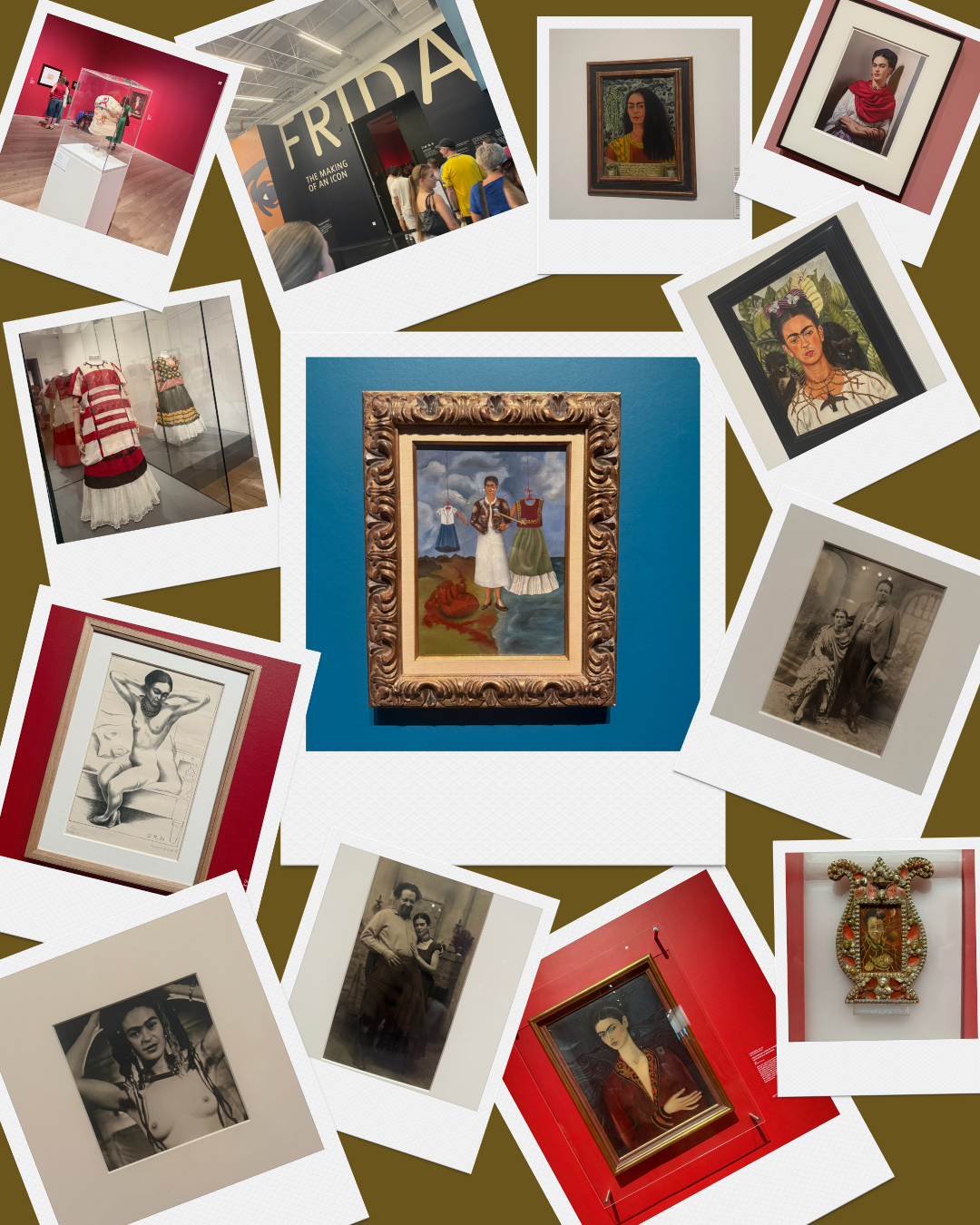
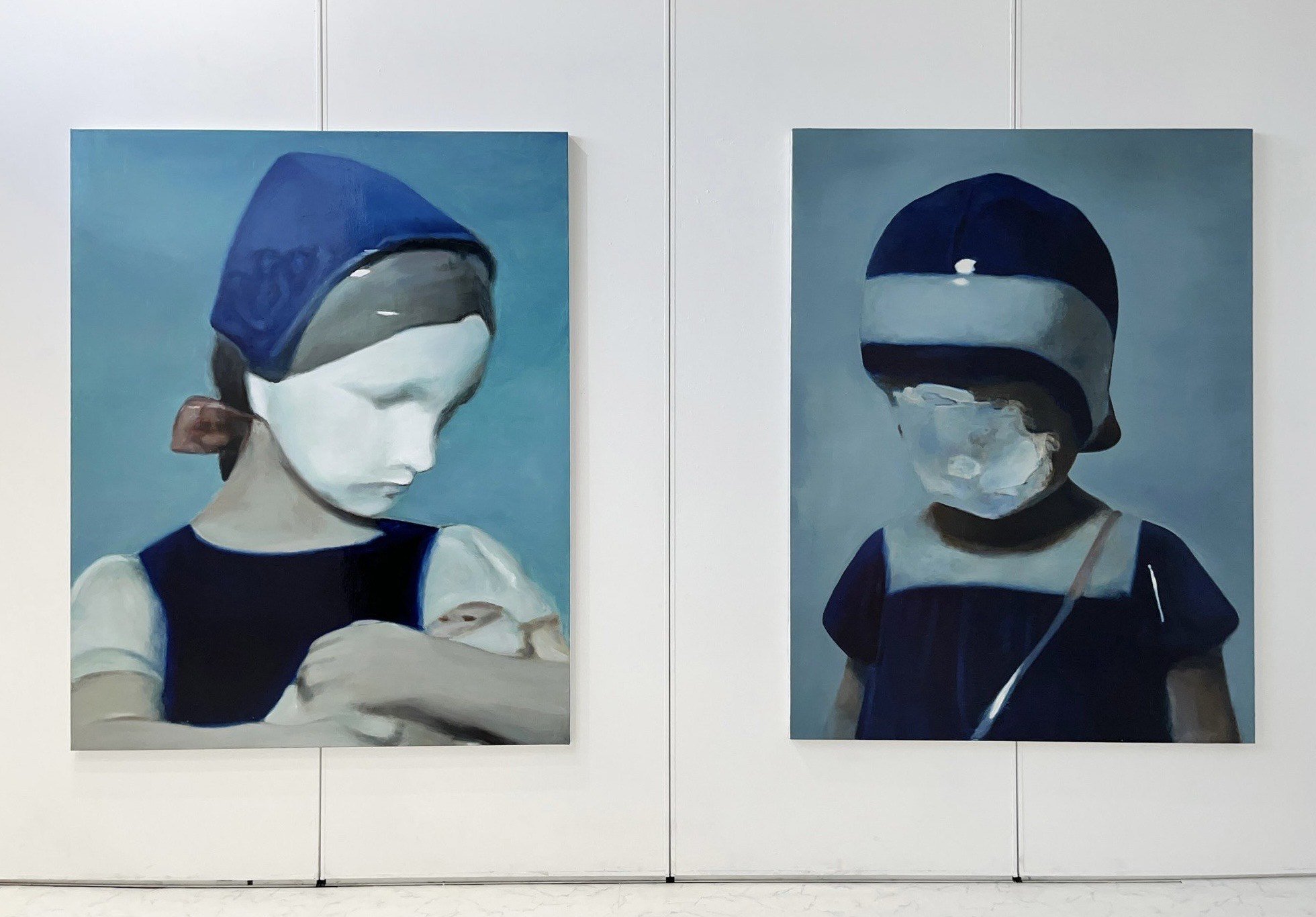
Guest artist Long YuJun explores gender and sexual diversity through a deeply personal, emotional lens, using texture, fragment, and colour to question fixed identity. Read on.
Guest artist Mikako Ohmatsu treats memory as a luxury material: fragile, elusive, and always on the verge of dissolving. Through faded photographs, translucent skins, and locket-sized relics, she constructs quiet, intimate worlds where the past flickers in and out of view. Read on.
Contemplate the tension between external perception and inner selfhood through the work of Kazuto Muraki, a Tokyo University of the Arts painter whose still, grain-textured images explore the fragile border between memory and identity.
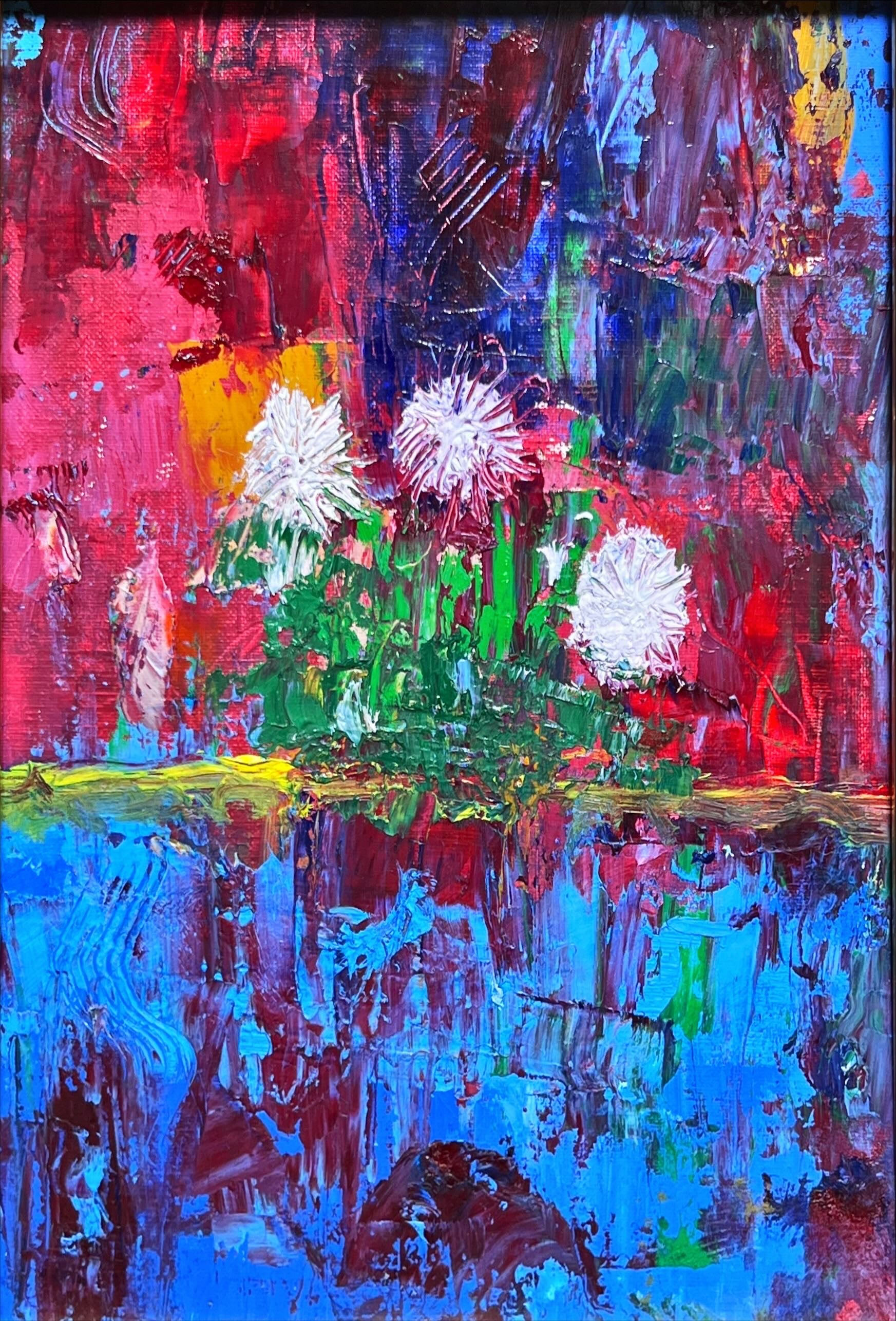
Meet Motomitsu Fujiwara, the rising Tokyo University of the Arts painter whose canvases blend spiritual memory, Indigenous history, and a belief that true art speaks beyond language. From dandelions as divine messengers to mammoths roaming sacred Uluru, Fujiwara’s work reimagines faith, childhood, and primal expression for a contemporary world hungry for meaning. A quietly electrifying TWoA spotlight on an artist you’ll want to follow now.
How can art reclaim the female body from imposed expectations? In this guest contribution, Emma Cormier Simola, a student at the Courtauld Institute of Art, reflects on her sculptural and photographic work exploring the female experience, sexism, and self-representation—inviting women to take control of their own image and challenging the gaze that has long defined them.
How does illustration bridge imagination, storytelling, and artistic technique? In this guest feature, Joseph Cornelius, an 18-year-old illustrator and Courtauld Institute of Art student, reflects on his creative process, influences ranging from cartoons to Studio Ghibli, and why illustration remains a powerful and often underestimated form of visual expression.
How can constraint become a source of freedom? TWoA explores how Daniel Liu, a composer at Clare College, University of Cambridge, builds a “musical machine” from repetition, permutation, and intuition—drawing on precedents from Igor Stravinsky and Michael Tippett to reflect on process, structure, and memory in contemporary composition.
For Ginevra Mastrocola, art is both refuge and reckoning. In Monomania, created while still a student at the Brera Academy of Fine Arts, she stages a sparse, meditative installation that asks viewers to sit with silence, uncertainty, and the fear of creative inadequacy — revealing how vulnerability itself can become a material for making.
Learn Our Story
What began as a mother-and-daughter passion project has grown into the world’s largest Gen Z–focused arts magazine.
City Letters
Rain, empty seats, and a changed programme set the scene. What followed was a fragile, powerful encounter with Mischa Maisky—part concert, part reckoning with resilience, ageing, and what it means to return to music after the body almost gives in. Read on for more.
From Vogue photoshoots to pictures taken in Hitler’s bathtub, Lee Miller’s exhibition at Tate Britain was not what I expected. Read on to discover the erotics, travels, and violence of photography–and find out how a woman’s work defined 20th-century photography.
Join our New York correspondent on a crisp walk through Midtown Manhattan and greet Christmas with the Queen of the Night at the Metropolitan Opera.
Get Daily Updates on Instagram
Best of the Archive
Narrow Escape from the Nazis: Max Bruch’s “Kol Nidrei”
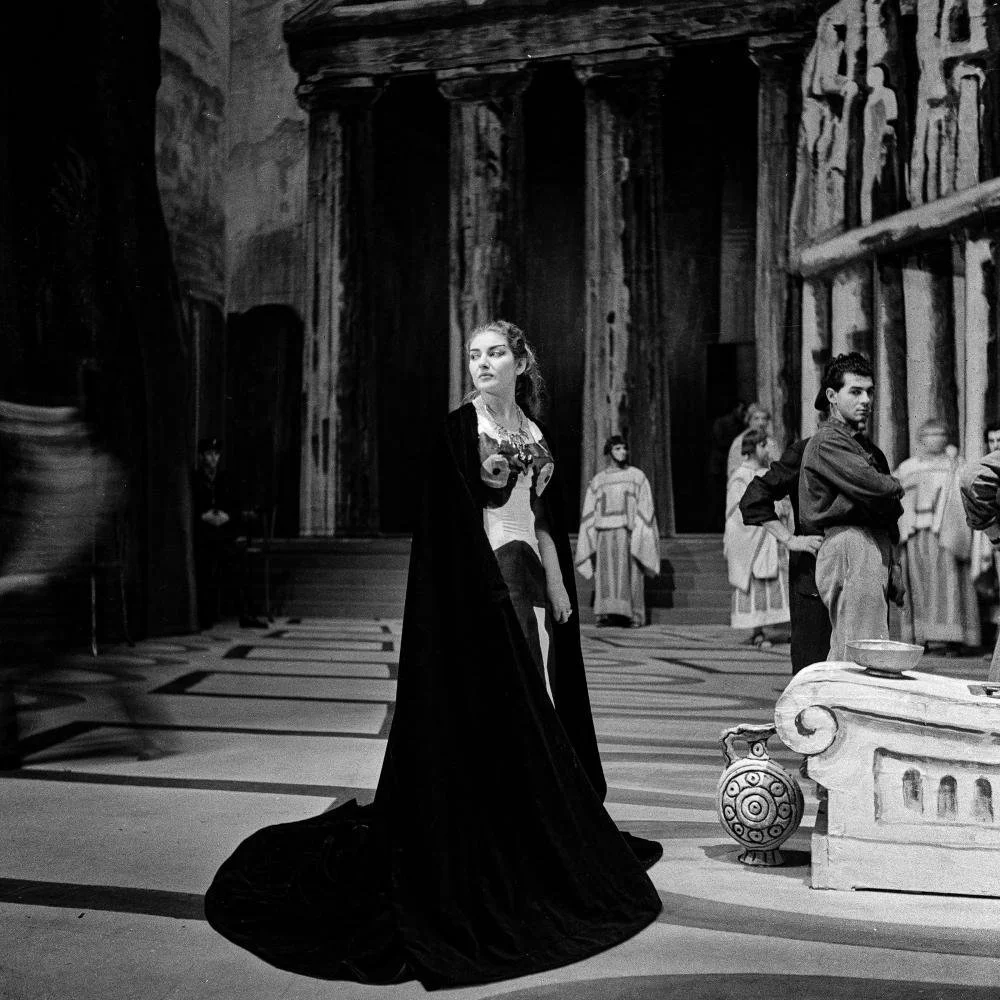
Maria Callas: La Divina - The Divine
Uncanny Valley: The Art Behind TikTok’s Creepiest Trend
Reclaiming Venus: How We Misunderstand Beauty
Secret Ballet History: Agrippina Vaganova’s Narrow Escape From Arrest
Isabella McGuire Mayes: Life Lessons from Great Teachers
Finding Unity Amidst Conflict: The Intersection of Art and Human Rights


From Prix de Lausanne finalist to student at the Paris Opera Ballet School, Chloe Helimets reflects on French technique, the legendary défilé at the Palais Garnier, and what it takes to refine speed, precision, and elegance at sixteen. Check out her exclusive interview with TWoA now.