Interviews
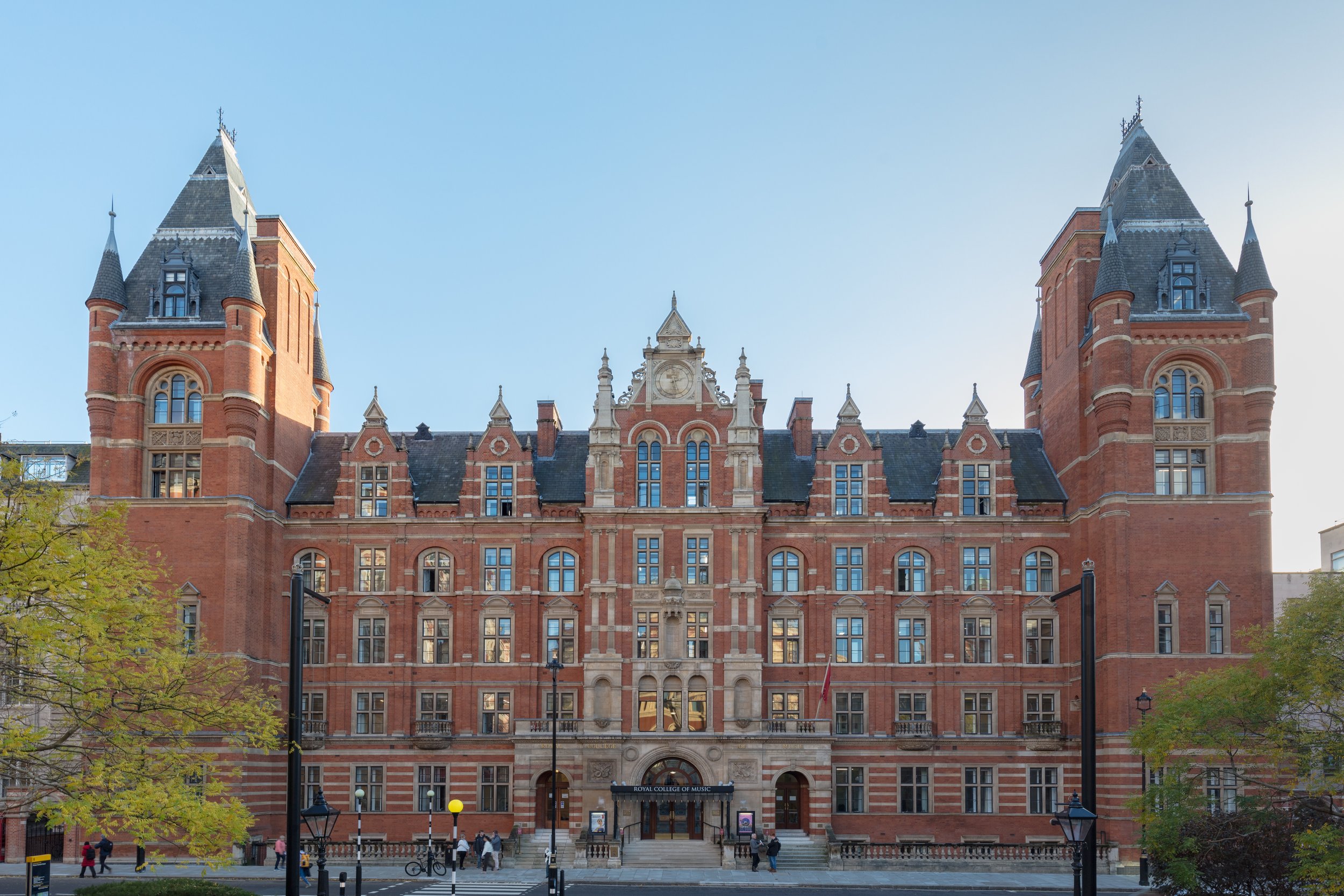
The conservatoire was built for a rather different music industry: one without Instagram, portfolio careers or much talk of work-life balance. Three Royal College of Music musicians consider what the institution gets right — and what still needs to catch up.
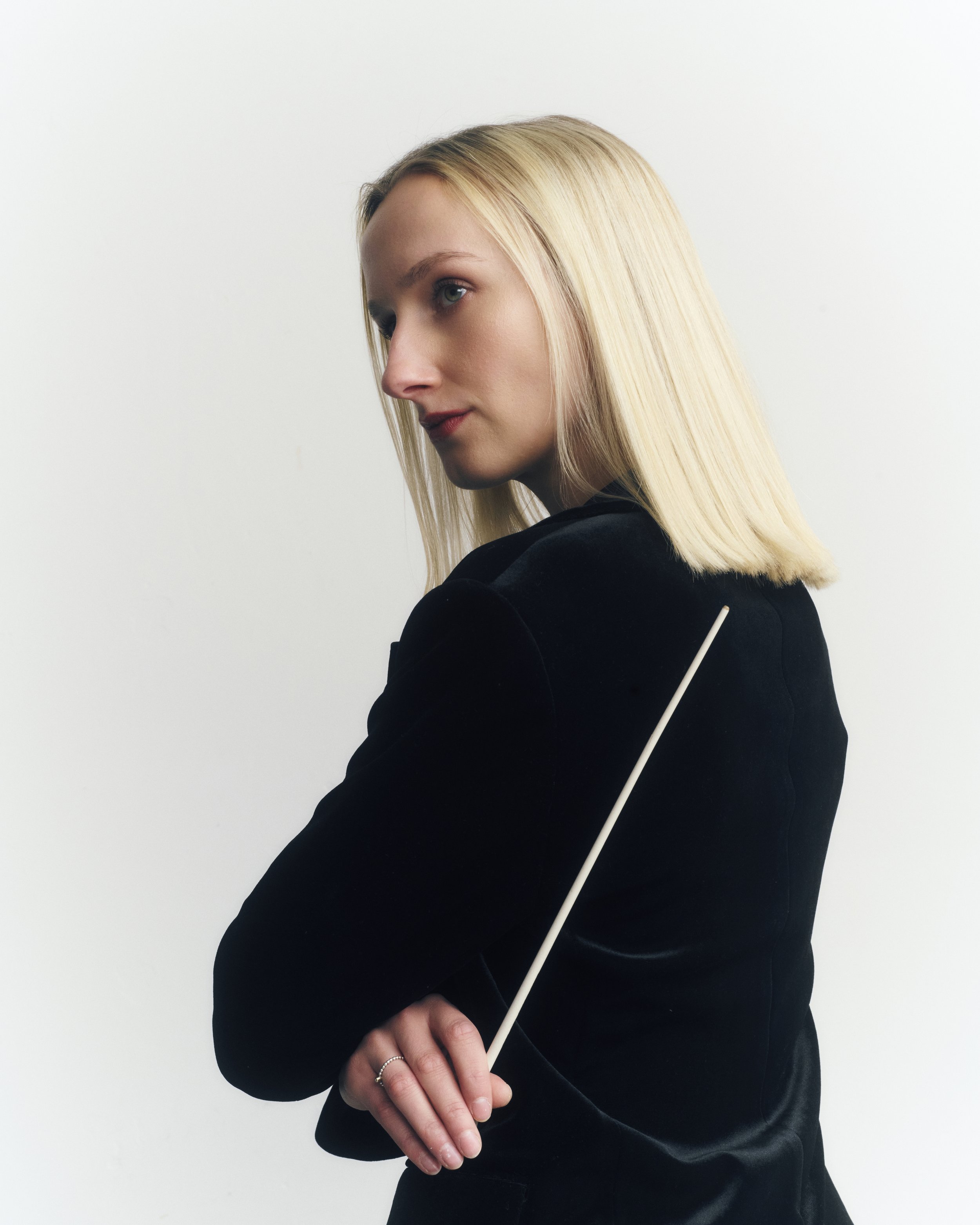
In an exclusive interview with TWoA, Latvian conductor and cellist Margarita Balanas reflects on building new audiences, founding ANONIMI, and embracing social media. She also shares why the future of classical music depends not on defending tradition, but on inviting curiosity. Read on for more.
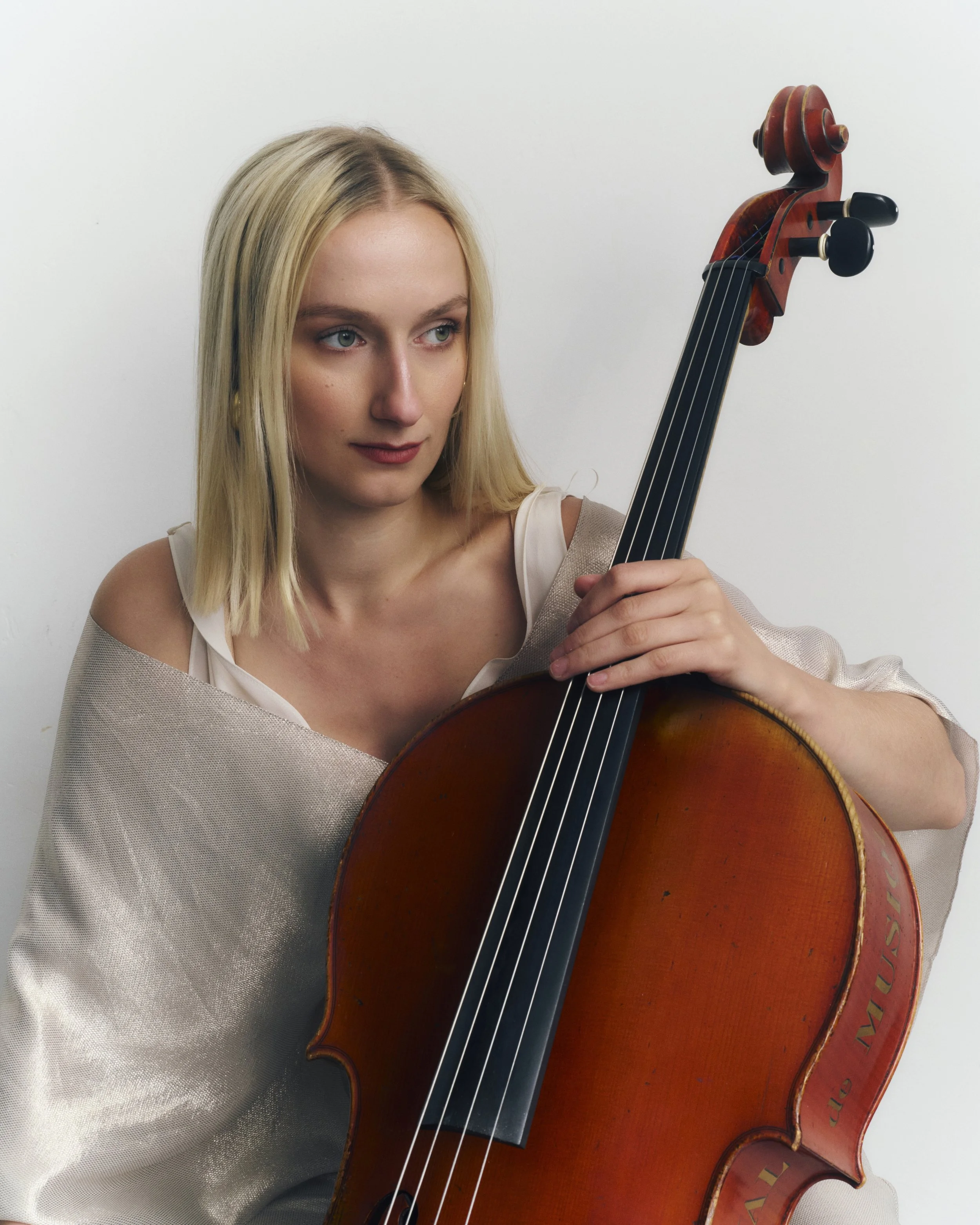
From busking on the streets of Latvia to conducting major orchestras and performing as a soloist, Margarita Balanas reflects on ambition, resilience, and why saying yes before you feel ready can change the course of a musical career. Read more in Part I of our exclusive interview.
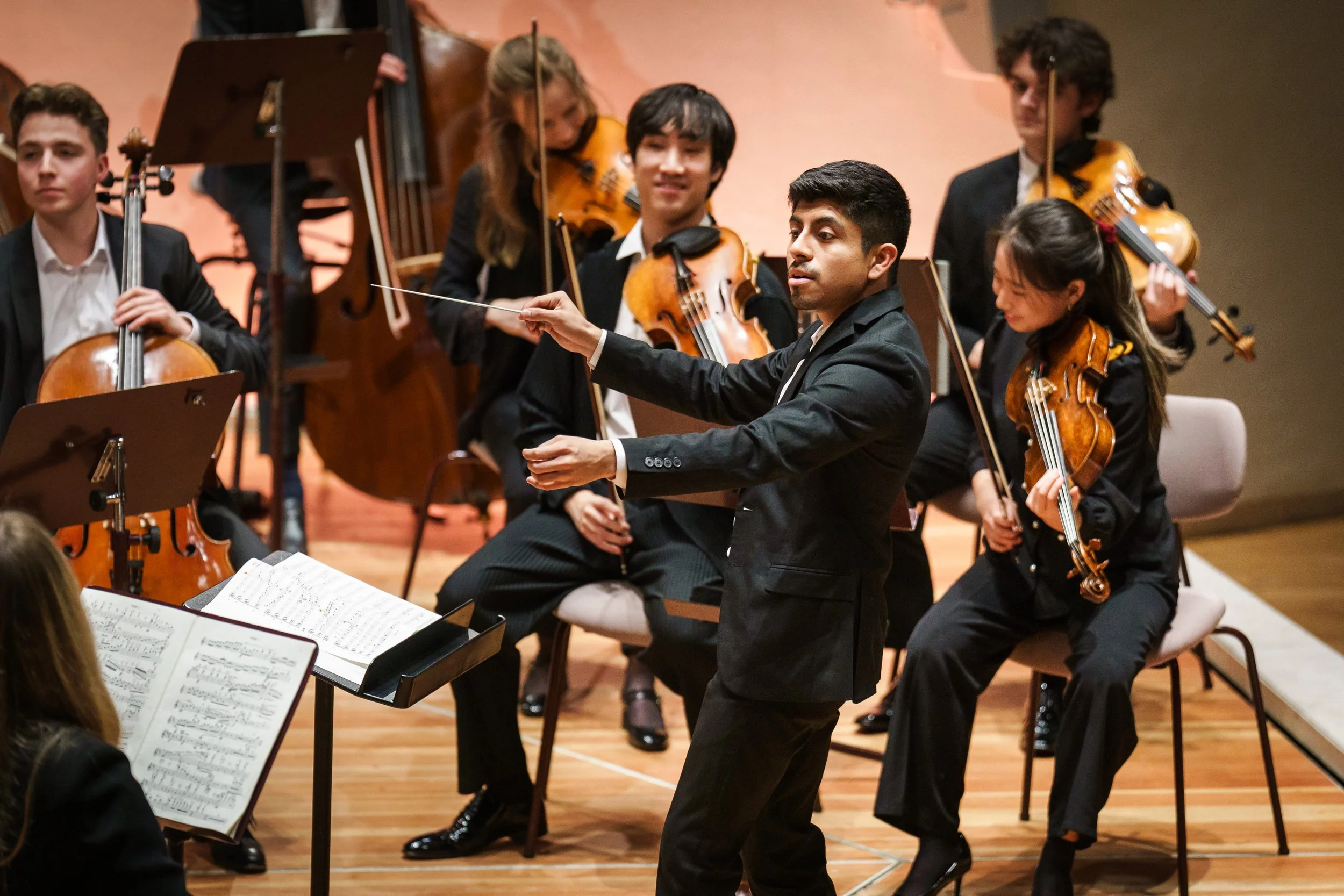
Dayner Tafur-Díaz did not grow up inside Europe’s conservatory system, nor follow the usual trajectory of a musical prodigy. Now a Siemens Conductors Scholar at the Karajan-Akademie of the Berliner Philharmoniker, assisting Kirill Petrenko, he reflects on moving from Peru to Berlin, learning to conduct by accident, and discovering how orchestral sound is shaped from within one of the world’s most distinctive musical traditions. Read on for more.

From Prix de Lausanne finalist to student at the Paris Opera Ballet School, Chloe Helimets reflects on French technique, the legendary défilé at the Palais Garnier, and what it takes to refine speed, precision, and elegance at sixteen. Check out her exclusive interview with TWoA now.

What happens when singing meets dialogue? Inside a Jerusalem youth choir where Israeli and Palestinian teens rehearse together, share their stories, and learn to stay in the room—especially when it’s hardest. Read on for more.
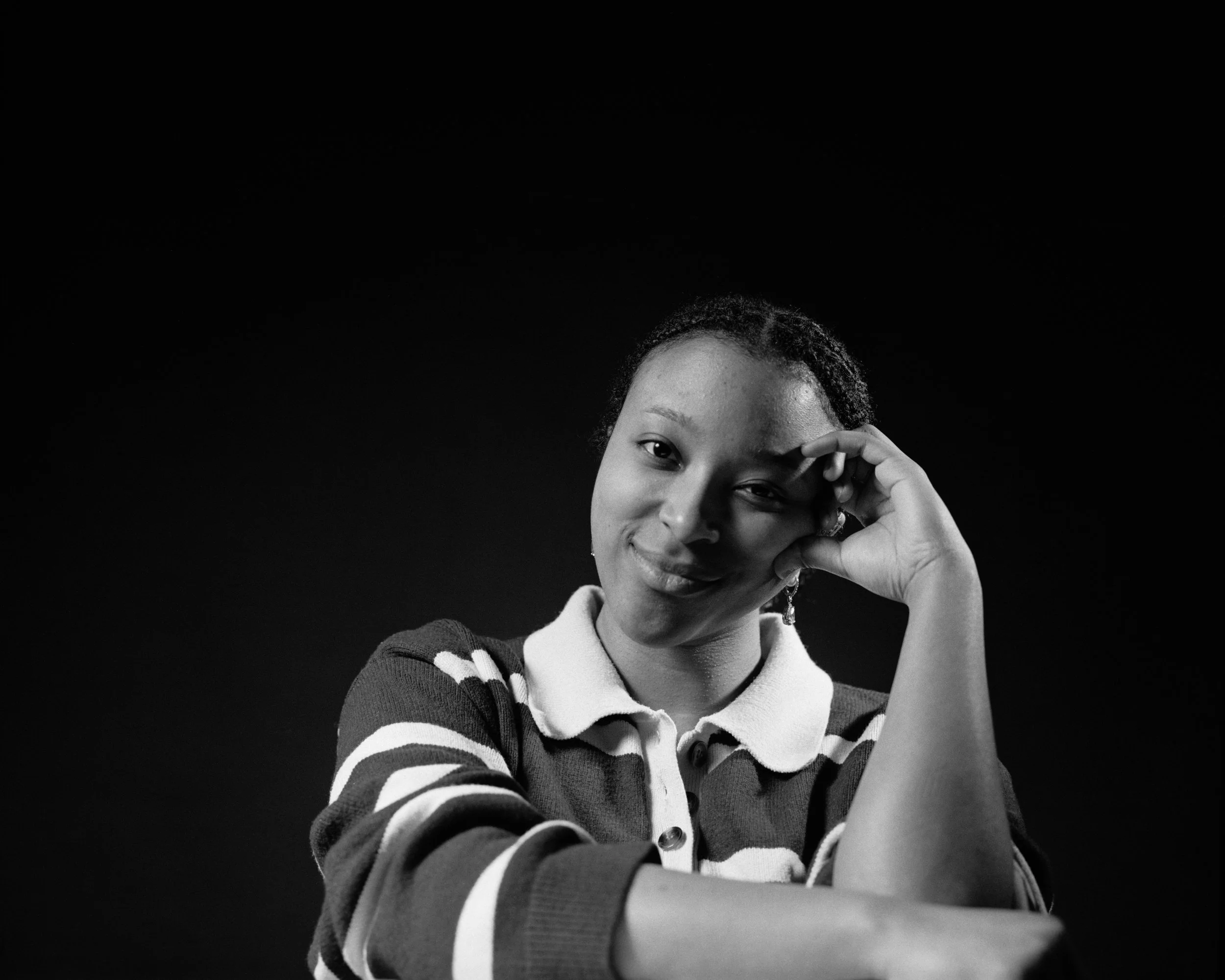
Danae Venson’s music begins where language fails—shaped by jazz, gospel, classical tradition, and the vivid colours of her synesthesia. In this conversation with TWoA, the Juilliard-trained composer reflects on her artistic beginnings, composing through trauma, and discovering a musical vocabulary entirely her own. Read on to discover how she’s shaping the music she always longed to hear.
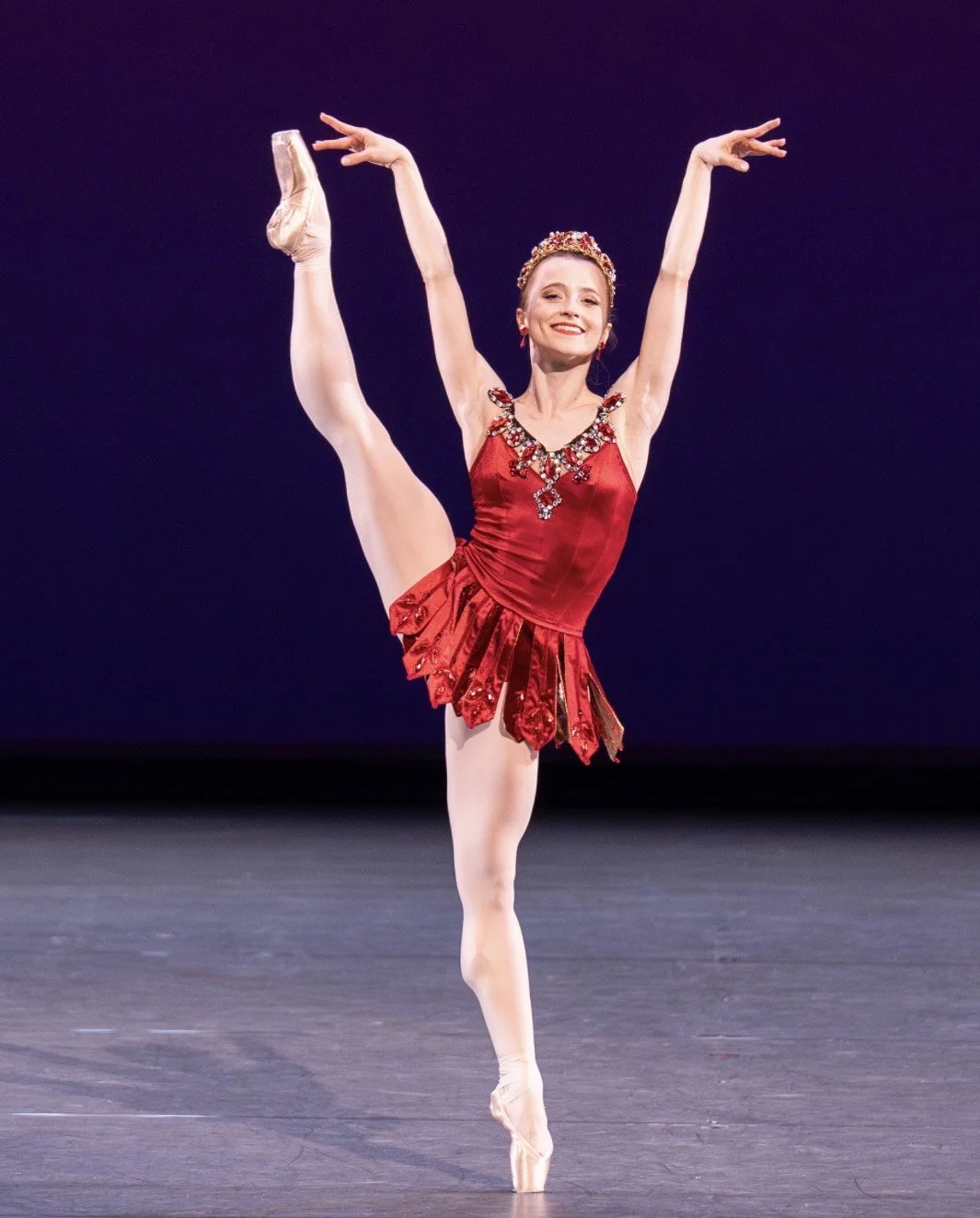
Balancing a dance career with an academic degree sounds impossible until you hear Anastasia Cheplyansky explain how she did both. In this article, TWoA looks at her path from Atlanta Ballet to Dutch National Ballet, and how studying psychology reshaped her approach to training, pressure, and performance.

What really shapes an opera—is it simply the music, or also the eye that decides how a performance should be seen? Stage director Gilles Rico sits down with TWoA to explain how ideas, images, and instincts give a production its spine. Read on.
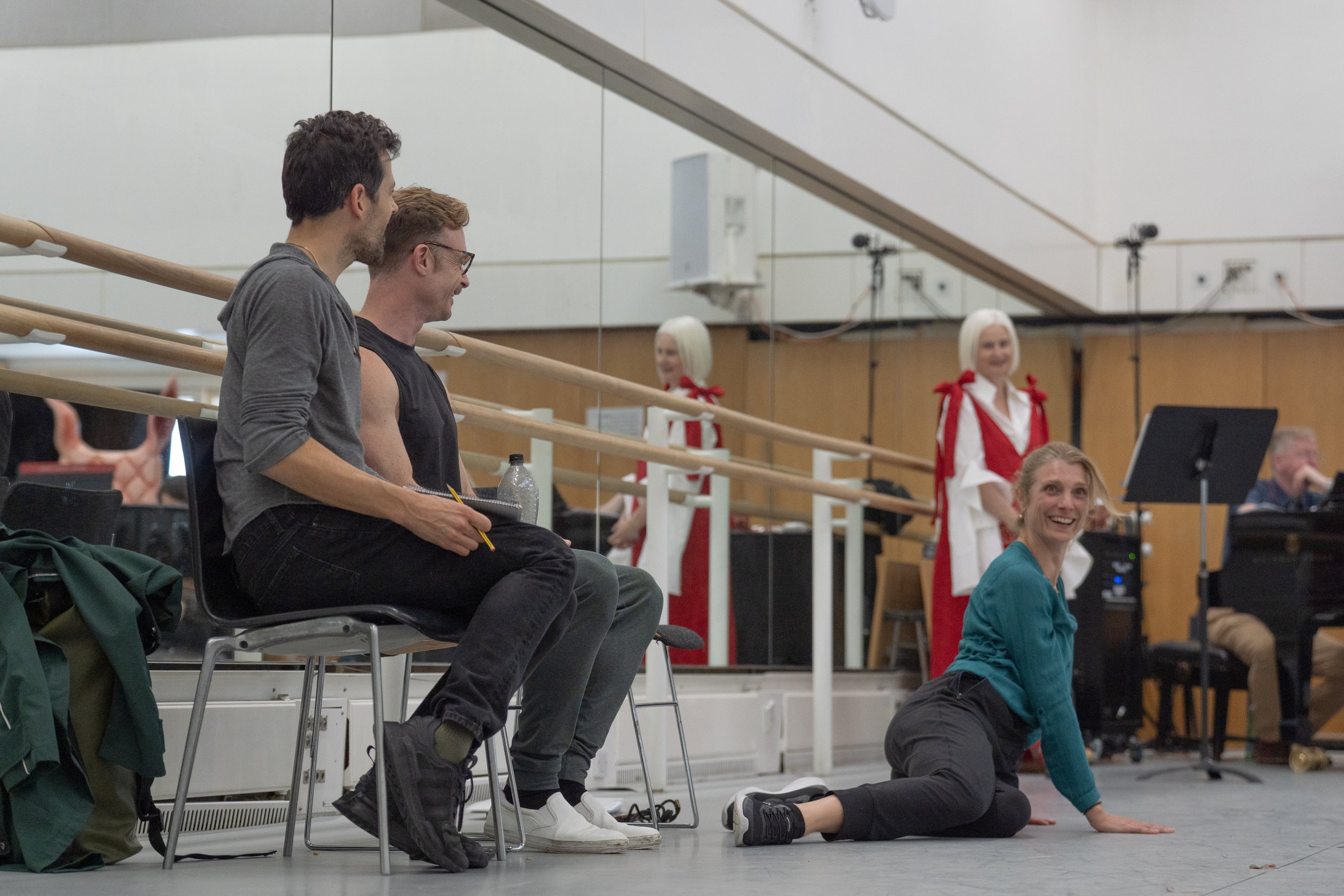
For many years, Zenaida Yanowsky was one of The Royal Ballet’s most singular principals—rigorous, magnetic, impossible to forget. Now a coach shaping dancers across major companies, she speaks with TWoA about precision, presence, and the quiet authority behind great performance. Read on.

Lea Brückner is a violinist, moderator and climate ambassador who has carved out a unique career for herself, combining her passion for music with her commitment to sustainability. TWoA talked to Lea about the role culture can play in the battle against climate change, and about the specific steps cultural organisations can take towards becoming more sustainable.
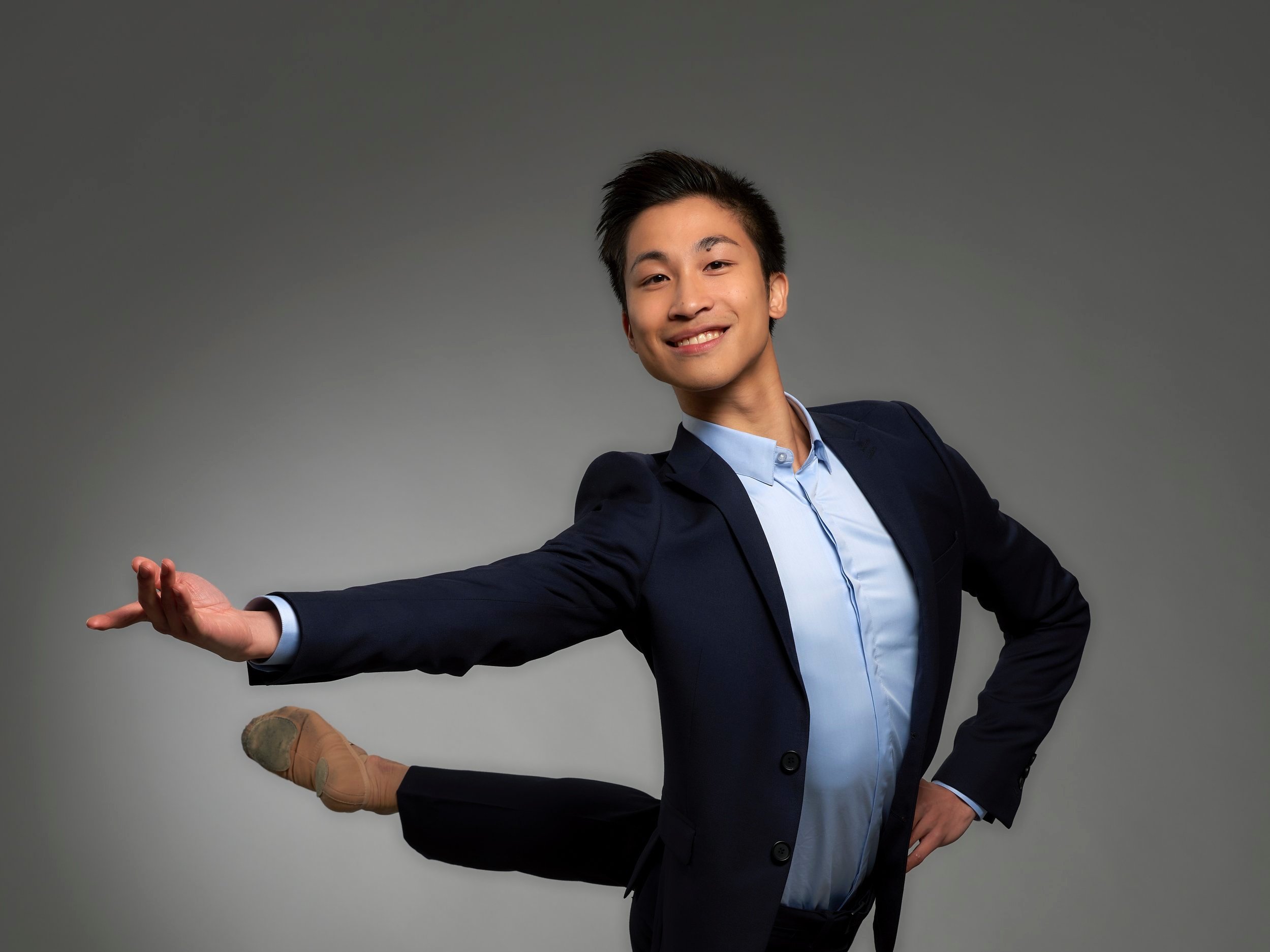
Paris Opera Ballet’s Chun-Wing Lam is probably the only dancer in the world to combine a successful dance career with running his own wealth management firm. TWoA talked to Chun about moving from Hong Kong to Paris when he was fourteen, about the unique promotion system at the Paris Opera Ballet, and about the artistic and mental benefits of having two careers at the same time.

Rhyuhn Green is an 18-year-old composer and pianist on a mission to turn classical music into a true cultural melting pot. In this conversation, the Juilliard Kovner Fellow shares his journey from rock stages to Carnegie Hall, the ideas behind his debut album ph3onix3s, and his hopes for the future of the classical arts.

Fifteen-year-old Chloe Helimets, a third-generation ballet dancer and two-time YAGP Youth Grand Prix winner, is one of just eighteen Americans selected for the Prix de Lausanne 2025. In this interview, she speaks about growing up in a ballet family, preparing for the world’s most prestigious competition, and learning to balance artistry, pressure, and passion.

Fedor Dostoevsky’s dark psychological novel Crime and Punishment is a masterpiece of world literature. Last autumn, you could find it in the dance bags of many dancers at American Ballet Theatre: choreographer Helen Pickett and co-director James Bonas were turning the book into a ballet for American Ballet Theatre. The company will perform the production at the John F. Kennedy Center for the Performing Arts ins Washington on 12-16 February 2025. TWoA talked to ABT dancer Joseph Markey, who created the part of Luzhin, and who will have his debut as Raskolnikov in Washington.
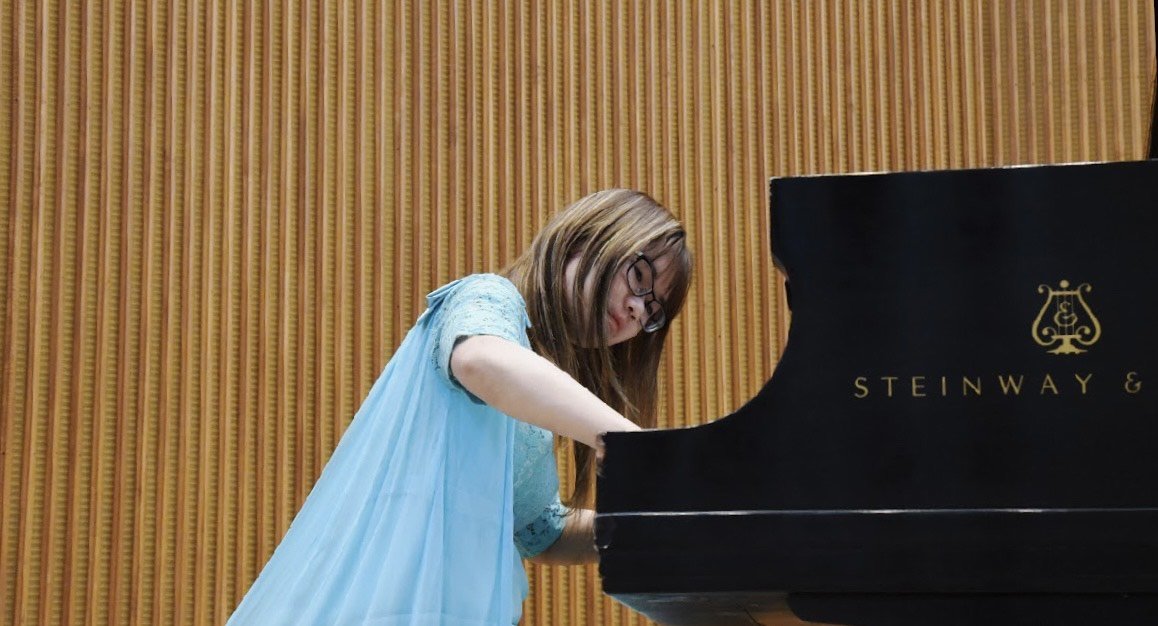
Rae Yue Pung, a 21-year-old Singaporean pianist who has just released her debut album Piano Sonatas, speaks to TWoA about growing up in Singapore’s young classical-music scene, her unconventional path through elite training abroad, and the complex journey from precocious child musician to independent, mature artist.
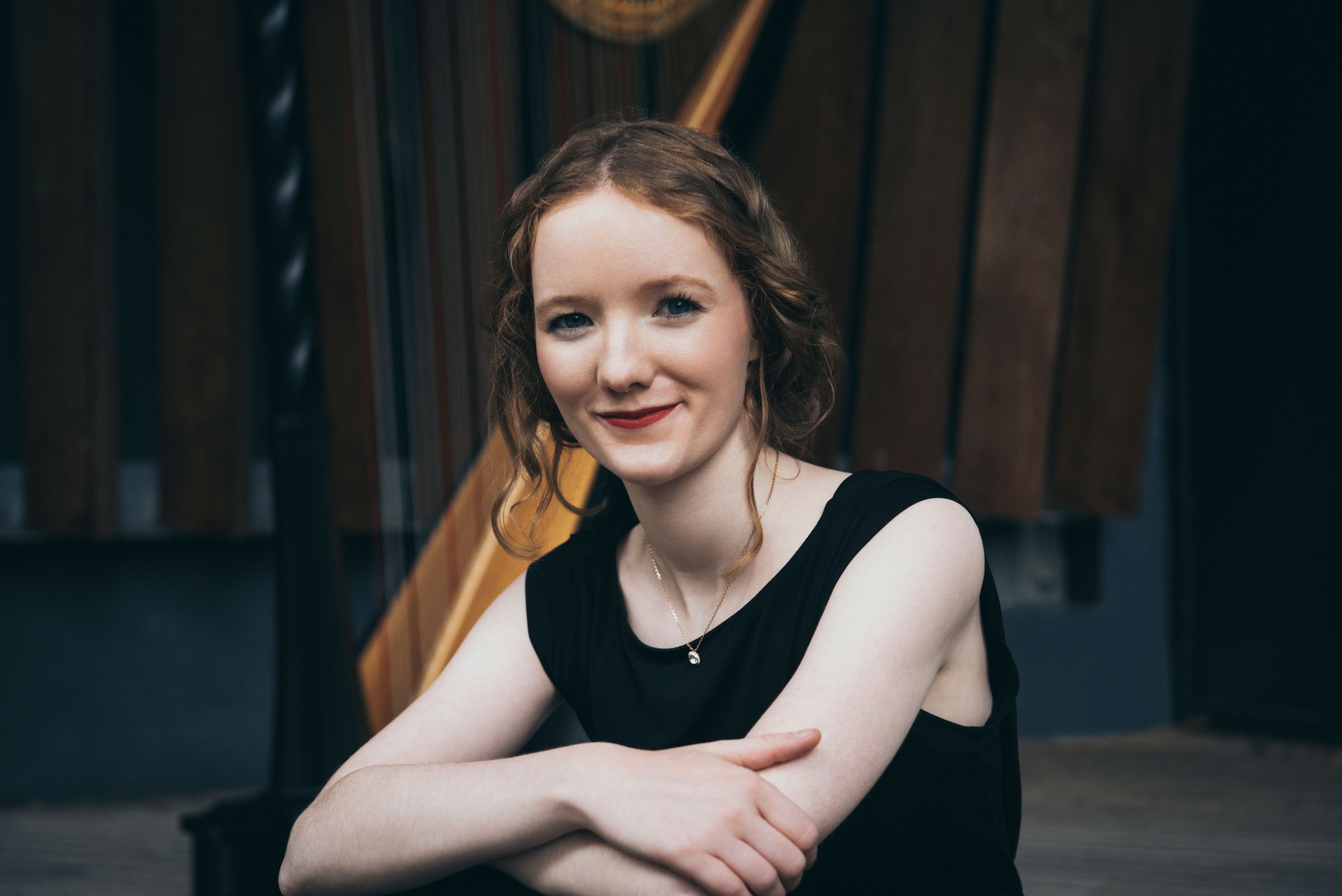
Former Royal Harpist Alis Huws has played for kings, emperors, and global audiences—but her most meaningful performances often happen far from the spotlight. Raised in Welsh-speaking Wales, where the harp is woven into daily life, Huws reflects on blind medieval bards, royal tradition, and the instrument’s quiet power to heal. From the coronation of King Charles III to dementia care homes and special-needs schools, she makes a compelling case for a 21st-century classical musician: one who doesn’t wait for audiences to come to the concert hall, but brings music directly to the people who need it most.

How does a 19-year-old dancer navigate the leap from international competition to professional life? Prize-winning ballerina Paloma Livellara Vidart reflects on her journey from Buenos Aires to Monaco and New York, her award-winning performance at the Prix de Lausanne 2024, and her first weeks dancing with American Ballet Theatre Studio Company, sharing thoughtful insights on growth, self-belief, and finding joy in the early stages of a professional career.

What happens when a classical composer reimagines a familiar sound through centuries of musical style? Pianist and content creator Nahre Sol discusses her project of composing variations on the iPhone ringtone “Opening,” created during her residency at Hamburg’s Elbphilharmonie, and reflects on musical style, composition, and why listening closely matters more than ever.
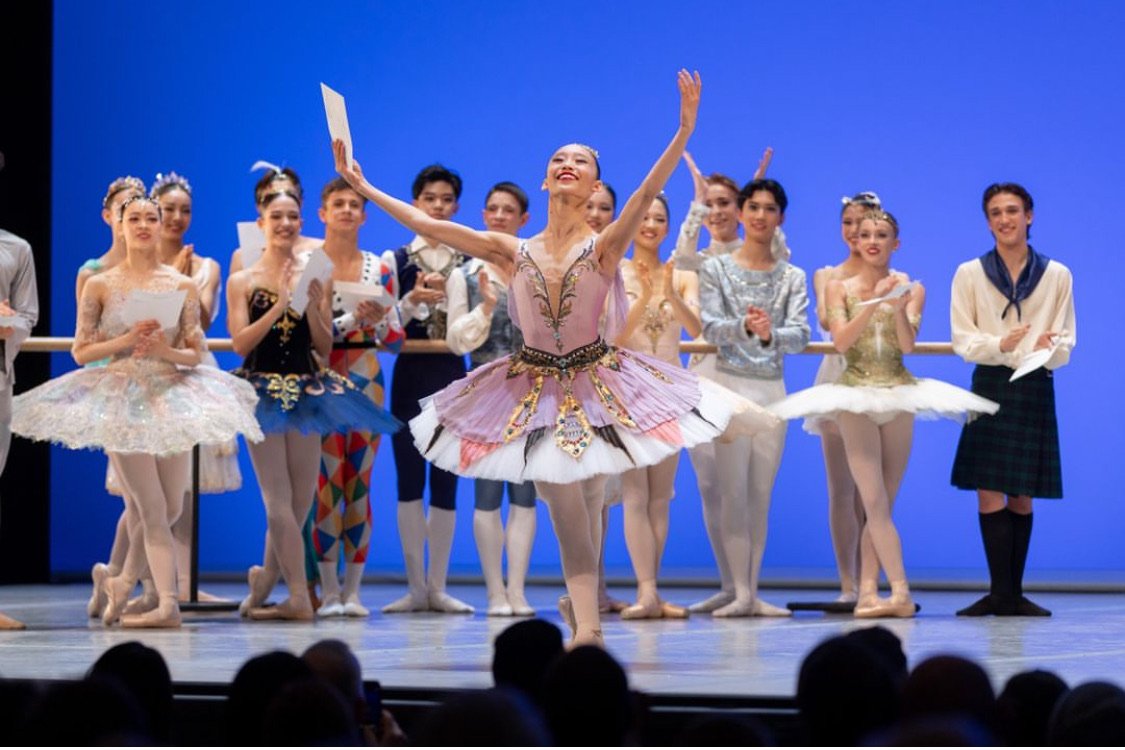
Crystal Huang, 15, is having a remarkable year. Until just two years ago, she was training primarily in commercial dance—but in 2024 she emerged as a prize winner at the Prix de Lausanne, one of the world’s most prestigious international ballet competitions. She also claimed top awards at Youth America Grand Prix 2024, YoungArts (Dance/Ballet), and the Grand Prix at the South Africa International Ballet Competition. TWoA spoke with Crystal about her unconventional journey and the lessons she’s learned about succeeding at competitions—onstage and beyond.

In a conversation with Spencer Rubin, TWoA explores the realities of building a contemporary classical career around one of music’s most demanding instruments. A student at The Juilliard School, Rubin reflects on his musical journey, from competition stages and solo appearances with orchestras to the painstaking craft of reed-making. Beyond the concert hall, TWoA also looks at how Rubin uses social media to demystify the oboe and open classical music to new audiences, navigating tradition, visibility, and virtuosity in equal measure.

In the second part of its conversation with performance psychologist Noa Kageyama, TWoA turns to the quieter work behind strong performances: practicing confidence, reframing anxiety, and learning how to stay resilient over the long arc of a musical life. Drawing on sport psychology and lived experience, Kageyama reflects on growth, patience, and what it really means to become “bulletproof.”

Performance psychologist Noa Kageyama, who teaches at The Juilliard School, reflects on how performers can work with pressure rather than against it, drawing on sport psychology to rethink anxiety, confidence, practice, and mental resilience. Read on for more.

When a last-minute casting upends months of preparation, TWoA explores how Yuka Iwai, principal soloist at K-Ballet Tokyo, prepared to step into Giselle with just two weeks’ notice—reflecting on pressure, partnership, and the fragile balance between instinct and control in an unexpected debut.

How does a composer find her voice between cinema, concert hall, and social media? TWoA explores how Eunike Tanzil draws inspiration from Star Wars and John Williams, turns hummed melodies into symphonic music, and carves out a distinctive artistic path following her signing with Deutsche Grammophon.

How do you prepare for a Swan Lake debut—one of classical ballet’s most demanding double roles? TWoA talks to Mariko Sasaki, First Soloist with The Royal Ballet, about stepping into Odette and Odile for the first time, shaping character and partnership with Joseph Sissens, and navigating the emotional and technical marathon of Swan Lake.

For Tiffany Poon, music is a space for thinking as much as feeling. In conversation around her new album Diaries: Schumann, the pianist reflects on childhood, philosophy, and the value of daydreaming — tracing how Robert Schumann’s music became a framework for questions about identity, creativity, and what it means to grow into oneself as an artist.

For pianist and educator Benal Tanrısever, music is not about flawless execution but imaginative communication. Trained at The Juilliard School and shaped by an international performing career, Tanrısever speaks with TWoA about education, ambition, and why music should belong to everyone—not just professionals.

What does it mean to dance an instrument rather than a character? In this TWoA interview, Marcelino Sambé discusses creating the role of “The Instrument” in The Royal Ballet’s The Cellist, choreographed by Cathy Marston. Reflecting on loss, embodiment, and musical intimacy, Sambé reveals how movement, sound, and emotion merge in this haunting tribute to cellist Jacqueline du Pré.
Canadian pianist Ryan Wang just started the Harvard-New England Conservatory Dual-Degree program. TWoA talked to Ryan about attending Eton, the importance of every musician experiencing life in many different ways, his unorthodox method for combating performance anxiety, sunsets and much more. Get ready for a smile on your face.