THE MAGAZINE

AI as an Artifical Brush: Refik Anadol
In AI as an Artificial Brush, Turkish-American artist Refik Anadol reimagines painting for the algorithmic age. Drawing on machine learning, memory, and data, his hypnotic works—seen at institutions like Museum of Modern Art—blur the line between human imagination and artificial “dreaming,” asking whether creativity can exist without the human hand.

In Defense of Dogs Playing Poker
Long dismissed as kitsch, Dogs Playing Poker has become one of the most recognisable images in American visual culture. In this sharp, good-humoured essay, Tamar Avishai revisits Cassius Marcellus Coolidge’s iconic painting A Friend in Need (1903), arguing that pleasure, accessibility, and humour have always had a place in art. Moving between connoisseurship and popular taste, the piece asks a simple question: why shouldn’t art also be allowed to amuse?
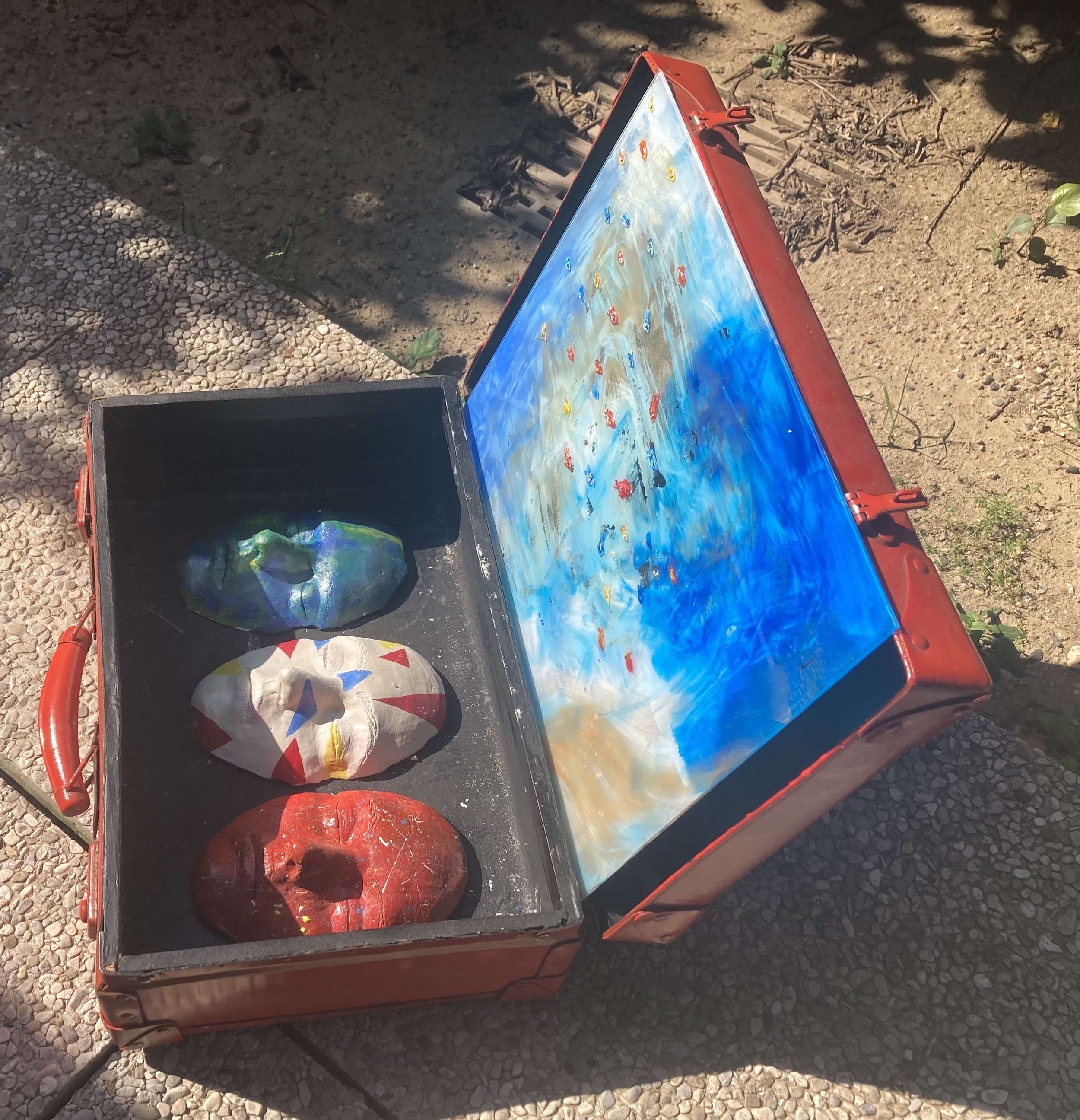
Guest Artist: Sara Cancelliere, Accademia di Brera, Milan, Italy
For 18-year-old artist Sara Cancelliere, art is both a universal language and an intimate act of self-discovery. In this TWoA guest feature, Cancelliere discusses Sogni di un viaggio (2022), a mixed-media self-portrait exploring the idea of the journey—at once physical, emotional, and unconscious. Created while studying at the Accademia di Brera in Milan, the work reflects a young artist’s search for identity through memory, material, and imagination.

Happy Birthday, Pablo Picasso!
Few artists have shaped modern art as profoundly as Pablo Picasso. In this TWoA birthday feature, Melis Seven looks beyond the familiar masterpieces to uncover five lesser-known facts—from Picasso’s precocious childhood to his role in reinventing painting, sculpture, and modern visual language. A concise celebration of an artist whose influence remains impossible to escape.
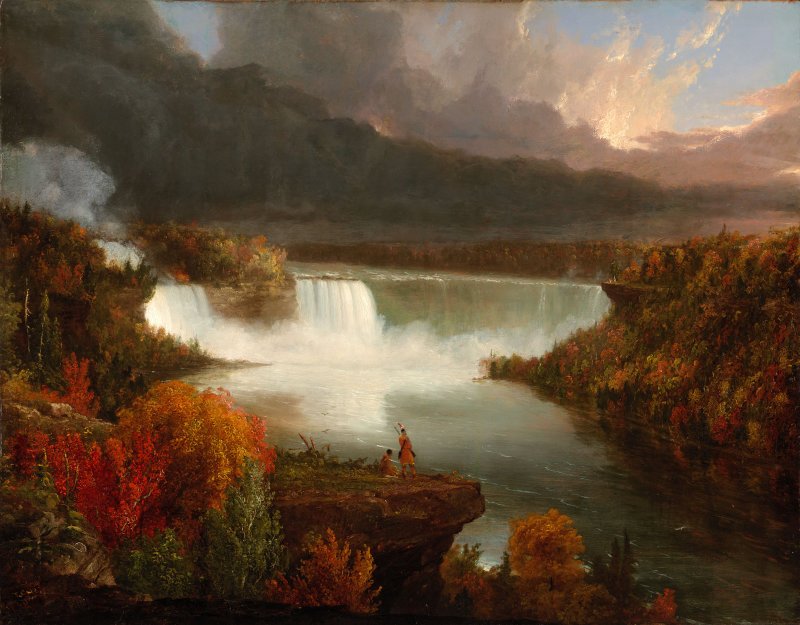
A Glimpse of Autumn
As the seasons shift, landscape painting offers a quiet way to mark the passage of time. In this TWoA reflection, Melis Seven turns to autumnal scenes by Gustave Courbet and Thomas Cole, whose glowing forests and distant horizons capture the warmth, melancholy, and stillness of fall. A meditation on colour, atmosphere, and the subtle poetry of seasonal change.
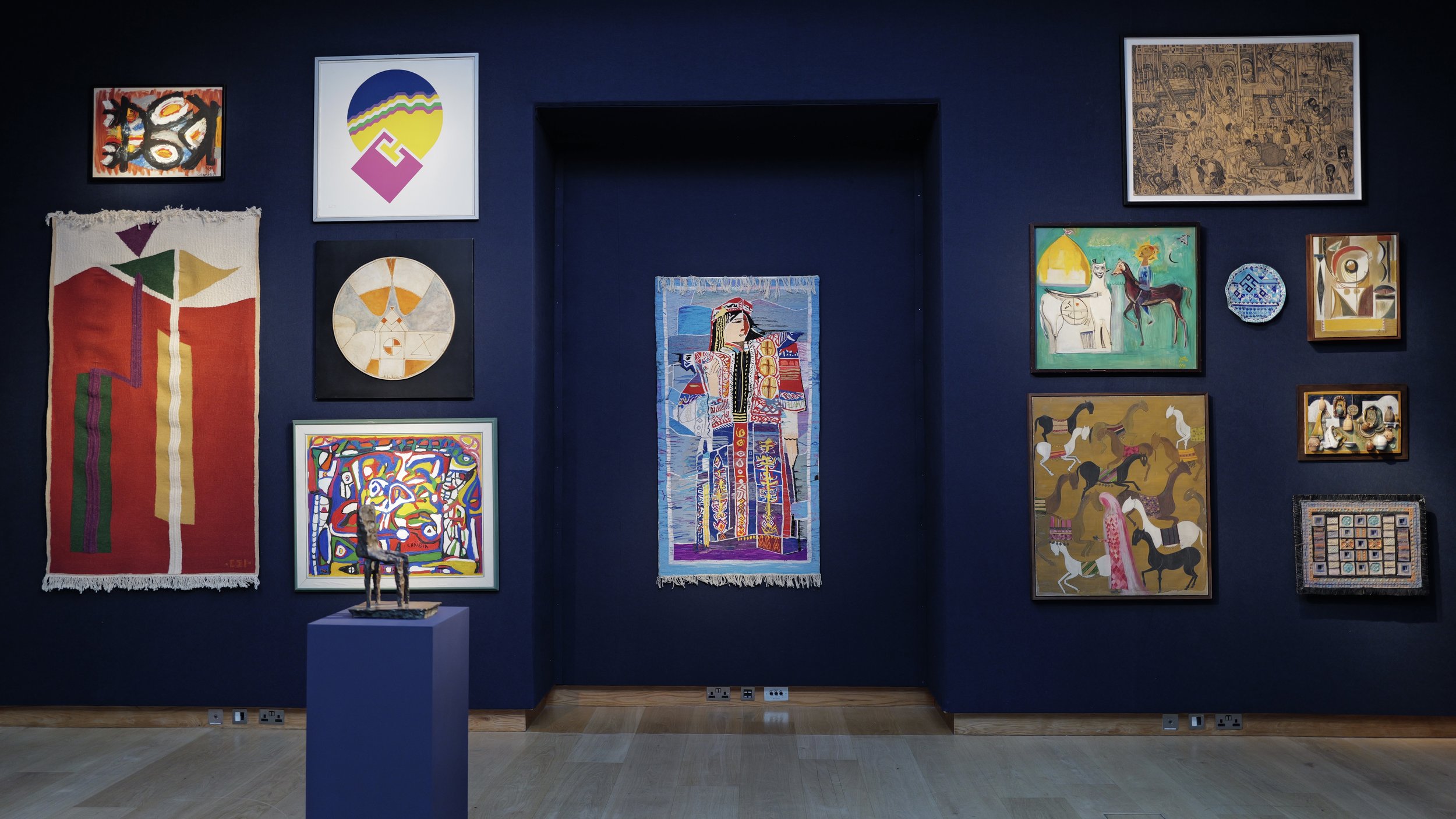
Discovering the Soul of West Asia: The Collection of the Barjeel Art Foundation, Sharjah
Sultan Sooud Al Qassemi has built one of the most diverse and gender-balanced collections of modern and contemporary Arab art. Through the Barjeel Art Foundation, this expansive collection is made widely accessible—much of it available to view online. Not sure where to begin? In this TWoA feature, Lina and Christina Ezrahi trace the stories behind a selection of extraordinary works, offering an entry point into the rich artistic histories of West Asia.

Ai Weiwei: “Know Thyself” and the Power of Lego, neugerriemschneider, Berlin, 14 September 2023 – 30 March 2024
Familiar masterpieces reappear—this time built from Lego bricks. In this TWoA exhibition review, Christina Ezrahi explores Know Thyself, Ai Weiwei’s solo show at neugerriemschneider, where iconic images by Monet and Leonardo are reimagined through memory, politics, and personal history. Playful in material yet grave in meaning, the works reveal how childhood objects can carry the weight of exile, protest, and self-reflection.

The Real Story Behind John Singer Sargent’s “The Daughters of Edward Darley Boit”
Some paintings ask to be revisited, changing as we change. In this TWoA essay, Tamar Avishai explores John Singer Sargent’s The Daughters of Edward Darley Boit (1882), a portrait that quietly breaks the rules of representation. Drawing on modern realism and echoes of Diego Velázquez’s Las Meninas, the painting captures childhood not as display, but as lived experience—intimate, elusive, and hauntingly familiar.

How to Enjoy Art History by the Pool (or From Your Sofa)
Art history doesn’t have to be confined to lecture halls and libraries. In this TWoA lifestyle piece, Tamar Avishai offers easy, pleasurable ways to weave art into your summer—whether you’re poolside, travelling, or stretched out on the sofa. From novels and films to podcasts, museums, and even colouring books, this is art history at its most relaxed and inviting.

The Art of Protest
Art has always been a substantial part of Sudanese culture. Discover the powerful impact of Sudanese art in telling stories, inspiring young people, and creating positive change!

Hilma af Klint & Piet Mondrian: ‘Forms of Life’ at the Tate Modern, London
Two pioneers, one shared fascination with nature. In this TWoA exhibition review, Hilma af Klint and Piet Mondrian are seen in dialogue at Tate Modern’s Forms of Life—from early landscapes and spiritual inquiry to radical abstraction inspired by the living world.
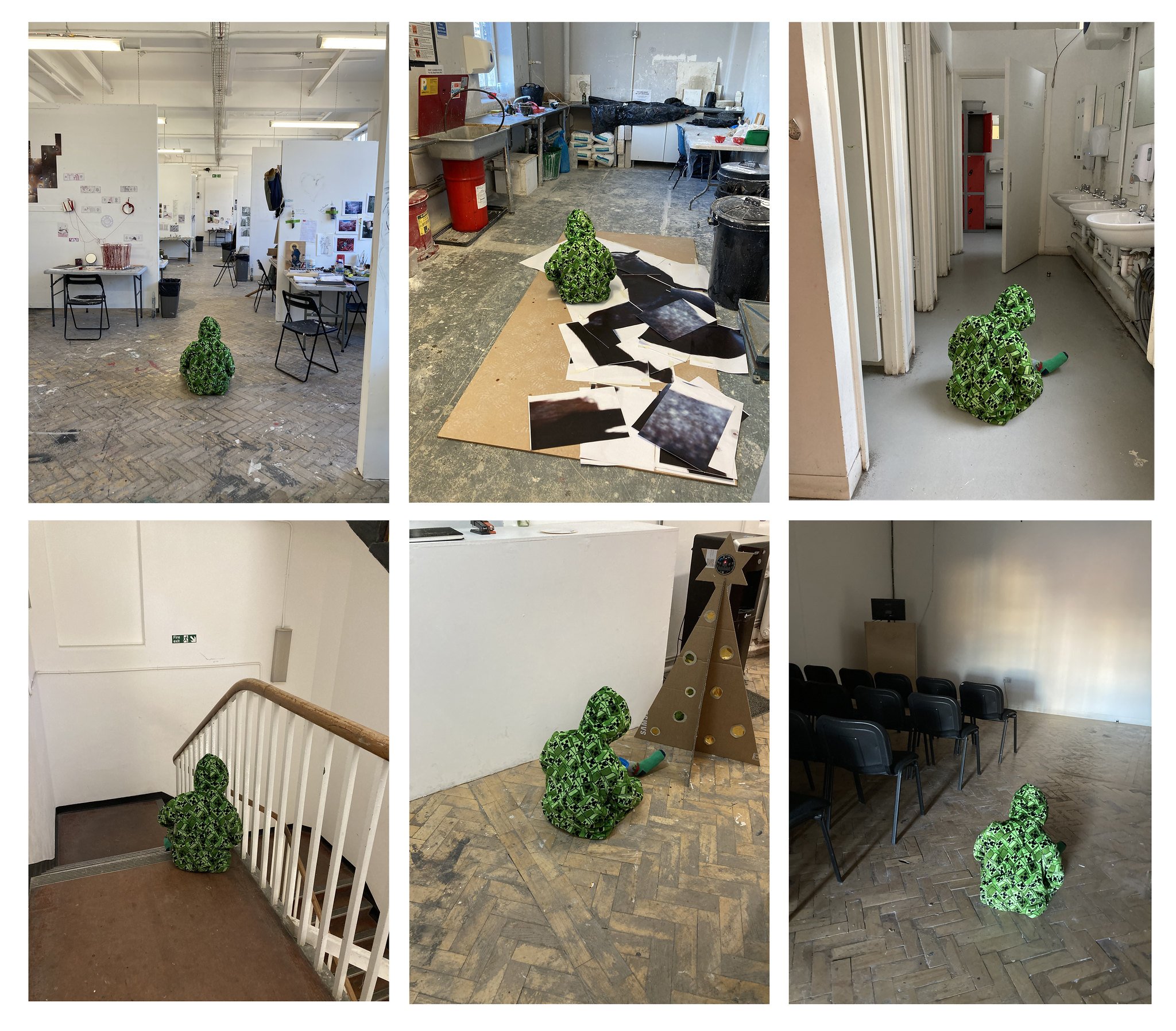
Guest Artist: Caroline Williams, City & Guilds of London Art School
Returning to art after raising a family, Caroline Williams explores sculpture as intimacy, illusion, and transformation. In this TWoA Guest Artist feature, she reflects on plaster, colour, and figuration during her Foundation studies at City & Guilds of London Art School—from Miyazaki-inspired fantasy to unsettling realism.

Get Inspired: Raphael’s Sistine Madonna
What makes Raphael’s Sistine Madonna so enduring? From divine symbolism to its famous cherubs, this TWoA piece explores why the Renaissance masterpiece continues to inspire artists and audiences alike.
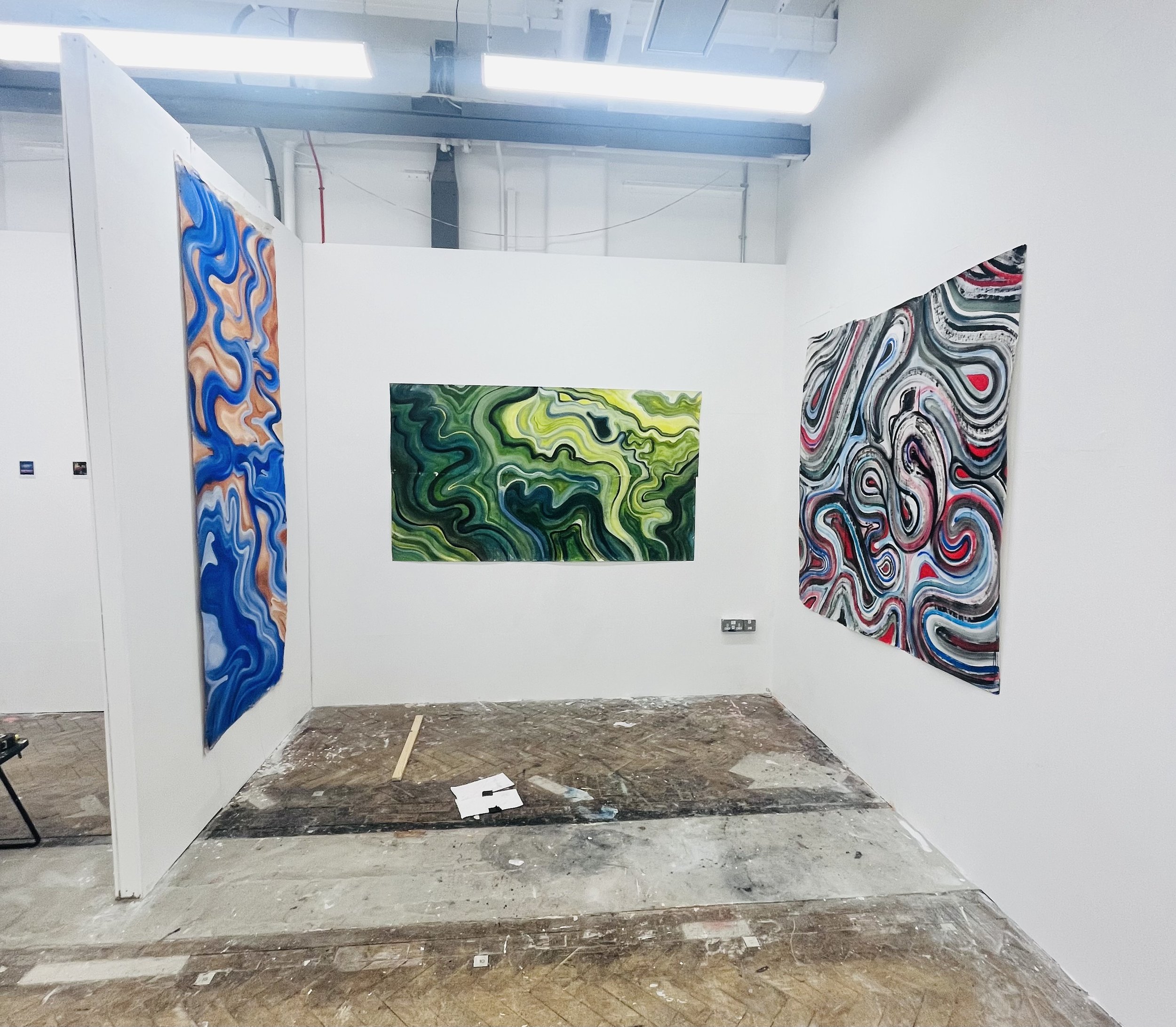
Guest Artist: Florence Penry-Jones, City & Guilds of London Art School
Inspired by music, memory, and emotion, Florence Penry-Jones transforms sound into colour and movement. A TWoA guest artist feature on painting as therapy, rhythm, and release.

Human Is: A New Reality of Science Fiction (Schinkel Pavillon, Berlin, 19 March – 23 July 2023)
What happens when artificial intelligence stops serving humanity—and starts replacing it? Human Is at Berlin’s Schinkel Pavillon plunges viewers into a dystopian, science-fiction future shaped by autonomous machines and post-human forms. Through unsettling sculpture, live simulations, and grotesque bodies, the exhibition explores fear, dehumanisation, and technological power gone rogue. Read on for more.

Give It to Me Straight: The Infinite Lines of Carmen Herrera
Straight lines are supposed to be practical—cold, rational, even dull—but Carmen Herrera spent a century proving otherwise. In this elegant meditation on hard-edge abstraction, Tamar Avishai explores how Herrera transformed the simplest of forms into fields of tension, emotion, and infinite depth. From vibrating triangles to horizons that pull the eye endlessly forward, Herrera’s work reveals how form itself can become meaning. Read on for more.

Fake “Photography”? Boris Eldagsen and the Sony World Photography Awards 2023
When an AI-generated image won the 2023 Sony World Photography Awards, the artist behind it refused the prize. Boris Eldagsen revealed that The Electrician was not a photograph at all—but a work created using artificial intelligence. His decision ignited a global debate about authorship, truth, and the future of photography in the age of AI. Where do we draw the line between writing with light and writing with prompts?
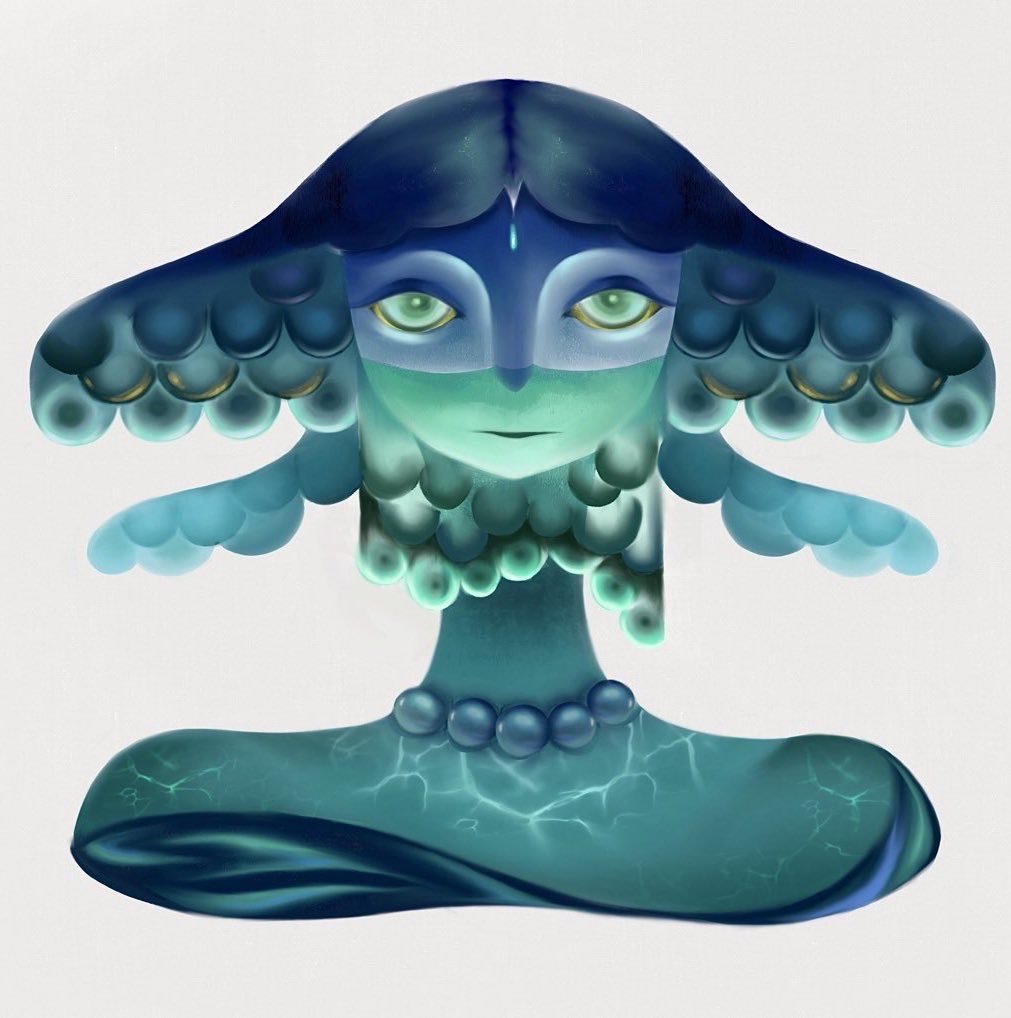
Guest Artist: Isabella Guadalupe Araiza-Fortson, 16
Water becomes myth, memory, and metaphor in the work of sixteen-year-old digital artist Isabella Guadalupe Araiza-Fortson. Drawing from Celtic legend, Mexican folklore, and contemporary animation, her images explore why women and water are so often entwined across cultures. From siren-like figures to desert mountain veins, her art blends magical realism with deeply personal reflection. Read on for more.

Springtime in Art
Spring has always inspired artists to look closely at life beginning anew. In this visual meditation, TWoA brings together paintings by Vincent van Gogh and Rosa Bonheur, where animals, nests, and tender forms become symbols of renewal. While Van Gogh is universally known, Bonheur’s radical life and extraordinary success remind us how easily women artists slip from the canon.

In Honour of April Fools’ Day: The Ultimate Art Prank
For April Fools’ Day, we revisit one of the art world’s boldest pranks: Banksy’s self-shredding artwork at Sotheby’s. What began as a critique of the art market became a spectacle that only sent the work’s value soaring.