THE MAGAZINE

Guest Artist: Emma Cormier Simola, Student, Courtauld Institute of Art, London
How can art reclaim the female body from imposed expectations? In this guest contribution, Emma Cormier Simola, a student at the Courtauld Institute of Art, reflects on her sculptural and photographic work exploring the female experience, sexism, and self-representation—inviting women to take control of their own image and challenging the gaze that has long defined them.

Silent Stories: The Language of Style from the Old Masters to Bridgerton
What if clothing is the key to understanding art—and storytelling—across centuries? From Renaissance portraiture by Agnolo Bronzino to the richly symbolic costumes of Bridgerton, this article explores fashion as a silent visual language, revealing how style communicates identity, power, and inner life—from Old Master paintings to contemporary television.

Guest Artist: Joseph Cornelius, 18, Courtauld Institute of Art, London
How does illustration bridge imagination, storytelling, and artistic technique? In this guest feature, Joseph Cornelius, an 18-year-old illustrator and Courtauld Institute of Art student, reflects on his creative process, influences ranging from cartoons to Studio Ghibli, and why illustration remains a powerful and often underestimated form of visual expression.

The Art of Pouring Milk
How does a simple domestic gesture become timeless art? This article takes a closer look at Johannes Vermeer’s The Milkmaid, exploring how light, texture, and quiet observation transform the everyday act of pouring milk into a masterful study of realism, stillness, and beauty in 17th-century Dutch painting.

Carry That Weight: Yoko Ono’s “Cut Piece,” Womanhood, and Power
What happens when vulnerability becomes a form of power? This article revisits Yoko Ono’s landmark performance Cut Piece, exploring how audience participation, exposure, and silence turned the work into a radical meditation on womanhood, control, and the politics of the gaze—long before Ono was defined by anything other than her art.

“Sleeping Beauties:” Reawakening Fashion, The Metropolitan Museum of Art, New York
How can fashion truly be experienced in a museum, once it can no longer be worn? At The Met’s Sleeping Beauties: Reawakening Fashion, visitors are invited into a multisensory journey through four centuries of dress, where sight, touch, scent, and imagination come together to awaken garments—and reflections on time, memory, and mortality.

The Harlem Renaissance and Transatlantic Modernism, The Metropolitan Museum of Art, New York, through 28 July 2024
Who determines which artists take a central place in history, and which are marginalised or erased from cultural memory? TWoA explores a major exhibition at the Metropolitan Museum of Art that reframes the Harlem Renaissance—the first African American–led movement of modern art—as a central force in American art and transatlantic modernism, challenging long-standing hierarchies of the canon.

Finding Unity Amidst Conflict: The Intersection of Art and Human Rights
How can art bear witness to injustice—and what does it mean to look, rather than look away? TWoA explores how artists from Francisco de Goya to contemporary street artist JR have used visual language to confront war, oppression, and human rights abuses, tracing how art can function as both testimony and quiet resistance across centuries of conflict.
Emotions and Trauma: Through the Eyes of Art
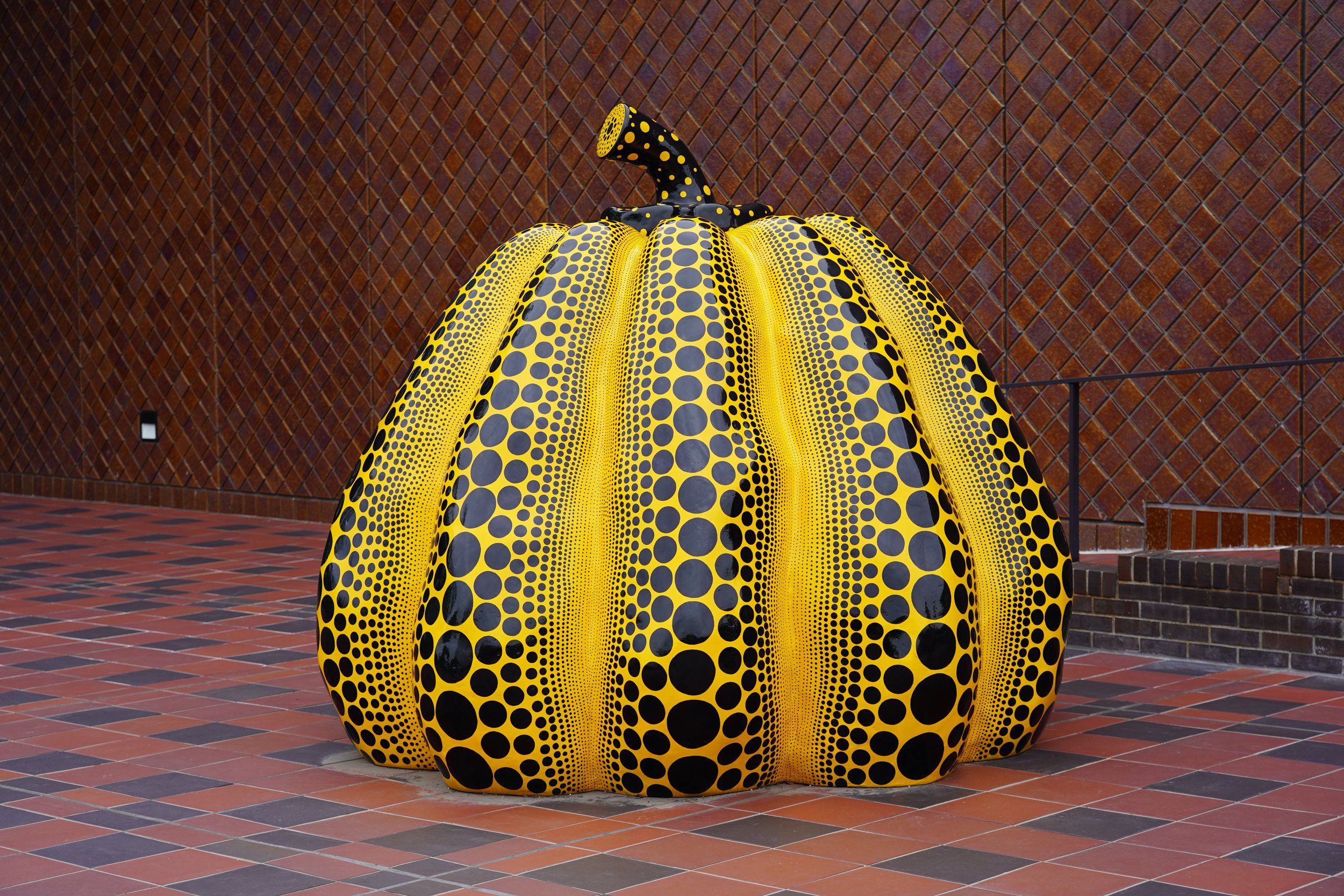
How have artists transformed inner turmoil into visual language? TWoA explores how Vincent van Gogh, Louise Bourgeois, and Yayoi Kusama turned experiences of anxiety, trauma, and psychological distress into works that frame art not only as expression, but as survival and repair.

No Halos at the Dinner Table: The Human Side of Leonardo’s “The Last Supper”
What happens when holiness gives way to humanity? In this reflective art-historical essay, TWoA revisits Leonardo da Vinci’s The Last Supper at Santa Maria delle Grazie, reading the fractured gestures, shadowed faces, and absent halos as a radical insistence on the apostles’ human vulnerability. Moving from Renaissance Milan to modern reimaginings by Domenico Ghirlandaio, Mary Beth Edelson, and Salvador Dalí, the piece traces how this table—sacred yet ordinary—continues to frame faith, doubt, betrayal, and belief as profoundly human experiences.
Spring Vibes!
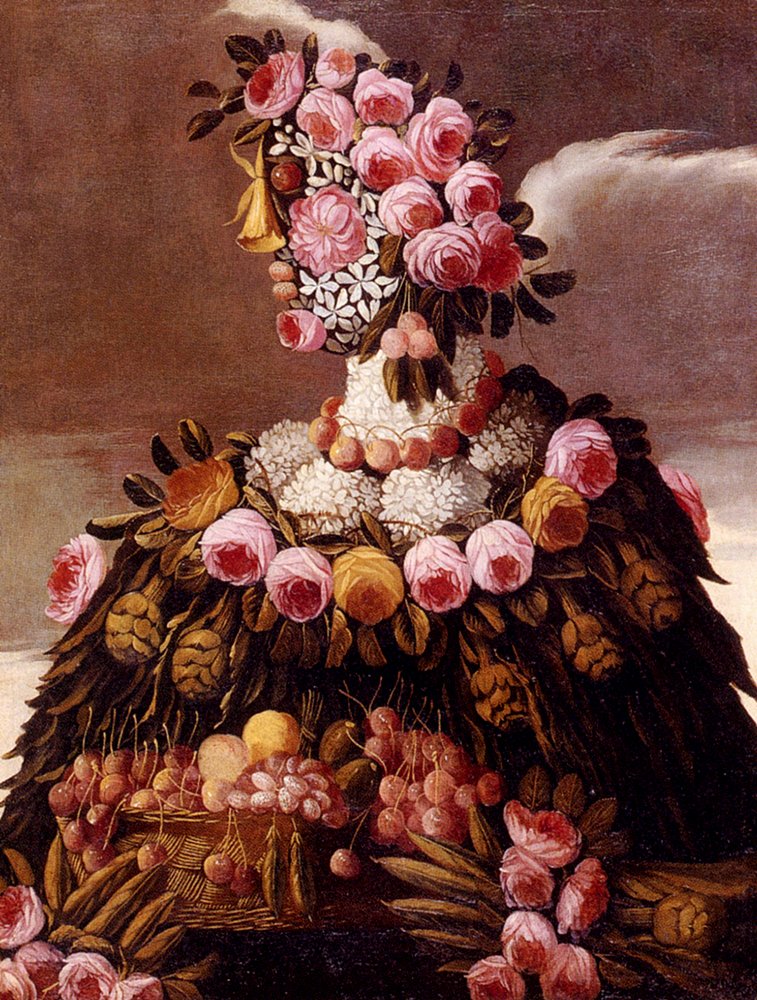
Sometimes, an image says more than words. Spring is in the air! Celebrate it with TWoA and the best spring artworks.
Lights of Spiritual Growth: Ramadan Lanterns
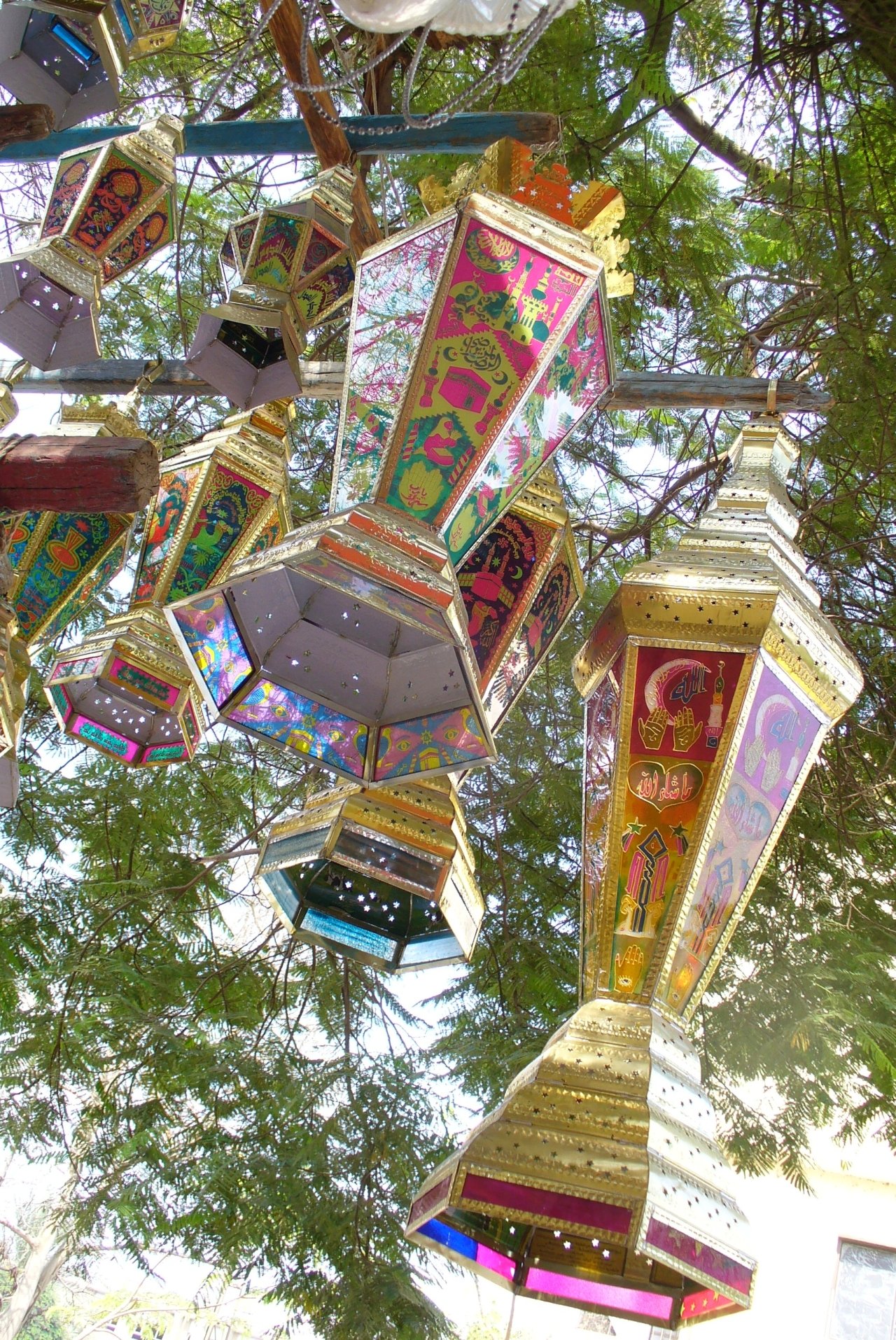
As Ramadan unfolds, its most luminous symbol comes into focus: the fanous. These traditional lanterns, glowing in homes and streets across the Muslim world, embody far more than decoration. Rooted in faith, charity, and spiritual discipline, they reflect Ramadan’s deeper call toward enlightenment, resilience, and communal care. To understand Ramadan, one must follow the light.

Pablo Picasso in Music: “Formes en l’air” by Artur Lourié
What happens when Cubism leaves the canvas and enters the concert hall? In Formes en l’air (1915), Russian composer Artur Lourié transforms Pablo Picasso’s fractured visual language into an experimental piano score that reimagines how music can be seen, read, and heard.

Let’s Get Corny: Grant Wood’s Portrait of Rural America
Few American paintings have been interpreted — or misinterpreted — as often as Grant Wood’s American Gothic. Long reduced to parody or polemic, the work resists easy meaning. This essay revisits Wood’s intentions, his Midwestern roots, and how a single image came to reflect America’s shifting ideas about home, dignity, and belonging.

A Kiss for Valentine’s Day
Few images of love are as instantly recognisable as Gustav Klimt’s The Kiss. Often reduced to a decorative symbol of romance, the painting rewards closer attention. This essay revisits Klimt’s gilded masterpiece, exploring how ornament, symbolism, and subtle gesture turn a fleeting embrace into something enduring — intimate, enigmatic, and profoundly human.
From the Eyes of a Young Photographer: Berk Kır, “Extimacy,” Merdiven Art Space, Istanbul, 5-31 January 2024
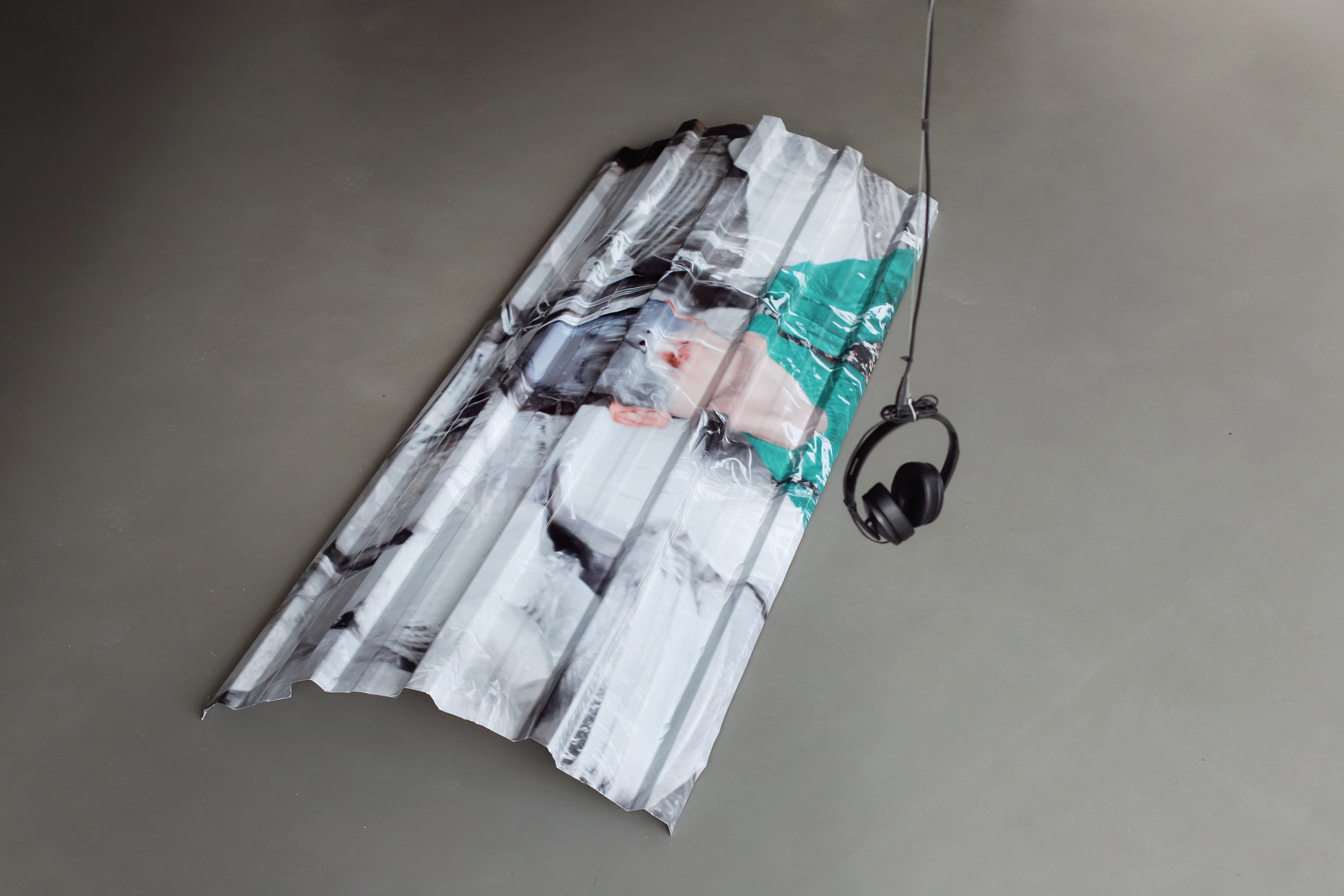
In Extimacy, on view at Merdiven Art Space, the young photographer Berk Kır pushes photography beyond the visual. Incorporating sound, found materials, and the urban environment itself, the exhibition invites viewers to encounter images as physical objects — shaped by touch, space, and the quiet thresholds between what is seen, heard, and felt.

Guest Artist: Ginevra Mastrocola, 19, Brera Academy of Fine Arts, Milan
For Ginevra Mastrocola, art is both refuge and reckoning. In Monomania, created while still a student at the Brera Academy of Fine Arts, she stages a sparse, meditative installation that asks viewers to sit with silence, uncertainty, and the fear of creative inadequacy — revealing how vulnerability itself can become a material for making.

Monet in Winter
Winter was never bleak in the hands of Claude Monet. In snow-covered views of Argenteuil, Lavacourt, and the wheat fields beyond Paris, Monet found not desolation but light — soft skies, muted colour, and the quiet poetry of everyday life slowed by winter. This selection revisits how the Impressionist painter transformed cold, fleeting moments into scenes of calm and warmth.

The Most Perfect Holiday Painting: Antoine Vollon’s “Mound of Butter”
At first glance, Antoine Vollon’s Mound of Butter seems almost absurd: an enormous, glistening heap of dairy, painted with reverence and weight. But look longer, and the still life reveals itself as something more enduring — a meditation on abundance, material pleasure, and the rituals that anchor us to season and memory. Few paintings capture the spirit of holiday indulgence with such unsentimental grace.

Street Artist JR at the Paris Opera: Back to the Cave
While the Paris Opera undergoes restoration, JR has turned its scaffolding into something more than a temporary skin. Retour à la caverne imagines the opera house as a return to humanity’s first artistic impulse — the cave — culminating in a nocturnal performance choreographed by Damien Jalet to music by Thomas Bangalter. With dancers moving like bats beneath embroidered handprints, the project collapses distinctions between street art, ballet, ritual, and monument.