THE MAGAZINE

Life in La Jolla: Three 20th-Century Modern Architectural Masterpieces
La Jolla’s rugged coastline is home to some of the most striking modern architecture in California—structures shaped as much by the Pacific Ocean as by the vision of the architects who built them. Discover how three 20th-century masterpieces blend art, landscape, and coastal life in a region where nature is both a muse and a force to withstand.
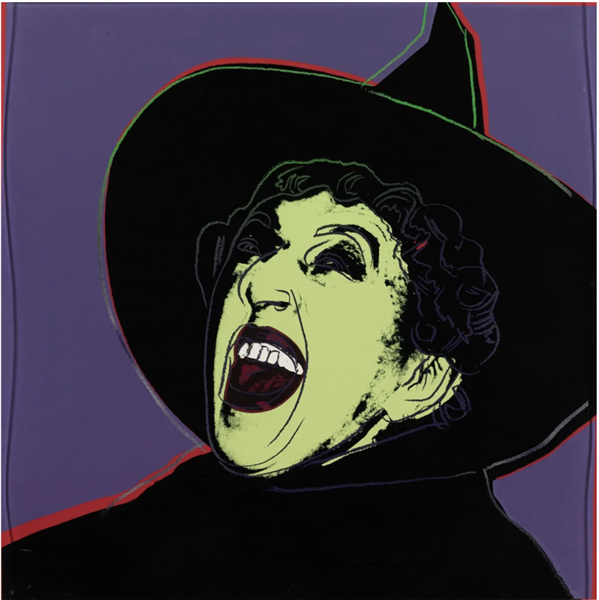
The Wicked Witch of Art History
From Dürer’s demonic hags to Waterhouse’s enchanting sorceresses, the art-historical witch has taken countless forms—grotesque, erotic, symbolic, and empowering. This article traces how a figure once used to fuel fear and misogyny became a complex icon reclaimed by modern women artists and pop culture alike.
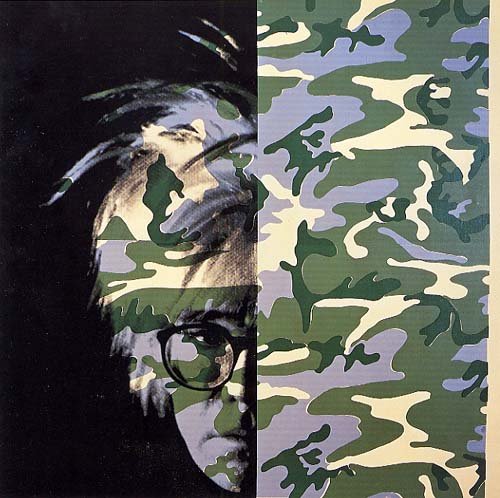
Disease, Death, and Disaster: Andy Warhol’s Hidden Legacy
Behind Warhol’s glossy Marilyns and Factory glamour lies a hidden story of illness, fragility, and fear. This article uncovers how disease, trauma, and near-death experiences shaped the artist’s darker works—from car crashes to endangered species—and reveals the vulnerable Andy Warhol he worked so hard to conceal.

New Year’s Inspiration: Leon Bakst
Celebrate the New Year with the bold colours, exotic motifs, and trailblazing stage designs of Leon Bakst, the Ballets Russes visionary whose cosmopolitan imagination reshaped modern art, theatre, and fashion—and continues to inspire creatives more than a century later.
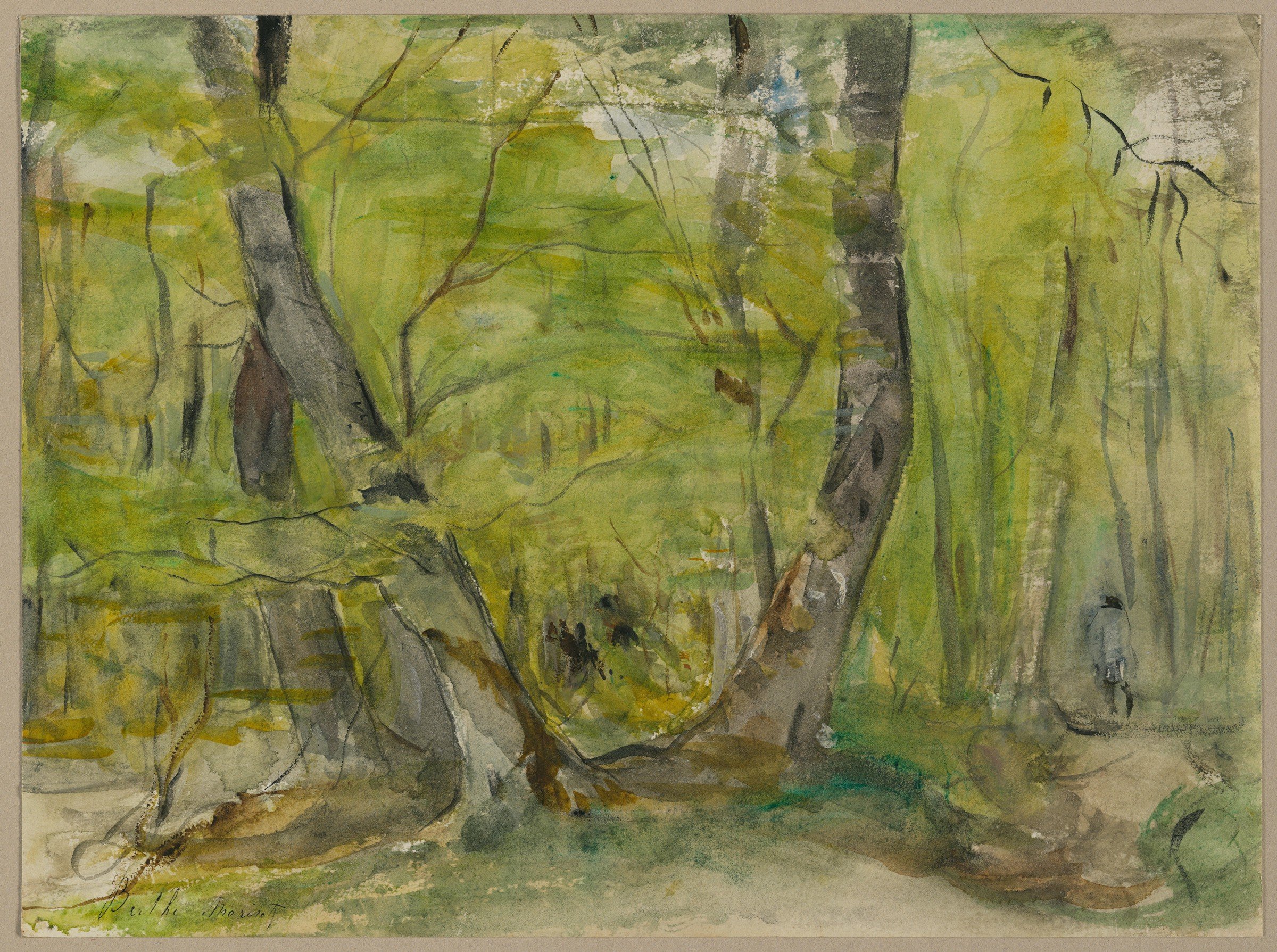
Into the Woods: Feeling the Benefits of Forest Bathing in Art
Feeling overwhelmed by city life? Discover how artists from Wang Meng to Friedrich and Morisot turned forests into spaces of refuge, imagination, and calm—and how their paintings can offer a little “forest bathing” from home.
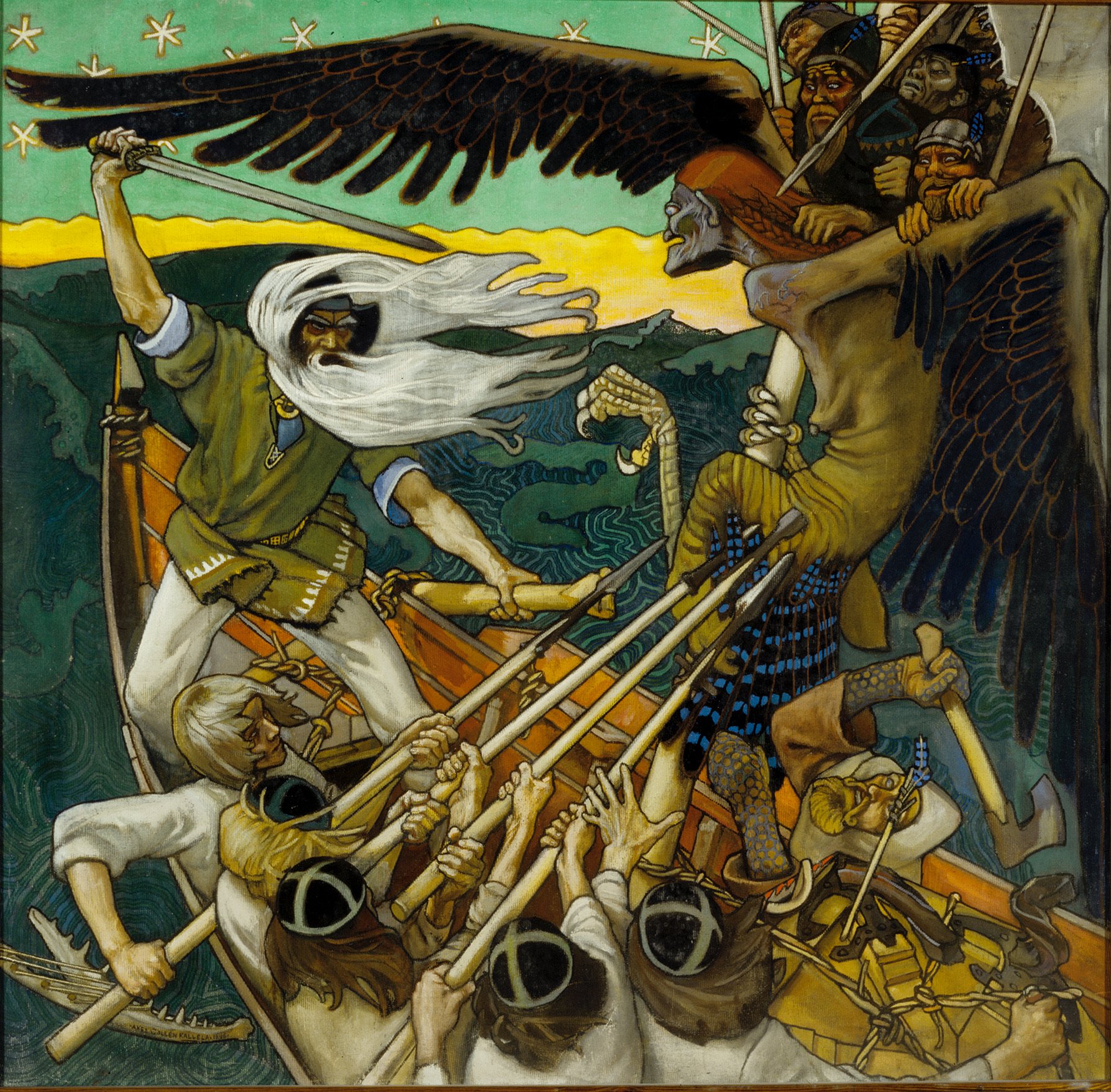
Finnish Folklore and Legends: How Art Helped Shape Finnish Identity
To understand Finnish art, one must first understand Finland’s long struggle to define itself, and how Traditional Finnish Art grew from a need to forge an identity distinct from Swedish and Russian rule. At the heart of this story lies the illustrated Kalevala, whose vivid myths and imagery helped shape both Finnish art and the very idea of Finnish national identity itself.
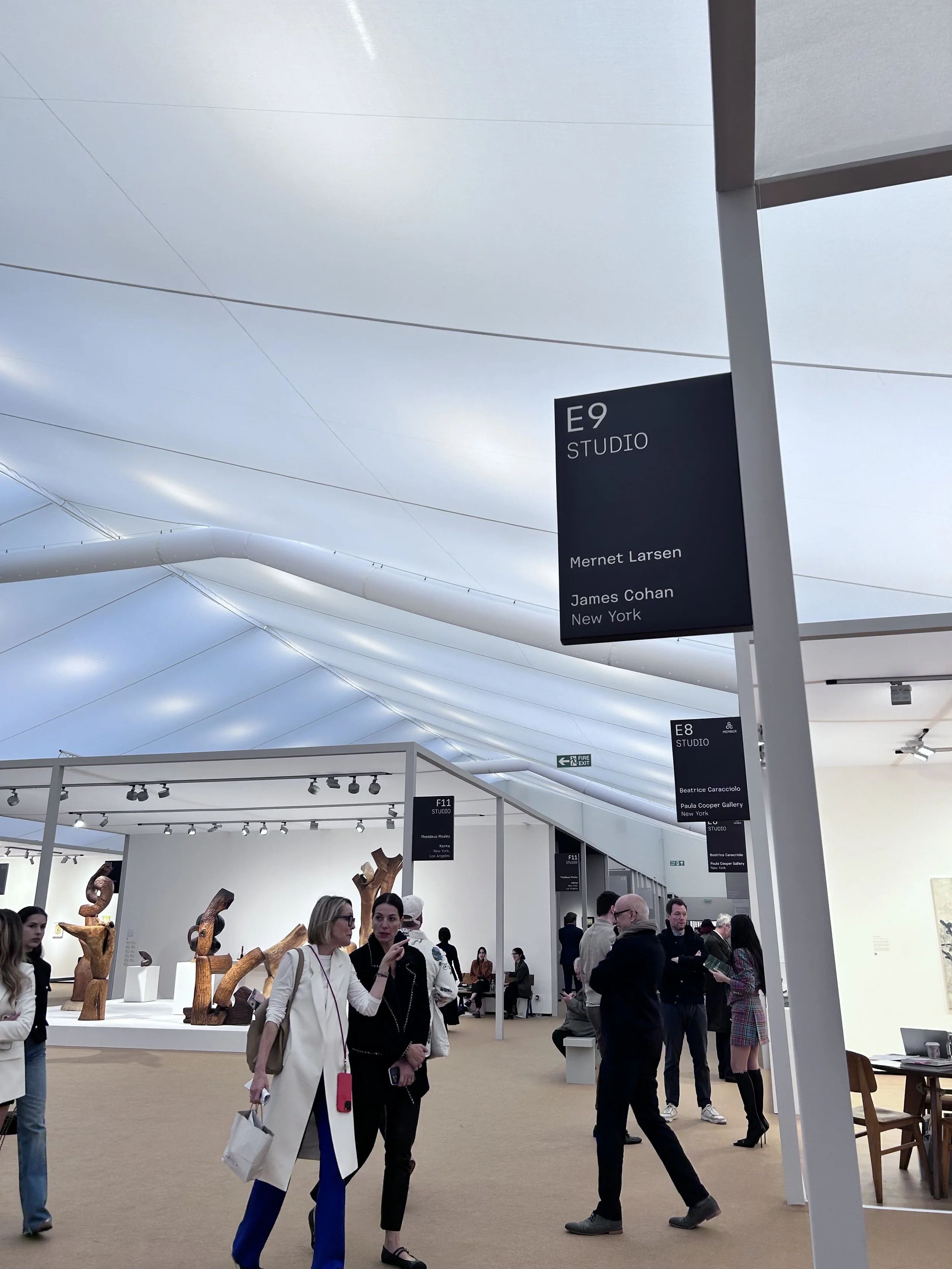
The Dazzling Spectacle of Frieze: Through the Eyes of an Intern
Ever wondered what it’s like to work at London’s buzzing and fashion-forward Frieze Art Fair? Georgia Dougherty, a student at the Courtauld Institute of Art, takes us behind the scenes of Frieze Masters, where she attended as an intern with James Cohan Gallery, offering a first-hand glimpse into the energy, glamour, and inner workings of one of the art world’s most influential fairs.

Marina Abramović and the Art of Being Present
What does it mean for an artist to become the artwork itself? In her 2010 performance The Artist Is Present, Marina Abramović spent three months seated in New York’s Museum of Modern Art, inviting visitors to sit across from her under three simple conditions: silence, sustained eye contact, and no physical contact.

How a Vogue Fashion Model Turned into a War Correspondent: Lee Miller’s Legacy
How did a Vogue fashion model become one of the most important war correspondents of the 20th century? This article traces the remarkable life and legacy of Lee Miller, from her early career in fashion and Surrealist circles to her groundbreaking work documenting World War II for Vogue, revealing how she reshaped photojournalism and challenged the boundaries between art, journalism, and history.
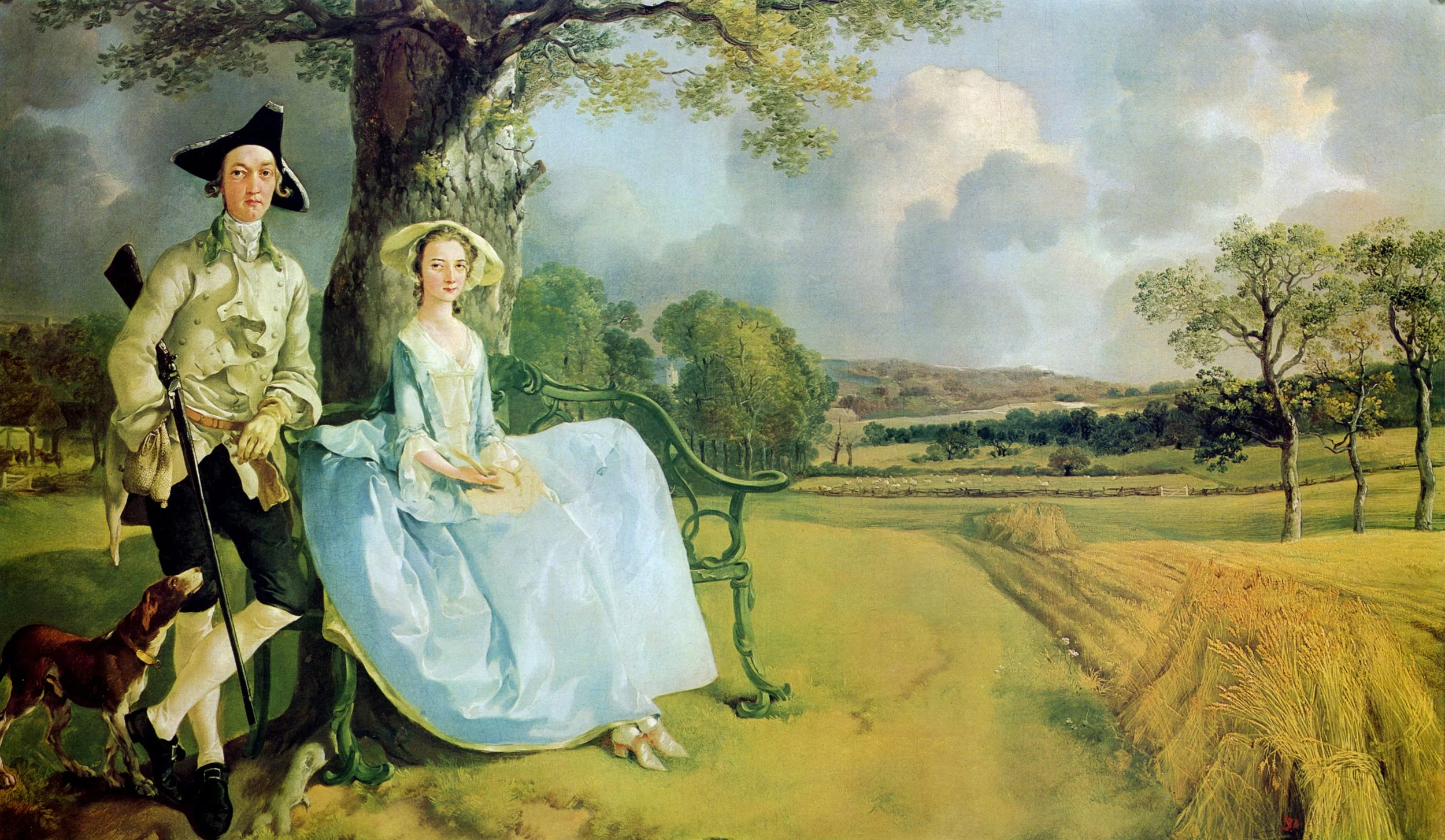
Reckoning with Colonial Art: Yinka Shonibare's “Mr. and Mrs. Andrews Without Their Heads”
What happens when a canonical work of British art is reimagined through a postcolonial lens? This article examines Yinka Shonibare’s Mr and Mrs Andrews Without Their Heads (1998), a radical reworking of Thomas Gainsborough’s 18th-century portrait, revealing how landscape painting, wealth, and colonial power are deeply intertwined—and how revisiting art history can expose the uncomfortable truths beneath its surface.

Guest Artist: Emma Cormier Simola, Student, Courtauld Institute of Art, London
How can art reclaim the female body from imposed expectations? In this guest contribution, Emma Cormier Simola, a student at the Courtauld Institute of Art, reflects on her sculptural and photographic work exploring the female experience, sexism, and self-representation—inviting women to take control of their own image and challenging the gaze that has long defined them.

Silent Stories: The Language of Style from the Old Masters to Bridgerton
What if clothing is the key to understanding art—and storytelling—across centuries? From Renaissance portraiture by Agnolo Bronzino to the richly symbolic costumes of Bridgerton, this article explores fashion as a silent visual language, revealing how style communicates identity, power, and inner life—from Old Master paintings to contemporary television.

Guest Artist: Joseph Cornelius, 18, Courtauld Institute of Art, London
How does illustration bridge imagination, storytelling, and artistic technique? In this guest feature, Joseph Cornelius, an 18-year-old illustrator and Courtauld Institute of Art student, reflects on his creative process, influences ranging from cartoons to Studio Ghibli, and why illustration remains a powerful and often underestimated form of visual expression.

The Art of Pouring Milk
How does a simple domestic gesture become timeless art? This article takes a closer look at Johannes Vermeer’s The Milkmaid, exploring how light, texture, and quiet observation transform the everyday act of pouring milk into a masterful study of realism, stillness, and beauty in 17th-century Dutch painting.

Carry That Weight: Yoko Ono’s “Cut Piece,” Womanhood, and Power
What happens when vulnerability becomes a form of power? This article revisits Yoko Ono’s landmark performance Cut Piece, exploring how audience participation, exposure, and silence turned the work into a radical meditation on womanhood, control, and the politics of the gaze—long before Ono was defined by anything other than her art.

“Sleeping Beauties:” Reawakening Fashion, The Metropolitan Museum of Art, New York
How can fashion truly be experienced in a museum, once it can no longer be worn? At The Met’s Sleeping Beauties: Reawakening Fashion, visitors are invited into a multisensory journey through four centuries of dress, where sight, touch, scent, and imagination come together to awaken garments—and reflections on time, memory, and mortality.

The Harlem Renaissance and Transatlantic Modernism, The Metropolitan Museum of Art, New York, through 28 July 2024
Who determines which artists take a central place in history, and which are marginalised or erased from cultural memory? TWoA explores a major exhibition at the Metropolitan Museum of Art that reframes the Harlem Renaissance—the first African American–led movement of modern art—as a central force in American art and transatlantic modernism, challenging long-standing hierarchies of the canon.

Finding Unity Amidst Conflict: The Intersection of Art and Human Rights
How can art bear witness to injustice—and what does it mean to look, rather than look away? TWoA explores how artists from Francisco de Goya to contemporary street artist JR have used visual language to confront war, oppression, and human rights abuses, tracing how art can function as both testimony and quiet resistance across centuries of conflict.
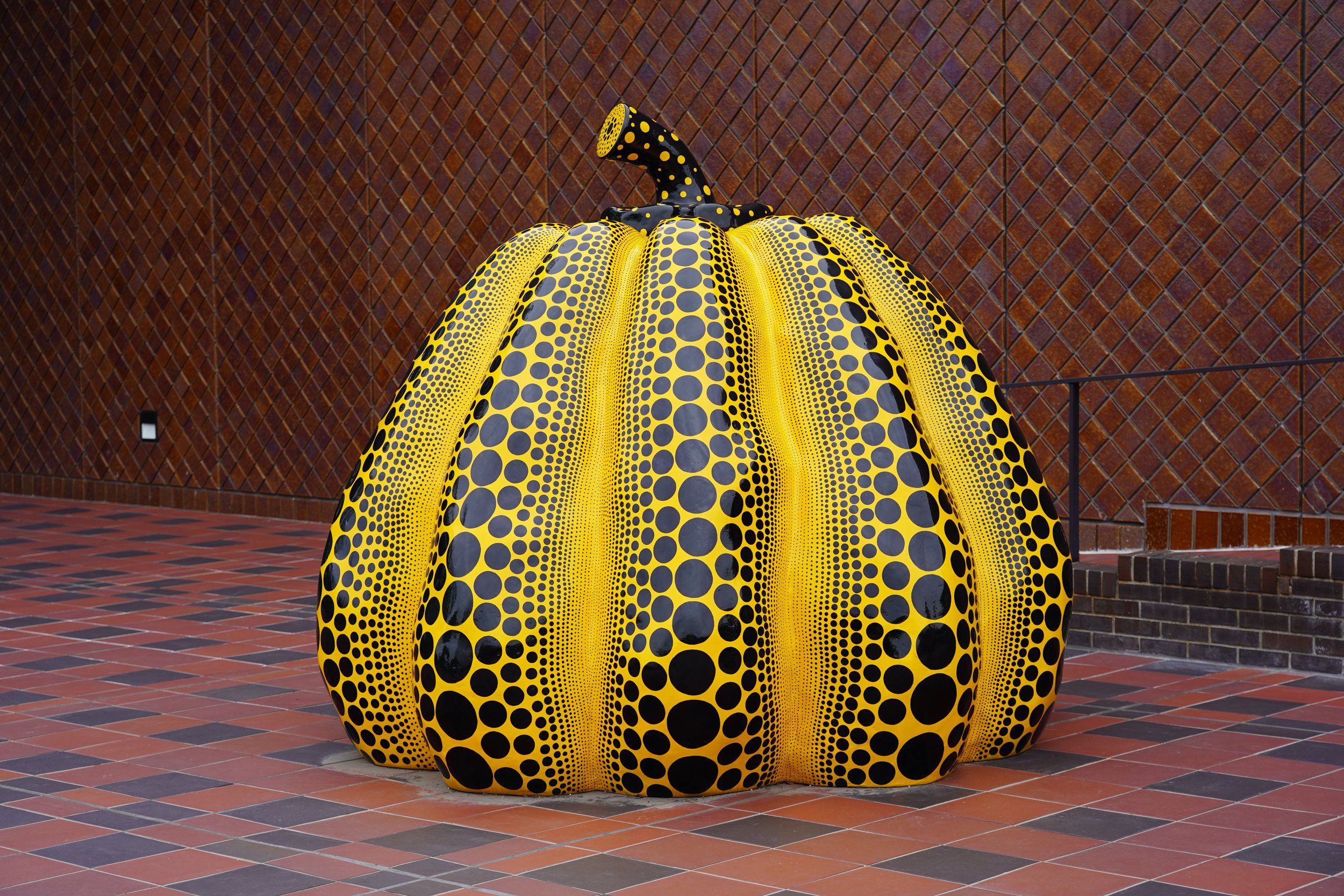
Emotions and Trauma: Through the Eyes of Art
How have artists transformed inner turmoil into visual language? TWoA explores how Vincent van Gogh, Louise Bourgeois, and Yayoi Kusama turned experiences of anxiety, trauma, and psychological distress into works that frame art not only as expression, but as survival and repair.

No Halos at the Dinner Table: The Human Side of Leonardo’s “The Last Supper”
What happens when holiness gives way to humanity? In this reflective art-historical essay, TWoA revisits Leonardo da Vinci’s The Last Supper at Santa Maria delle Grazie, reading the fractured gestures, shadowed faces, and absent halos as a radical insistence on the apostles’ human vulnerability. Moving from Renaissance Milan to modern reimaginings by Domenico Ghirlandaio, Mary Beth Edelson, and Salvador Dalí, the piece traces how this table—sacred yet ordinary—continues to frame faith, doubt, betrayal, and belief as profoundly human experiences.