THE MAGAZINE

Celestial Soundtracks: Hollywood and the Music of György Ligeti
Some pieces of twentieth century classical music sound as if they've come from another planet. György Ligeti's Atmosphères is one of those pieces. And if you think that avant-garde classical music and Hollywood don’t go together, think again: director Stanley Kubrick was so intrigued by Ligeti’s music that he used it in his 1968 film 2001: A Space Odyssey.

Adapting to Loss of Limbs: The Stories of Two Musicians - Django Reinhardt and Paul Wittgenstein
Two legendary musicians—jazz guitarist Django Reinhardt and pianist Paul Wittgenstein—rewrote musical history by reinventing technique after limb loss, proving that artistry and innovation can flourish through radical adaptation. Read on for more.

Rhyuhn Green, 18, Pianist and Composer: Creating a Melting Pot in Classical Music
Rhyuhn Green is an 18-year-old composer and pianist on a mission to turn classical music into a true cultural melting pot. In this conversation, the Juilliard Kovner Fellow shares his journey from rock stages to Carnegie Hall, the ideas behind his debut album ph3onix3s, and his hopes for the future of the classical arts.
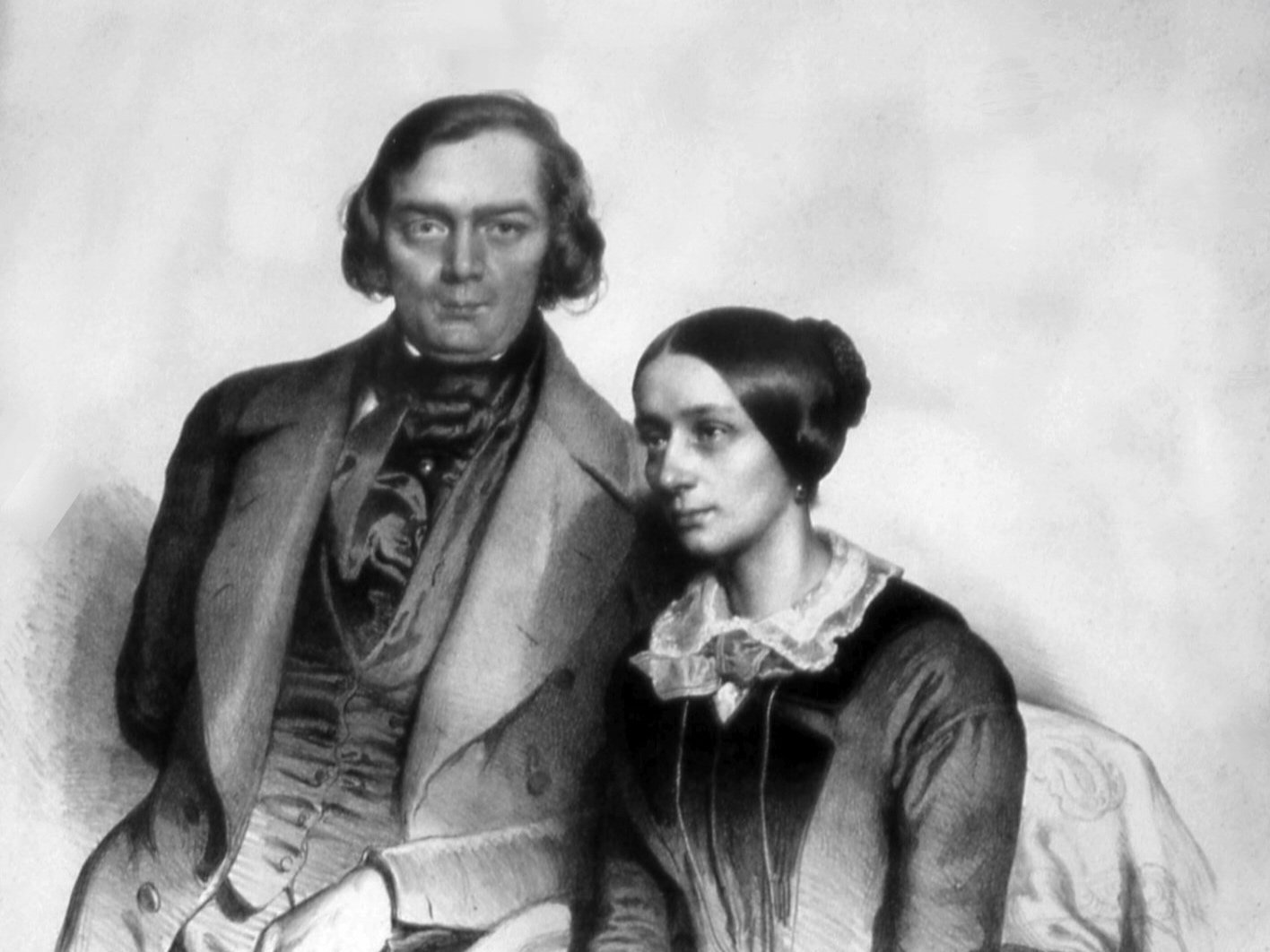
Sleep, Dreams, Fantasies: Three Very Short Essays on Schumann’s Kinderszenen
While other composers wrote with quill and ink, Schumann composed with pure imagination, letting his wandering stories and daydreams spill onto the page. In this essay, discover how that magic shaped Kinderszenen and turned a simple set of piano miniatures into a world of dreams, memories, and quiet wonder.

“People’s attitudes have changed a lot:” Busking on the London Underground
Once an illegal trade, busking on the London Underground is now a celebrated art form—and 67-year-old penny-whistle player Jonathan has witnessed the whole transformation. Read how public attitudes, the permit scheme, and the magic of fleeting underground encounters have reshaped a busker’s life.

Practicing without your instrument? The benefits of mental practice
Practicing without your instrument may seem counterintuitive, but as many great musicians know, mental practice can sharpen technique, deepen interpretation, and reconnect you with the heart of the music in ways a practice room sometimes can’t. Read on for more.
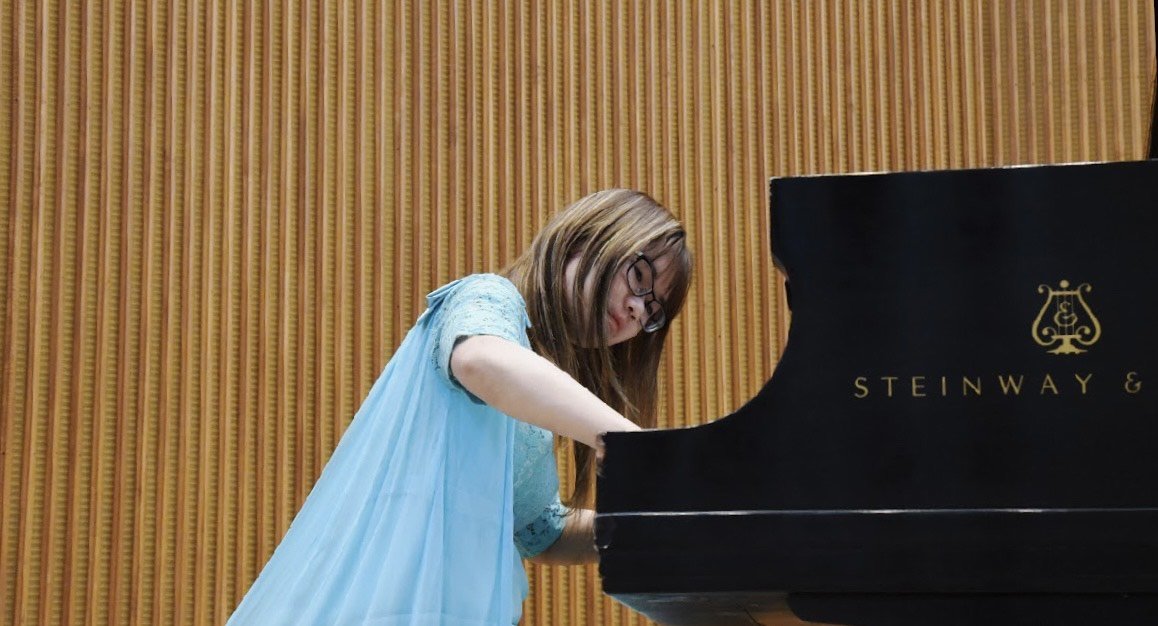
Interview: Rae Yue Pung, pianist
Rae Yue Pung, a 21-year-old Singaporean pianist who has just released her debut album Piano Sonatas, speaks to TWoA about growing up in Singapore’s young classical-music scene, her unconventional path through elite training abroad, and the complex journey from precocious child musician to independent, mature artist.
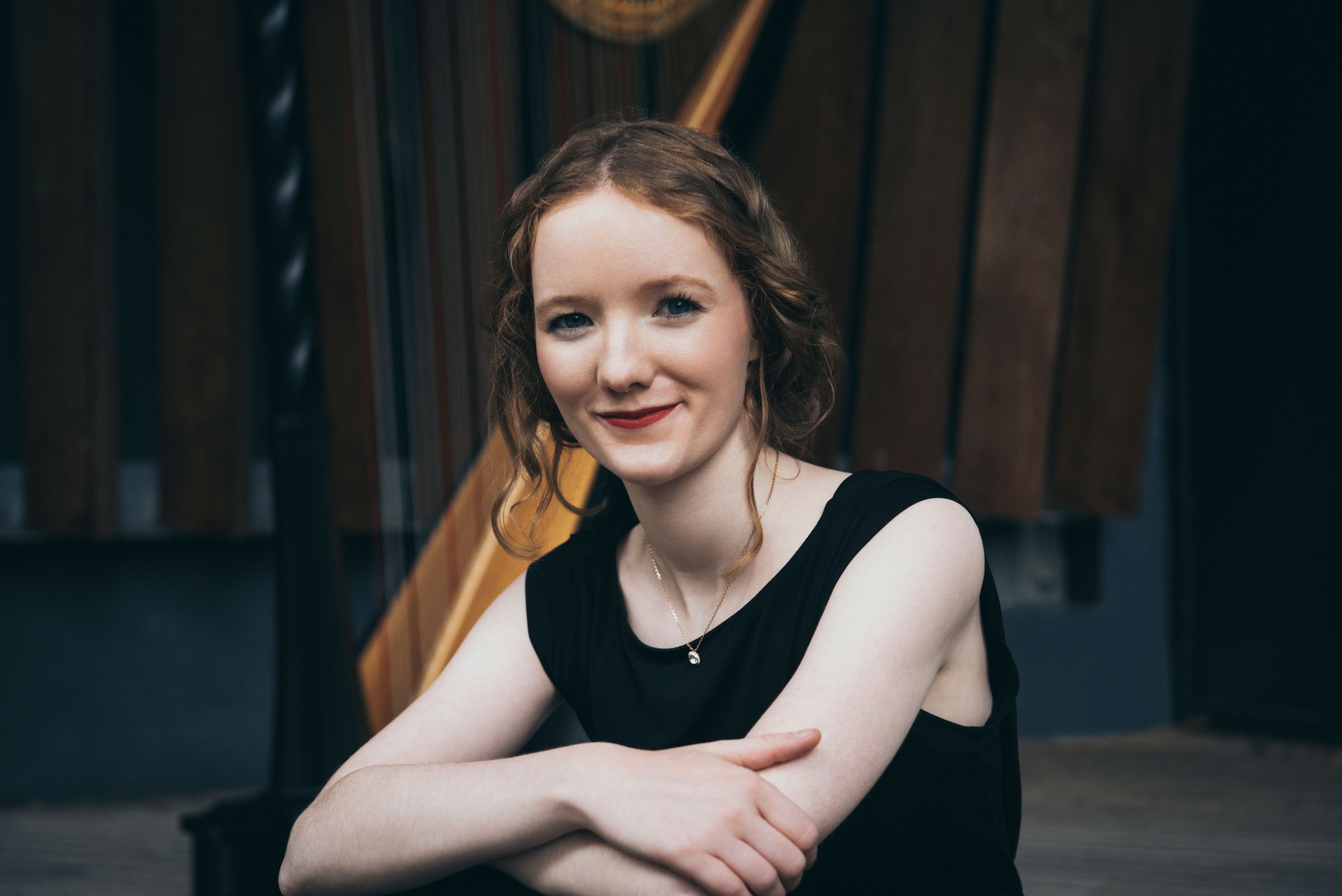
Alis Huws, Former Royal Harpist: “It's the 21st century. We shouldn't be the ones expecting people to come and find us in a concert hall. I think you have to go to them.”
Former Royal Harpist Alis Huws has played for kings, emperors, and global audiences—but her most meaningful performances often happen far from the spotlight. Raised in Welsh-speaking Wales, where the harp is woven into daily life, Huws reflects on blind medieval bards, royal tradition, and the instrument’s quiet power to heal. From the coronation of King Charles III to dementia care homes and special-needs schools, she makes a compelling case for a 21st-century classical musician: one who doesn’t wait for audiences to come to the concert hall, but brings music directly to the people who need it most.
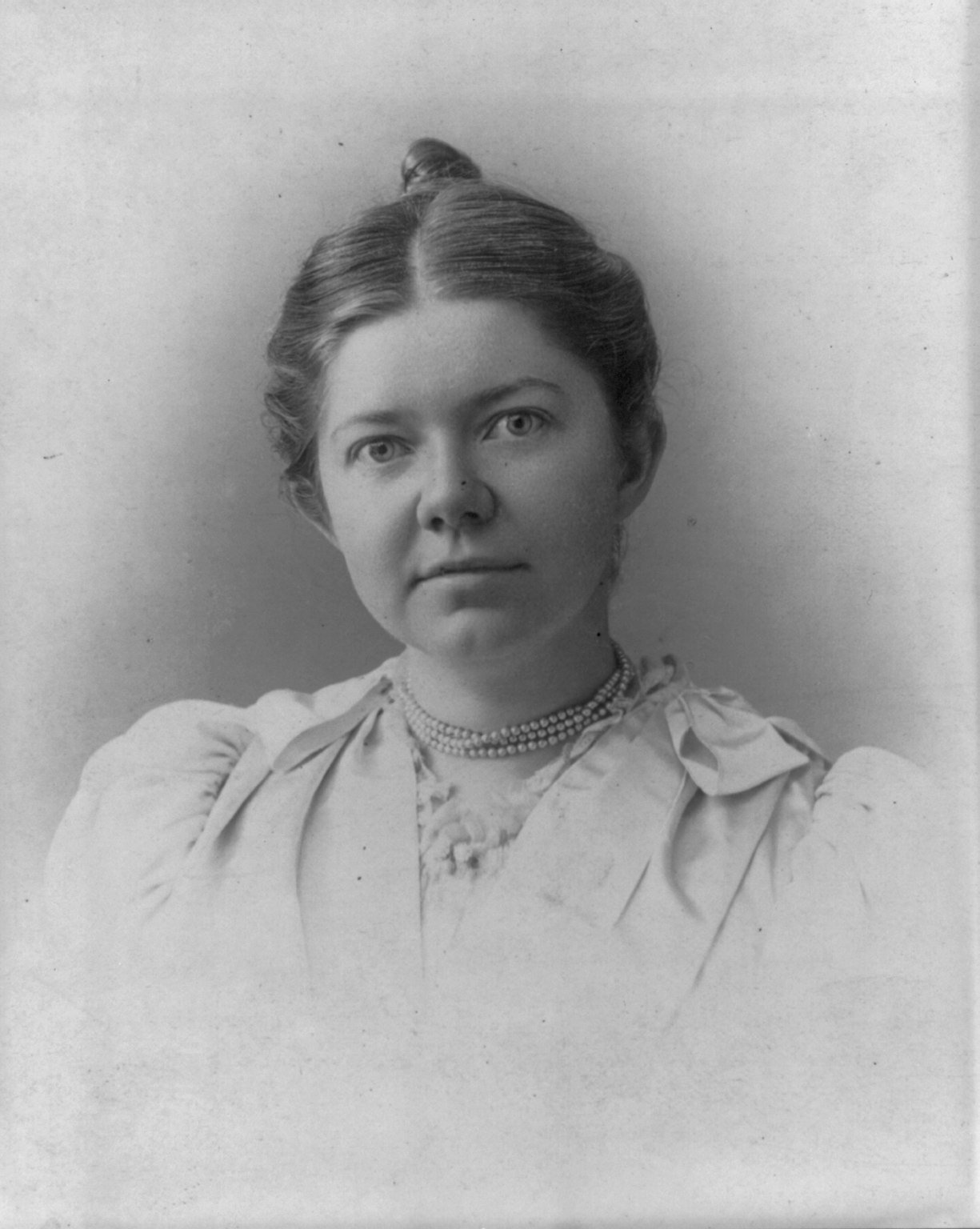
How Do We Teach About Female Composers?
How do we meaningfully teach the music of women who have long been excluded from the Western canon? Natalie Tero examines the historical, social, and pedagogical challenges surrounding composers such as Fanny Hensel, Clara Schumann, and Amy Beach, asking how their work can be studied and valued beyond narratives of struggle alone.

Nahre Sol, Pianist and Composer: Composing Variations on the iPhone Ringtone “Opening”
What happens when a classical composer reimagines a familiar sound through centuries of musical style? Pianist and content creator Nahre Sol discusses her project of composing variations on the iPhone ringtone “Opening,” created during her residency at Hamburg’s Elbphilharmonie, and reflects on musical style, composition, and why listening closely matters more than ever.
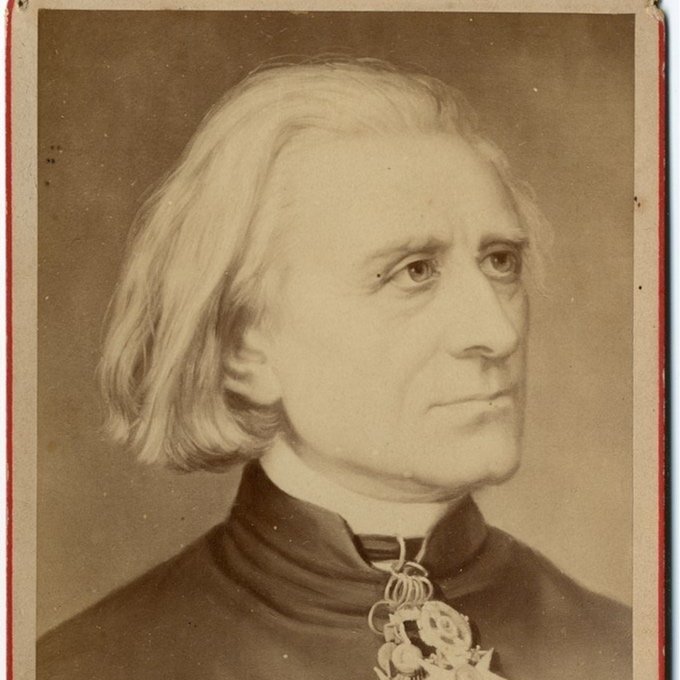
Birthday Celebration: A PlayLiszt for Beginners
Is all of Franz Liszt’s music really impossibly virtuosic? Marking the composer’s birthday, this article explores a selection of lesser-known beginner and intermediate piano works by Franz Liszt, revealing a more intimate, lyrical side of the composer and offering an inviting entry point into Liszt’s music for pianists of all levels.
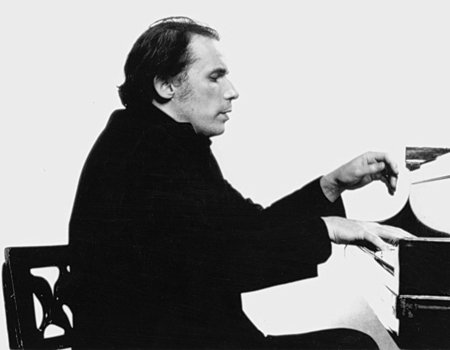
Pianist Glenn Gould’s Radical Neurodivergent Legacy
What if Glenn Gould’s so-called eccentricities were not obstacles, but the source of his artistic brilliance? This article reconsiders the life and legacy of Glenn Gould through the lens of neurodiversity, arguing that his distinctive mind, behaviours, and working methods were central to his musical vision—and that his legacy is best understood as the triumph of a neurodivergent artist on his own terms.
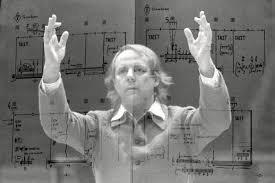
What is Your Star Sign? “Tierkreis” by Karlheinz Stockhausen
Can music reflect personality, symbolism, and the cosmos itself? This article explores Tierkreis by Karlheinz Stockhausen, a cycle of twelve zodiac-inspired melodies that blends astrology, serialism, and performer freedom—inviting listeners to hear their star sign through one of the most imaginative works of 20th-century music.
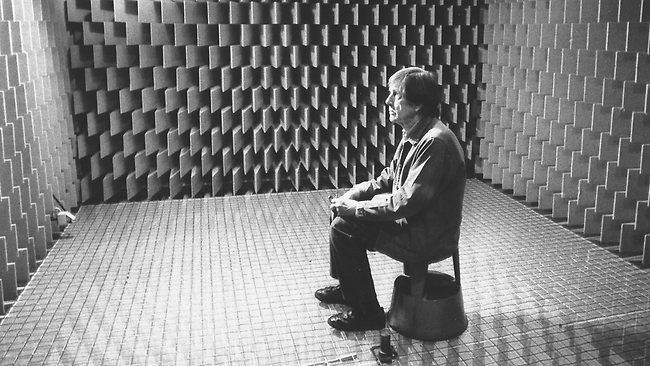
Why John Cage’s Provocative ‘Silent Piece’ is Still Powerful Today
Is silence ever really silent? This article revisits John Cage’s provocative work 4′33″, exploring how its apparent stillness challenges concert rituals, heightens awareness, and remains a powerful—and unsettling—experience for performers and audiences alike more than seventy years after its premiere.

Bayreuth, 13th August 1876
On a sweltering August afternoon in 1876, Bayreuth became the epicenter of the musical world as Richard Wagner unveiled Der Ring des Nibelungen in a purpose-built theatre designed to realize his radical artistic vision. This vivid account revisits the birth of the Bayreuth Festival and explores how Wagner’s innovations reshaped the operatic experience—while raising questions that still haunt his legacy today.
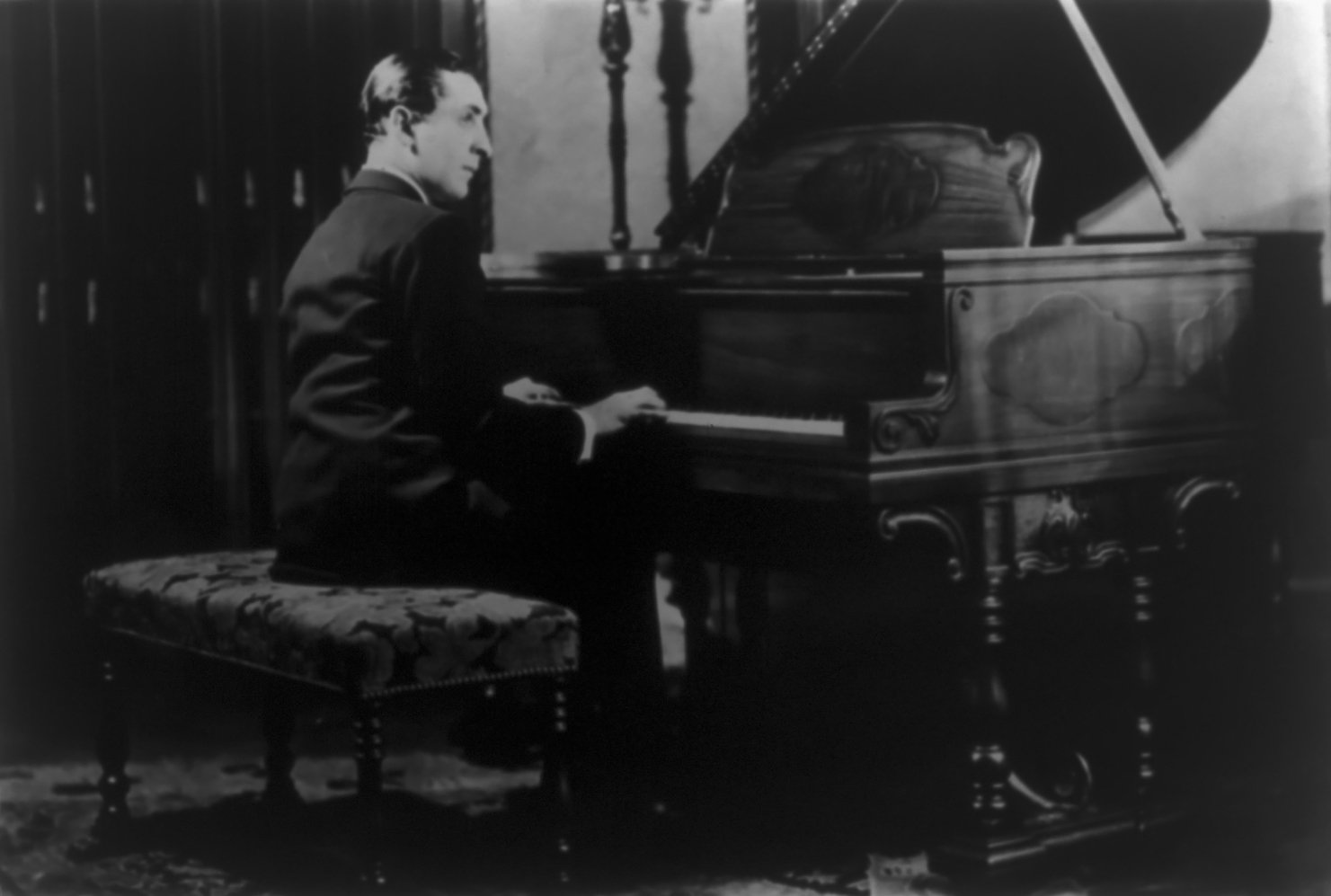
The Secret to Playing like Horowitz: A Look Into Classical Improvisation
Legendary pianist Vladimir Horowitz believed musical truth begins where intellect loosens its grip; taking this idea seriously, Hector Wolff revisits classical improvisation as a neglected but vital practice—one that reframes virtuosity, risk, and emotional agency in music-making today.

Spencer Rubin’s Guide to New York
Oboist Spencer Rubin maps New York through habits rather than landmarks—brunch counters, practice rooms, museum detours, and late-day walks along the Hudson. Moving between The Juilliard School, Lincoln Center, and the city’s quieter cultural corners, this guide reads the city as a lived ecosystem where artistic discipline, everyday pleasure, and urban energy continuously overlap.
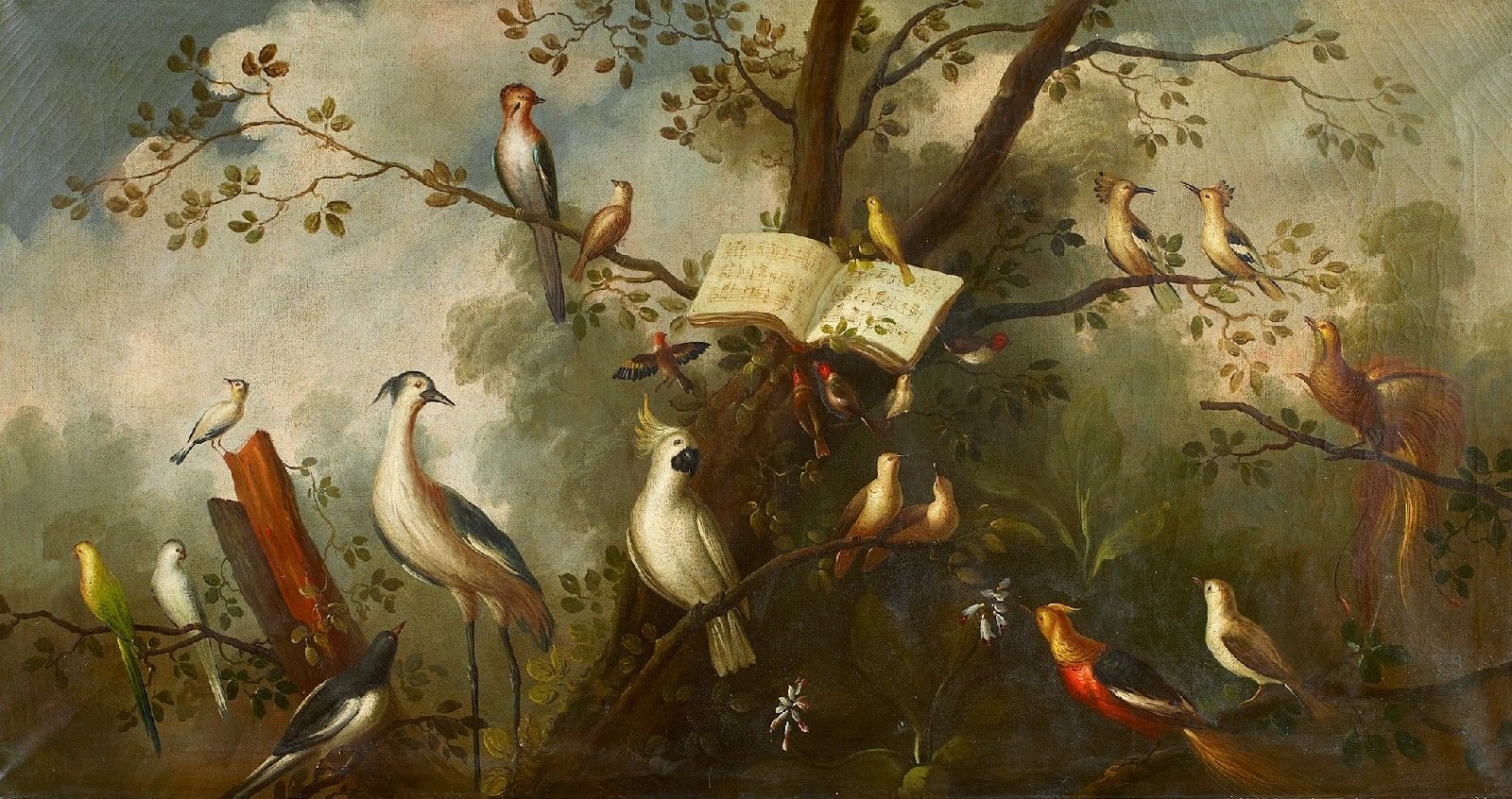
Did Composers Wing It? Four Piano Pieces that Imitate Birdsong
From Liszt to Messiaen, composers have long turned to birdsong as both model and provocation. Tracing four piano works by Franz Liszt, Maurice Ravel, Olivier Messiaen, and Takashi Yoshimatsu, TWoA asks whether imitation, improvisation, or something closer to translation lies at the heart of music’s enduring fascination with the natural world.

Spencer Rubin, Oboe Student, The Juilliard School: On Oboe Reeds, Juilliard and Favourite Oboe Concertos
In a conversation with Spencer Rubin, TWoA explores the realities of building a contemporary classical career around one of music’s most demanding instruments. A student at The Juilliard School, Rubin reflects on his musical journey, from competition stages and solo appearances with orchestras to the painstaking craft of reed-making. Beyond the concert hall, TWoA also looks at how Rubin uses social media to demystify the oboe and open classical music to new audiences, navigating tradition, visibility, and virtuosity in equal measure.

Considering Practice, Remembering Fun
TWoA explores what happens when practice slips from joy into pressure, tracing one musician’s uneasy relationship with auditions, self-comparison, and fear—and the slow, deliberate rediscovery of music-making as something grounded in curiosity, pleasure, and everyday attention rather than perfection or proof.