THE MAGAZINE

Grounds for Rebellion: Bach’s Coffee Cantata
“If I can’t drink my bowl of coffee three times daily…” Bach’s Coffee Cantata begins as a lighthearted story about a girl and her devotion to caffeine—but beneath it runs a quiet feminist rebellion taking shape in 1730s Leipzig.

Lea Brückner, Violinist and Climate Activist: “You Can Drive Social Change Through Culture.”
Lea Brückner is a violinist, moderator and climate ambassador who has carved out a unique career for herself, combining her passion for music with her commitment to sustainability. TWoA talked to Lea about the role culture can play in the battle against climate change, and about the specific steps cultural organisations can take towards becoming more sustainable.

The Mathemagical Music of Michael Maier
What if a piece of music could unlock the secrets of the universe? Step inside the strange, exhilarating world of Michael Maier’s Atalanta Fugiens, where alchemy, mathematics, and melody fuse into a single “mathemagical” code. In this TWoA deep dive, discover how Early Modern magicians used music as a tool for cosmic knowledge—and why their mystical sounds still intrigue scholars today.
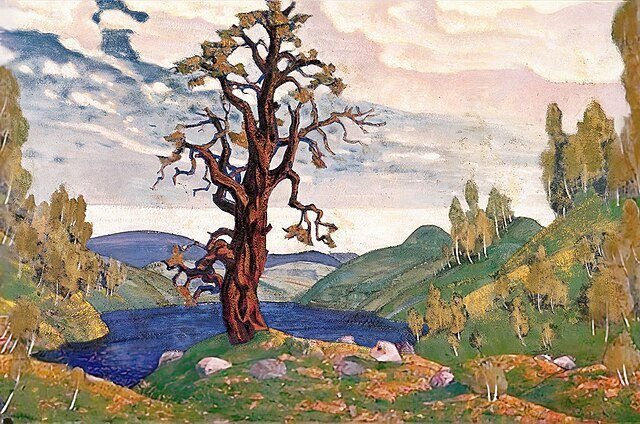
Death in Springtime: The Uncanny Power of Stravinsky’s “Rite of Spring”
When spring arrives, most composers paint blossoms and sunshine—Stravinsky delivered terror. This TWoA deep-dive unravels why The Rite of Spring still sends audiences into a primal panic: pagan sacrifice, Nijinsky’s convulsive choreography, revolutionary harmonies, and a riot that changed music forever. A visceral journey into the masterpiece that blurs rebirth, brutality, and the uncanny pulse of nature itself.

From Sicilian Fisherwomen to Pious Folk Hymns: Cathy Berberian’s “New Vocality” Style
Discover the world of Cathy Berberian, the trailblazing mezzo who shattered classical singing rules and reinvented what the human voice could be. From the raw cries of Sicilian fisherwomen to the airy purity of American folk hymns, Berberian’s “New Vocality” style reshaped 20th-century music and inspired icons from Luciano Berio to Laurie Anderson. A whirlwind tour of the singer who made the voice a limitless instrument—and changed music history in the process.

Celestial Soundtracks: Hollywood and the Music of György Ligeti
Some pieces of twentieth century classical music sound as if they've come from another planet. György Ligeti's Atmosphères is one of those pieces. And if you think that avant-garde classical music and Hollywood don’t go together, think again: director Stanley Kubrick was so intrigued by Ligeti’s music that he used it in his 1968 film 2001: A Space Odyssey.

Adapting to Loss of Limbs: The Stories of Two Musicians - Django Reinhardt and Paul Wittgenstein
Two legendary musicians—jazz guitarist Django Reinhardt and pianist Paul Wittgenstein—rewrote musical history by reinventing technique after limb loss, proving that artistry and innovation can flourish through radical adaptation. Read on for more.

Rhyuhn Green, 18, Pianist and Composer: Creating a Melting Pot in Classical Music
Rhyuhn Green is an 18-year-old composer and pianist on a mission to turn classical music into a true cultural melting pot. In this conversation, the Juilliard Kovner Fellow shares his journey from rock stages to Carnegie Hall, the ideas behind his debut album ph3onix3s, and his hopes for the future of the classical arts.
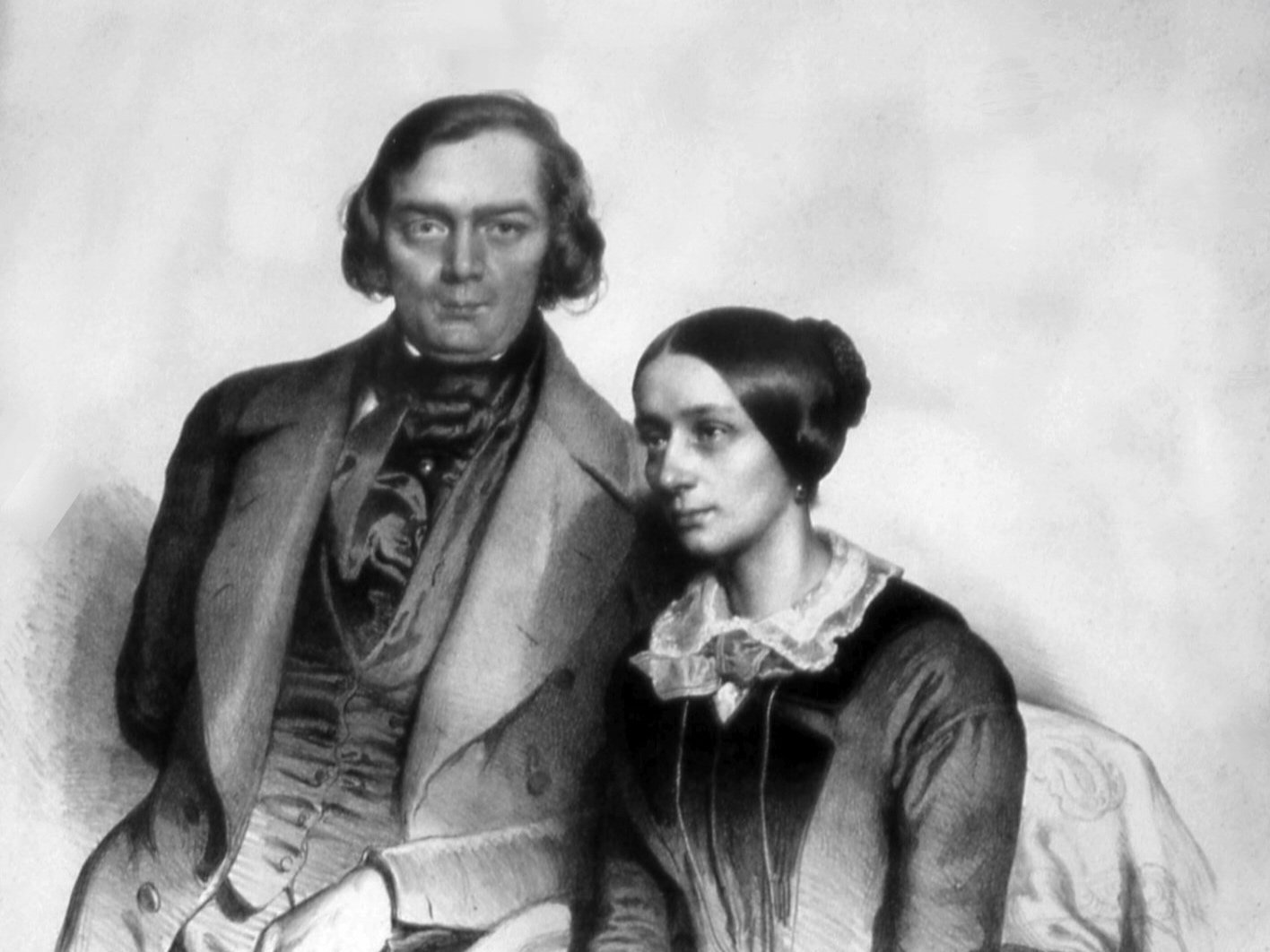
Sleep, Dreams, Fantasies: Three Very Short Essays on Schumann’s Kinderszenen
While other composers wrote with quill and ink, Schumann composed with pure imagination, letting his wandering stories and daydreams spill onto the page. In this essay, discover how that magic shaped Kinderszenen and turned a simple set of piano miniatures into a world of dreams, memories, and quiet wonder.

“People’s attitudes have changed a lot:” Busking on the London Underground
Once an illegal trade, busking on the London Underground is now a celebrated art form—and 67-year-old penny-whistle player Jonathan has witnessed the whole transformation. Read how public attitudes, the permit scheme, and the magic of fleeting underground encounters have reshaped a busker’s life.

Practicing without your instrument? The benefits of mental practice
Practicing without your instrument may seem counterintuitive, but as many great musicians know, mental practice can sharpen technique, deepen interpretation, and reconnect you with the heart of the music in ways a practice room sometimes can’t. Read on for more.
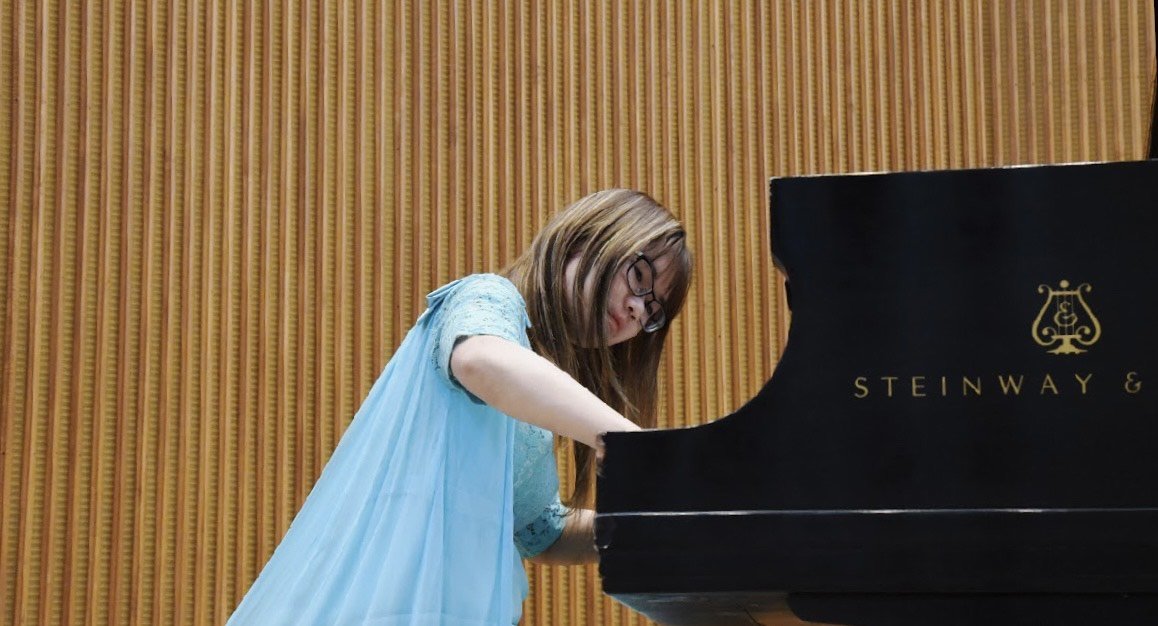
Interview: Rae Yue Pung, pianist
Rae Yue Pung, a 21-year-old Singaporean pianist who has just released her debut album Piano Sonatas, speaks to TWoA about growing up in Singapore’s young classical-music scene, her unconventional path through elite training abroad, and the complex journey from precocious child musician to independent, mature artist.
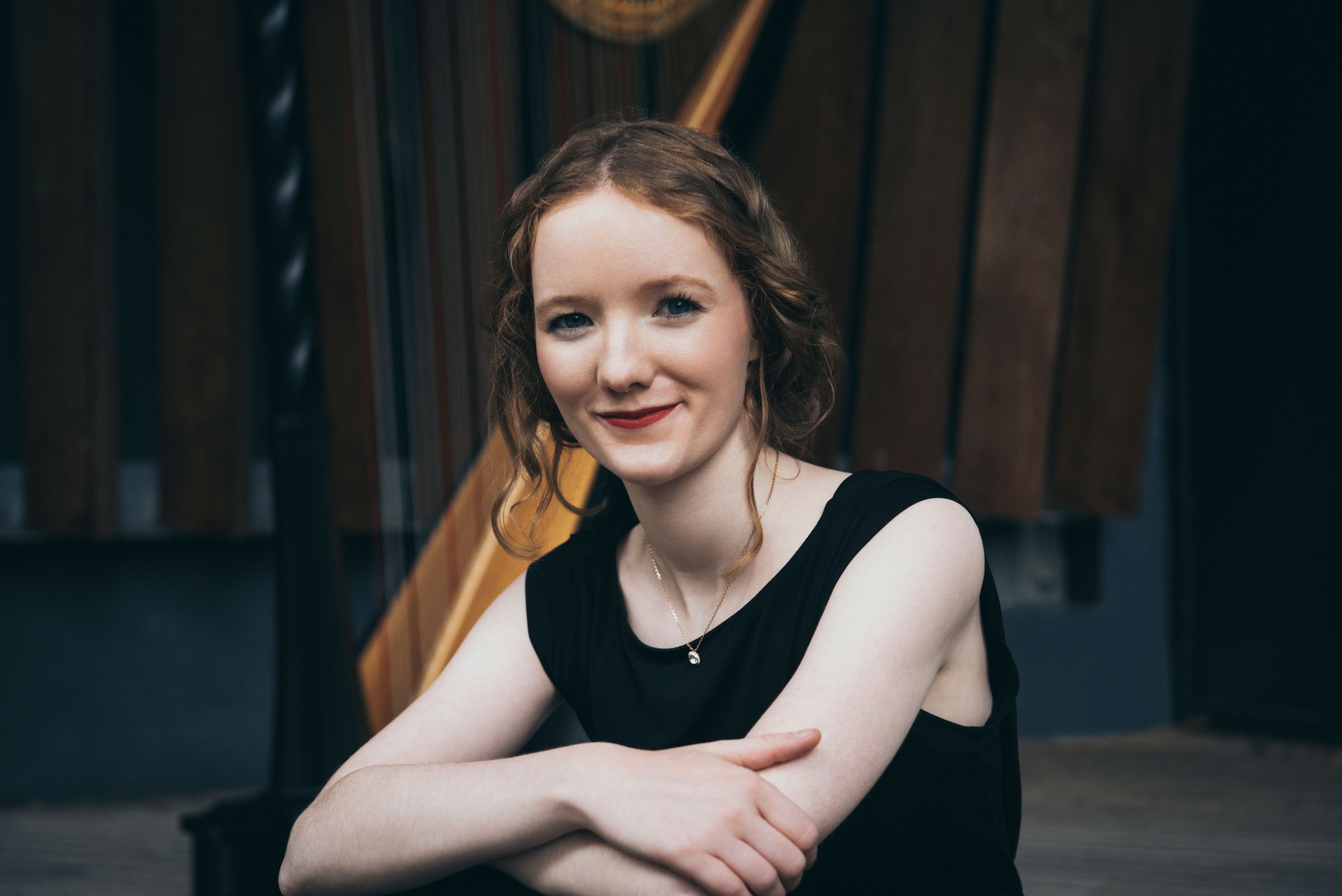
Alis Huws, Former Royal Harpist: “It's the 21st century. We shouldn't be the ones expecting people to come and find us in a concert hall. I think you have to go to them.”
Former Royal Harpist Alis Huws has played for kings, emperors, and global audiences—but her most meaningful performances often happen far from the spotlight. Raised in Welsh-speaking Wales, where the harp is woven into daily life, Huws reflects on blind medieval bards, royal tradition, and the instrument’s quiet power to heal. From the coronation of King Charles III to dementia care homes and special-needs schools, she makes a compelling case for a 21st-century classical musician: one who doesn’t wait for audiences to come to the concert hall, but brings music directly to the people who need it most.
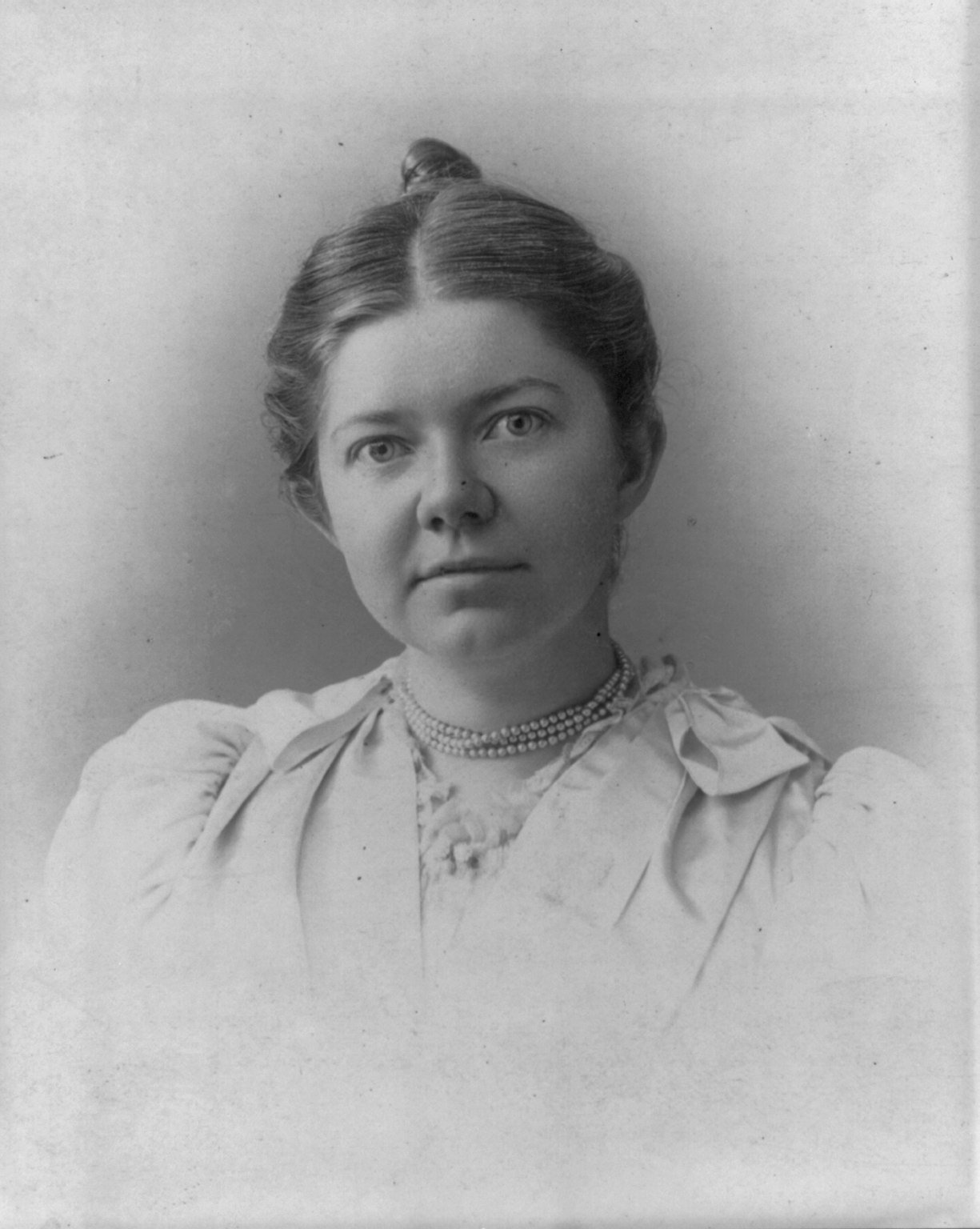
How Do We Teach About Female Composers?
How do we meaningfully teach the music of women who have long been excluded from the Western canon? Natalie Tero examines the historical, social, and pedagogical challenges surrounding composers such as Fanny Hensel, Clara Schumann, and Amy Beach, asking how their work can be studied and valued beyond narratives of struggle alone.

Nahre Sol, Pianist and Composer: Composing Variations on the iPhone Ringtone “Opening”
What happens when a classical composer reimagines a familiar sound through centuries of musical style? Pianist and content creator Nahre Sol discusses her project of composing variations on the iPhone ringtone “Opening,” created during her residency at Hamburg’s Elbphilharmonie, and reflects on musical style, composition, and why listening closely matters more than ever.
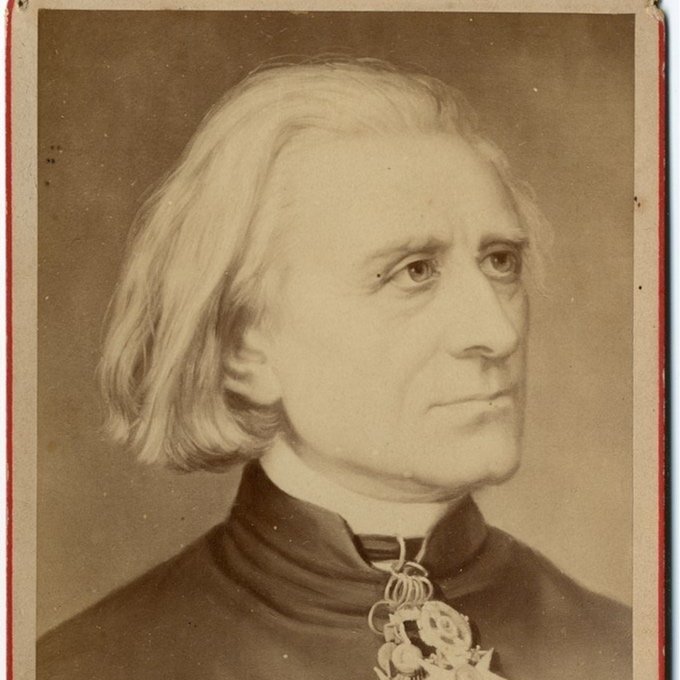
Birthday Celebration: A PlayLiszt for Beginners
Is all of Franz Liszt’s music really impossibly virtuosic? Marking the composer’s birthday, this article explores a selection of lesser-known beginner and intermediate piano works by Franz Liszt, revealing a more intimate, lyrical side of the composer and offering an inviting entry point into Liszt’s music for pianists of all levels.
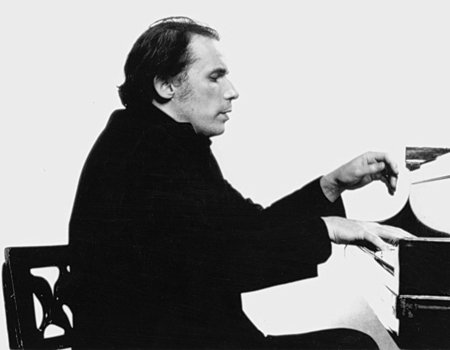
Pianist Glenn Gould’s Radical Neurodivergent Legacy
What if Glenn Gould’s so-called eccentricities were not obstacles, but the source of his artistic brilliance? This article reconsiders the life and legacy of Glenn Gould through the lens of neurodiversity, arguing that his distinctive mind, behaviours, and working methods were central to his musical vision—and that his legacy is best understood as the triumph of a neurodivergent artist on his own terms.
What is Your Star Sign? “Tierkreis” by Karlheinz Stockhausen
Can music reflect personality, symbolism, and the cosmos itself? This article explores Tierkreis by Karlheinz Stockhausen, a cycle of twelve zodiac-inspired melodies that blends astrology, serialism, and performer freedom—inviting listeners to hear their star sign through one of the most imaginative works of 20th-century music.
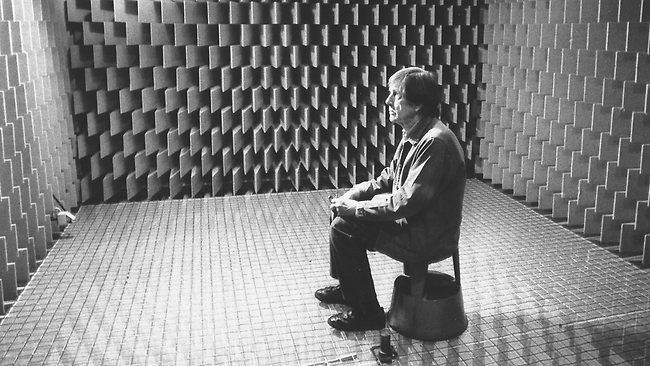
Why John Cage’s Provocative ‘Silent Piece’ is Still Powerful Today
Is silence ever really silent? This article revisits John Cage’s provocative work 4′33″, exploring how its apparent stillness challenges concert rituals, heightens awareness, and remains a powerful—and unsettling—experience for performers and audiences alike more than seventy years after its premiere.

Bayreuth, 13th August 1876
On a sweltering August afternoon in 1876, Bayreuth became the epicenter of the musical world as Richard Wagner unveiled Der Ring des Nibelungen in a purpose-built theatre designed to realize his radical artistic vision. This vivid account revisits the birth of the Bayreuth Festival and explores how Wagner’s innovations reshaped the operatic experience—while raising questions that still haunt his legacy today.