THE MAGAZINE

A Ballet Dancer’s Take: On Balletcore
Balletcore promises satin ribbons, slick buns, and legwarmers warmed by nostalgia. But for dancers who have lived inside the studio, the aesthetic can feel strangely hollow. In this essay, former professional dancer Hannah Lipman traces the distance between ballet as fantasy and ballet as discipline, asking whether fashion’s current obsession can move beyond costume to honor the labor, rigor, and movement that define the art form itself. When brands collaborate with dancers like India Bradley of New York City Ballet, Balletcore begins to shift—from static style to something closer to lived motion.

“X: The Life and Times of Malcolm X” at the Metropolitan Opera in New York City Shares the Transformational History of Black American Activist, Malcolm X
Anthony Davis’s X: The Life and Times of Malcolm X brings American history to the Metropolitan Opera with urgency and force. Sung in English and led by a commanding Will Liverman, the opera reframes the life of Malcolm X as a modern, politically resonant work—one that feels unmistakably of the present.

AI as an Artifical Brush: Refik Anadol
In AI as an Artificial Brush, Turkish-American artist Refik Anadol reimagines painting for the algorithmic age. Drawing on machine learning, memory, and data, his hypnotic works—seen at institutions like Museum of Modern Art—blur the line between human imagination and artificial “dreaming,” asking whether creativity can exist without the human hand.

Happy Thanksgiving! Aaron Copland and Martha Graham’s “Appalachian Spring”
Of all the holidays associated with America, Thanksgiving is by far the most uniquely American one. So, if you are looking for a ballet or a classical music piece to get you into the mood for turkey, stuffing and pie, enjoy our feature about Aaron Copland and Martha Graham’s Appalachian Spring.

Benal Tanrısever, Pianist and Educator: Music Starts with the Imagination
For pianist and educator Benal Tanrısever, music is not about flawless execution but imaginative communication. Trained at The Juilliard School and shaped by an international performing career, Tanrısever speaks with TWoA about education, ambition, and why music should belong to everyone—not just professionals.

In Defense of Dogs Playing Poker
Long dismissed as kitsch, Dogs Playing Poker has become one of the most recognisable images in American visual culture. In this sharp, good-humoured essay, Tamar Avishai revisits Cassius Marcellus Coolidge’s iconic painting A Friend in Need (1903), arguing that pleasure, accessibility, and humour have always had a place in art. Moving between connoisseurship and popular taste, the piece asks a simple question: why shouldn’t art also be allowed to amuse?

Cloud Gate: 50 Years of Singing the Song of the Wanderers
For half a century, Cloud Gate Dance Theatre has reshaped contemporary dance through a language rooted in Chinese philosophy and lived experience. Founded by Lin Hwai-min and now led by Cheng Tsung-lung, the company blends meditation, martial arts, and modern choreography into works of striking physical and emotional intensity. As Cloud Gate marks its 50th anniversary, this article reflects on its legacy—and its continued relevance on the global stage.

Choreographer and Composer Olivier Tarpaga (USA/Burkina Faso): Translating Emotion to Movement
For choreographer and composer Olivier Tarpaga, dance begins not with narrative but with feeling. Drawing on experiences rooted in Burkina Faso and the United States, his work transforms global politics, memory, and trauma into visceral movement. In this TWoA profile, Tarpaga discusses translating emotion into choreography—inviting audiences to experience, rather than interpret, the human stories unfolding on stage.
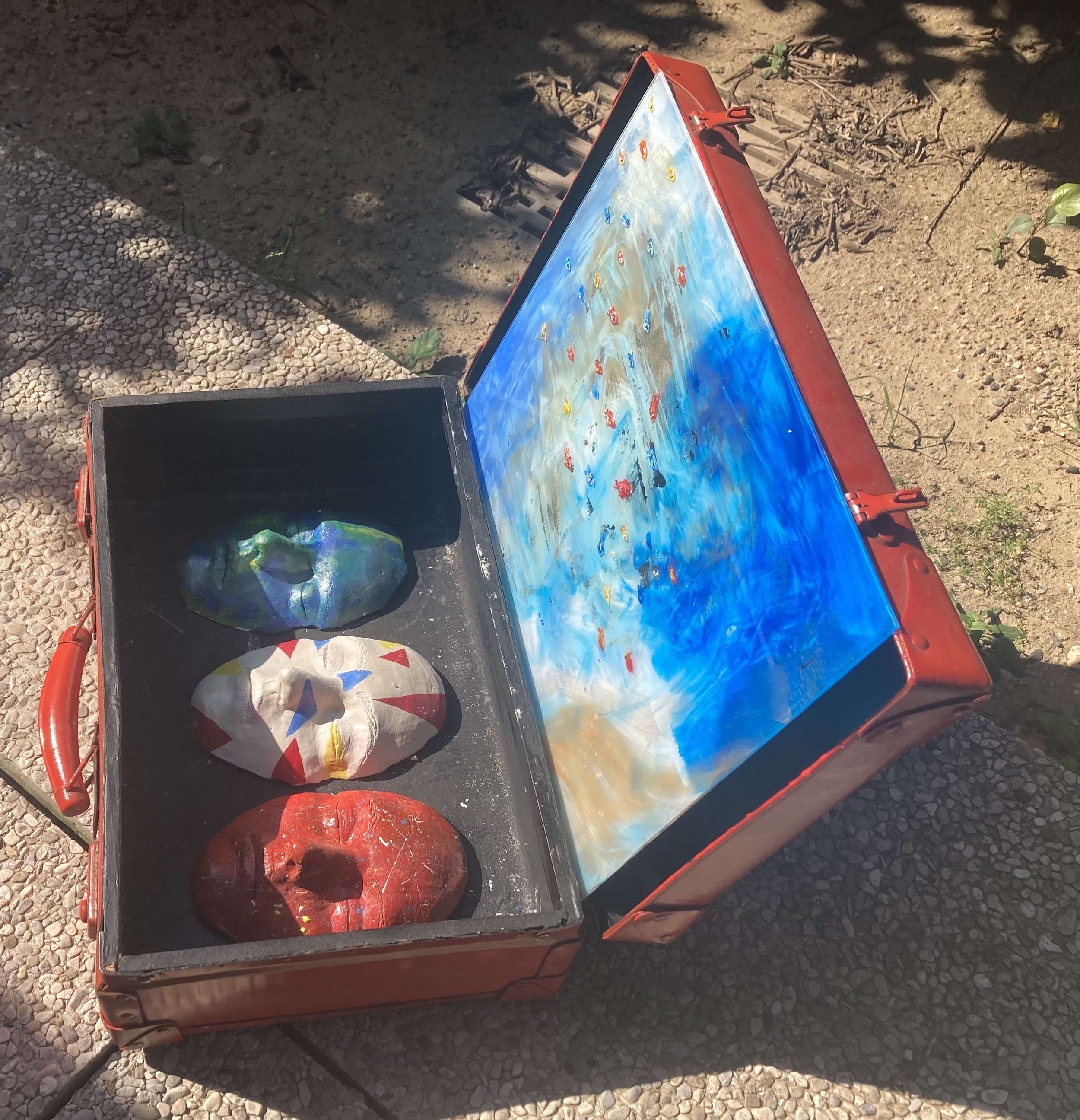
Guest Artist: Sara Cancelliere, Accademia di Brera, Milan, Italy
For 18-year-old artist Sara Cancelliere, art is both a universal language and an intimate act of self-discovery. In this TWoA guest feature, Cancelliere discusses Sogni di un viaggio (2022), a mixed-media self-portrait exploring the idea of the journey—at once physical, emotional, and unconscious. Created while studying at the Accademia di Brera in Milan, the work reflects a young artist’s search for identity through memory, material, and imagination.

Finding Magic in Music: Haruki Murakami
Music is one of the magical aspects of Haruki Murakami’s books, shaping their rhythm, mood, and sense of unreality. From jazz records playing in dim kitchens to classical works that unlock memory and introspection, sound becomes a narrative device as powerful as language itself. In this TWoA essay, Melis Seven traces how Murakami’s lifelong relationship with music informs his writing—blurring the boundaries between listening, dreaming, and storytelling.

How to Become a Cello: Royal Ballet Principal Marcelino Sambé in Cathy Marston’s “The Cellist,” Royal Ballet, 20 October – 2 November 2023
What does it mean to dance an instrument rather than a character? In this TWoA interview, Marcelino Sambé discusses creating the role of “The Instrument” in The Royal Ballet’s The Cellist, choreographed by Cathy Marston. Reflecting on loss, embodiment, and musical intimacy, Sambé reveals how movement, sound, and emotion merge in this haunting tribute to cellist Jacqueline du Pré.

Listen to Jacqueline du Pré!
Few musicians have left a mark as indelible as Jacqueline du Pré. In this TWoA listening feature, Christina Ezrahi revisits du Pré’s iconic interpretation of Edward Elgar’s Cello Concerto in E minor, conducted by Daniel Barenboim. Instinctive, emotionally raw, and deeply human, the performance captures the essence of an artist whose playing continues to move listeners decades on.

Happy Birthday, Pablo Picasso!
Few artists have shaped modern art as profoundly as Pablo Picasso. In this TWoA birthday feature, Melis Seven looks beyond the familiar masterpieces to uncover five lesser-known facts—from Picasso’s precocious childhood to his role in reinventing painting, sculpture, and modern visual language. A concise celebration of an artist whose influence remains impossible to escape.

A Musical Response to Terrorism: Michael Gordon’s “The Sad Park”
Can music respond to violence when words fall short? In this TWoA essay, Christina Ezrahi reflects on The Sad Park, a haunting work by Michael Gordon composed in response to 9/11. Built from children’s recorded voices and performed by the Kronos Quartet, the piece transforms memory, innocence, and grief into sound—asking how art can bear witness to trauma without explanation or spectacle.

Birmingham Royal Ballet: “Black Sabbath - The Ballet”
What happens when heavy metal collides with classical ballet? Christina Ezrahi examines Black Sabbath – The Ballet, Birmingham Royal Ballet’s audacious new production inspired by the city’s most famous band. Conceived by director Carlos Acosta, the three-act work brings the music of Black Sabbath to the stage—blending orchestral power, industrial history, and contemporary choreography to reach audiences far beyond the traditional ballet world.
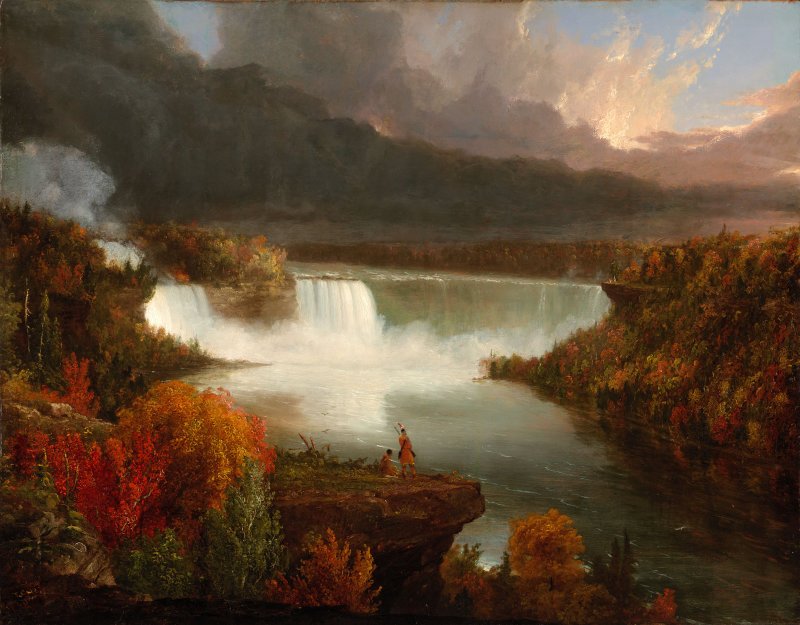
A Glimpse of Autumn
As the seasons shift, landscape painting offers a quiet way to mark the passage of time. In this TWoA reflection, Melis Seven turns to autumnal scenes by Gustave Courbet and Thomas Cole, whose glowing forests and distant horizons capture the warmth, melancholy, and stillness of fall. A meditation on colour, atmosphere, and the subtle poetry of seasonal change.
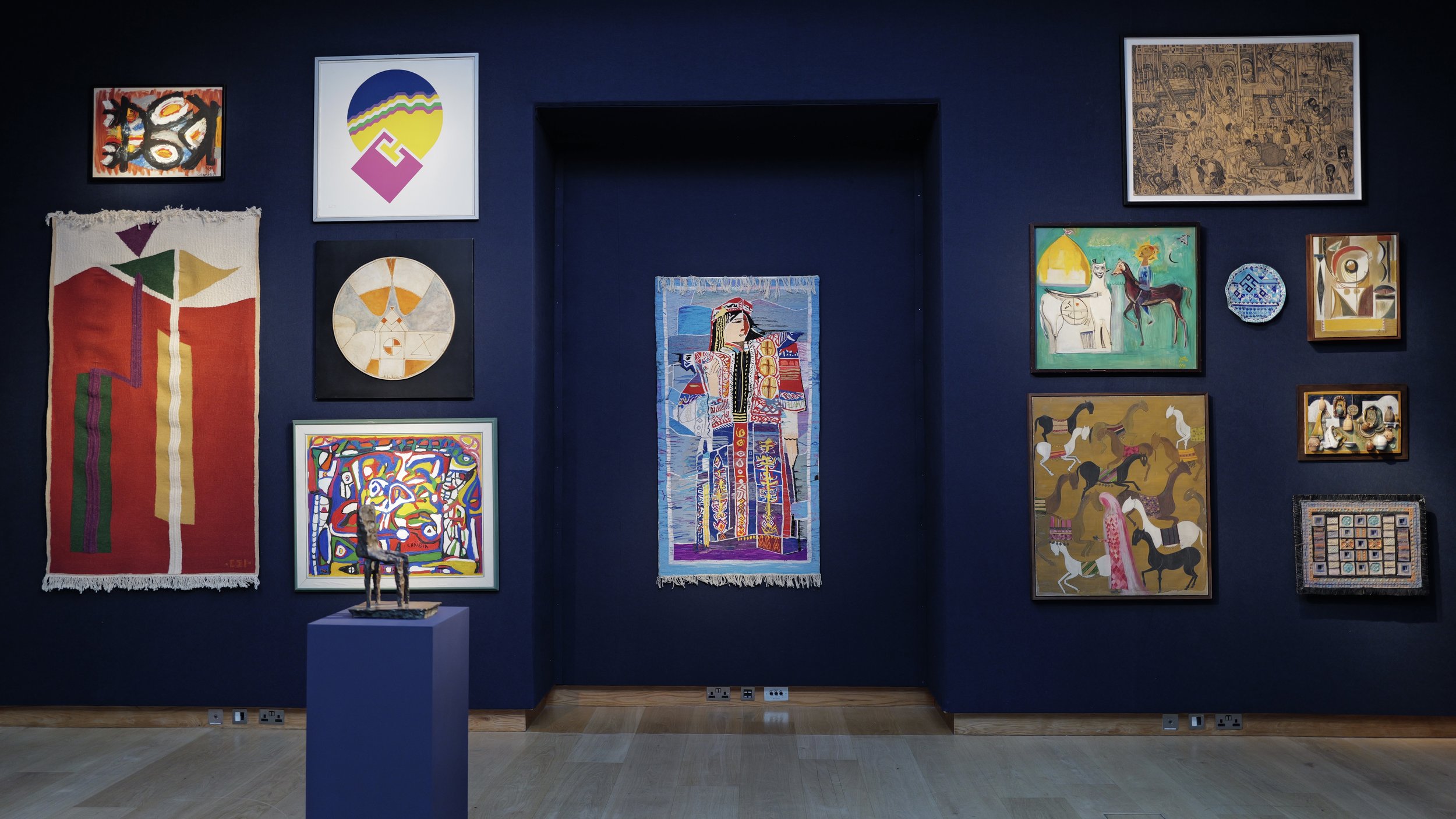
Discovering the Soul of West Asia: The Collection of the Barjeel Art Foundation, Sharjah
Sultan Sooud Al Qassemi has built one of the most diverse and gender-balanced collections of modern and contemporary Arab art. Through the Barjeel Art Foundation, this expansive collection is made widely accessible—much of it available to view online. Not sure where to begin? In this TWoA feature, Lina and Christina Ezrahi trace the stories behind a selection of extraordinary works, offering an entry point into the rich artistic histories of West Asia.

Ai Weiwei: “Know Thyself” and the Power of Lego, neugerriemschneider, Berlin, 14 September 2023 – 30 March 2024
Familiar masterpieces reappear—this time built from Lego bricks. In this TWoA exhibition review, Christina Ezrahi explores Know Thyself, Ai Weiwei’s solo show at neugerriemschneider, where iconic images by Monet and Leonardo are reimagined through memory, politics, and personal history. Playful in material yet grave in meaning, the works reveal how childhood objects can carry the weight of exile, protest, and self-reflection.
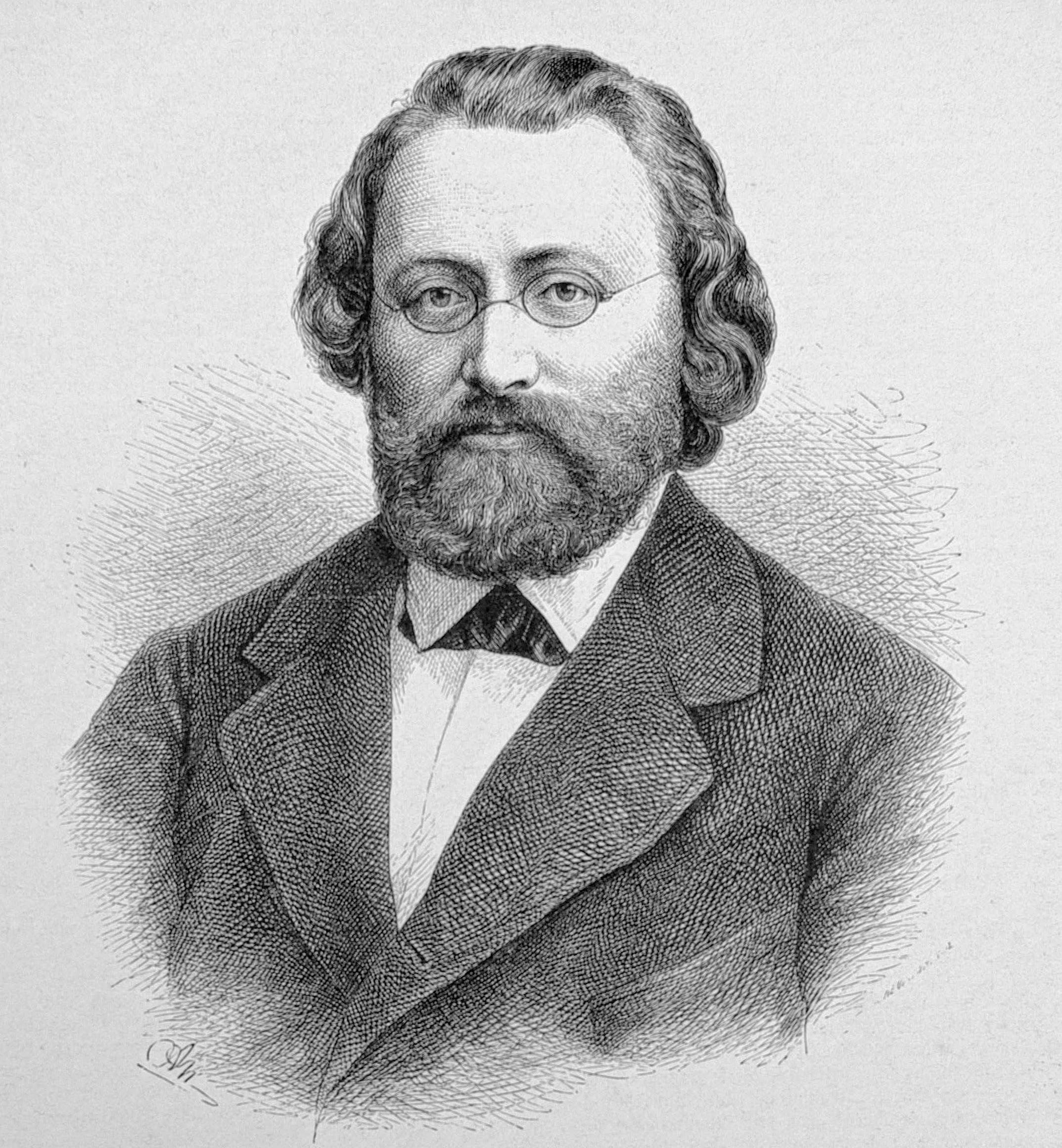
Narrow Escape from the Nazis: Max Bruch’s “Kol Nidrei”
One of the most moving works in the cello repertoire nearly vanished under Nazi rule. In this TWoA essay, Christina Ezrahi traces the extraordinary history of Max Bruch’s Kol Nidrei, a composition rooted in Jewish liturgy that was later banned by the Nazis who falsely believed its composer to be Jewish. A reflection on music, memory, and survival in the shadow of persecution.

How Was Your Summer?
As summer draws to a close, TWoA asked a group of young artists to look back before looking ahead. From festival stages and family homes to concert halls and classrooms, dancers and musicians including Julian MacKay and Seokyoung Hong reflect on the moments that shaped their summer of 2023—and share what they’re carrying with them into the new season.