THE MAGAZINE

Tiffany Poon, Pianist: A Rising Star on Her New Album “Diaries: Schumann”
For Tiffany Poon, music is a space for thinking as much as feeling. In conversation around her new album Diaries: Schumann, the pianist reflects on childhood, philosophy, and the value of daydreaming — tracing how Robert Schumann’s music became a framework for questions about identity, creativity, and what it means to grow into oneself as an artist.

Dancer Dorms
What begins as a carefully imagined dorm room often ends in something far more utilitarian. For a dance major, Pinterest-worthy décor gives way to yoga mats, resistance bands, and improvised stretching tools. In this article, TWoA reflects on how training quietly transforms personal space — turning a room meant for rest into a site of discipline, adaptation, and daily physical negotiation.
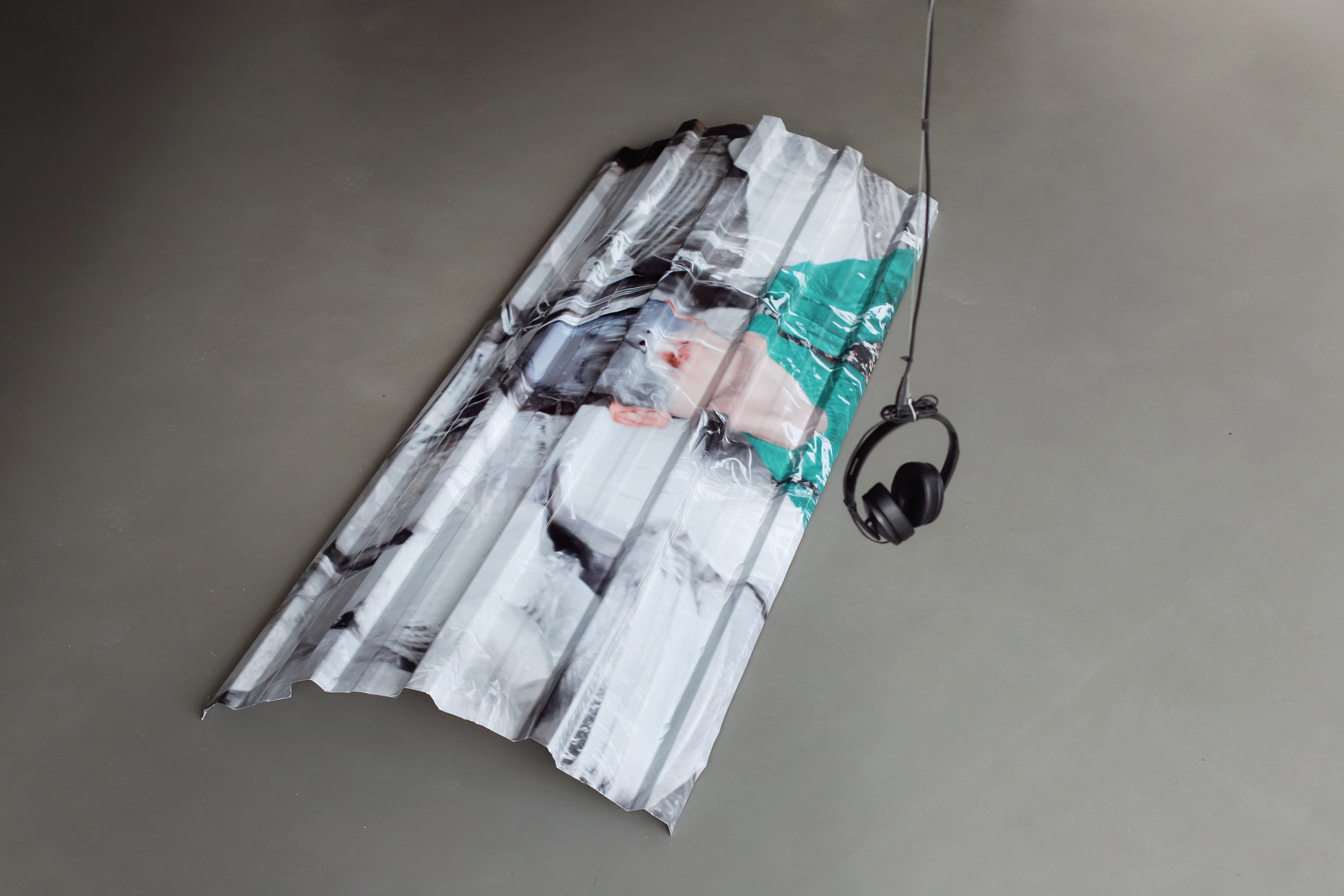
From the Eyes of a Young Photographer: Berk Kır, “Extimacy,” Merdiven Art Space, Istanbul, 5-31 January 2024
In Extimacy, on view at Merdiven Art Space, the young photographer Berk Kır pushes photography beyond the visual. Incorporating sound, found materials, and the urban environment itself, the exhibition invites viewers to encounter images as physical objects — shaped by touch, space, and the quiet thresholds between what is seen, heard, and felt.

Three Curious Facts about Franz Schubert and his ‘Winterreise’
Few works in classical music confront solitude as unflinchingly as Winterreise. Written near the end of Franz Schubert’s short life, the song cycle traces a lonely wanderer through a bleak winter landscape — and, in doing so, reveals much about Schubert’s temperament, his Viennese world, and the private intensity of the Romantic Lied. These three insights shed light on how a deeply personal work became one of music’s most enduring meditations on loss and endurance.

Revelations: A Dance that Reveals the Spirit of Alvin Ailey and the Soul of the African American Story
Since its 1960 premiere, Revelations has stood at the heart of Alvin Ailey American Dance Theater — a work shaped by Alvin Ailey’s childhood memories of the Black church and carried forward by generations of dancers. Moving from sorrow to baptism to communal joy, the piece is less a narrative than a living ritual, offering a shared language of endurance, faith, and celebration within the African American experience

Guest Artist: Ginevra Mastrocola, 19, Brera Academy of Fine Arts, Milan
For Ginevra Mastrocola, art is both refuge and reckoning. In Monomania, created while still a student at the Brera Academy of Fine Arts, she stages a sparse, meditative installation that asks viewers to sit with silence, uncertainty, and the fear of creative inadequacy — revealing how vulnerability itself can become a material for making.

Monet in Winter
Winter was never bleak in the hands of Claude Monet. In snow-covered views of Argenteuil, Lavacourt, and the wheat fields beyond Paris, Monet found not desolation but light — soft skies, muted colour, and the quiet poetry of everyday life slowed by winter. This selection revisits how the Impressionist painter transformed cold, fleeting moments into scenes of calm and warmth.

The Most Perfect Holiday Painting: Antoine Vollon’s “Mound of Butter”
At first glance, Antoine Vollon’s Mound of Butter seems almost absurd: an enormous, glistening heap of dairy, painted with reverence and weight. But look longer, and the still life reveals itself as something more enduring — a meditation on abundance, material pleasure, and the rituals that anchor us to season and memory. Few paintings capture the spirit of holiday indulgence with such unsentimental grace.

Six Favorite Dance Movies in NYC *Unranked
New York has long been a city where dance unfolds in studios, on stages, and in the streets. This unranked selection of six dance films — spanning ballet, musical theatre, documentary, and street styles — offers a way to revisit the city’s rhythms, tensions, and joys, and to see how movement has helped generations of New Yorkers tell their stories on screen.
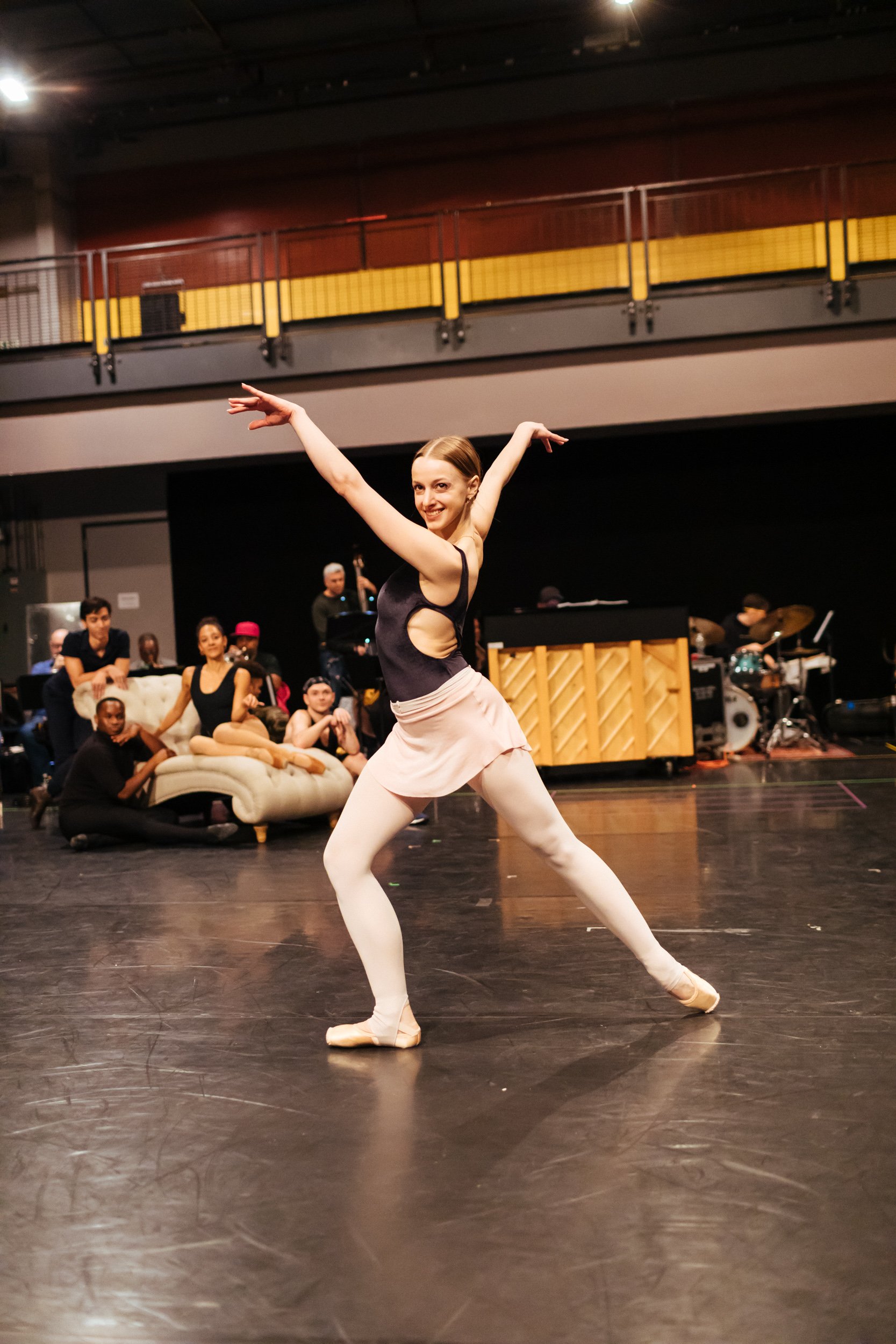
Natascha Mair, Principal Dancer, on “Sugar Hill:” “We all inspired each other!”
After years of performing traditional Nutcracker roles, Natascha Mair found herself inside a very different holiday world. In Sugar Hill — a jazz-driven reimagining set in 1930s Harlem and scored to music by Duke Ellington and Billy Strayhorn — classical ballet meets swing, hip hop, and jazz. In conversation, Mair reflects on collaboration across styles, artistic exchange, and why this Nutcracker feels less like tradition and more like discovery.

Duke Ellington and Billy Strayhorn’s “The Nutcracker Suite”
Holiday traditions have a way of wearing thin. In their 1960 Nutcracker Suite, Duke Ellington and Billy Strayhorn offered an antidote to seasonal fatigue, recasting Tchaikovsky’s familiar melodies in swing, brass, and wit. The result is not parody but reinvention — a reminder that even the most canonical works can still surprise when filtered through a different musical imagination.

Street Artist JR at the Paris Opera: Back to the Cave
While the Paris Opera undergoes restoration, JR has turned its scaffolding into something more than a temporary skin. Retour à la caverne imagines the opera house as a return to humanity’s first artistic impulse — the cave — culminating in a nocturnal performance choreographed by Damien Jalet to music by Thomas Bangalter. With dancers moving like bats beneath embroidered handprints, the project collapses distinctions between street art, ballet, ritual, and monument.

A Ballet Dancer’s Take: On Balletcore
Balletcore promises satin ribbons, slick buns, and legwarmers warmed by nostalgia. But for dancers who have lived inside the studio, the aesthetic can feel strangely hollow. In this essay, former professional dancer Hannah Lipman traces the distance between ballet as fantasy and ballet as discipline, asking whether fashion’s current obsession can move beyond costume to honor the labor, rigor, and movement that define the art form itself. When brands collaborate with dancers like India Bradley of New York City Ballet, Balletcore begins to shift—from static style to something closer to lived motion.

“X: The Life and Times of Malcolm X” at the Metropolitan Opera in New York City Shares the Transformational History of Black American Activist, Malcolm X
Anthony Davis’s X: The Life and Times of Malcolm X brings American history to the Metropolitan Opera with urgency and force. Sung in English and led by a commanding Will Liverman, the opera reframes the life of Malcolm X as a modern, politically resonant work—one that feels unmistakably of the present.

AI as an Artifical Brush: Refik Anadol
In AI as an Artificial Brush, Turkish-American artist Refik Anadol reimagines painting for the algorithmic age. Drawing on machine learning, memory, and data, his hypnotic works—seen at institutions like Museum of Modern Art—blur the line between human imagination and artificial “dreaming,” asking whether creativity can exist without the human hand.

Happy Thanksgiving! Aaron Copland and Martha Graham’s “Appalachian Spring”
Of all the holidays associated with America, Thanksgiving is by far the most uniquely American one. So, if you are looking for a ballet or a classical music piece to get you into the mood for turkey, stuffing and pie, enjoy our feature about Aaron Copland and Martha Graham’s Appalachian Spring.

Benal Tanrısever, Pianist and Educator: Music Starts with the Imagination
For pianist and educator Benal Tanrısever, music is not about flawless execution but imaginative communication. Trained at The Juilliard School and shaped by an international performing career, Tanrısever speaks with TWoA about education, ambition, and why music should belong to everyone—not just professionals.

In Defense of Dogs Playing Poker
Long dismissed as kitsch, Dogs Playing Poker has become one of the most recognisable images in American visual culture. In this sharp, good-humoured essay, Tamar Avishai revisits Cassius Marcellus Coolidge’s iconic painting A Friend in Need (1903), arguing that pleasure, accessibility, and humour have always had a place in art. Moving between connoisseurship and popular taste, the piece asks a simple question: why shouldn’t art also be allowed to amuse?

Cloud Gate: 50 Years of Singing the Song of the Wanderers
For half a century, Cloud Gate Dance Theatre has reshaped contemporary dance through a language rooted in Chinese philosophy and lived experience. Founded by Lin Hwai-min and now led by Cheng Tsung-lung, the company blends meditation, martial arts, and modern choreography into works of striking physical and emotional intensity. As Cloud Gate marks its 50th anniversary, this article reflects on its legacy—and its continued relevance on the global stage.

Choreographer and Composer Olivier Tarpaga (USA/Burkina Faso): Translating Emotion to Movement
For choreographer and composer Olivier Tarpaga, dance begins not with narrative but with feeling. Drawing on experiences rooted in Burkina Faso and the United States, his work transforms global politics, memory, and trauma into visceral movement. In this TWoA profile, Tarpaga discusses translating emotion into choreography—inviting audiences to experience, rather than interpret, the human stories unfolding on stage.