THE MAGAZINE
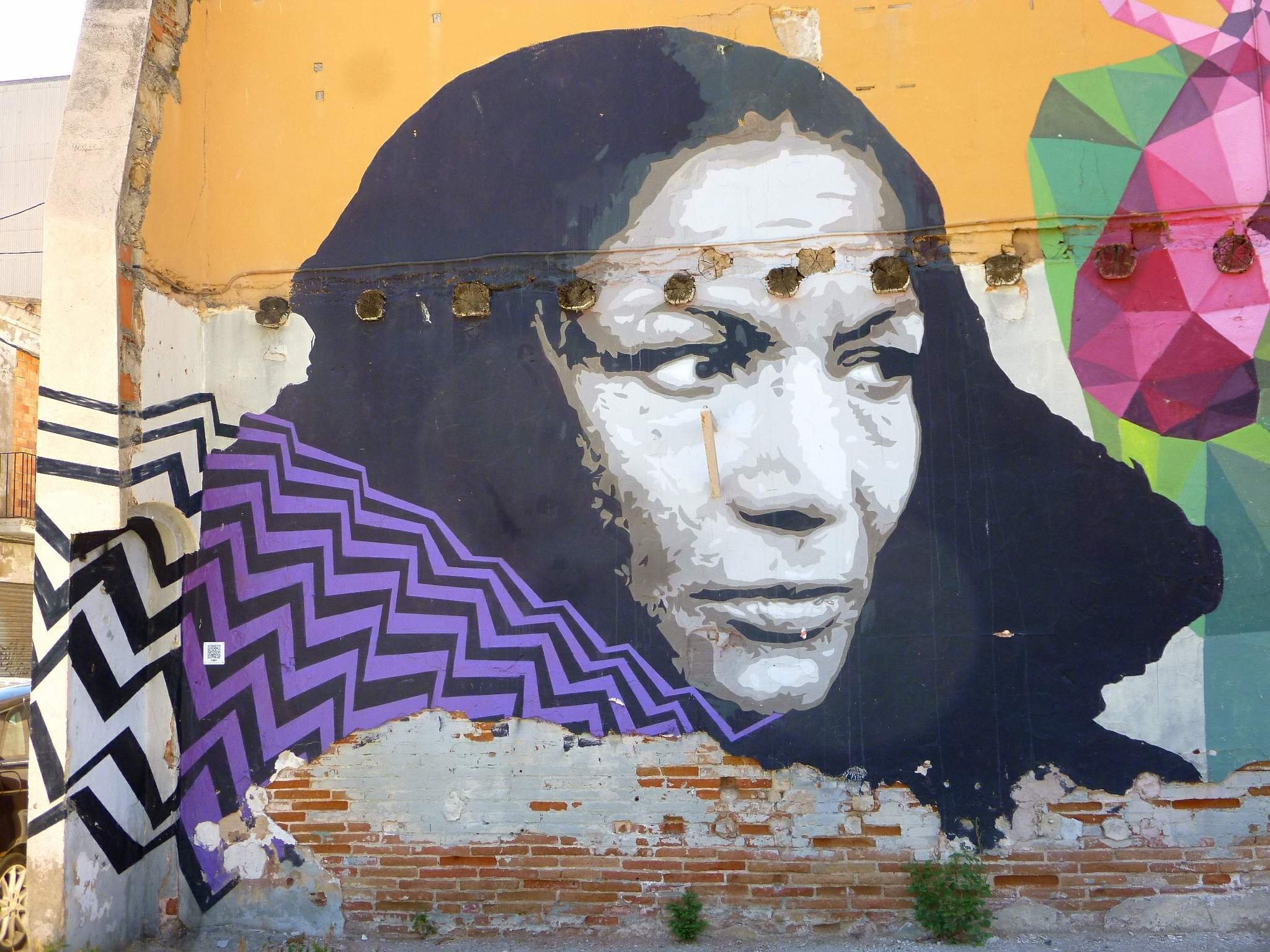
¡Viva Flamenco! From Spain’s Margins to its Center Stage
Once rooted in persecution and survival, flamenco has travelled from the margins of Andalusian society to the center of Spain’s global cultural image. TWoA explores how this deeply expressive art form—shaped by Gitano history, transcontinental exchange, and figures like Carmen Amaya—became both a symbol of resistance and a national spectacle.
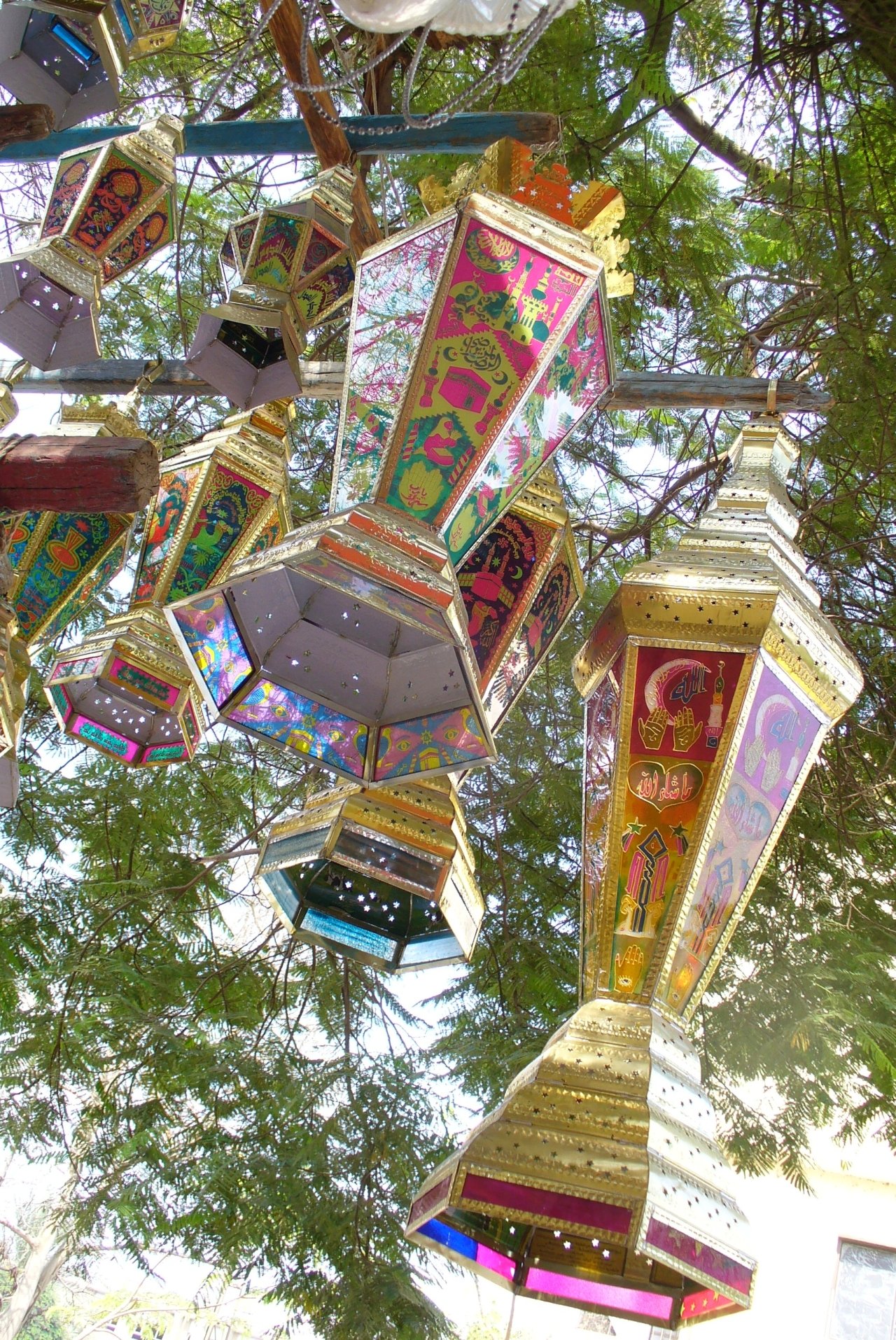
Lights of Spiritual Growth: Ramadan Lanterns
As Ramadan unfolds, its most luminous symbol comes into focus: the fanous. These traditional lanterns, glowing in homes and streets across the Muslim world, embody far more than decoration. Rooted in faith, charity, and spiritual discipline, they reflect Ramadan’s deeper call toward enlightenment, resilience, and communal care. To understand Ramadan, one must follow the light.

Pablo Picasso in Music: “Formes en l’air” by Artur Lourié
What happens when Cubism leaves the canvas and enters the concert hall? In Formes en l’air (1915), Russian composer Artur Lourié transforms Pablo Picasso’s fractured visual language into an experimental piano score that reimagines how music can be seen, read, and heard.

Two Ballets for Easter
ooking for an Easter ballet? These two works capture the season’s dual spirit — from John Neumeier’s profound meditation on faith and forgiveness to Frederick Ashton’s charming celebration of spring, rabbits, and renewal.
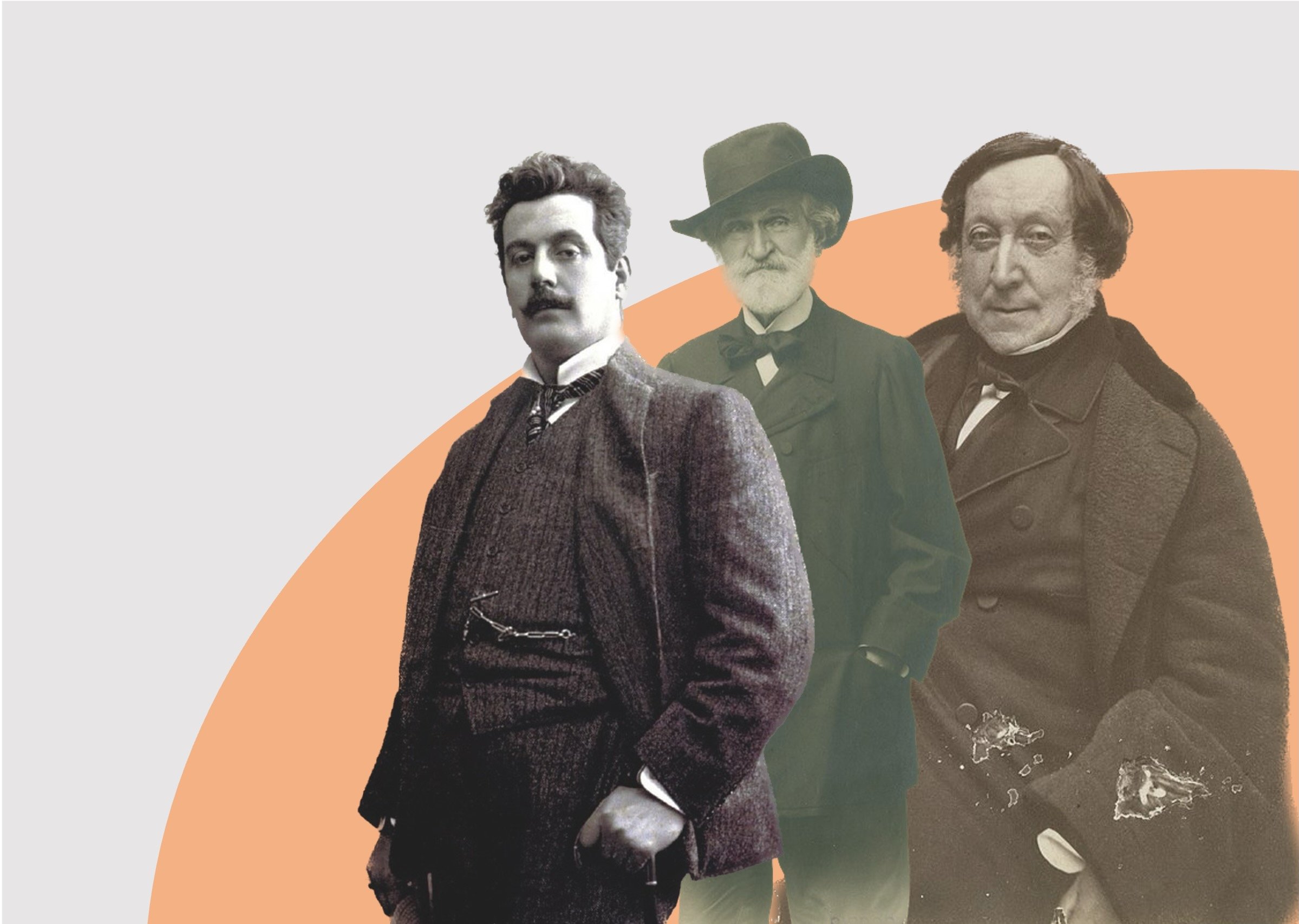
Eating the Opera: The Recipes Behind Three of Italy’s Most Celebrated Composers
Good music isn’t made on an empty stomach. From extravagant truffles to simple, nourishing beans, this article pairs iconic operatic works with the favourite recipes of Italy’s most celebrated composers — from Gioachino Rossini’s legendary love of indulgent cuisine, to Giacomo Puccini’s humble student meals, and Giuseppe Verdi’s rustic countryside fare — proving that opera is, quite literally, a feast for all the senses.
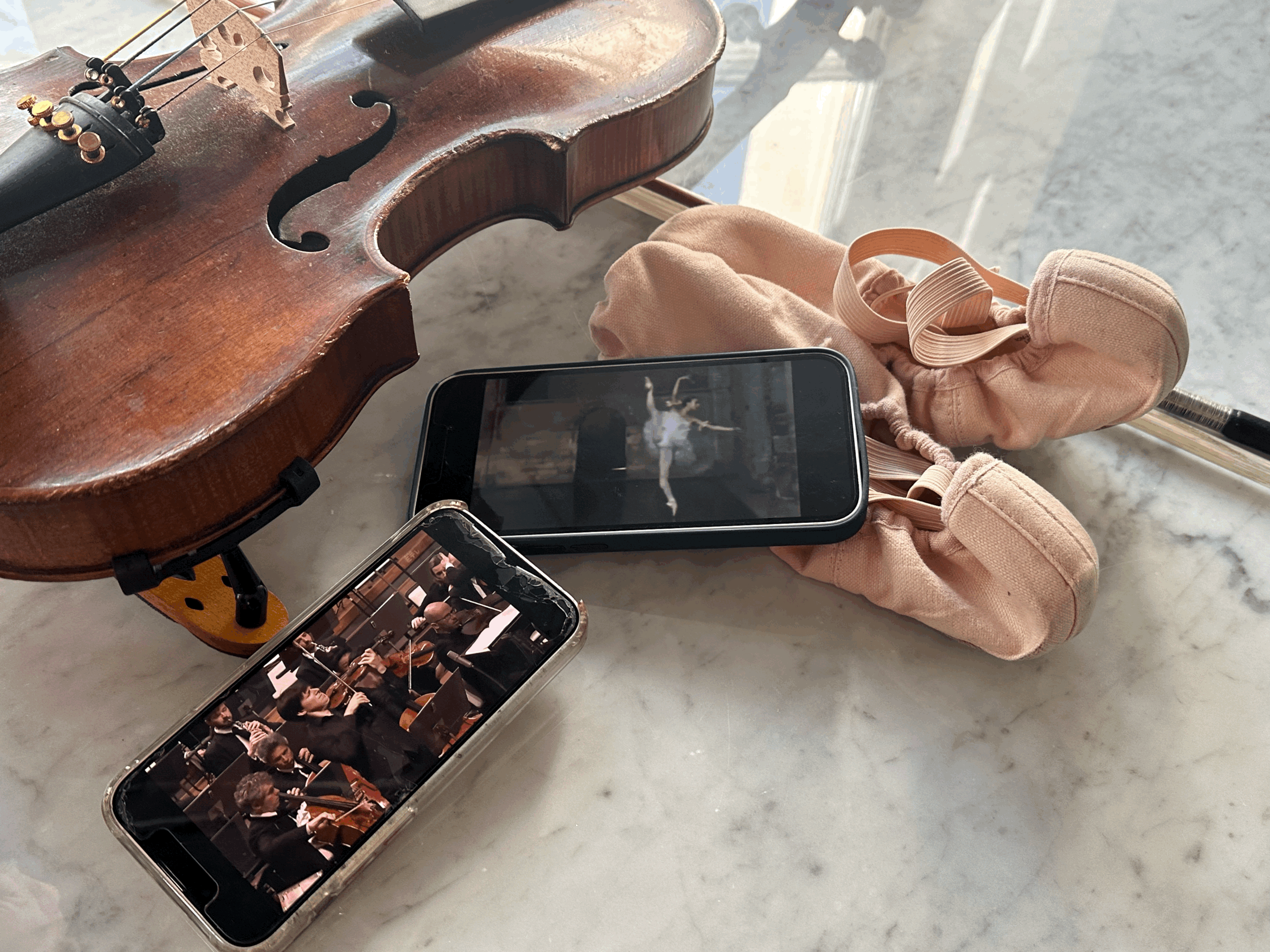
Arguing for Instagram: How Algorithmic Addiction Can Advance the Dancer
What if procrastination isn’t the enemy of progress? From late-night scrolling to slow-motion rewatches, this article argues that Instagram’s algorithm — when used actively — can become an unexpected tool for technical growth, artistic confidence, and deeper engagement with dance.

Let’s Get Corny: Grant Wood’s Portrait of Rural America
Few American paintings have been interpreted — or misinterpreted — as often as Grant Wood’s American Gothic. Long reduced to parody or polemic, the work resists easy meaning. This essay revisits Wood’s intentions, his Midwestern roots, and how a single image came to reflect America’s shifting ideas about home, dignity, and belonging.

Sumina Studer, Violinist and Music Entrepreneur: London’s Hidden Music and Art Spots
For award-winning violinist and music entrepreneur Sumina Studer, London is less a backdrop than a network of encounters — museums revisited, concert halls scaled to intimacy, and informal spaces where music feels newly alive. In this conversation, the violinist reflects on the city’s creative ecology, the value of risk-taking in classical music, and how art spaces shape the way we listen, live, and connect.

Inspiring Words at the 2024 Prix de Lausanne
Amid the intensity of competition at the Prix de Lausanne, the most enduring moments came not from medals, but from memory and meaning. In speeches that resonated far beyond the stage, Alessandra Ferri and Darcey Bussell reflected on fear, freedom, and the responsibility of art — offering young dancers a vision of ballet rooted not in perfection, but in purpose.

Introducing Choreographer Merce Cunningham: Embracing Chance in Modern Dance
For Merce Cunningham, uncertainty was not a flaw in performance but its driving force. Rejecting narrative, emotional prescription, and fixed structure, he invited chance into every layer of choreography — from sequencing to sound. This introduction revisits how Cunningham’s radical trust in unpredictability reshaped modern dance and continues to challenge how artists think about control, collaboration, and risk.

A Kiss for Valentine’s Day
Few images of love are as instantly recognisable as Gustav Klimt’s The Kiss. Often reduced to a decorative symbol of romance, the painting rewards closer attention. This essay revisits Klimt’s gilded masterpiece, exploring how ornament, symbolism, and subtle gesture turn a fleeting embrace into something enduring — intimate, enigmatic, and profoundly human.

Tiffany Poon, Pianist: A Rising Star on Her New Album “Diaries: Schumann”
For Tiffany Poon, music is a space for thinking as much as feeling. In conversation around her new album Diaries: Schumann, the pianist reflects on childhood, philosophy, and the value of daydreaming — tracing how Robert Schumann’s music became a framework for questions about identity, creativity, and what it means to grow into oneself as an artist.

Dancer Dorms
What begins as a carefully imagined dorm room often ends in something far more utilitarian. For a dance major, Pinterest-worthy décor gives way to yoga mats, resistance bands, and improvised stretching tools. In this article, TWoA reflects on how training quietly transforms personal space — turning a room meant for rest into a site of discipline, adaptation, and daily physical negotiation.
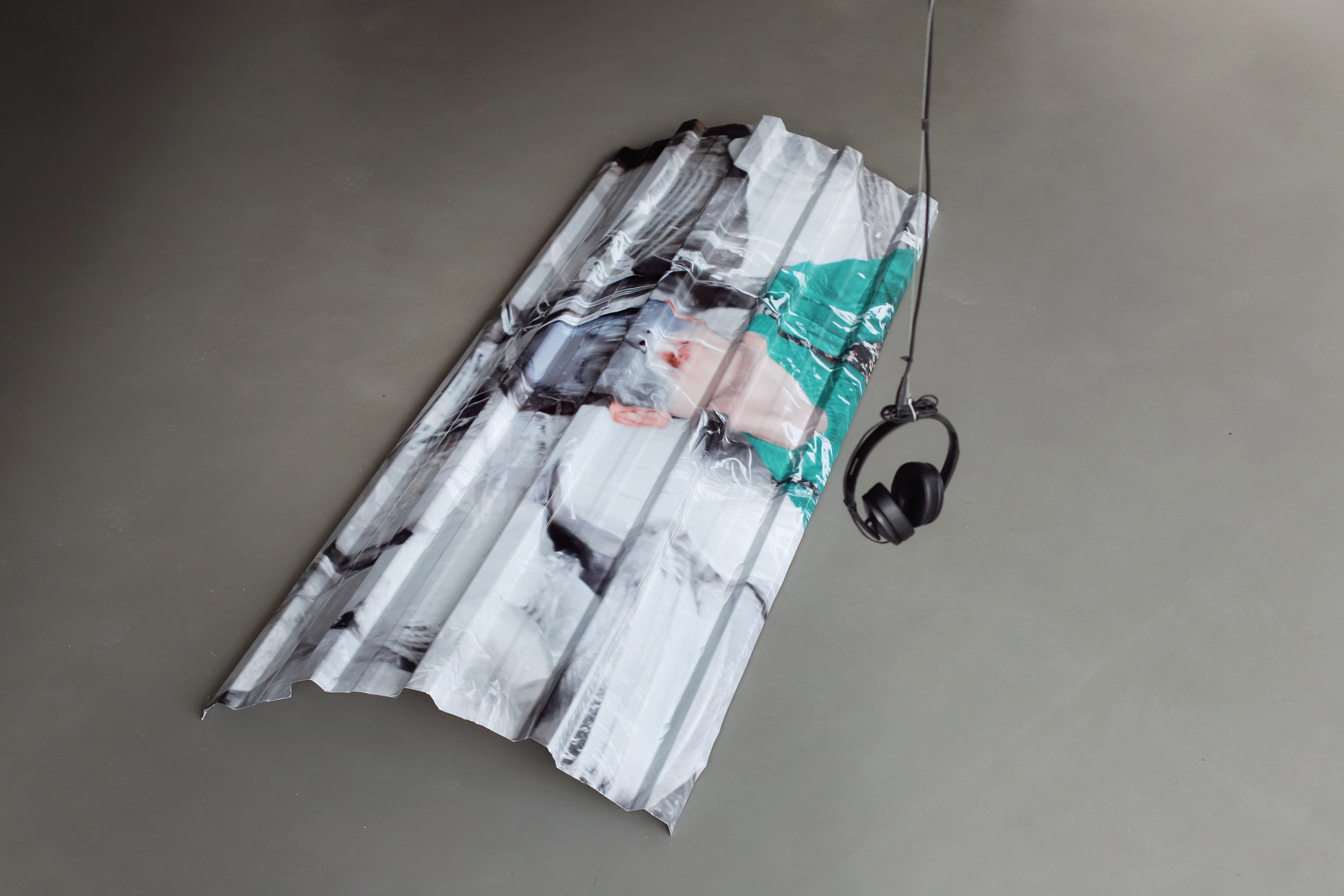
From the Eyes of a Young Photographer: Berk Kır, “Extimacy,” Merdiven Art Space, Istanbul, 5-31 January 2024
In Extimacy, on view at Merdiven Art Space, the young photographer Berk Kır pushes photography beyond the visual. Incorporating sound, found materials, and the urban environment itself, the exhibition invites viewers to encounter images as physical objects — shaped by touch, space, and the quiet thresholds between what is seen, heard, and felt.

Three Curious Facts about Franz Schubert and his ‘Winterreise’
Few works in classical music confront solitude as unflinchingly as Winterreise. Written near the end of Franz Schubert’s short life, the song cycle traces a lonely wanderer through a bleak winter landscape — and, in doing so, reveals much about Schubert’s temperament, his Viennese world, and the private intensity of the Romantic Lied. These three insights shed light on how a deeply personal work became one of music’s most enduring meditations on loss and endurance.

Revelations: A Dance that Reveals the Spirit of Alvin Ailey and the Soul of the African American Story
Since its 1960 premiere, Revelations has stood at the heart of Alvin Ailey American Dance Theater — a work shaped by Alvin Ailey’s childhood memories of the Black church and carried forward by generations of dancers. Moving from sorrow to baptism to communal joy, the piece is less a narrative than a living ritual, offering a shared language of endurance, faith, and celebration within the African American experience

Guest Artist: Ginevra Mastrocola, 19, Brera Academy of Fine Arts, Milan
For Ginevra Mastrocola, art is both refuge and reckoning. In Monomania, created while still a student at the Brera Academy of Fine Arts, she stages a sparse, meditative installation that asks viewers to sit with silence, uncertainty, and the fear of creative inadequacy — revealing how vulnerability itself can become a material for making.

Monet in Winter
Winter was never bleak in the hands of Claude Monet. In snow-covered views of Argenteuil, Lavacourt, and the wheat fields beyond Paris, Monet found not desolation but light — soft skies, muted colour, and the quiet poetry of everyday life slowed by winter. This selection revisits how the Impressionist painter transformed cold, fleeting moments into scenes of calm and warmth.

The Most Perfect Holiday Painting: Antoine Vollon’s “Mound of Butter”
At first glance, Antoine Vollon’s Mound of Butter seems almost absurd: an enormous, glistening heap of dairy, painted with reverence and weight. But look longer, and the still life reveals itself as something more enduring — a meditation on abundance, material pleasure, and the rituals that anchor us to season and memory. Few paintings capture the spirit of holiday indulgence with such unsentimental grace.

Six Favorite Dance Movies in NYC *Unranked
New York has long been a city where dance unfolds in studios, on stages, and in the streets. This unranked selection of six dance films — spanning ballet, musical theatre, documentary, and street styles — offers a way to revisit the city’s rhythms, tensions, and joys, and to see how movement has helped generations of New Yorkers tell their stories on screen.