THE MAGAZINE

Celebrating NYCB’s 75th Anniversary with a Round of Dancer Doppelgangers!
As New York City Ballet celebrates 75 years, TWoA looks at how today’s dancers quietly carry the past in their bodies—through shared steps, familiar musicality, and inherited style. Think lineage over nostalgia: elegance, memory, Balanchine speed, and the subtle thrill of seeing history reappear in motion.
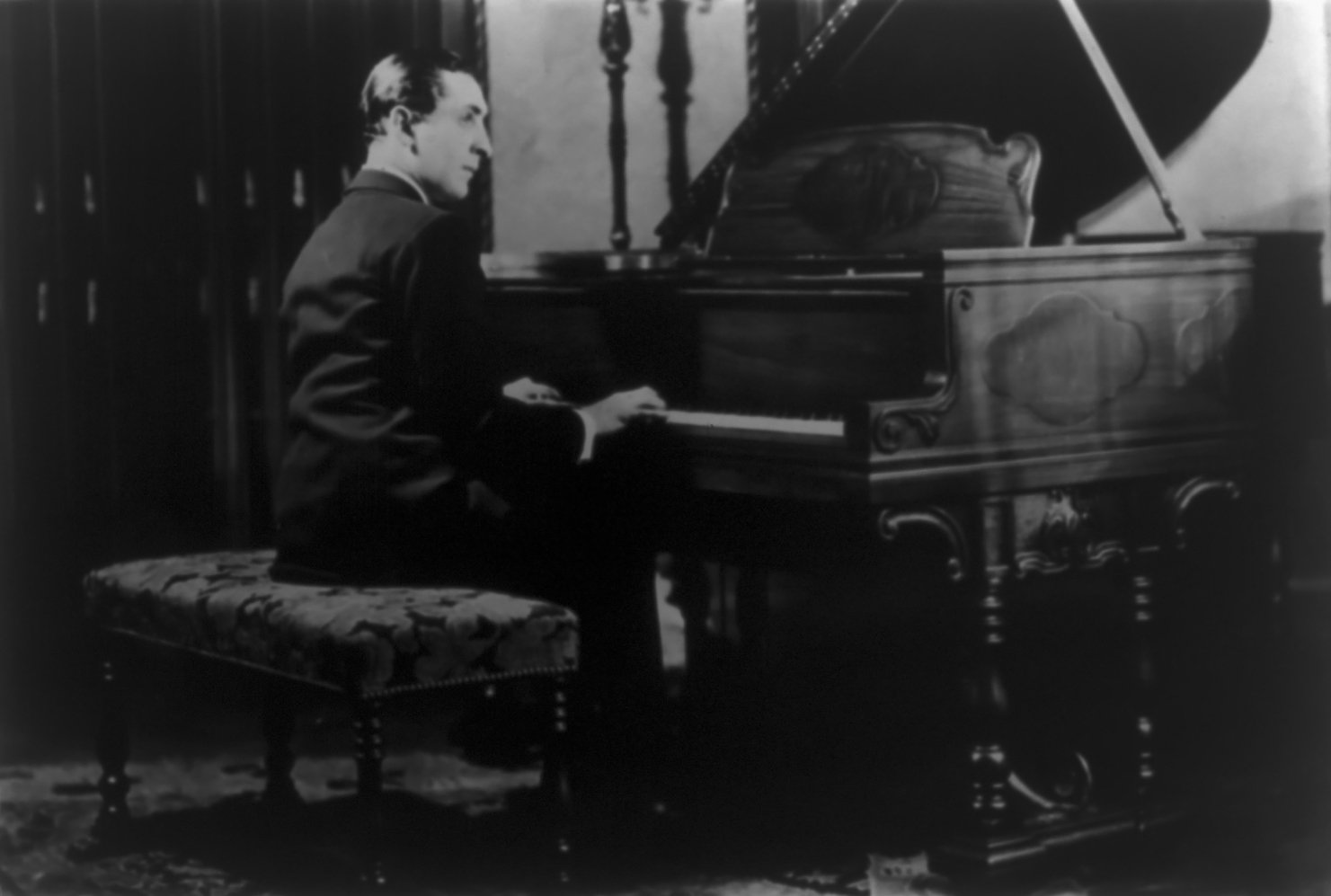
The Secret to Playing like Horowitz: A Look Into Classical Improvisation
Legendary pianist Vladimir Horowitz believed musical truth begins where intellect loosens its grip; taking this idea seriously, Hector Wolff revisits classical improvisation as a neglected but vital practice—one that reframes virtuosity, risk, and emotional agency in music-making today.

Spencer Rubin’s Guide to New York
Oboist Spencer Rubin maps New York through habits rather than landmarks—brunch counters, practice rooms, museum detours, and late-day walks along the Hudson. Moving between The Juilliard School, Lincoln Center, and the city’s quieter cultural corners, this guide reads the city as a lived ecosystem where artistic discipline, everyday pleasure, and urban energy continuously overlap.
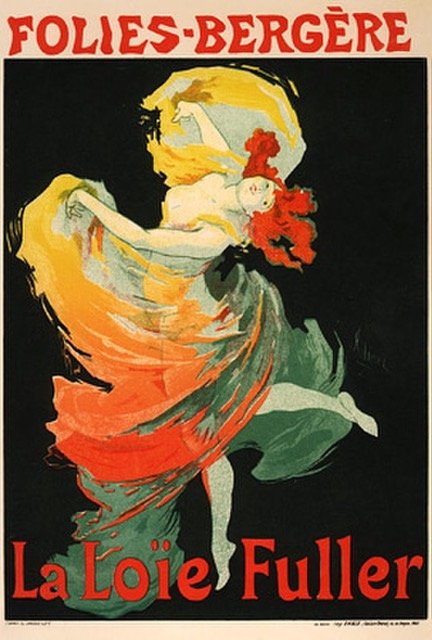
Meet Taylor Swift’s Muse: Dancer and Innovator Loïe Fuller
Long before pop spectacle and immersive stagecraft became industry standards, Loïe Fuller was reshaping dance through light, fabric, and motion at the Folies Bergère. Tracing her influence from Symbolist circles to Taylor Swift’s stadium tours, this article revisits Fuller not as a historical curiosity but as a foundational figure in questions of authorship, technology, and artistic ownership that still resonate today.
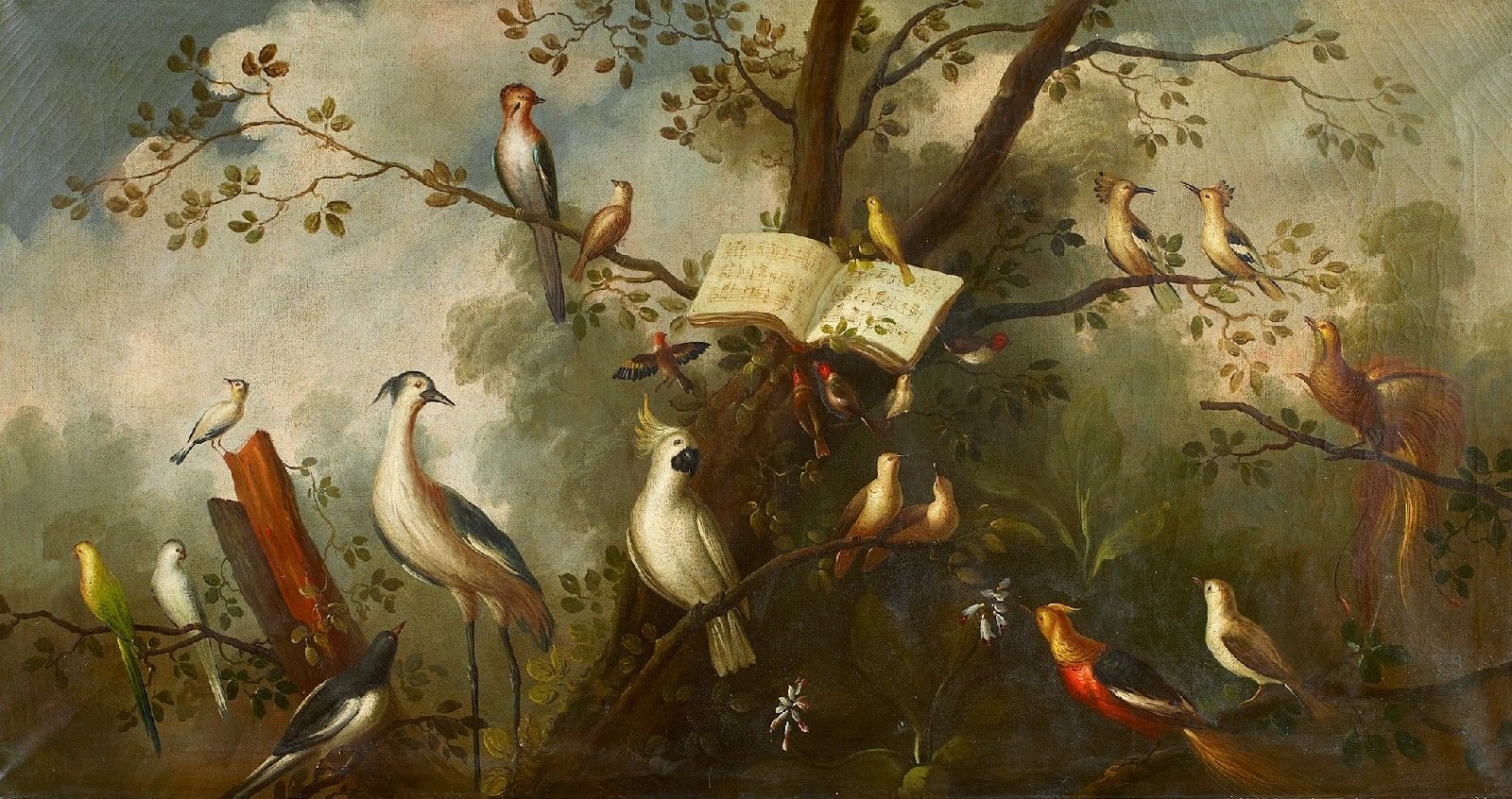
Did Composers Wing It? Four Piano Pieces that Imitate Birdsong
From Liszt to Messiaen, composers have long turned to birdsong as both model and provocation. Tracing four piano works by Franz Liszt, Maurice Ravel, Olivier Messiaen, and Takashi Yoshimatsu, TWoA asks whether imitation, improvisation, or something closer to translation lies at the heart of music’s enduring fascination with the natural world.

Spencer Rubin, Oboe Student, The Juilliard School: On Oboe Reeds, Juilliard and Favourite Oboe Concertos
In a conversation with Spencer Rubin, TWoA explores the realities of building a contemporary classical career around one of music’s most demanding instruments. A student at The Juilliard School, Rubin reflects on his musical journey, from competition stages and solo appearances with orchestras to the painstaking craft of reed-making. Beyond the concert hall, TWoA also looks at how Rubin uses social media to demystify the oboe and open classical music to new audiences, navigating tradition, visibility, and virtuosity in equal measure.

The Harlem Renaissance and Transatlantic Modernism, The Metropolitan Museum of Art, New York, through 28 July 2024
Who determines which artists take a central place in history, and which are marginalised or erased from cultural memory? TWoA explores a major exhibition at the Metropolitan Museum of Art that reframes the Harlem Renaissance—the first African American–led movement of modern art—as a central force in American art and transatlantic modernism, challenging long-standing hierarchies of the canon.

The Dancing King: Ballet in Ancien Régime France
TWoA explores how ballet functioned as an instrument of power in Ancien Régime France, where dance shaped politics, etiquette, and spectacle alike. Centered on the reign of Louis XIV, the article traces how court ballet, royal image-making, and the institutional codification of dance transformed movement into a language of authority—one in which grace, control, and choreography became inseparable from sovereignty itself.

Considering Practice, Remembering Fun
TWoA explores what happens when practice slips from joy into pressure, tracing one musician’s uneasy relationship with auditions, self-comparison, and fear—and the slow, deliberate rediscovery of music-making as something grounded in curiosity, pleasure, and everyday attention rather than perfection or proof.

Press A to Play: The Power of Video Game Music
Ever wondered how video game music shapes tension, narrative, and emotion in real time—from looping soundscapes to Wagnerian leitmotifs? TWoA has the answer; tracing how scores from franchises like The Legend of Zelda and Fortnite challenge classical ideas of form, authorship, and listening, TWoA makes the case for video game music as one of the most sophisticated musical languages of our time.

Noa Kageyama, Performance Psychologist (The Juilliard School): Making Performers Bulletproof, Part II
In the second part of its conversation with performance psychologist Noa Kageyama, TWoA turns to the quieter work behind strong performances: practicing confidence, reframing anxiety, and learning how to stay resilient over the long arc of a musical life. Drawing on sport psychology and lived experience, Kageyama reflects on growth, patience, and what it really means to become “bulletproof.”

Finding Unity Amidst Conflict: The Intersection of Art and Human Rights
How can art bear witness to injustice—and what does it mean to look, rather than look away? TWoA explores how artists from Francisco de Goya to contemporary street artist JR have used visual language to confront war, oppression, and human rights abuses, tracing how art can function as both testimony and quiet resistance across centuries of conflict.

Noa Kageyama, Performance Psychologist (The Juilliard School): Making Performers Bulletproof, Part I
Performance psychologist Noa Kageyama, who teaches at The Juilliard School, reflects on how performers can work with pressure rather than against it, drawing on sport psychology to rethink anxiety, confidence, practice, and mental resilience. Read on for more.

Yuka Iwai 岩井優花, Principal Soloist, K-Ballet Tokyo: How to Prepare for an Unexpected Debut
When a last-minute casting upends months of preparation, TWoA explores how Yuka Iwai, principal soloist at K-Ballet Tokyo, prepared to step into Giselle with just two weeks’ notice—reflecting on pressure, partnership, and the fragile balance between instinct and control in an unexpected debut.
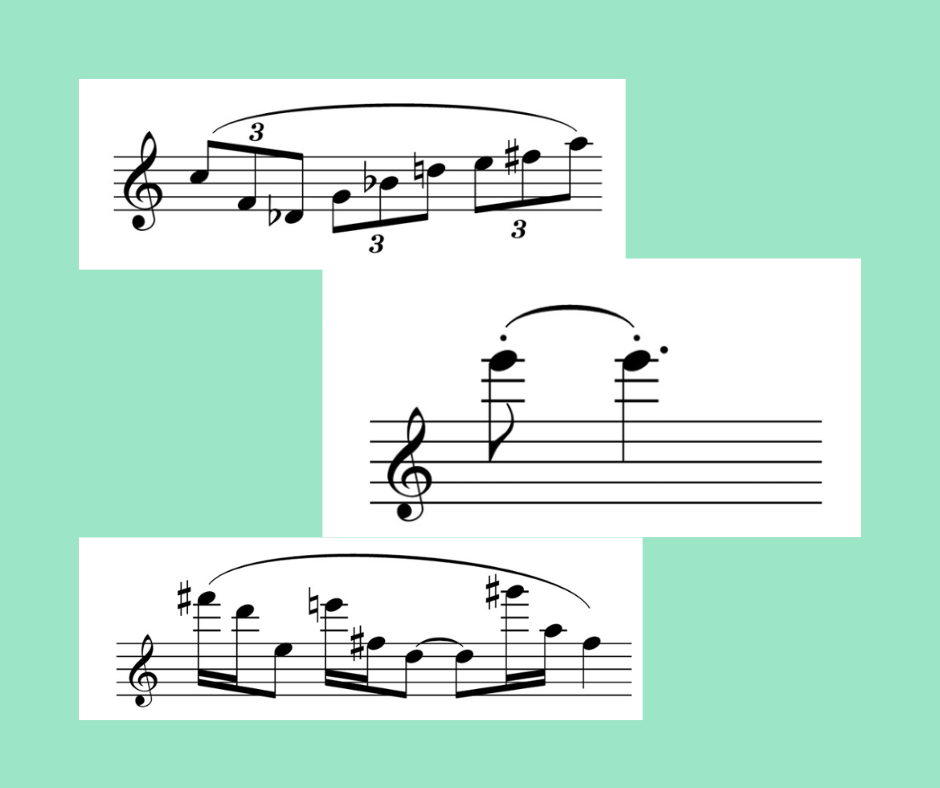
Guest Composer: Daniel Liu, Clare College, University of Cambridge
How can constraint become a source of freedom? TWoA explores how Daniel Liu, a composer at Clare College, University of Cambridge, builds a “musical machine” from repetition, permutation, and intuition—drawing on precedents from Igor Stravinsky and Michael Tippett to reflect on process, structure, and memory in contemporary composition.
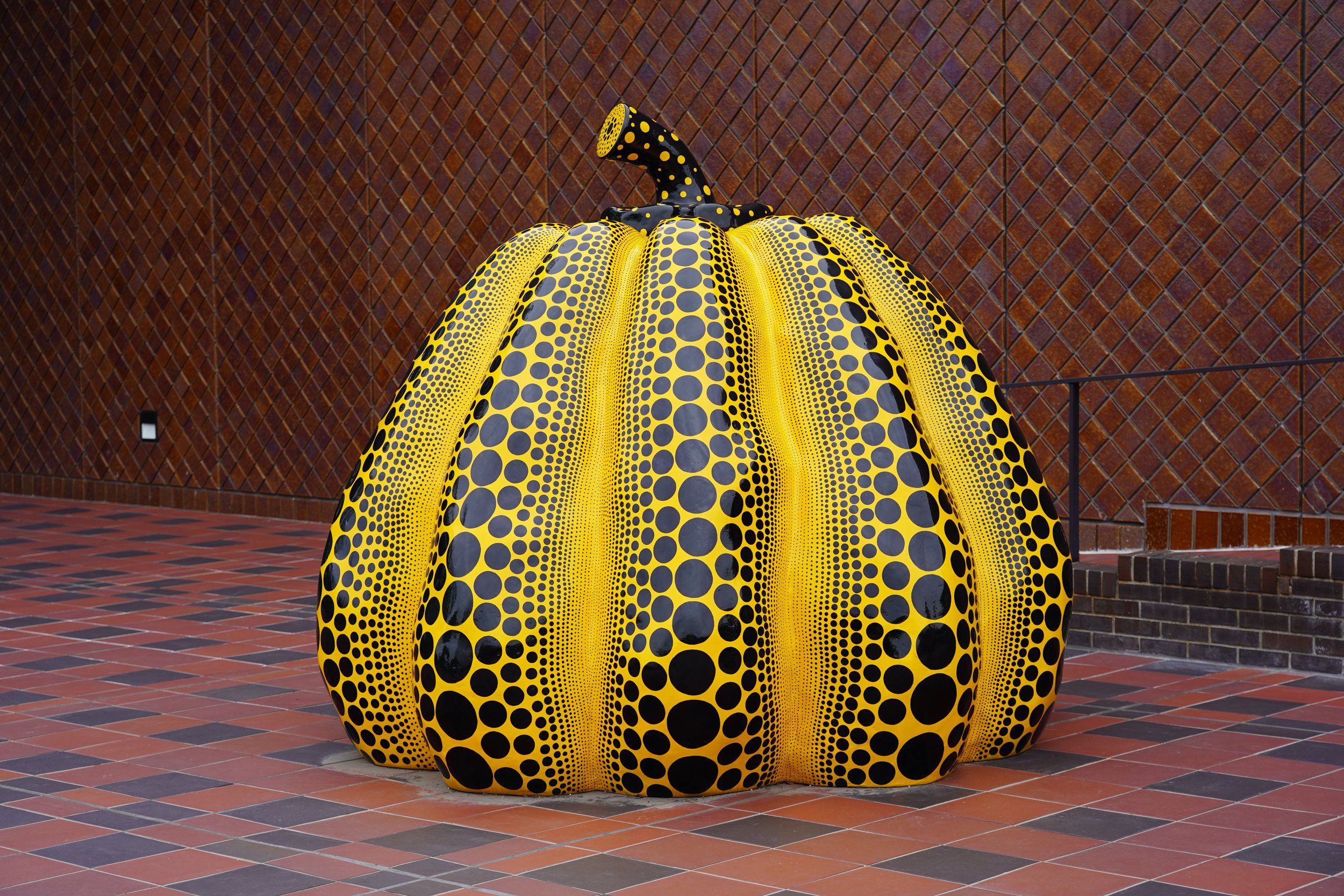
Emotions and Trauma: Through the Eyes of Art
How have artists transformed inner turmoil into visual language? TWoA explores how Vincent van Gogh, Louise Bourgeois, and Yayoi Kusama turned experiences of anxiety, trauma, and psychological distress into works that frame art not only as expression, but as survival and repair.
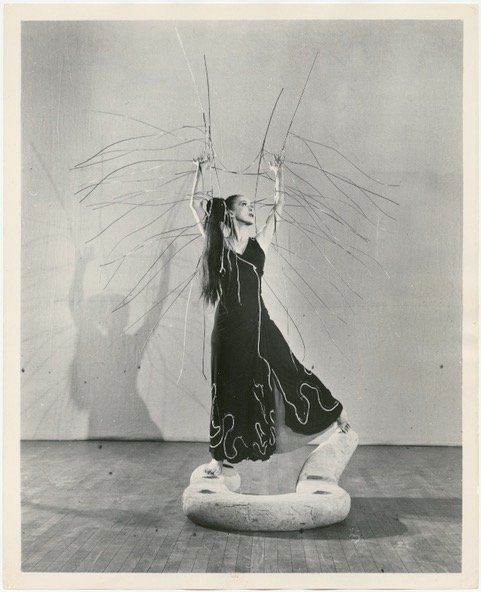
Ancient Stories, Modern Storyteller: Celebrating Martha Graham
How can ancient myth speak to modern bodies? **TWoA explores how Martha Graham transformed Greek mythology into a radical, emotionally charged language of movement—and how her collaborations with artists like Isamu Noguchi turned dance into a total work of storytelling, where gesture, space, and sculpture carry timeless human conflict.

Review: Carmen at the Metropolitan Opera: Out With the Old and In With the New?
How do you modernize past operas for contemporary society without hollowing out their dramatic core? It’s a fine line between honoring tradition and injecting new urgency—and TWoA explores whether Carrie Cracknell’s new production of Carmen at The Metropolitan Opera in New York City finds that balance, or loses something essential in the process.

Eunike Tanzil, Composer, Pianist and Producer: On “Star Wars,” Composing and Finding Your Voice
How does a composer find her voice between cinema, concert hall, and social media? TWoA explores how Eunike Tanzil draws inspiration from Star Wars and John Williams, turns hummed melodies into symphonic music, and carves out a distinctive artistic path following her signing with Deutsche Grammophon.

Will Social Media Shape the Future of Classical Music?
Can social media shape the future of classical music? TWoA traces how platforms like TikTok, Instagram, and YouTube are transforming how audiences discover, experience, and reimagine the genre—through creators and performers such as TwoSet Violin, Anna Lapwood, and Spencer Rubin—and whether this digital shift can move classical music beyond outreach toward real cultural change.