THE MAGAZINE

Press A to Play: The Power of Video Game Music
Ever wondered how video game music shapes tension, narrative, and emotion in real time—from looping soundscapes to Wagnerian leitmotifs? TWoA has the answer; tracing how scores from franchises like The Legend of Zelda and Fortnite challenge classical ideas of form, authorship, and listening, TWoA makes the case for video game music as one of the most sophisticated musical languages of our time.

Noa Kageyama, Performance Psychologist (The Juilliard School): Making Performers Bulletproof, Part II
In the second part of its conversation with performance psychologist Noa Kageyama, TWoA turns to the quieter work behind strong performances: practicing confidence, reframing anxiety, and learning how to stay resilient over the long arc of a musical life. Drawing on sport psychology and lived experience, Kageyama reflects on growth, patience, and what it really means to become “bulletproof.”

Noa Kageyama, Performance Psychologist (The Juilliard School): Making Performers Bulletproof, Part I
Performance psychologist Noa Kageyama, who teaches at The Juilliard School, reflects on how performers can work with pressure rather than against it, drawing on sport psychology to rethink anxiety, confidence, practice, and mental resilience. Read on for more.
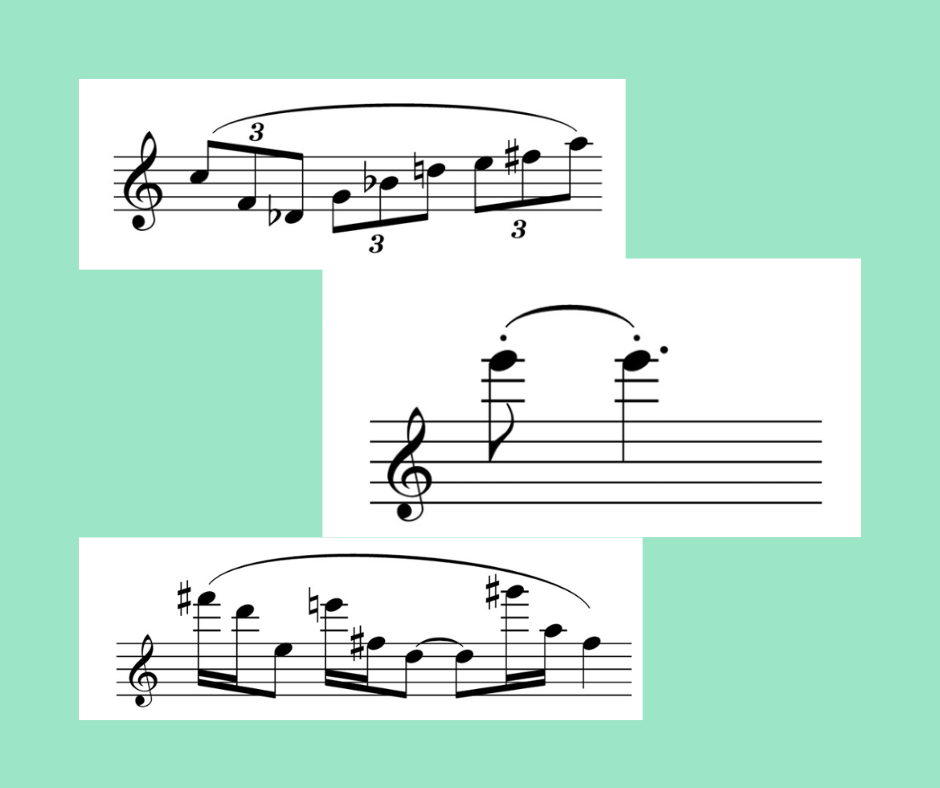
Guest Composer: Daniel Liu, Clare College, University of Cambridge
How can constraint become a source of freedom? TWoA explores how Daniel Liu, a composer at Clare College, University of Cambridge, builds a “musical machine” from repetition, permutation, and intuition—drawing on precedents from Igor Stravinsky and Michael Tippett to reflect on process, structure, and memory in contemporary composition.

Review: Carmen at the Metropolitan Opera: Out With the Old and In With the New?
How do you modernize past operas for contemporary society without hollowing out their dramatic core? It’s a fine line between honoring tradition and injecting new urgency—and TWoA explores whether Carrie Cracknell’s new production of Carmen at The Metropolitan Opera in New York City finds that balance, or loses something essential in the process.

Eunike Tanzil, Composer, Pianist and Producer: On “Star Wars,” Composing and Finding Your Voice
How does a composer find her voice between cinema, concert hall, and social media? TWoA explores how Eunike Tanzil draws inspiration from Star Wars and John Williams, turns hummed melodies into symphonic music, and carves out a distinctive artistic path following her signing with Deutsche Grammophon.

Will Social Media Shape the Future of Classical Music?
Can social media shape the future of classical music? TWoA traces how platforms like TikTok, Instagram, and YouTube are transforming how audiences discover, experience, and reimagine the genre—through creators and performers such as TwoSet Violin, Anna Lapwood, and Spencer Rubin—and whether this digital shift can move classical music beyond outreach toward real cultural change.
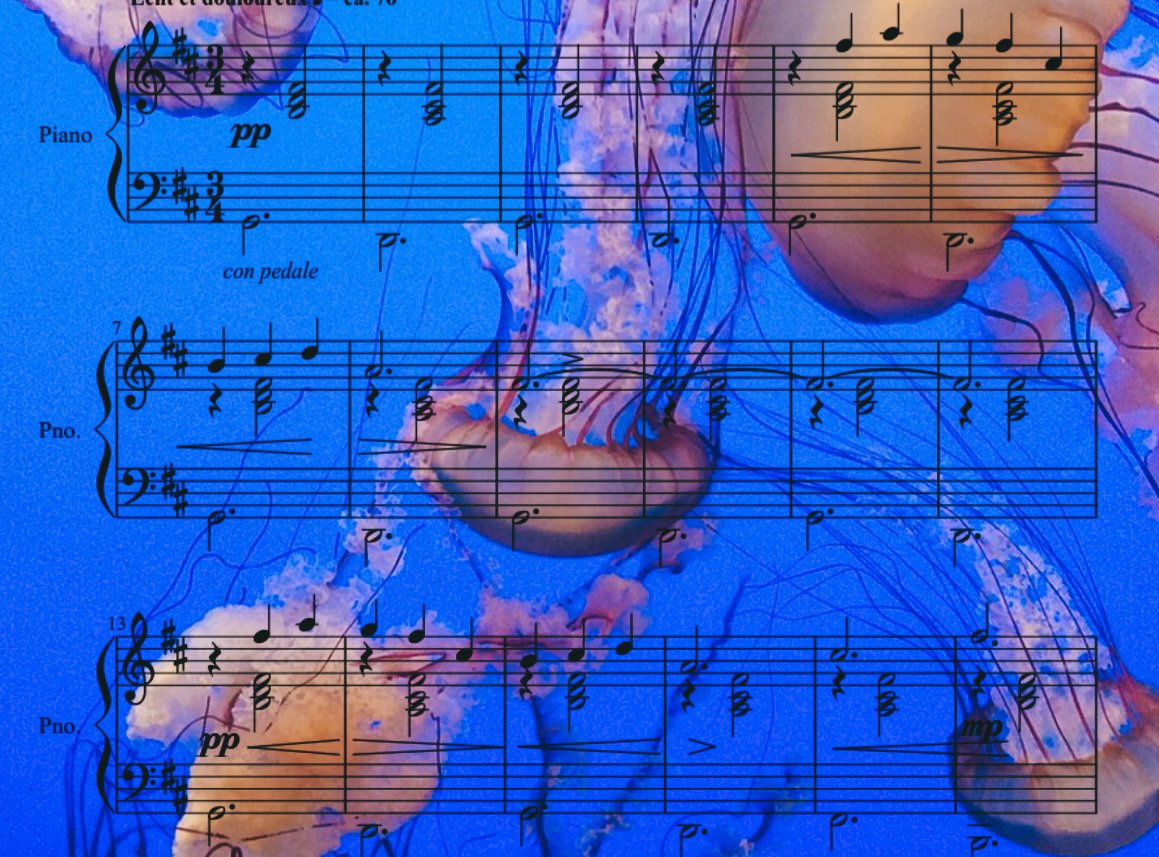
Inside Handel’s Beehive: If Classical Pieces were Animals
What if classical music sounded like the animal kingdom? In this playful, imagination-led exploration, TWoA re-hears familiar masterpieces by Ludwig van Beethoven, George Frideric Handel, Erik Satie, and Johann Sebastian Bach through an unexpected lens: owls, bees, jellyfish, and meerkats. By pairing iconic works like the Moonlight Sonata, Messiah, Gymnopédie No. 1, and a Bach fugue with vivid animal imagery, this article invites listeners to rediscover classical music as something tactile, animated, and richly alive—far removed from black notes on a white page.

From Mozart's "Lick My Ass" Canon to Scarlatti's Composing Cat: Humour in 17th Century Classical Music
What if classical music wasn’t always polite, serious, or well behaved? TWoA explores humour in eighteenth-century music through the scatological jokes of Wolfgang Amadeus Mozart, the feline legend behind Domenico Scarlatti’s so-called Cat Fugue, and the audience-teasing wit of Joseph Haydn, revealing a tradition far more mischievous than its reputation suggests.
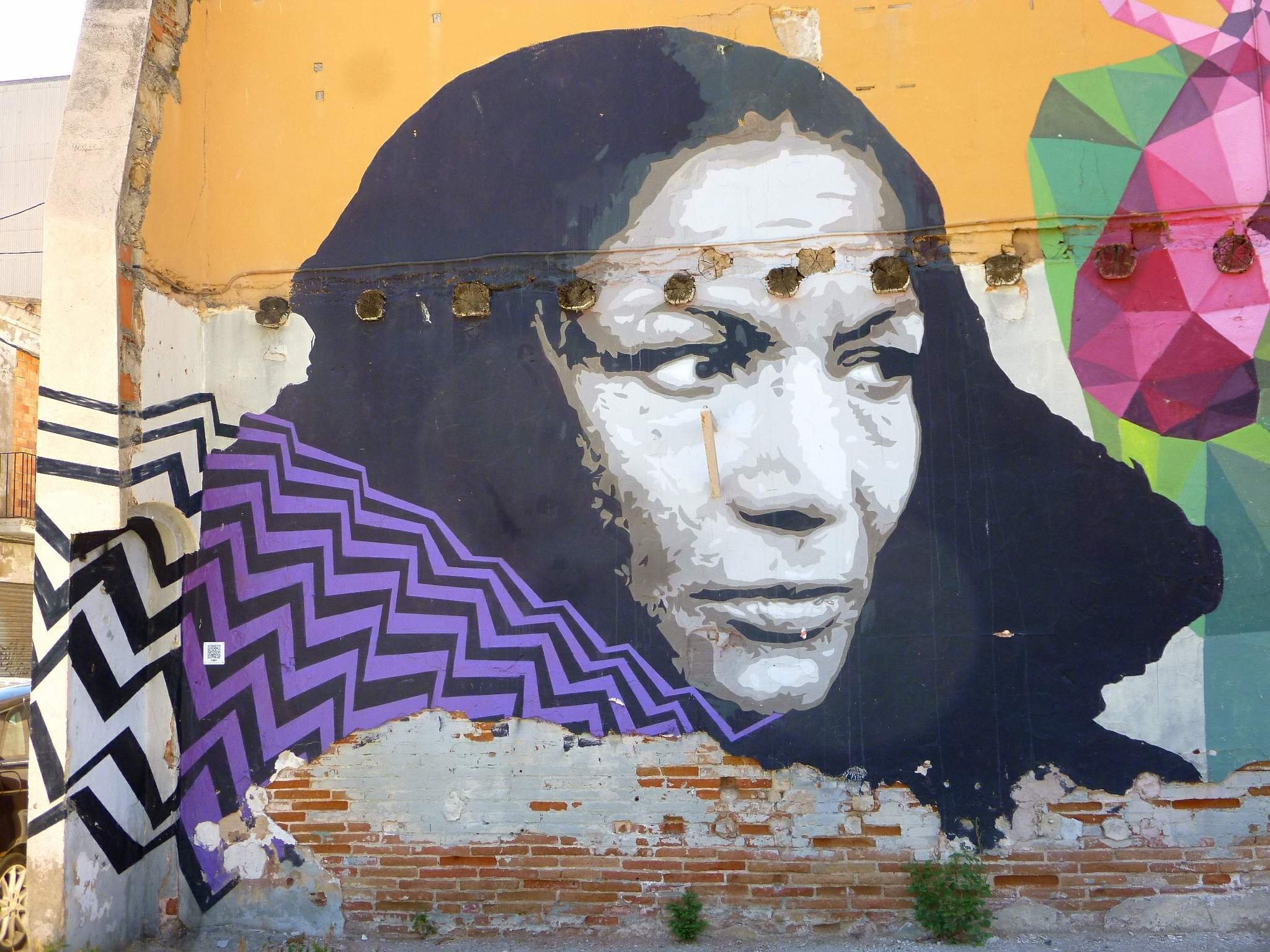
¡Viva Flamenco! From Spain’s Margins to its Center Stage
Once rooted in persecution and survival, flamenco has travelled from the margins of Andalusian society to the center of Spain’s global cultural image. TWoA explores how this deeply expressive art form—shaped by Gitano history, transcontinental exchange, and figures like Carmen Amaya—became both a symbol of resistance and a national spectacle.

Pablo Picasso in Music: “Formes en l’air” by Artur Lourié
What happens when Cubism leaves the canvas and enters the concert hall? In Formes en l’air (1915), Russian composer Artur Lourié transforms Pablo Picasso’s fractured visual language into an experimental piano score that reimagines how music can be seen, read, and heard.
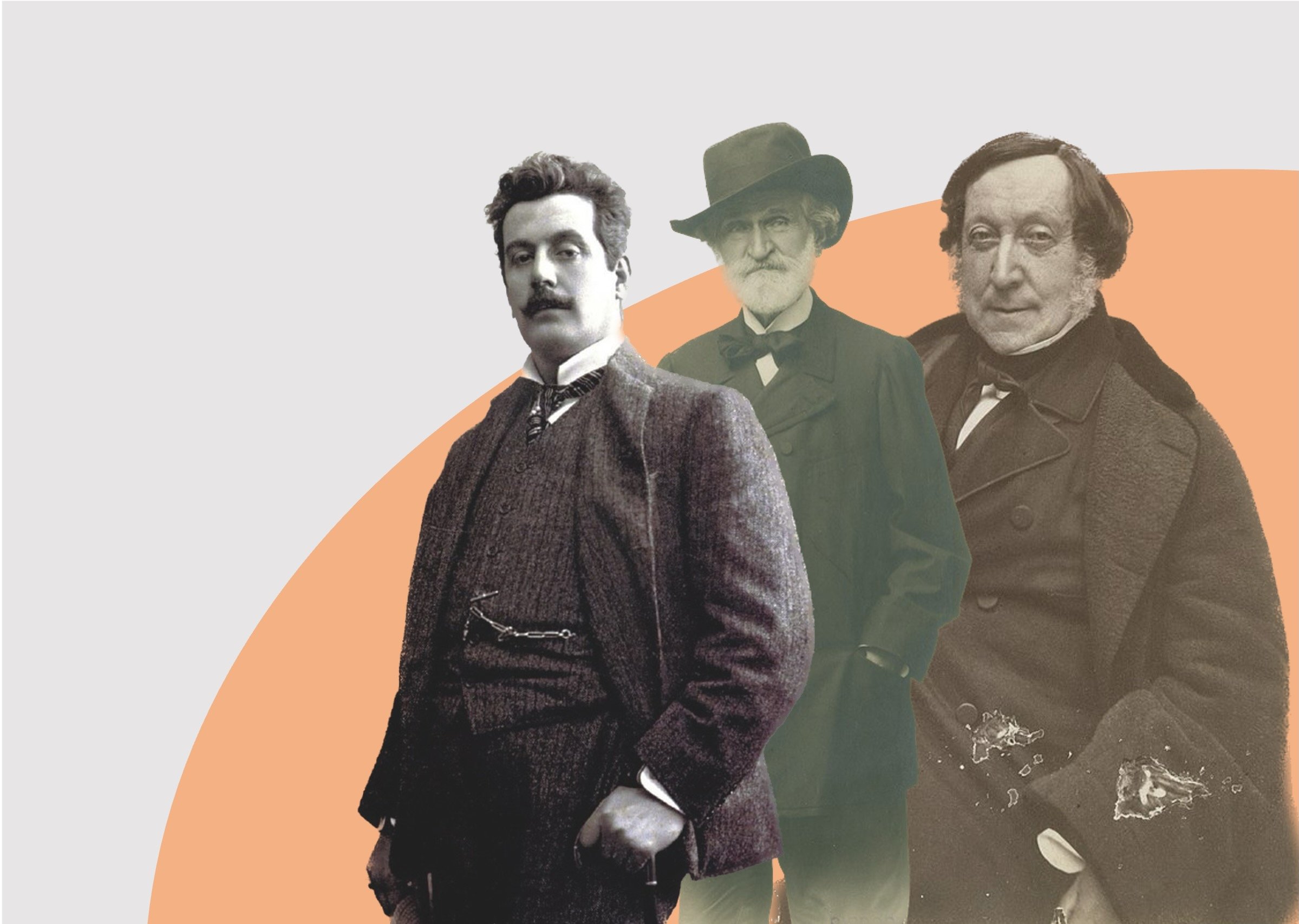
Eating the Opera: The Recipes Behind Three of Italy’s Most Celebrated Composers
Good music isn’t made on an empty stomach. From extravagant truffles to simple, nourishing beans, this article pairs iconic operatic works with the favourite recipes of Italy’s most celebrated composers — from Gioachino Rossini’s legendary love of indulgent cuisine, to Giacomo Puccini’s humble student meals, and Giuseppe Verdi’s rustic countryside fare — proving that opera is, quite literally, a feast for all the senses.

Sumina Studer, Violinist and Music Entrepreneur: London’s Hidden Music and Art Spots
For award-winning violinist and music entrepreneur Sumina Studer, London is less a backdrop than a network of encounters — museums revisited, concert halls scaled to intimacy, and informal spaces where music feels newly alive. In this conversation, the violinist reflects on the city’s creative ecology, the value of risk-taking in classical music, and how art spaces shape the way we listen, live, and connect.

Tiffany Poon, Pianist: A Rising Star on Her New Album “Diaries: Schumann”
For Tiffany Poon, music is a space for thinking as much as feeling. In conversation around her new album Diaries: Schumann, the pianist reflects on childhood, philosophy, and the value of daydreaming — tracing how Robert Schumann’s music became a framework for questions about identity, creativity, and what it means to grow into oneself as an artist.

Three Curious Facts about Franz Schubert and his ‘Winterreise’
Few works in classical music confront solitude as unflinchingly as Winterreise. Written near the end of Franz Schubert’s short life, the song cycle traces a lonely wanderer through a bleak winter landscape — and, in doing so, reveals much about Schubert’s temperament, his Viennese world, and the private intensity of the Romantic Lied. These three insights shed light on how a deeply personal work became one of music’s most enduring meditations on loss and endurance.

Duke Ellington and Billy Strayhorn’s “The Nutcracker Suite”
Holiday traditions have a way of wearing thin. In their 1960 Nutcracker Suite, Duke Ellington and Billy Strayhorn offered an antidote to seasonal fatigue, recasting Tchaikovsky’s familiar melodies in swing, brass, and wit. The result is not parody but reinvention — a reminder that even the most canonical works can still surprise when filtered through a different musical imagination.

“X: The Life and Times of Malcolm X” at the Metropolitan Opera in New York City Shares the Transformational History of Black American Activist, Malcolm X
Anthony Davis’s X: The Life and Times of Malcolm X brings American history to the Metropolitan Opera with urgency and force. Sung in English and led by a commanding Will Liverman, the opera reframes the life of Malcolm X as a modern, politically resonant work—one that feels unmistakably of the present.

Happy Thanksgiving! Aaron Copland and Martha Graham’s “Appalachian Spring”
Of all the holidays associated with America, Thanksgiving is by far the most uniquely American one. So, if you are looking for a ballet or a classical music piece to get you into the mood for turkey, stuffing and pie, enjoy our feature about Aaron Copland and Martha Graham’s Appalachian Spring.

Benal Tanrısever, Pianist and Educator: Music Starts with the Imagination
For pianist and educator Benal Tanrısever, music is not about flawless execution but imaginative communication. Trained at The Juilliard School and shaped by an international performing career, Tanrısever speaks with TWoA about education, ambition, and why music should belong to everyone—not just professionals.

Finding Magic in Music: Haruki Murakami
Music is one of the magical aspects of Haruki Murakami’s books, shaping their rhythm, mood, and sense of unreality. From jazz records playing in dim kitchens to classical works that unlock memory and introspection, sound becomes a narrative device as powerful as language itself. In this TWoA essay, Melis Seven traces how Murakami’s lifelong relationship with music informs his writing—blurring the boundaries between listening, dreaming, and storytelling.