THE MAGAZINE
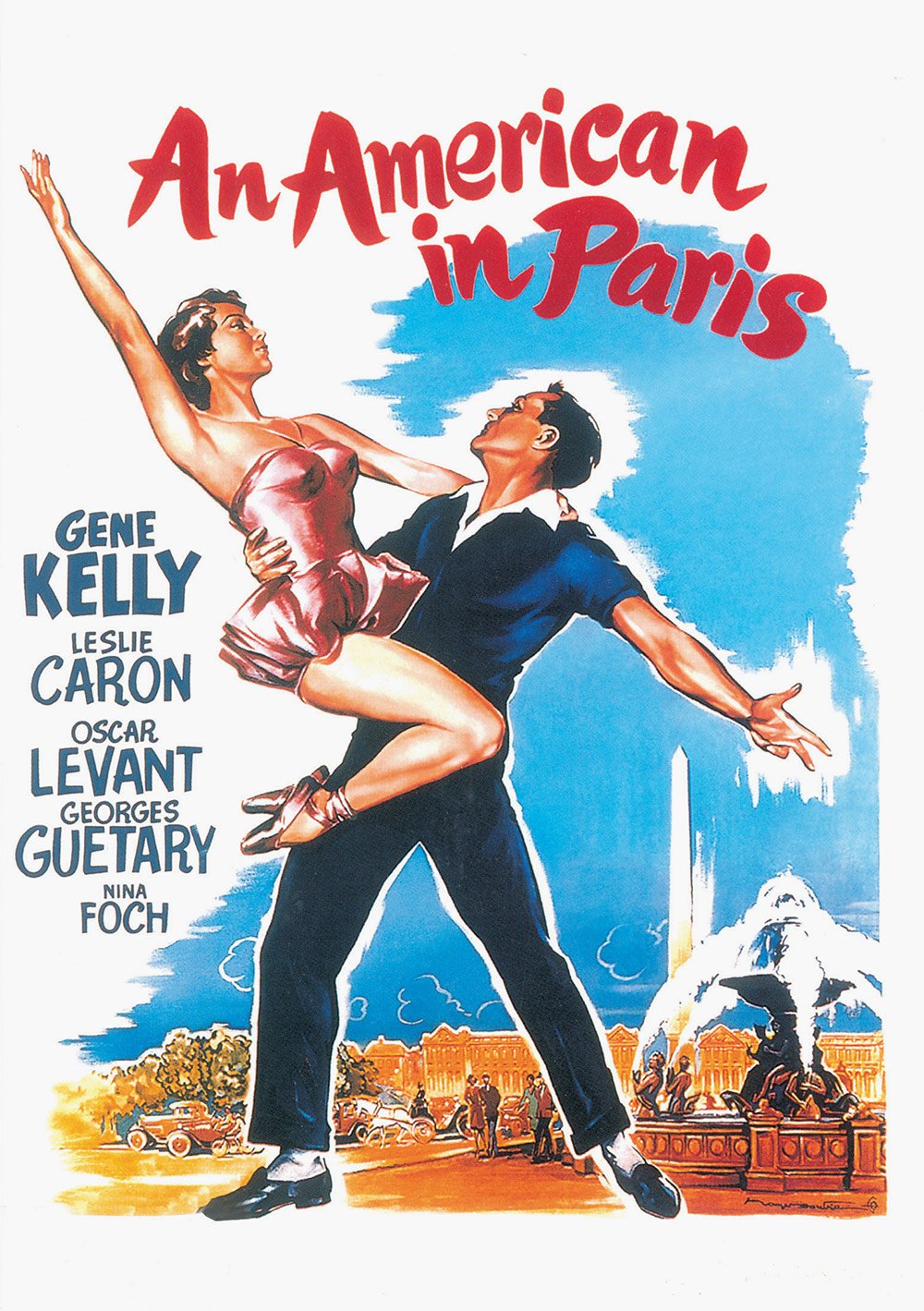
The Dream Ballet: Introducing the “Golden Age” Movie Musicals of the 1950s
What if dance could reveal what words cannot? This article revisits the “dream ballet” as a defining feature of 1950s Hollywood musicals, exploring how films like An American in Paris, Singin’ in the Rain, and Oklahoma! used choreography to enter their characters’ inner worlds—transforming love, doubt, and desire into movement, and cementing dance as a powerful storytelling language of the Golden Age movie musical.

Guest Artist: Joseph Cornelius, 18, Courtauld Institute of Art, London
How does illustration bridge imagination, storytelling, and artistic technique? In this guest feature, Joseph Cornelius, an 18-year-old illustrator and Courtauld Institute of Art student, reflects on his creative process, influences ranging from cartoons to Studio Ghibli, and why illustration remains a powerful and often underestimated form of visual expression.
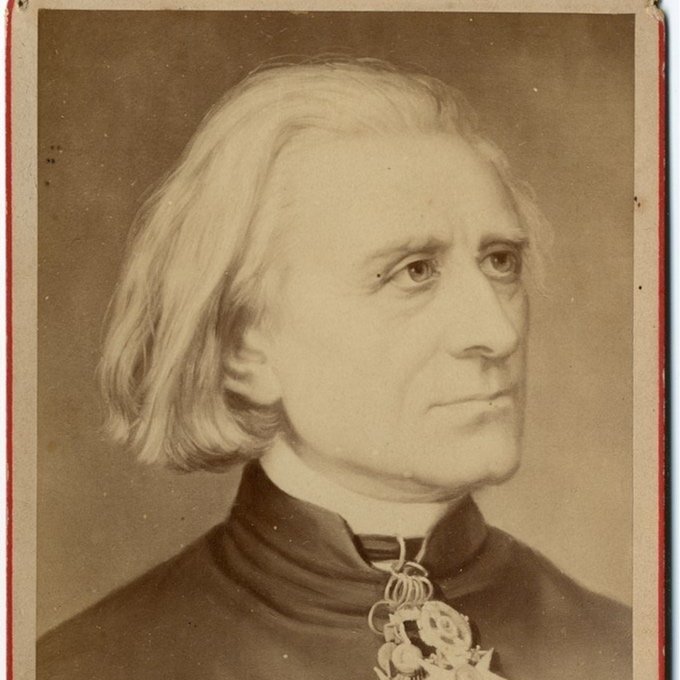
Birthday Celebration: A PlayLiszt for Beginners
Is all of Franz Liszt’s music really impossibly virtuosic? Marking the composer’s birthday, this article explores a selection of lesser-known beginner and intermediate piano works by Franz Liszt, revealing a more intimate, lyrical side of the composer and offering an inviting entry point into Liszt’s music for pianists of all levels.
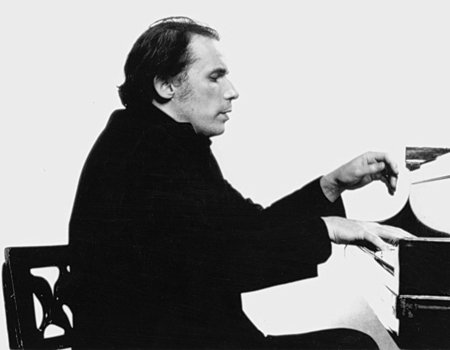
Pianist Glenn Gould’s Radical Neurodivergent Legacy
What if Glenn Gould’s so-called eccentricities were not obstacles, but the source of his artistic brilliance? This article reconsiders the life and legacy of Glenn Gould through the lens of neurodiversity, arguing that his distinctive mind, behaviours, and working methods were central to his musical vision—and that his legacy is best understood as the triumph of a neurodivergent artist on his own terms.

The Original Queen of the Fouettés: Pierina Legnani
Who was the ballerina behind one of classical ballet’s most feared technical feats? This article revisits the life and legacy of Pierina Legnani, the first dancer to perform 32 consecutive fouettés, tracing how her virtuosity reshaped Swan Lake, transformed ballet training in Russia, and earned her the rare title of prima ballerina assoluta.

The Art of Pouring Milk
How does a simple domestic gesture become timeless art? This article takes a closer look at Johannes Vermeer’s The Milkmaid, exploring how light, texture, and quiet observation transform the everyday act of pouring milk into a masterful study of realism, stillness, and beauty in 17th-century Dutch painting.

In Memory of Michaela DePrince
The dance world is mourning the sudden death of Michaela DePrince at the age of 29. Born in Sierra Leone during a brutal civil war and orphaned by the age of three, DePrince went on to become an internationally acclaimed ballerina, a powerful advocate for Black representation in ballet, and a voice for children affected by conflict and violence. This tribute honours her extraordinary life, resilience, and lasting legacy.

Carry That Weight: Yoko Ono’s “Cut Piece,” Womanhood, and Power
What happens when vulnerability becomes a form of power? This article revisits Yoko Ono’s landmark performance Cut Piece, exploring how audience participation, exposure, and silence turned the work into a radical meditation on womanhood, control, and the politics of the gaze—long before Ono was defined by anything other than her art.
What is Your Star Sign? “Tierkreis” by Karlheinz Stockhausen
Can music reflect personality, symbolism, and the cosmos itself? This article explores Tierkreis by Karlheinz Stockhausen, a cycle of twelve zodiac-inspired melodies that blends astrology, serialism, and performer freedom—inviting listeners to hear their star sign through one of the most imaginative works of 20th-century music.
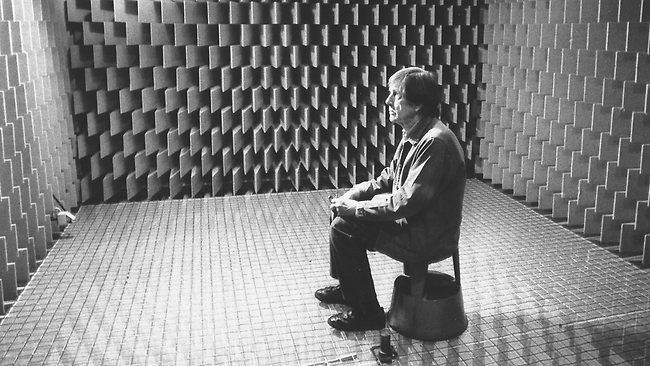
Why John Cage’s Provocative ‘Silent Piece’ is Still Powerful Today
Is silence ever really silent? This article revisits John Cage’s provocative work 4′33″, exploring how its apparent stillness challenges concert rituals, heightens awareness, and remains a powerful—and unsettling—experience for performers and audiences alike more than seventy years after its premiere.
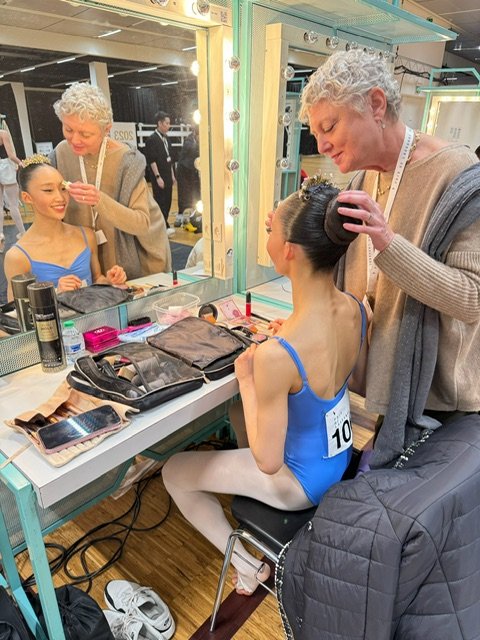
Choosing the Right Variation for a Ballet Competition
Are you planning to compete at a ballet competition this school year? Choosing the right variation can make all the difference. What principles should guide your decision? TWoA speaks with Inna Bayer, artistic director of Bayer Ballet Academy, and her student Crystal Huang—prize winner at the Prix de Lausanne 2024, Youth America Grand Prix 2024, YoungArts 2024, and Grand Prix winner at the South Africa International Ballet Competition—about strategy, growth, and showcasing your strengths on stage.
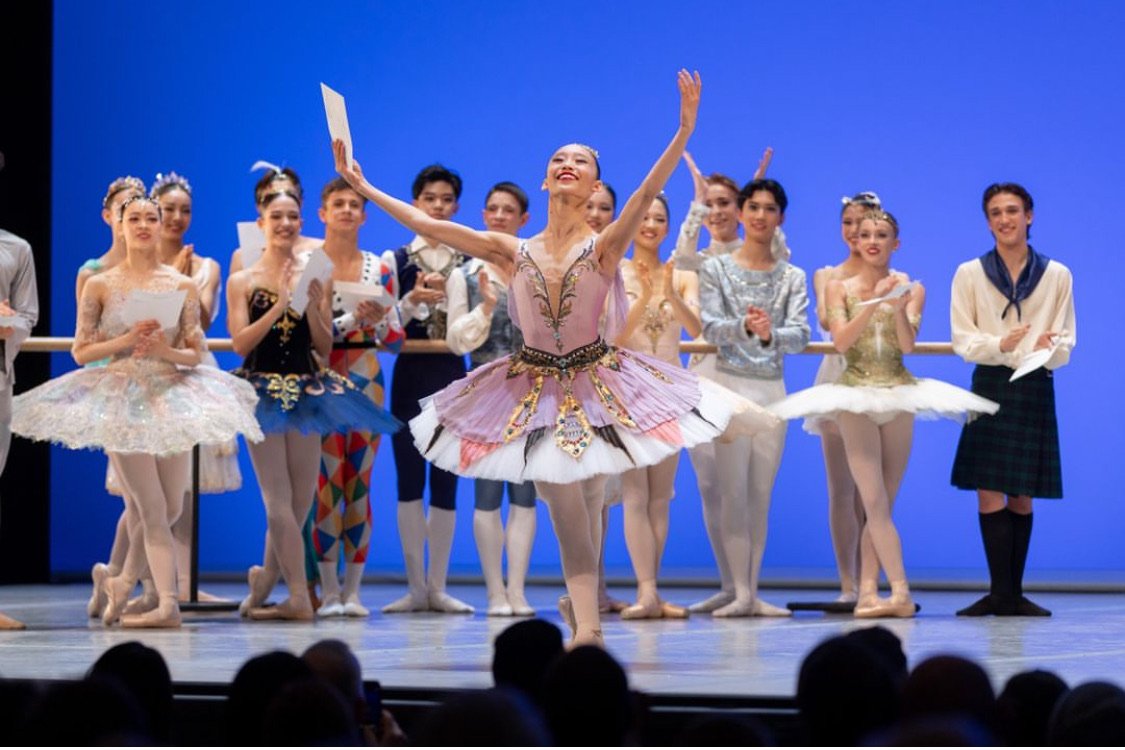
Crystal Huang, 15, Prix de Lausanne Prize Winner 2024: “The Love for Dance Comes First!”
Crystal Huang, 15, is having a remarkable year. Until just two years ago, she was training primarily in commercial dance—but in 2024 she emerged as a prize winner at the Prix de Lausanne, one of the world’s most prestigious international ballet competitions. She also claimed top awards at Youth America Grand Prix 2024, YoungArts (Dance/Ballet), and the Grand Prix at the South Africa International Ballet Competition. TWoA spoke with Crystal about her unconventional journey and the lessons she’s learned about succeeding at competitions—onstage and beyond.

Bayreuth, 13th August 1876
On a sweltering August afternoon in 1876, Bayreuth became the epicenter of the musical world as Richard Wagner unveiled Der Ring des Nibelungen in a purpose-built theatre designed to realize his radical artistic vision. This vivid account revisits the birth of the Bayreuth Festival and explores how Wagner’s innovations reshaped the operatic experience—while raising questions that still haunt his legacy today.

“Sleeping Beauties:” Reawakening Fashion, The Metropolitan Museum of Art, New York
How can fashion truly be experienced in a museum, once it can no longer be worn? At The Met’s Sleeping Beauties: Reawakening Fashion, visitors are invited into a multisensory journey through four centuries of dress, where sight, touch, scent, and imagination come together to awaken garments—and reflections on time, memory, and mortality.

Celebrating NYCB’s 75th Anniversary with a Round of Dancer Doppelgangers!
As New York City Ballet celebrates 75 years, TWoA looks at how today’s dancers quietly carry the past in their bodies—through shared steps, familiar musicality, and inherited style. Think lineage over nostalgia: elegance, memory, Balanchine speed, and the subtle thrill of seeing history reappear in motion.
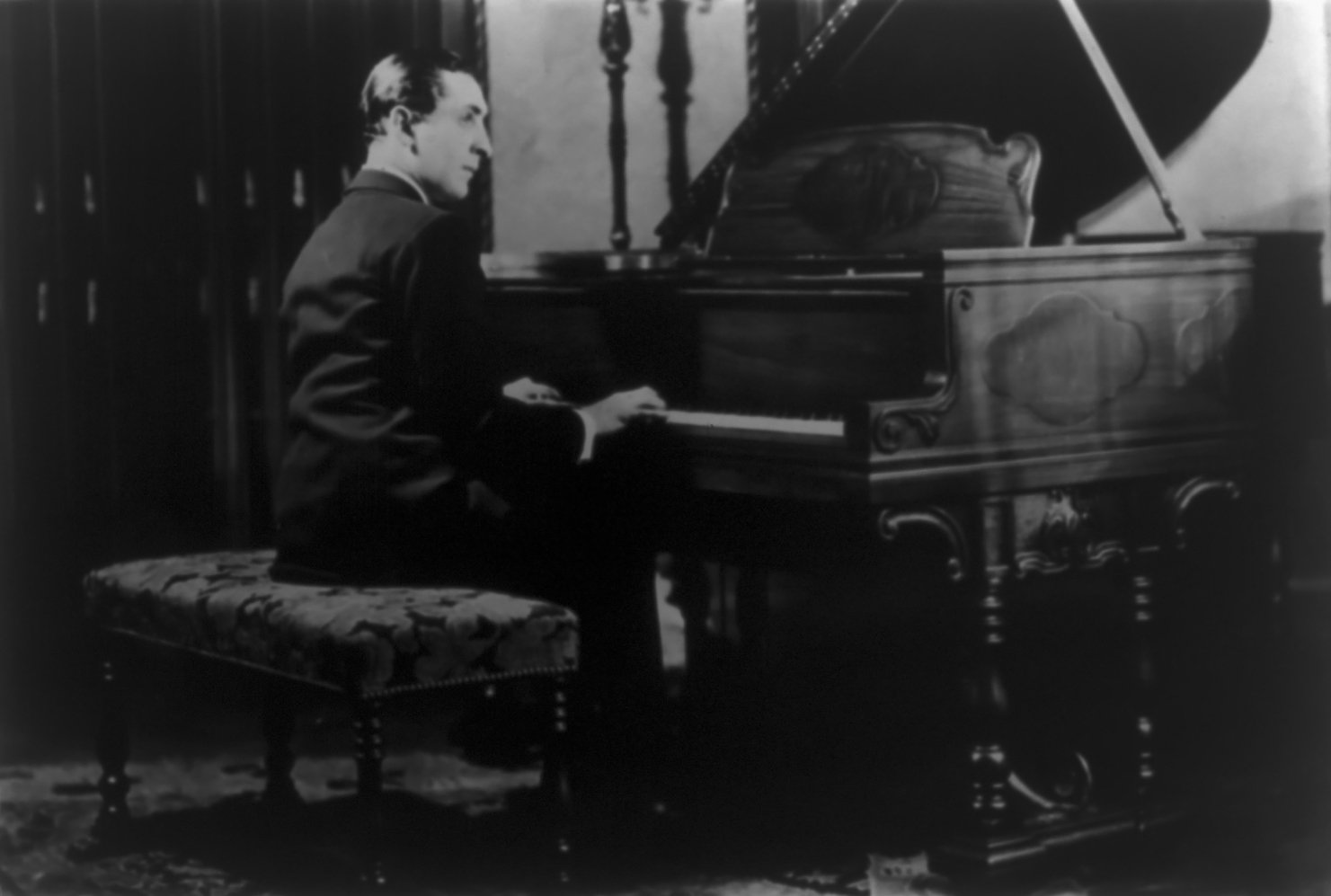
The Secret to Playing like Horowitz: A Look Into Classical Improvisation
Legendary pianist Vladimir Horowitz believed musical truth begins where intellect loosens its grip; taking this idea seriously, Hector Wolff revisits classical improvisation as a neglected but vital practice—one that reframes virtuosity, risk, and emotional agency in music-making today.

Spencer Rubin’s Guide to New York
Oboist Spencer Rubin maps New York through habits rather than landmarks—brunch counters, practice rooms, museum detours, and late-day walks along the Hudson. Moving between The Juilliard School, Lincoln Center, and the city’s quieter cultural corners, this guide reads the city as a lived ecosystem where artistic discipline, everyday pleasure, and urban energy continuously overlap.
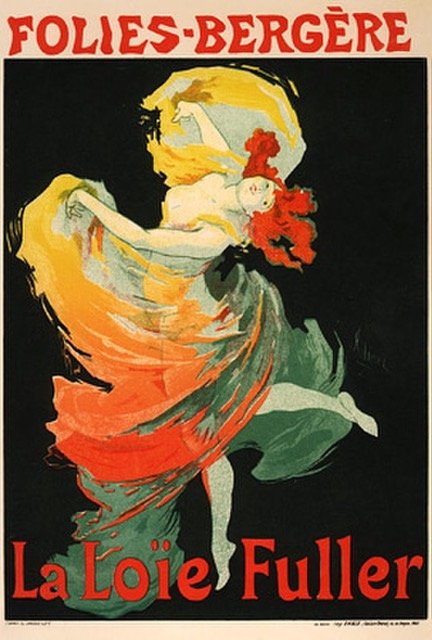
Meet Taylor Swift’s Muse: Dancer and Innovator Loïe Fuller
Long before pop spectacle and immersive stagecraft became industry standards, Loïe Fuller was reshaping dance through light, fabric, and motion at the Folies Bergère. Tracing her influence from Symbolist circles to Taylor Swift’s stadium tours, this article revisits Fuller not as a historical curiosity but as a foundational figure in questions of authorship, technology, and artistic ownership that still resonate today.
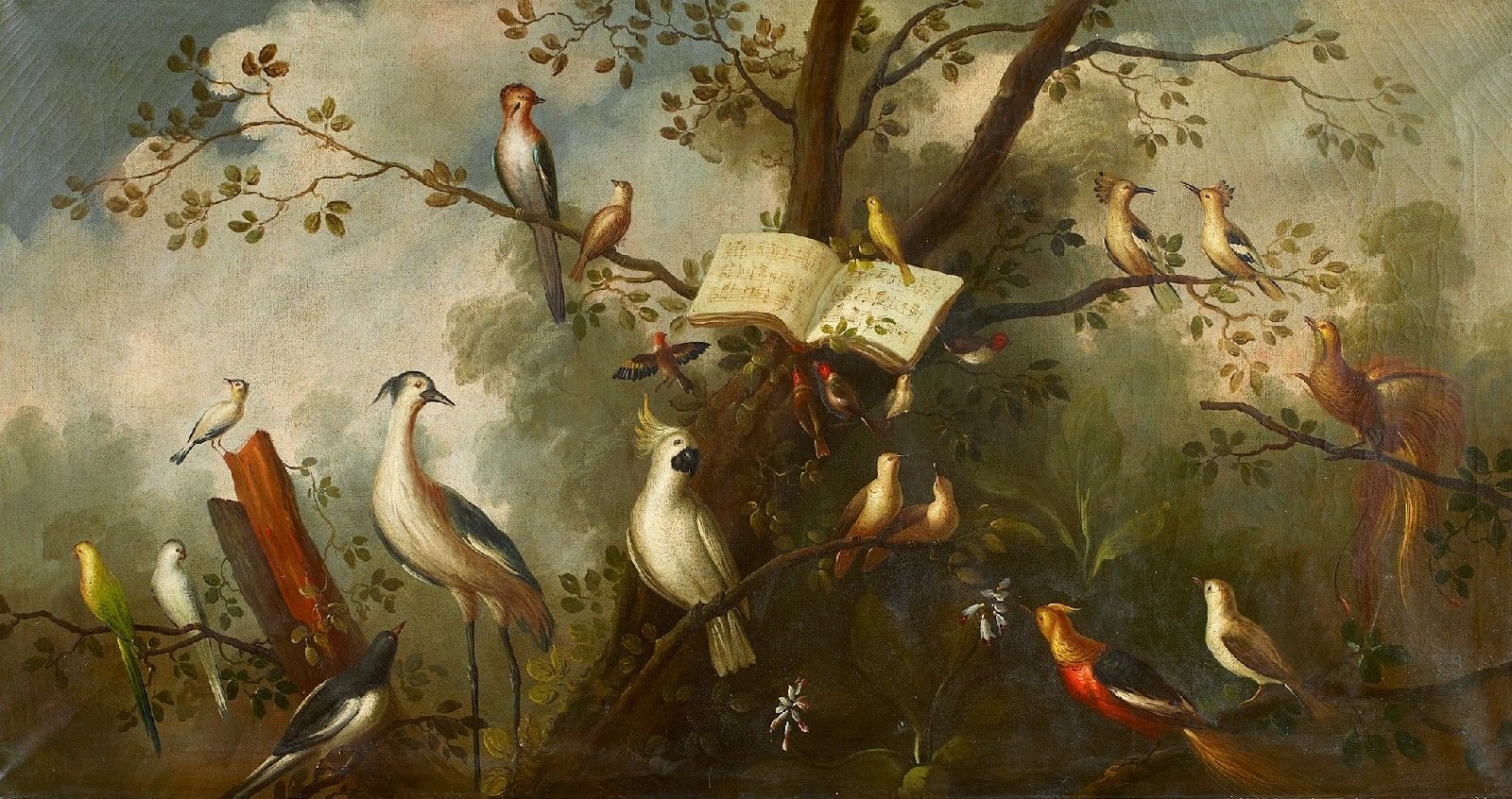
Did Composers Wing It? Four Piano Pieces that Imitate Birdsong
From Liszt to Messiaen, composers have long turned to birdsong as both model and provocation. Tracing four piano works by Franz Liszt, Maurice Ravel, Olivier Messiaen, and Takashi Yoshimatsu, TWoA asks whether imitation, improvisation, or something closer to translation lies at the heart of music’s enduring fascination with the natural world.

Spencer Rubin, Oboe Student, The Juilliard School: On Oboe Reeds, Juilliard and Favourite Oboe Concertos
In a conversation with Spencer Rubin, TWoA explores the realities of building a contemporary classical career around one of music’s most demanding instruments. A student at The Juilliard School, Rubin reflects on his musical journey, from competition stages and solo appearances with orchestras to the painstaking craft of reed-making. Beyond the concert hall, TWoA also looks at how Rubin uses social media to demystify the oboe and open classical music to new audiences, navigating tradition, visibility, and virtuosity in equal measure.