THE MAGAZINE

The Harlem Renaissance and Transatlantic Modernism, The Metropolitan Museum of Art, New York, through 28 July 2024
Who determines which artists take a central place in history, and which are marginalised or erased from cultural memory? TWoA explores a major exhibition at the Metropolitan Museum of Art that reframes the Harlem Renaissance—the first African American–led movement of modern art—as a central force in American art and transatlantic modernism, challenging long-standing hierarchies of the canon.

The Dancing King: Ballet in Ancien Régime France
TWoA explores how ballet functioned as an instrument of power in Ancien Régime France, where dance shaped politics, etiquette, and spectacle alike. Centered on the reign of Louis XIV, the article traces how court ballet, royal image-making, and the institutional codification of dance transformed movement into a language of authority—one in which grace, control, and choreography became inseparable from sovereignty itself.

Considering Practice, Remembering Fun
TWoA explores what happens when practice slips from joy into pressure, tracing one musician’s uneasy relationship with auditions, self-comparison, and fear—and the slow, deliberate rediscovery of music-making as something grounded in curiosity, pleasure, and everyday attention rather than perfection or proof.

Press A to Play: The Power of Video Game Music
Ever wondered how video game music shapes tension, narrative, and emotion in real time—from looping soundscapes to Wagnerian leitmotifs? TWoA has the answer; tracing how scores from franchises like The Legend of Zelda and Fortnite challenge classical ideas of form, authorship, and listening, TWoA makes the case for video game music as one of the most sophisticated musical languages of our time.

Noa Kageyama, Performance Psychologist (The Juilliard School): Making Performers Bulletproof, Part II
In the second part of its conversation with performance psychologist Noa Kageyama, TWoA turns to the quieter work behind strong performances: practicing confidence, reframing anxiety, and learning how to stay resilient over the long arc of a musical life. Drawing on sport psychology and lived experience, Kageyama reflects on growth, patience, and what it really means to become “bulletproof.”

Finding Unity Amidst Conflict: The Intersection of Art and Human Rights
How can art bear witness to injustice—and what does it mean to look, rather than look away? TWoA explores how artists from Francisco de Goya to contemporary street artist JR have used visual language to confront war, oppression, and human rights abuses, tracing how art can function as both testimony and quiet resistance across centuries of conflict.

Noa Kageyama, Performance Psychologist (The Juilliard School): Making Performers Bulletproof, Part I
Performance psychologist Noa Kageyama, who teaches at The Juilliard School, reflects on how performers can work with pressure rather than against it, drawing on sport psychology to rethink anxiety, confidence, practice, and mental resilience. Read on for more.

Yuka Iwai 岩井優花, Principal Soloist, K-Ballet Tokyo: How to Prepare for an Unexpected Debut
When a last-minute casting upends months of preparation, TWoA explores how Yuka Iwai, principal soloist at K-Ballet Tokyo, prepared to step into Giselle with just two weeks’ notice—reflecting on pressure, partnership, and the fragile balance between instinct and control in an unexpected debut.
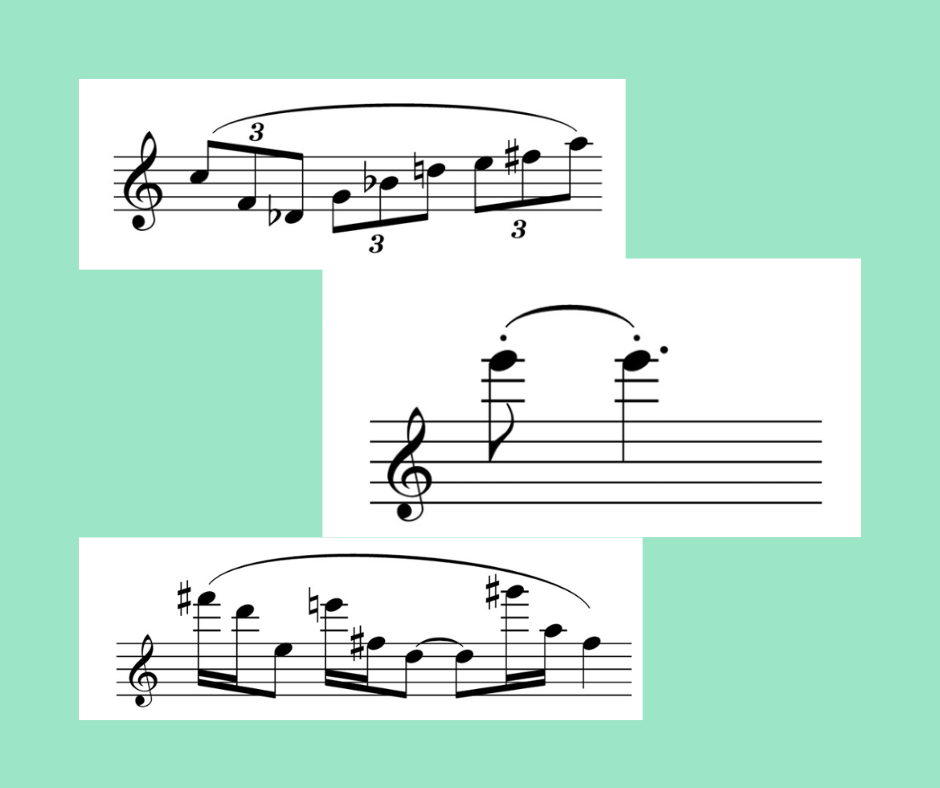
Guest Composer: Daniel Liu, Clare College, University of Cambridge
How can constraint become a source of freedom? TWoA explores how Daniel Liu, a composer at Clare College, University of Cambridge, builds a “musical machine” from repetition, permutation, and intuition—drawing on precedents from Igor Stravinsky and Michael Tippett to reflect on process, structure, and memory in contemporary composition.
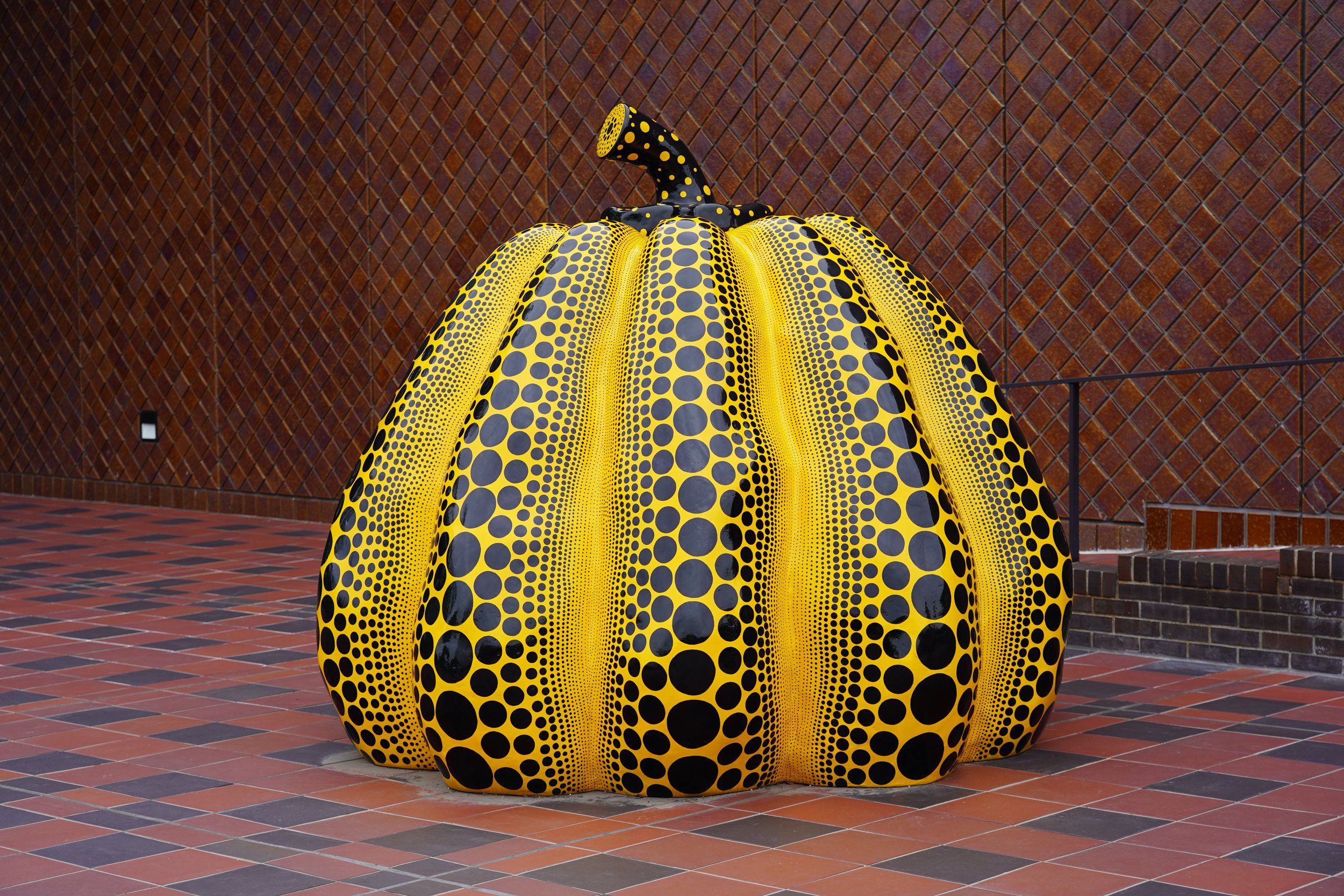
Emotions and Trauma: Through the Eyes of Art
How have artists transformed inner turmoil into visual language? TWoA explores how Vincent van Gogh, Louise Bourgeois, and Yayoi Kusama turned experiences of anxiety, trauma, and psychological distress into works that frame art not only as expression, but as survival and repair.
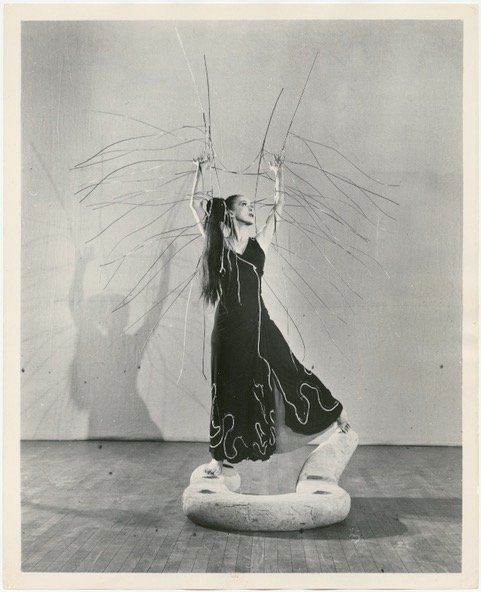
Ancient Stories, Modern Storyteller: Celebrating Martha Graham
How can ancient myth speak to modern bodies? **TWoA explores how Martha Graham transformed Greek mythology into a radical, emotionally charged language of movement—and how her collaborations with artists like Isamu Noguchi turned dance into a total work of storytelling, where gesture, space, and sculpture carry timeless human conflict.

Review: Carmen at the Metropolitan Opera: Out With the Old and In With the New?
How do you modernize past operas for contemporary society without hollowing out their dramatic core? It’s a fine line between honoring tradition and injecting new urgency—and TWoA explores whether Carrie Cracknell’s new production of Carmen at The Metropolitan Opera in New York City finds that balance, or loses something essential in the process.

Eunike Tanzil, Composer, Pianist and Producer: On “Star Wars,” Composing and Finding Your Voice
How does a composer find her voice between cinema, concert hall, and social media? TWoA explores how Eunike Tanzil draws inspiration from Star Wars and John Williams, turns hummed melodies into symphonic music, and carves out a distinctive artistic path following her signing with Deutsche Grammophon.

Will Social Media Shape the Future of Classical Music?
Can social media shape the future of classical music? TWoA traces how platforms like TikTok, Instagram, and YouTube are transforming how audiences discover, experience, and reimagine the genre—through creators and performers such as TwoSet Violin, Anna Lapwood, and Spencer Rubin—and whether this digital shift can move classical music beyond outreach toward real cultural change.

Mariko Sasaki, First Soloist, The Royal Ballet: Getting Ready for a “Swan Lake” Debut
How do you prepare for a Swan Lake debut—one of classical ballet’s most demanding double roles? TWoA talks to Mariko Sasaki, First Soloist with The Royal Ballet, about stepping into Odette and Odile for the first time, shaping character and partnership with Joseph Sissens, and navigating the emotional and technical marathon of Swan Lake.
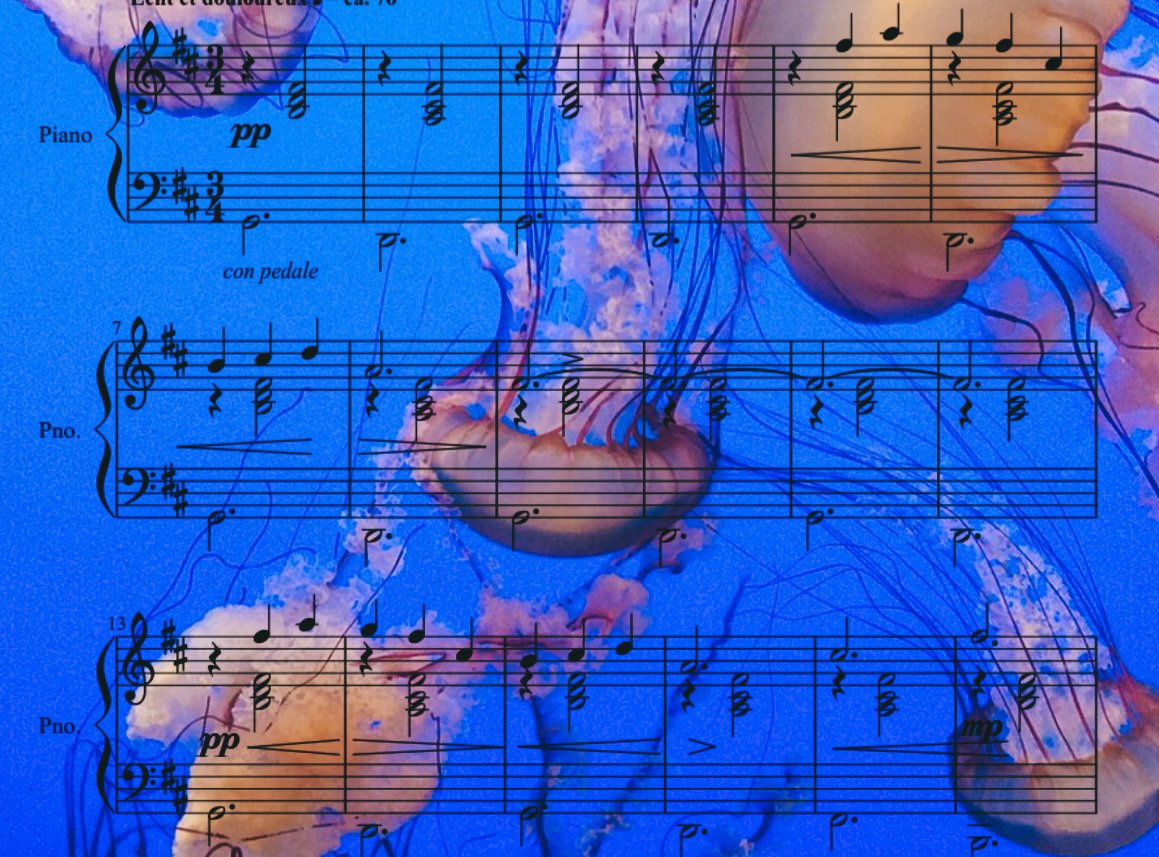
Inside Handel’s Beehive: If Classical Pieces were Animals
What if classical music sounded like the animal kingdom? In this playful, imagination-led exploration, TWoA re-hears familiar masterpieces by Ludwig van Beethoven, George Frideric Handel, Erik Satie, and Johann Sebastian Bach through an unexpected lens: owls, bees, jellyfish, and meerkats. By pairing iconic works like the Moonlight Sonata, Messiah, Gymnopédie No. 1, and a Bach fugue with vivid animal imagery, this article invites listeners to rediscover classical music as something tactile, animated, and richly alive—far removed from black notes on a white page.

No Halos at the Dinner Table: The Human Side of Leonardo’s “The Last Supper”
What happens when holiness gives way to humanity? In this reflective art-historical essay, TWoA revisits Leonardo da Vinci’s The Last Supper at Santa Maria delle Grazie, reading the fractured gestures, shadowed faces, and absent halos as a radical insistence on the apostles’ human vulnerability. Moving from Renaissance Milan to modern reimaginings by Domenico Ghirlandaio, Mary Beth Edelson, and Salvador Dalí, the piece traces how this table—sacred yet ordinary—continues to frame faith, doubt, betrayal, and belief as profoundly human experiences.

3-D Printing: Increasing the Durability of Pointe Shoes
Can emerging technology make one of ballet’s most traditional tools more sustainable? As companies experiment with 3-D printing to extend the lifespan of pointe shoes, dancers are left weighing durability against the deeply personal need for customization. This article examines how innovations like Só Dança’s Elektra Tech and act’ble’s Act’Pointes challenge centuries-old craft, raising urgent questions about sustainability, fit, and whether longer-lasting shoes can truly replace the fragile perfection of tradition.
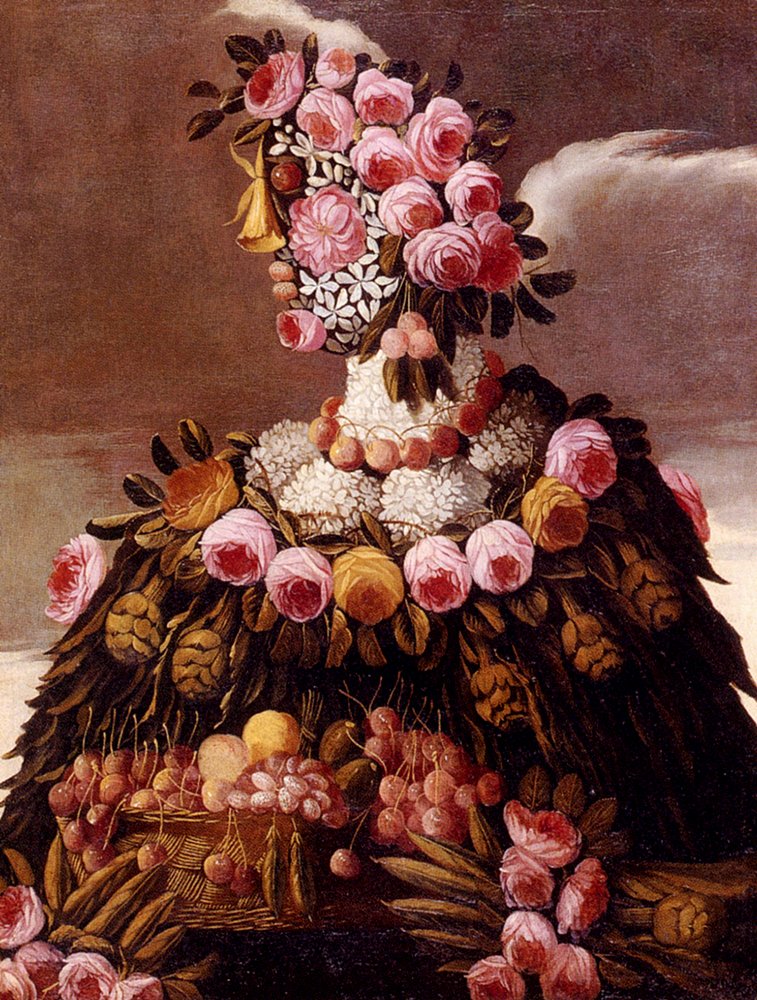
Spring Vibes!
Sometimes, an image says more than words. Spring is in the air! Celebrate it with TWoA and the best spring artworks.

From Mozart's "Lick My Ass" Canon to Scarlatti's Composing Cat: Humour in 17th Century Classical Music
What if classical music wasn’t always polite, serious, or well behaved? TWoA explores humour in eighteenth-century music through the scatological jokes of Wolfgang Amadeus Mozart, the feline legend behind Domenico Scarlatti’s so-called Cat Fugue, and the audience-teasing wit of Joseph Haydn, revealing a tradition far more mischievous than its reputation suggests.