THE MAGAZINE

The Secret World of Musical Spies
What kind of person makes a good spy? Four hundred and fifty years ago, Europe’s spymasters had an unexpected answer: musicians. In this TWoA feature, uncover how composers and court performers slipped across borders, carried coded messages, and became unlikely agents in a world of secrecy.

From London with Love: The Power of Abstraction
Why does abstraction make us pause, tilt our heads, and fall silent? In this TWoA letter from London, Louisa traces a journey through Tate Modern—Mondrian, Malevich, Choucair, Pollock, Rothko—to ask how abstraction helps us see a changing world differently. Read on.
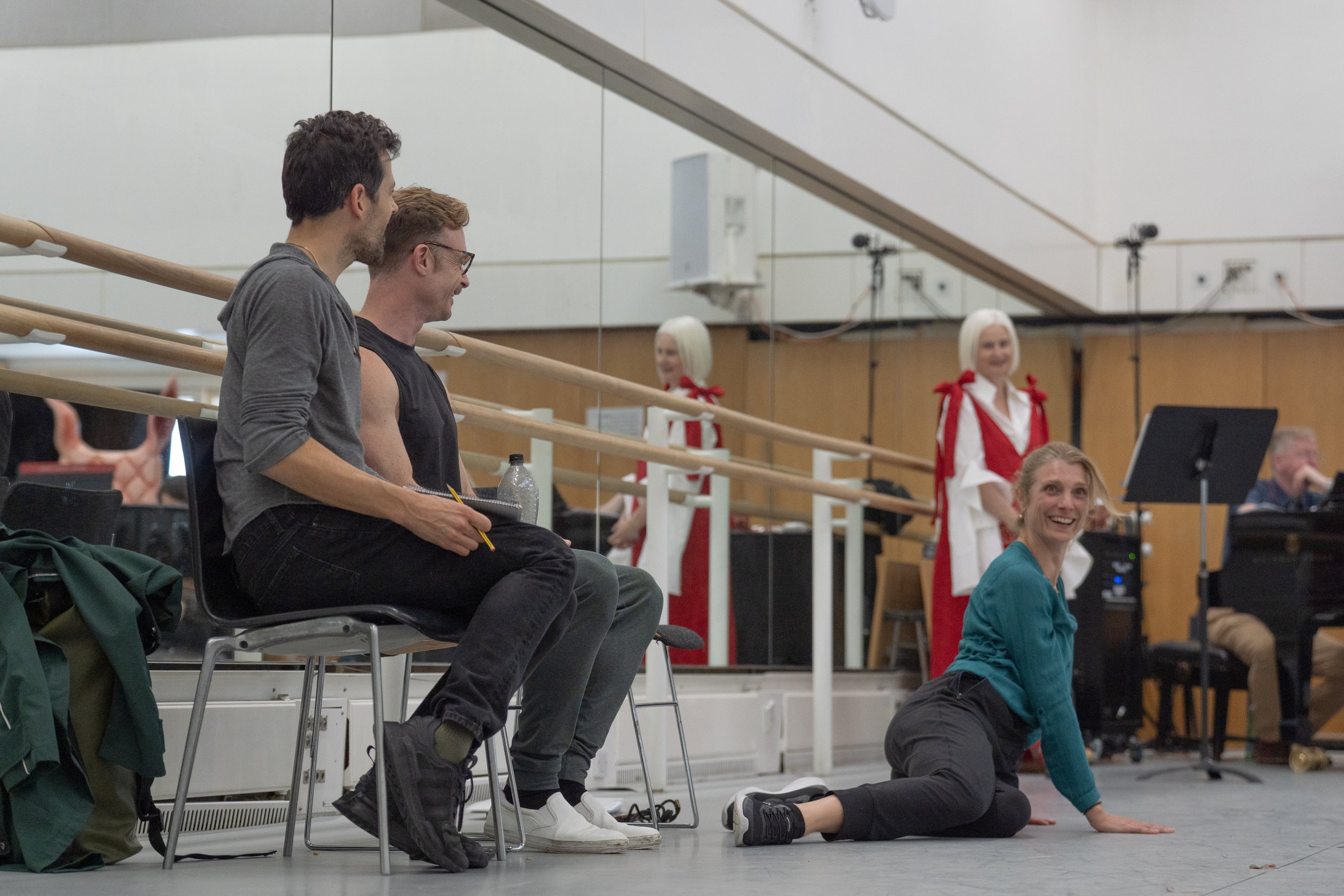
Interview: Zenaida Yanowsky, Coach and Former Principal Dancer, The Royal Ballet
For many years, Zenaida Yanowsky was one of The Royal Ballet’s most singular principals—rigorous, magnetic, impossible to forget. Now a coach shaping dancers across major companies, she speaks with TWoA about precision, presence, and the quiet authority behind great performance. Read on.

Happy World Ice-Cream Day: Rachmaninoff’s Cherry Malted Milk Float
Rachmaninoff, stern onstage and sweet-toothed in private, adored one thing above all: a cherry malted milk float. For World Ice-Cream Day, TWoA dives into the dessert that softened a musical giant—and why this fizzy American treat meant more to him than anyone knew.

Bites of Luxury: From the Renaissance to the Kardashians
In art, life, and social media, food does more than tempt: it signals status. TWoA looks at how lobsters, lemons, Erewhon smoothies, and untouched piles of fruit became a visual shorthand for luxury—and why this is a trend that keeps resurfacing. Read on.

From New York with Love: Reflections on Life, Ballet and Becoming a Doctor
Powerful performances make us think differently about our own lives. From New York, Olivia traces how ABT’s Woolf Works sparks questions about growth, care, and the cycles that shape us.

Composing Abstract Expressionism: On Jazz and Jackson Pollock
Ever wondered how sight and sound collided in post-war America? The Abstract Expressionists—Jackson Pollock above all—absorbed the improvisational logic of jazz musicians. How, why, and when? Read on.

Ballet Across the Globe: Marius Petipa
If ballet has dialects, the Russian one was written by Marius Petipa. His choreography for Swan Lake, Don Quixote, La Bayadère, and The Sleeping Beauty set the template for classical ballet as we know it today. Read on.

Guest Artist: Mikako Ohmatsu, Tokyo University of the Arts
Guest artist Mikako Ohmatsu treats memory as a luxury material: fragile, elusive, and always on the verge of dissolving. Through faded photographs, translucent skins, and locket-sized relics, she constructs quiet, intimate worlds where the past flickers in and out of view. Read on.

Are Orchestras in Need of an Update?
Is the symphony orchestra a doomed relic, or simply overdue for reinvention? As UK institutions confront funding cuts and shrinking audiences, ensembles like Aurora Orchestra and Manchester Collective are rewriting the rules of performance. With young listeners engaging with classical music in record numbers, the future may lie not in preserving tradition but in reshaping it.

Sargent’s Madame X: The Portrait That Hurled Painter and Sitter into Scandal
John Singer Sargent’s Portrait of Madame X didn’t just scandalise the 1884 Paris Salon—it reshaped the possibilities of modern portraiture. Beyond capturing Paris’s infamous “it girl,” Virginie Gautreau, the painting exposed subtler tensions: artist versus sitter, authenticity versus artifice, ambition versus expectation. Read on to explore its reception and enduring cultural reach.

From London with Love: A Night with Vivaldi
A night at St James’ Church turns into an unexpected meditation on memory, music, and the pull of live performance. In this TWoA letter, Maya listens to Beethoven and Vivaldi’s Four Seasons by candlelight—and finds herself tracing the moments that stay with us long after the final note.
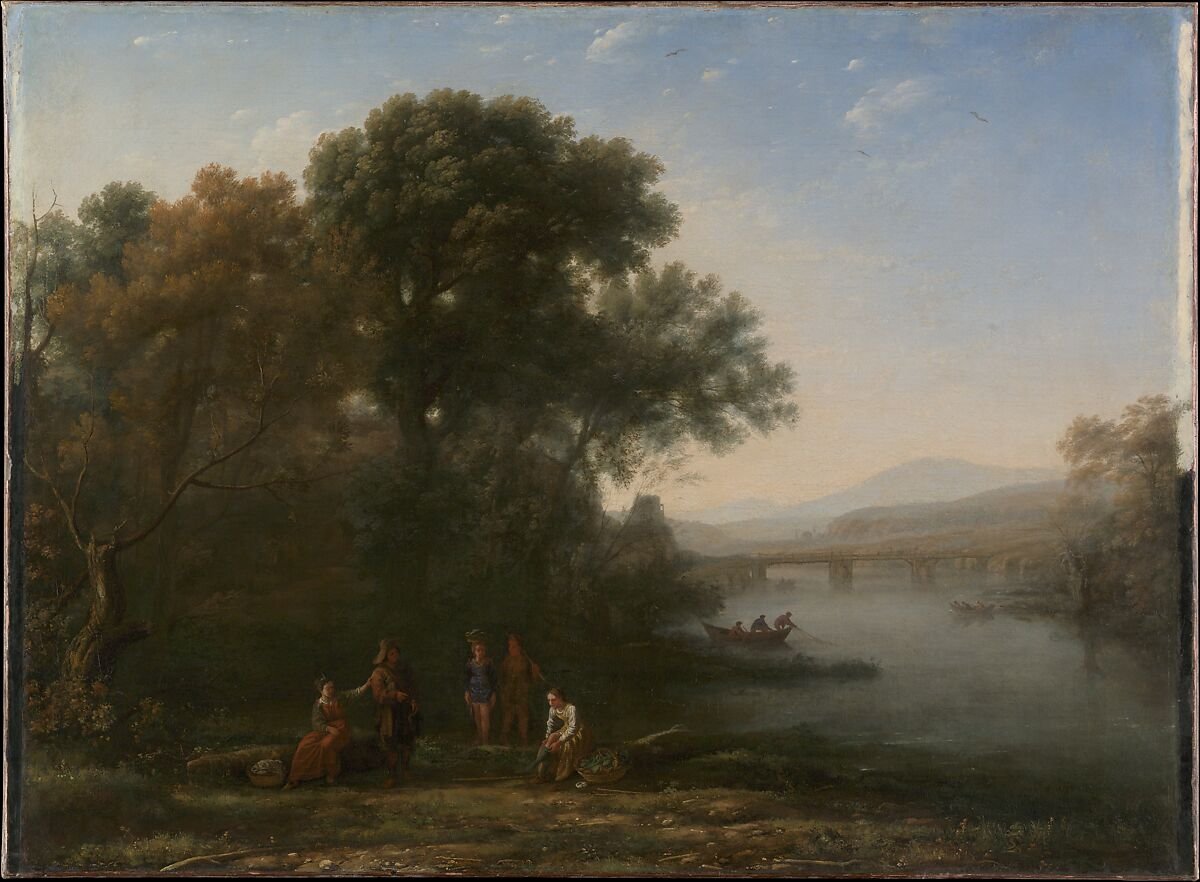
Taking the Scenic Route: A Timeline of Landscape Painting
How do artists choose to see the world, and what do their landscapes reveal about us in return? From ancient frescoes to Turner’s tempest and Lucas Arruda’s meditative pseudo-horizons, this timeline traces how painters have reimagined nature across centuries. Read on.
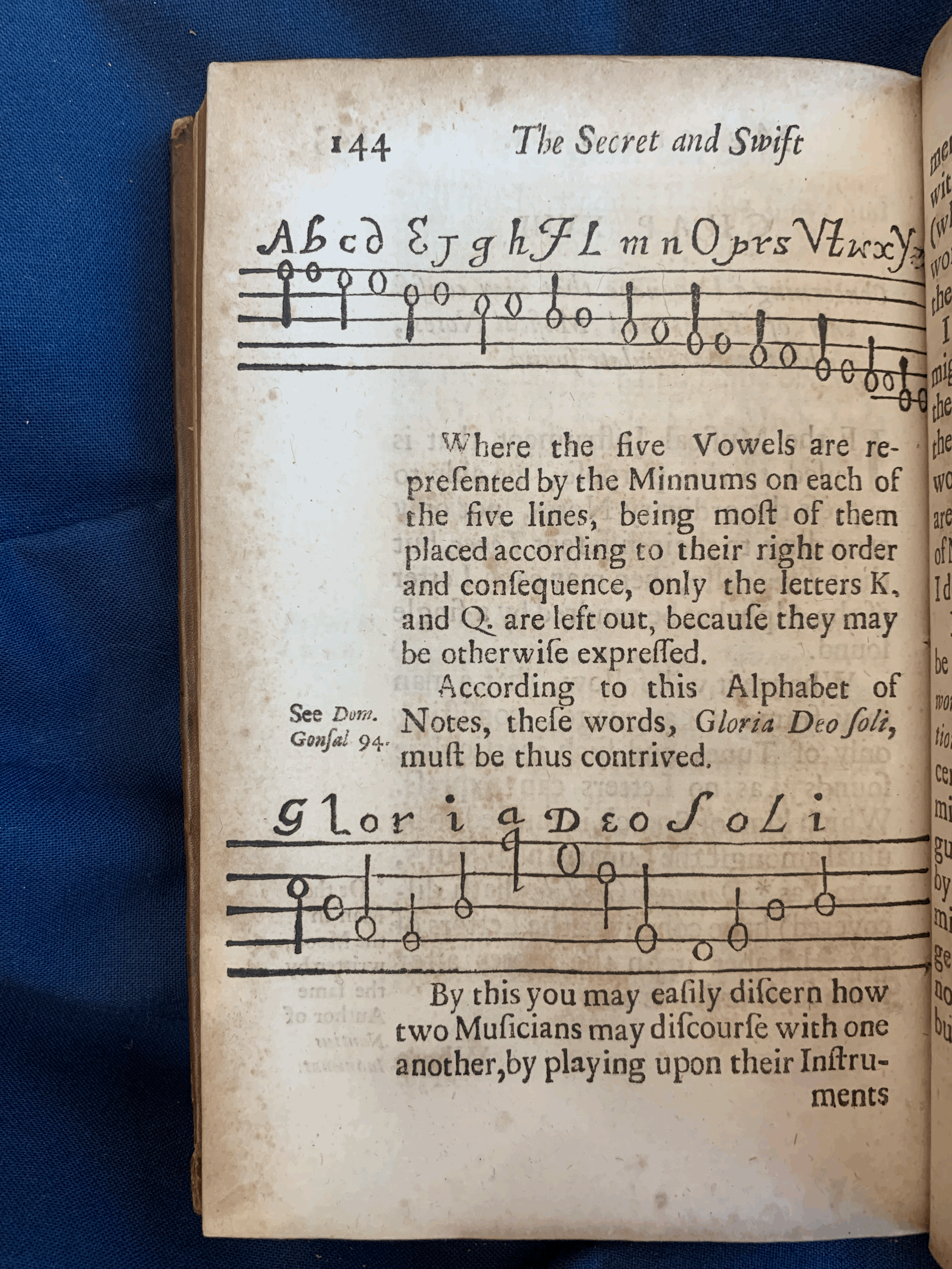
Encrypting Secret Messages in Music: Mercury, or, the Secret and Swift Messenger
Before espionage had satellites and surveillance, it had something subtler: music. Step into the seventeenth century, where court musicians slipped secrets into their scores and John Wilkins sketched a cipher that transformed music into a covert script. Read on to find out their secrets.

Ballet Across the Globe: Bournonville and the Danes
August Bournonville’s choreography gave Denmark a ballet identity of its own: rounded arms, delicately musical footwork, and allegro that seems to float rather than land. Learn how this nineteenth-century master shaped a national style that remains unmistakable on stages today.

From New York with Love: The Frick Collection
With the Frick’s 2025 reopening, a visit to the Upper East Side feels less like a museum trip and more like slipping into a remembered century—emerald rooms, gold-leaf frames, and women whose painted gazes echo across time. Olivia writes from New York about art, weather, and the selves we meet in between.

Grounds for Rebellion: Bach’s Coffee Cantata
“If I can’t drink my bowl of coffee three times daily…” Bach’s Coffee Cantata begins as a lighthearted story about a girl and her devotion to caffeine—but beneath it runs a quiet feminist rebellion taking shape in 1730s Leipzig.

A Tale of Two Portraits: Degas and the Anatomy of Family Life
Degas treated the family portrait as an incision point—clean, controlled, and made to reveal. Through The Bellelli Family and Henri Degas and His Niece, he turns the domestic interior into a stage where the anatomy of family life—resentment, duty, longing—can finally bleed out.
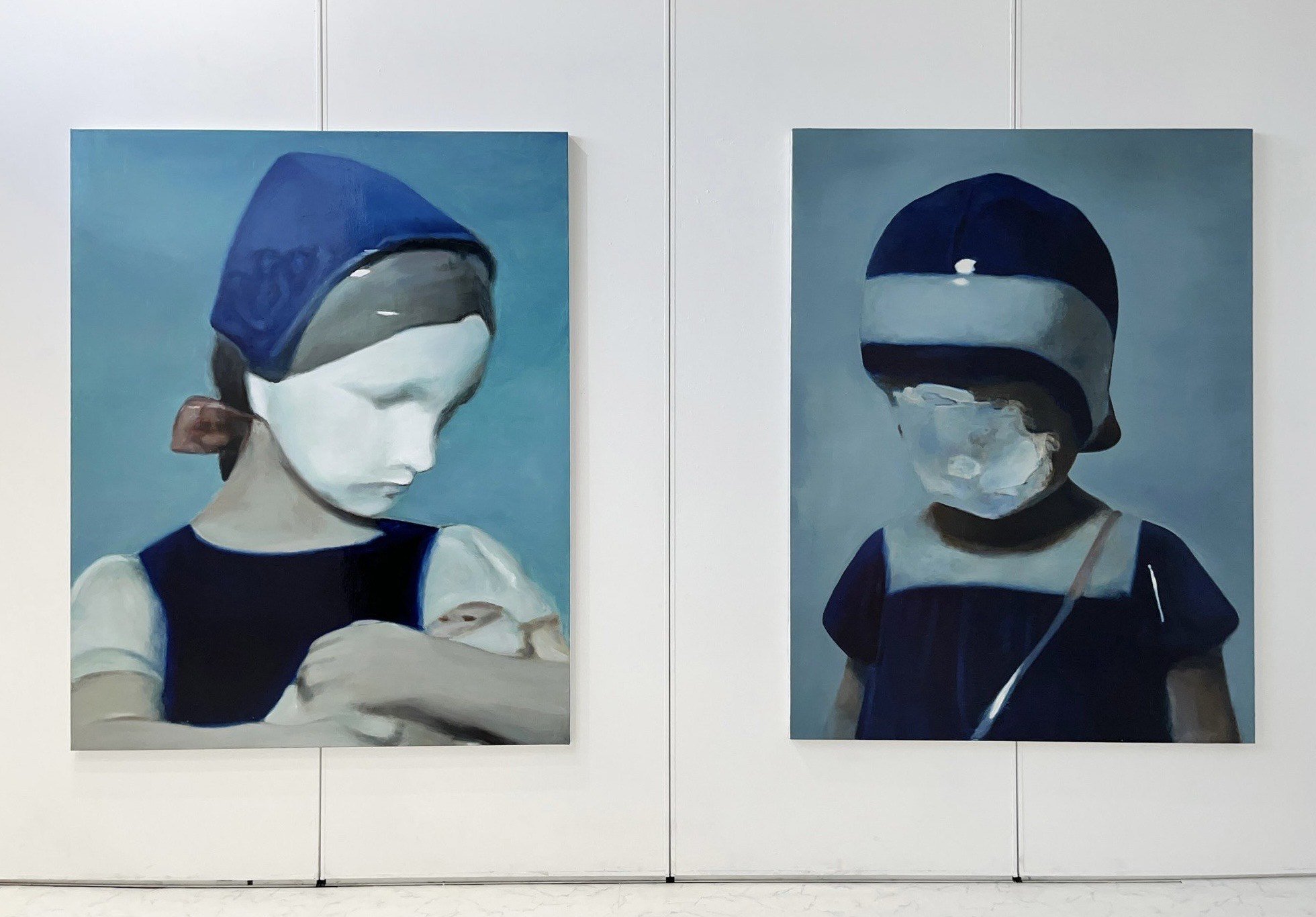
Guest Artist: Kazuto Muraki, Tokyo University of the Arts
Contemplate the tension between external perception and inner selfhood through the work of Kazuto Muraki, a Tokyo University of the Arts painter whose still, grain-textured images explore the fragile border between memory and identity.

Lea Brückner, Violinist and Climate Activist: “You Can Drive Social Change Through Culture.”
Lea Brückner is a violinist, moderator and climate ambassador who has carved out a unique career for herself, combining her passion for music with her commitment to sustainability. TWoA talked to Lea about the role culture can play in the battle against climate change, and about the specific steps cultural organisations can take towards becoming more sustainable.