The Trouble With Looking Back: Does Cancel Culture Extend to Artists of the Past?
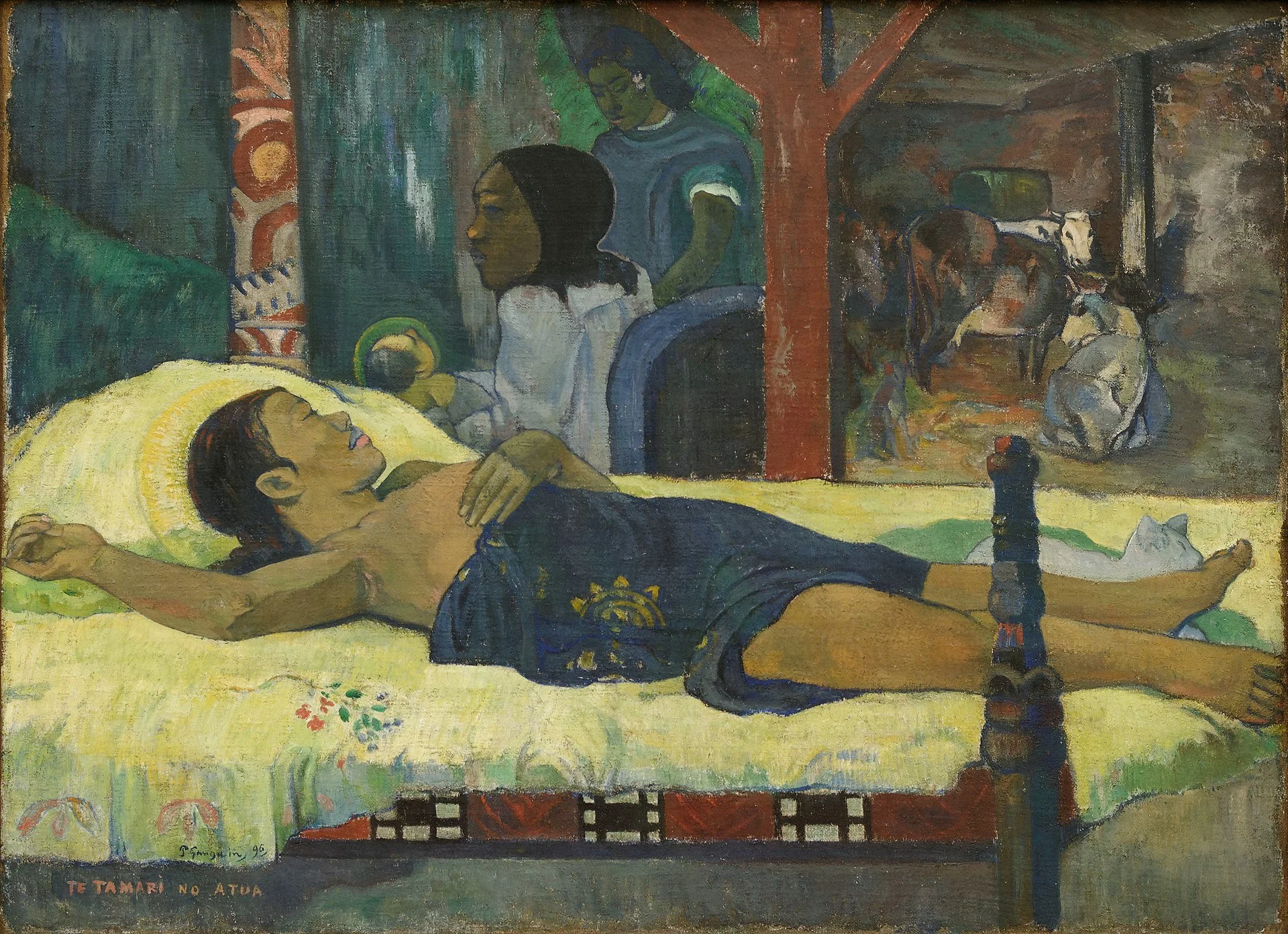
Te tamari no atua (Polynesian for The Son of God) or The Birth, 1896 Neue Pinakothek, Munich
20 March 2026
In a cultural moment where public figures can be “cancelled” almost overnight, the instinct to judge and dismiss problematic individuals has become familiar. However, should this instinct extend backwards into history? The issue is no longer simply whether artists of the past were morally sound, but whether the logic of contemporary cancellation should shape how we interact with their work.
One artist who sits right at the centre of this tension is Paul Gauguin. A 19th-century Post-Impressionist, celebrated as one of the defining painters of modern art, Gauguin is equally known today for the troubling aspects of his life in Tahiti. His relationships with girls as young as thirteen and the colonial context in which he lived have led many people to question how we approach his work today. Realistically, it is unlikely that a consensus will be reached in our lifetimes. Scholars and audiences alike have begun unpacking the moral dilemma of how to appreciate an abuser’s art.
The truth is Paul Gauguin has not suddenly become controversial. The facts of his life have not changed. What has changed is the moral framework through which these facts are understood. During Gauguin’s lifetime and long after his death, the aspects of his life that disturb us today were not unknown, but appear to have been largely ignored, minimised, or just not considered immoral in the way they are now. It has been nearly two centuries since Gauguin was born; inevitably, the social, ethical, and cultural landscape through which we interpret his life has shifted dramatically. This does not excuse or justify the artist’s transgressions. But it does raise an important question: can we acknowledge harm, controversy, and the social differences of the past without allowing them to become the only way we engage with an artist’s work?
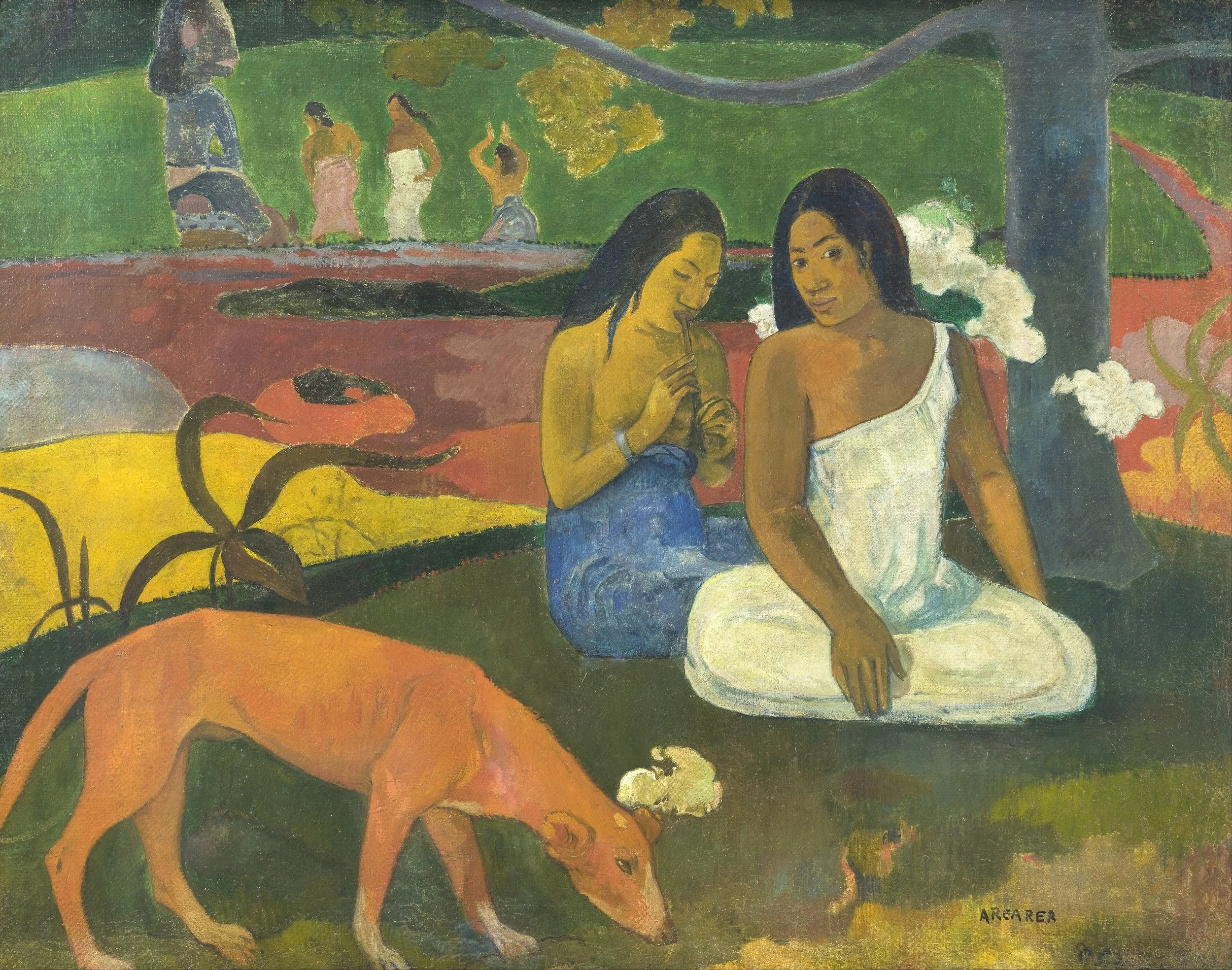
Arearea or Joyfulness, 1892. Musée d’Orsay, Paris
Rather than asking whether Gauguin should be defended or condemned, it may be more productive to consider how knowledge of his life shapes our experience of his paintings. Art historians will continue to examine Gauguin’s work through the context of his intended audience, the colonial structures surrounding his travels, and the symbolic language within the paintings themselves. As contemporary audiences, we are entitled to our own responses to his artworks; we are entitled to be provoked by them, unsettled by them, even disturbed by them. Equally, a viewer might still find beauty or fascination in the painting itself. Knowledge of the artist’s life does not have to erase the work, but it can inform the way we experience it.
If we insist that historic artists should be “cancelled” for their actions, what does that actually mean in practice? Artistic consumption is rarely straightforward—even today, figures who have faced significant public backlash continue to maintain audiences. Chris Brown, for example, pleaded guilty in 2009 to assaulting his then-girlfriend Rihanna and has faced ongoing criticism and legal consequences since. Yet despite restrictions that have affected aspects of his career, his music continues to be streamed widely, and he sold out three nights at Nationals Park Stadium as recently as October 2025. Public condemnation and continued consumption clearly exist side by side. If this contradiction currently exists, it becomes even more complicated when we apply the same logic to the consumption of historical art.
Looking back at historical figures inevitably means confronting values that clash with those of the present. This is not an argument against criticism. Gauguin’s actions deserve scrutiny. The problem arises when scrutiny becomes dismissal, and when complex historical figures are reduced to a single moral verdict. If the goal of studying art is still to understand both the work and the world that produced it, then those tensions must remain part of the conversation rather than the end of it.