THE MAGAZINE
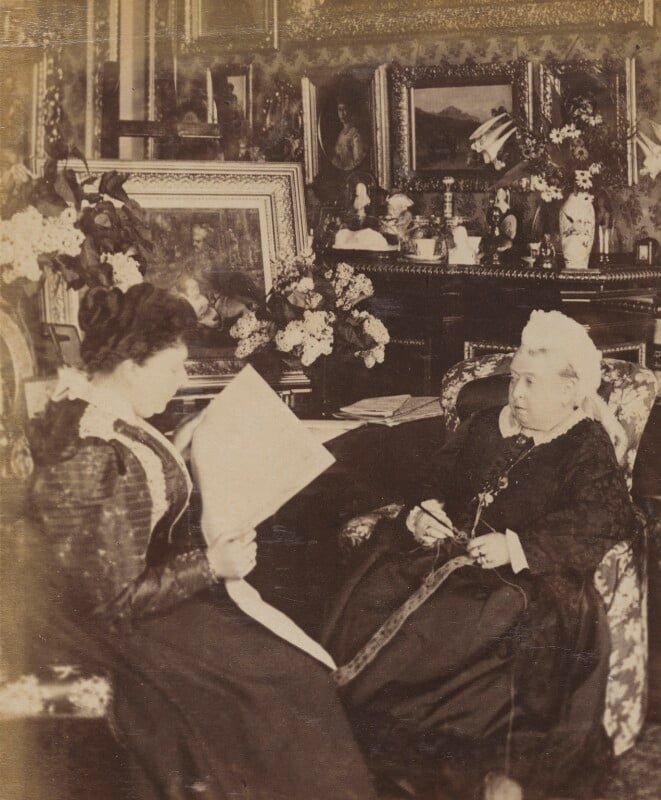
Paper Dolls, Etching Plates, and Theatre Costume: The Artistic Pursuits of Queen Victoria
Queen Victoria's artistic legacy extends far beyond her role as one of Britain's greatest cultural patrons. From designing paper dolls and painting theatrical costumes to etching alongside Prince Albert and supporting Britain's craft industries, her creative pursuits reveal a monarch whose imagination was as remarkable as her reign. Read on for more.
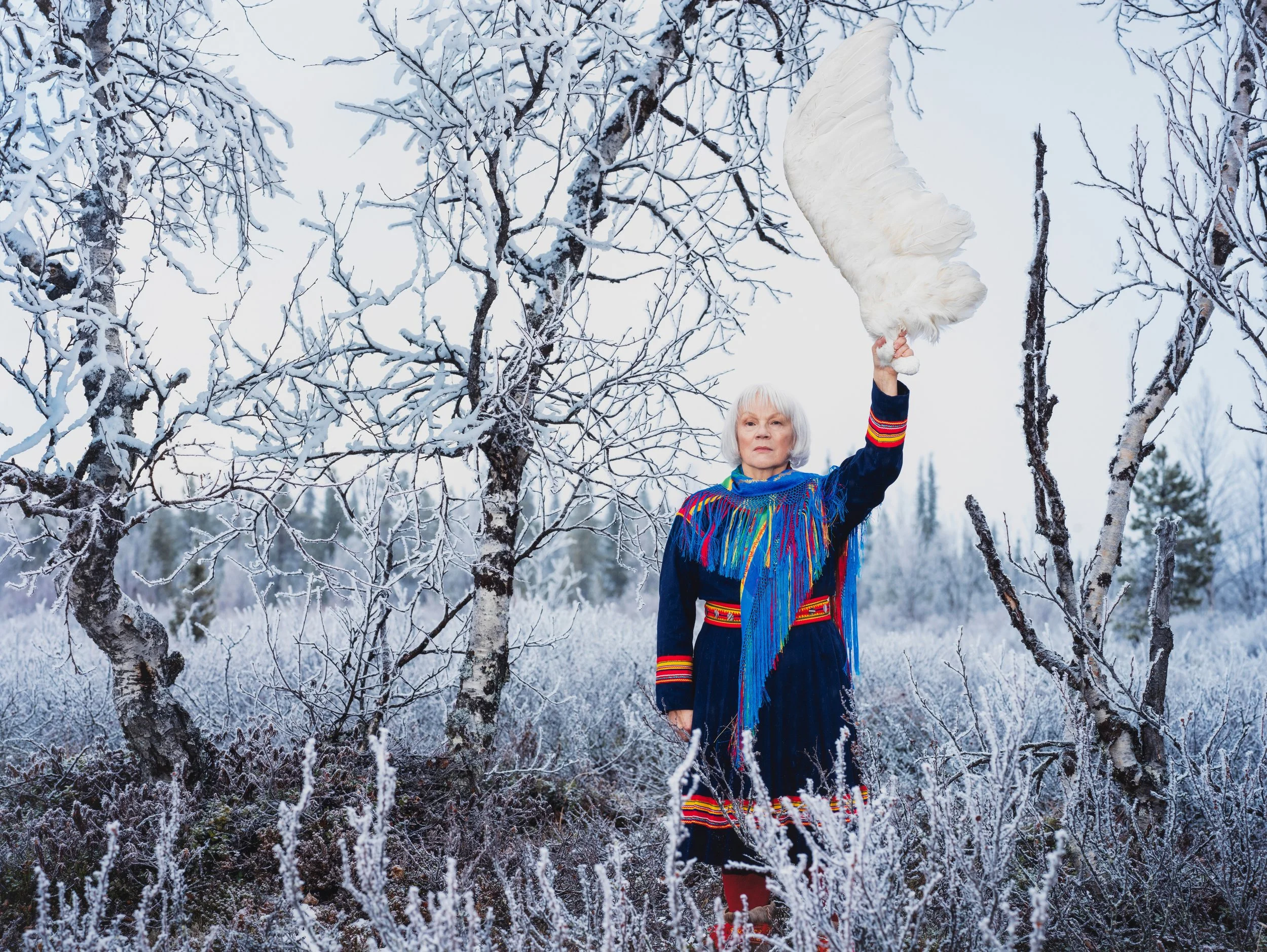
The River Will Live: Threads of Resistance in the Embroidery of Britta Marakatt-Labba
Through intricate embroidery, Britta Marakatt-Labba tells the story of Sámi identity, environmental activism, and cultural resilience. From the Alta protests to the monumental tapestry Historja, discover how needle and thread become powerful tools of memory, resistance, and survival. Read on for more.
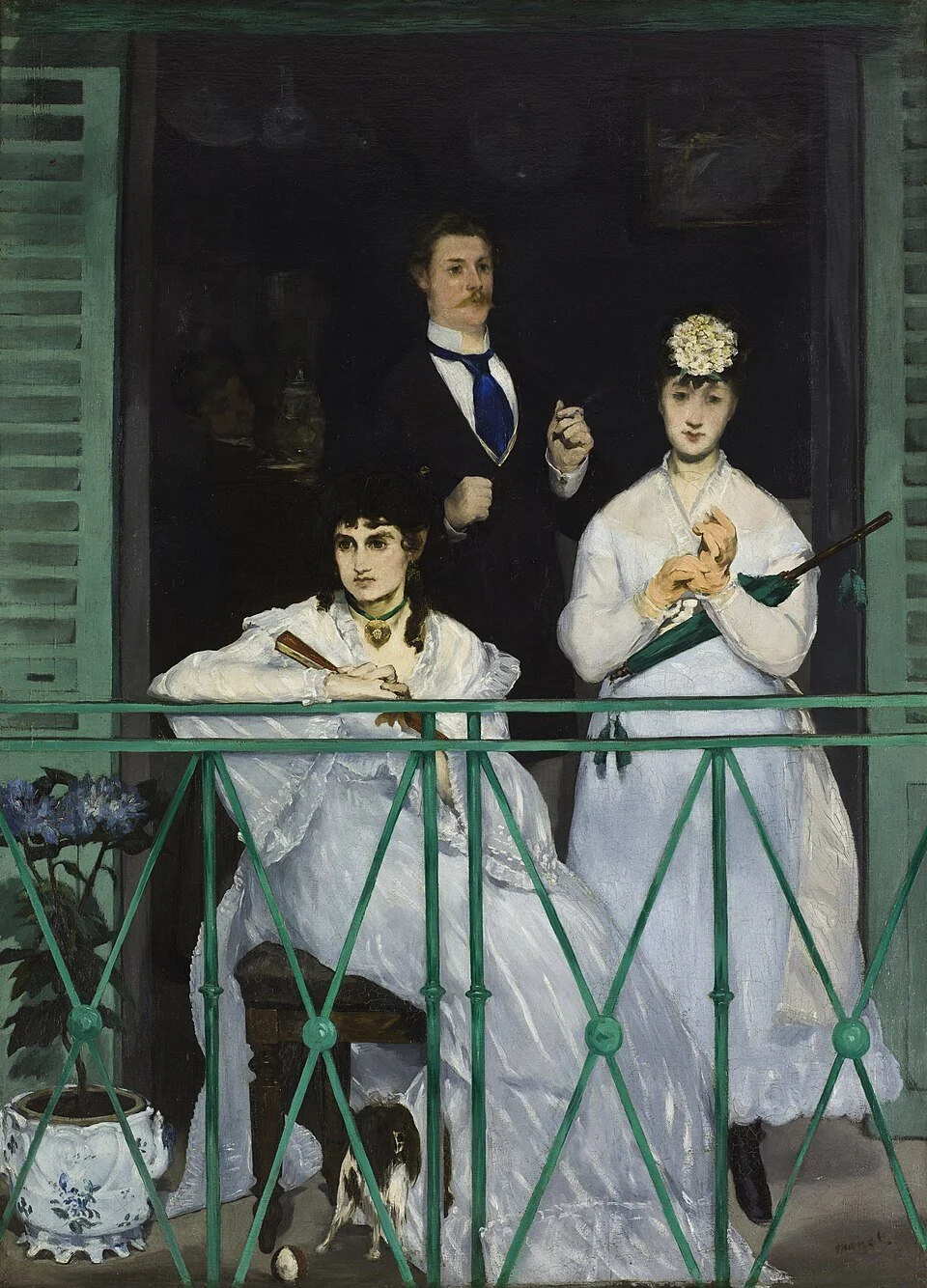
Bridging the World: The Balcony in Art and Literature
Whether framing a royal kiss, a political speech, or Shakespeare's most famous declaration of love, the balcony has long occupied a unique place in popular culture. Georgia Dougherty explores how this architectural feature became a symbol of romance, modernity, power, and performance across art and literature. Read on to find out more.
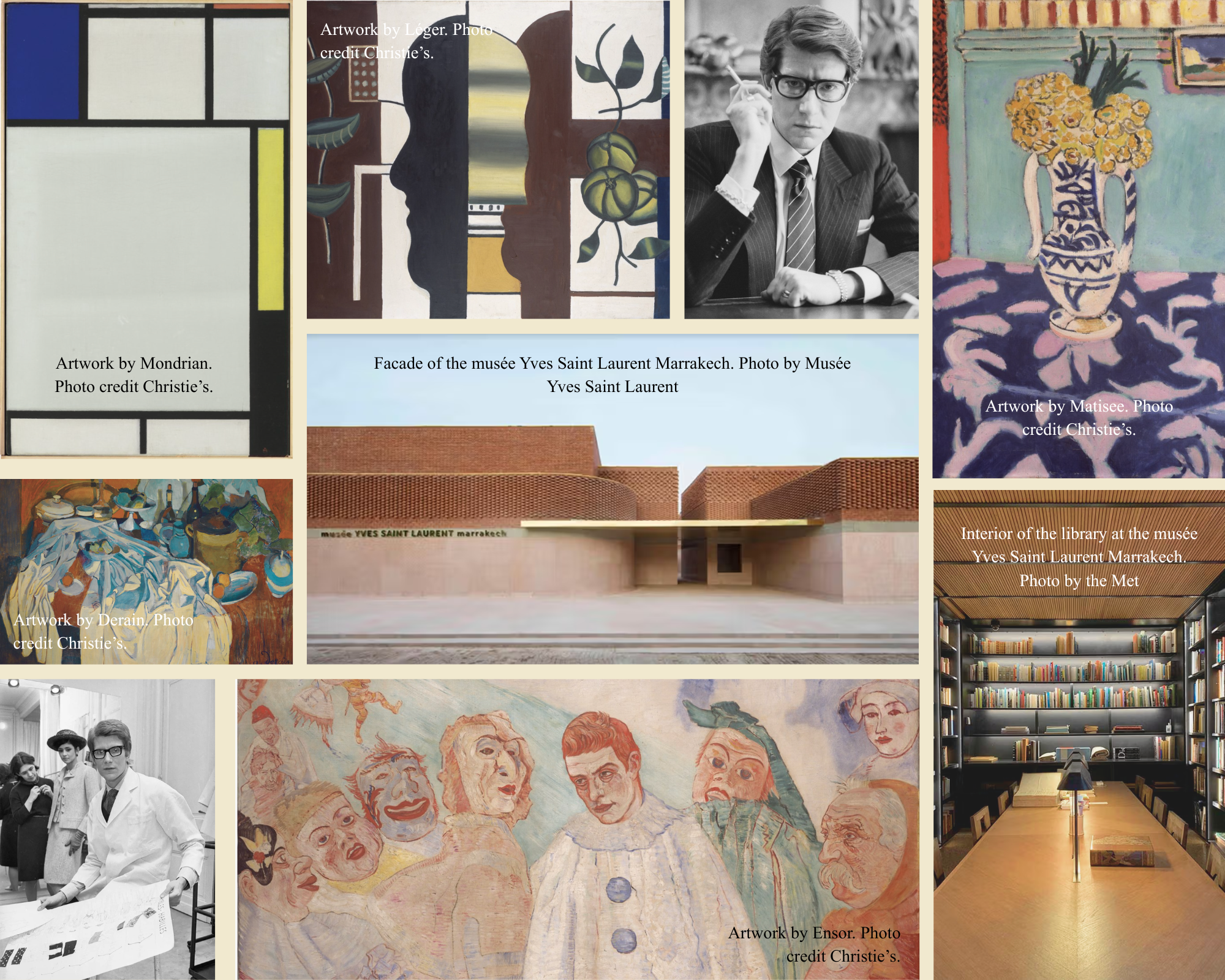
Inside the Art Collections of a Cultural Icon: Yves Saint Laurent
Yves Saint Laurent collected art with the same vision that transformed fashion. From Picasso and Matisse to Brancusi and Mondrian, his eclectic collection offered an intimate portrait of one of the twentieth century's greatest creative minds - and culminated in one of the most significant auctions in art market history. Read on for more.
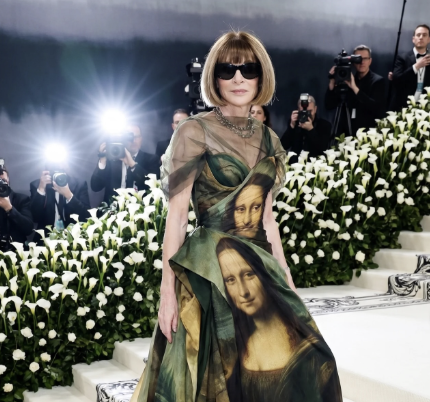
Before the Met Gala, Power-Dressing Was a Matter of State. Here’s Why.
AI fooled me into liking this year’s Met Gala outfits. So I went back through art history in search of fashion’s true power dressers. Read on to discover how clothing became a political language, and how you, too, can dress to rule.
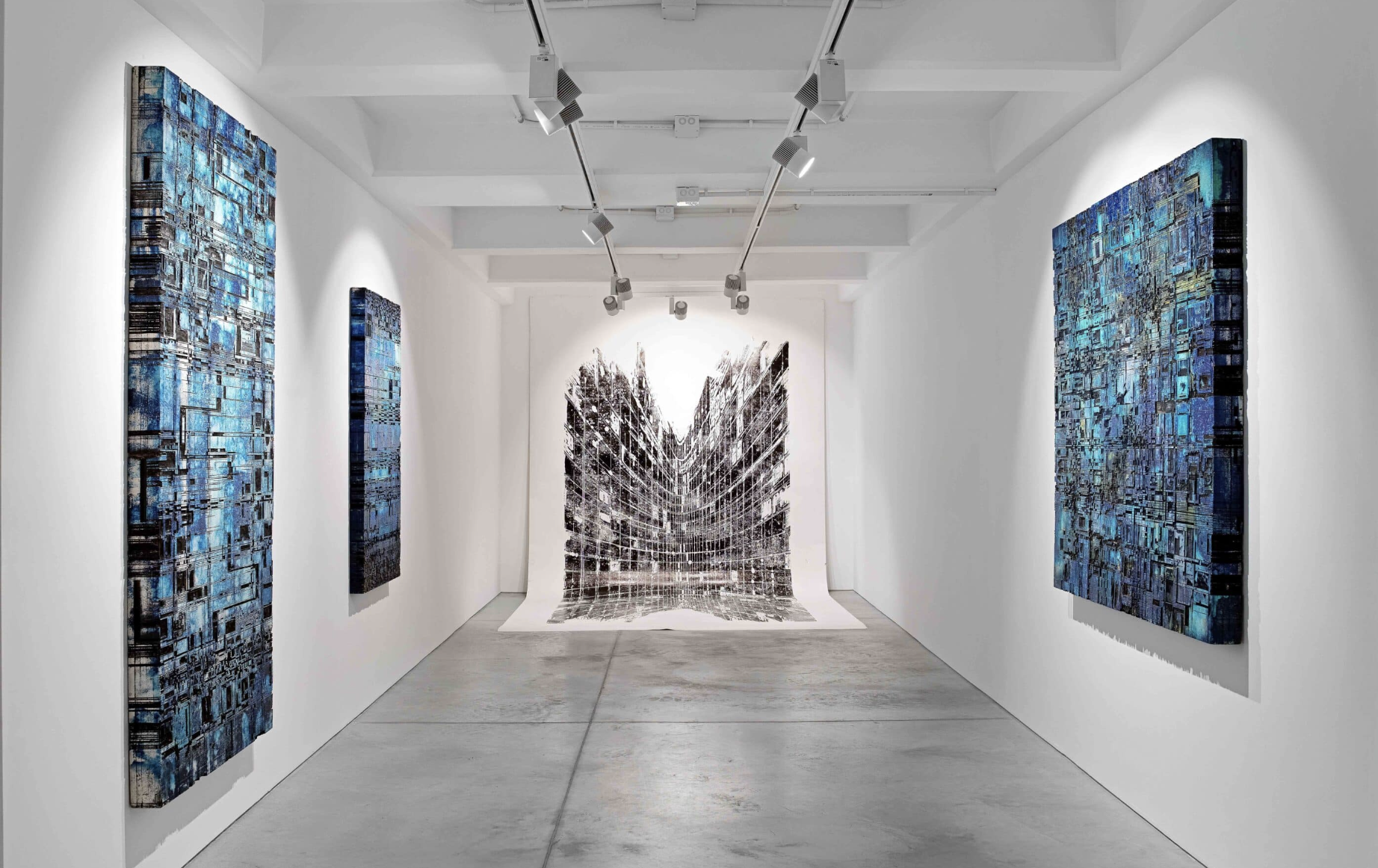
Career Spotlight: Artist Liaison
What does an artist liaison actually do? In the first instalment of TWoA’s Career Spotlight series, Melis Seven takes us behind the scenes of gallery life, where artists’ ideas turn into deadlines, exhibitions, logistics—and more. Read on to discover who helps contemporary art move from studio to public view.

The Remarkable Escape of Tracey Emin
From Margate’s washed-out shoreline to the centre of British contemporary art, Tracey Emin transformed autobiography into artistic defiance. Her work remains a refusal to apologise for experience, vulnerability, or survival. To explore her oeuvre, read the full article now.
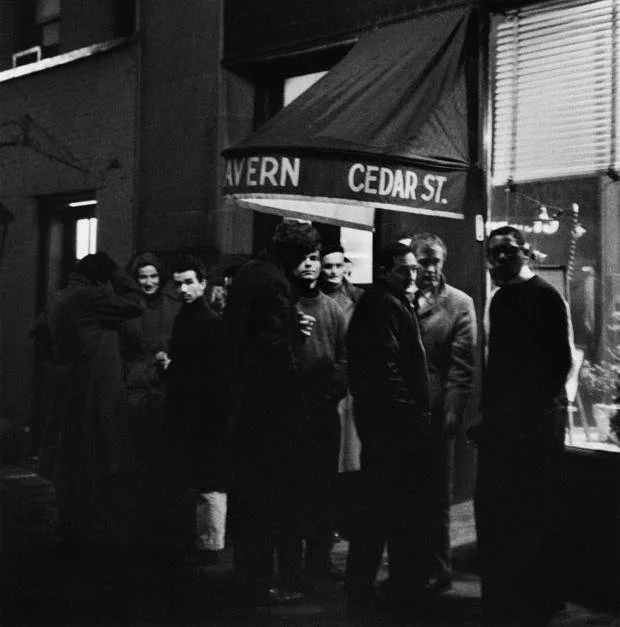
Cedar Tavern, NYC, 1950/60s: The Birth of an All-American Avant Garde
In 1950s downtown Manhattan, the Cedar Tavern became an unlikely laboratory for artistic revolution. Here, painters and composers reshaped modern art together, dissolving boundaries between sound, gesture, and chance. Read now to learn more about the birth of experimental, avant garde music in America.
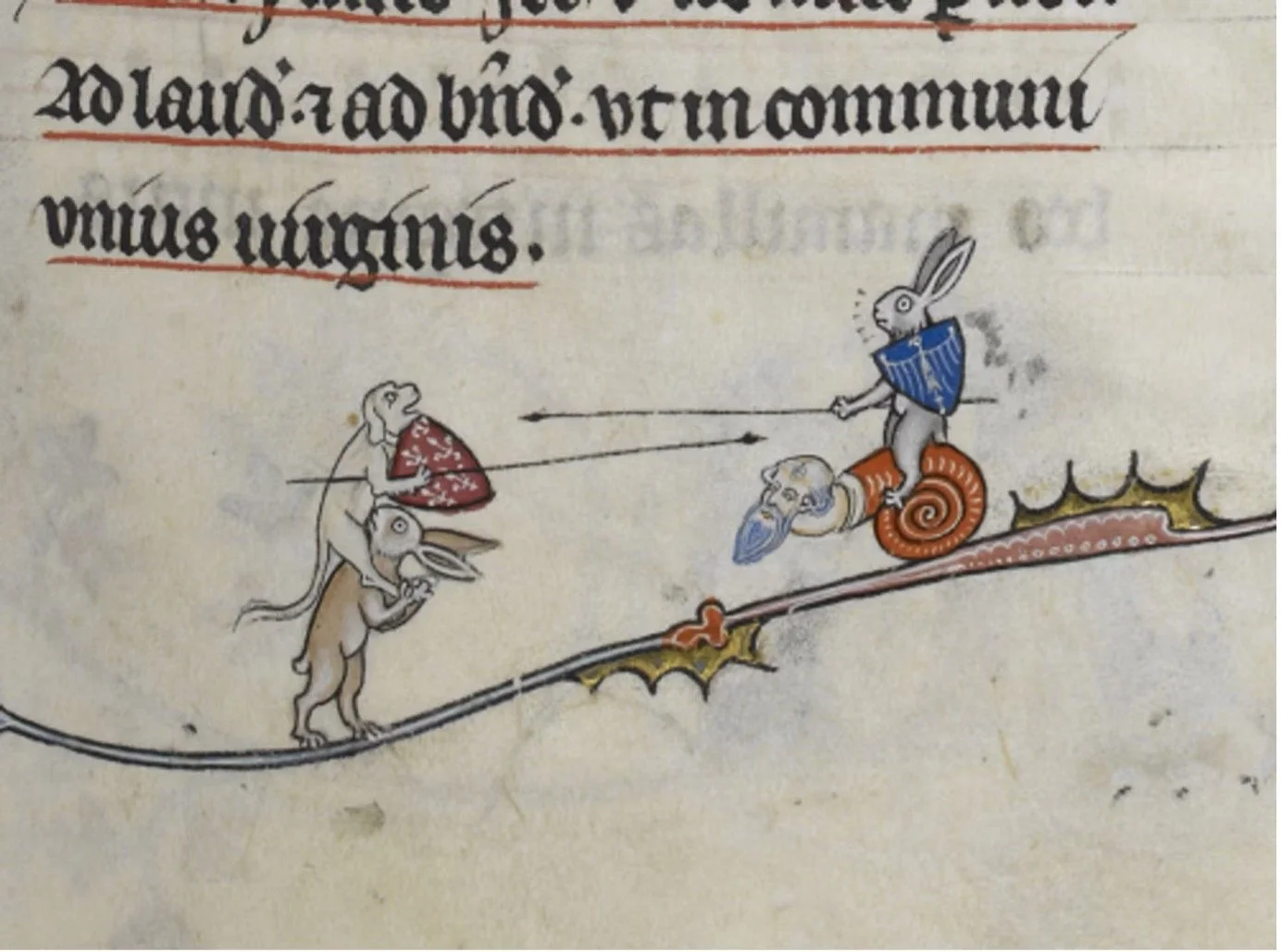
A Brief Exploration of the Fun and Weird Medieval
From jousting snails to rebellious rabbits, medieval manuscripts and cathedral carvings reveal a humorous world that challenges the myth of the Middle Ages as solemn and austere. Read on for more.
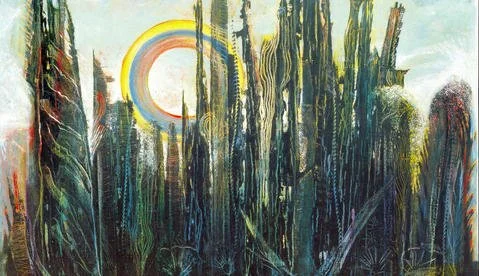
Fake or Genius? Inside the High-Stakes World of Art Forgery
Some forged paintings fooled experts for decades and sold for millions. What makes a fake convincing—and why do we believe in authenticity? Read on to find out.
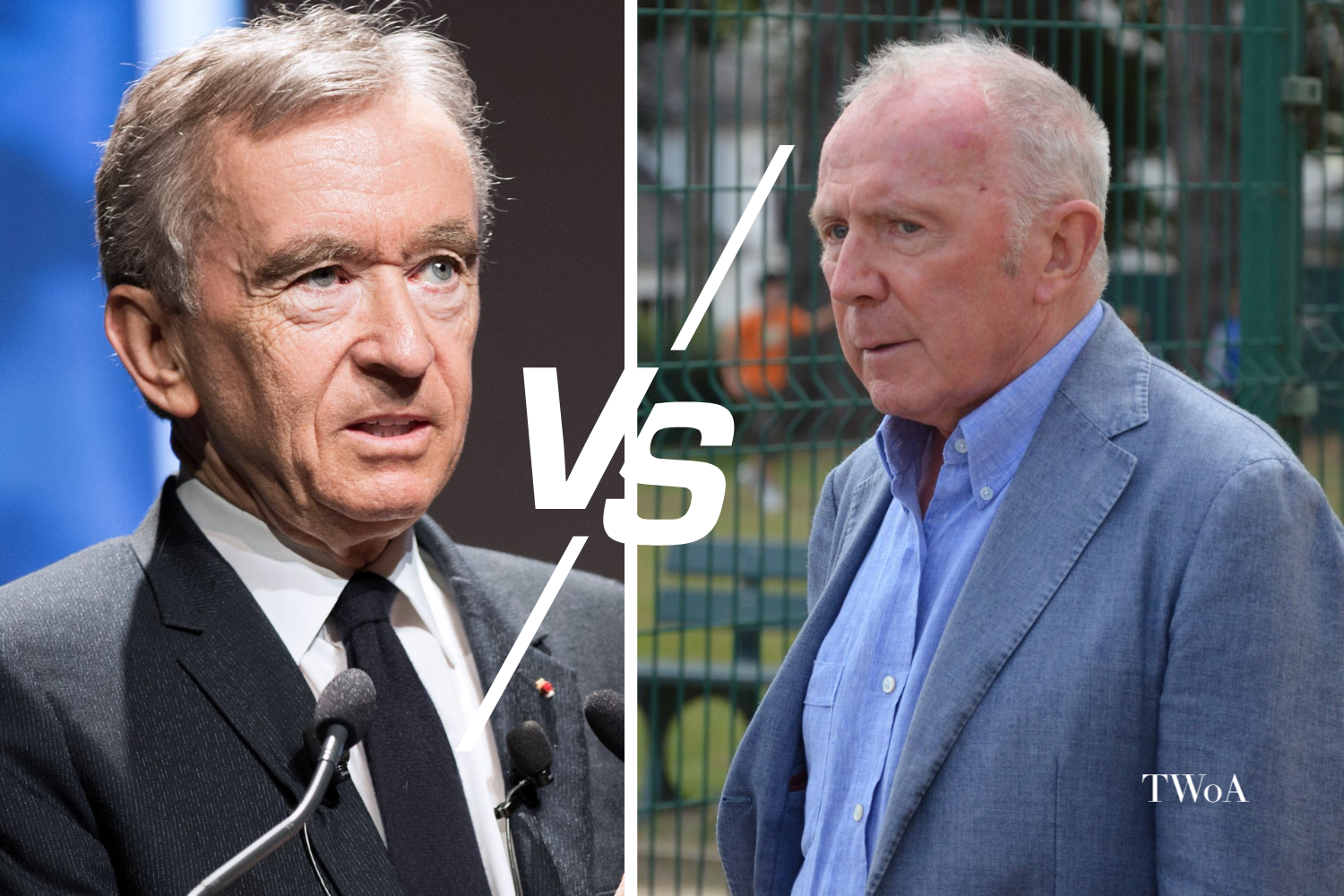
Arnault vs. Pinault: When Luxury Empires Compete Through Art
The competition between Bernard Arnault and François Pinault no longer unfolds only through fashion houses and auction rooms. From Paris to Venice, their museums and collections reveal a deeper struggle for cultural influence—one that shapes how contemporary art is seen, valued, and remembered. Read on for more.
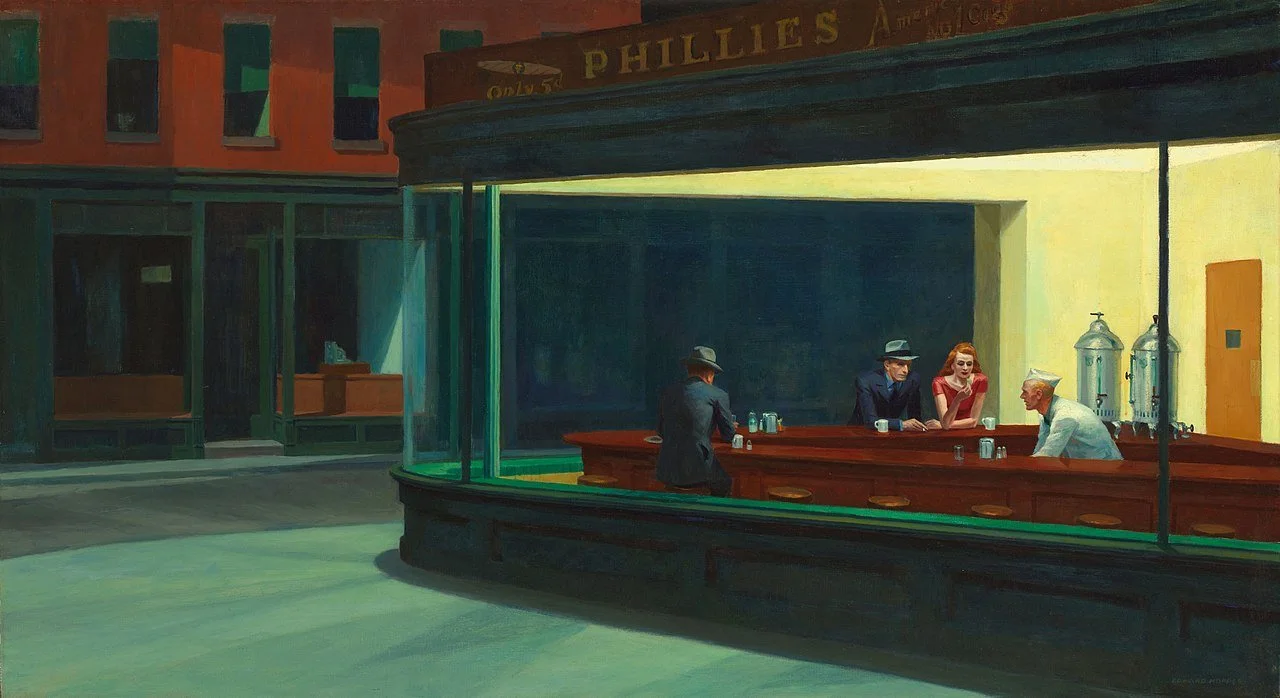
What Makes Edward Hopper’s Cities So Lonely?
Hopper’s paintings do not simply depict solitude; they make us experience it. We stand across the street, in the corridor, at the window, witnessing tension, isolation, and melancholy as the lives of others unfold before us. The question, then, is not why his figures appear lonely, but why looking at them makes us feel the same. Read on to find out.
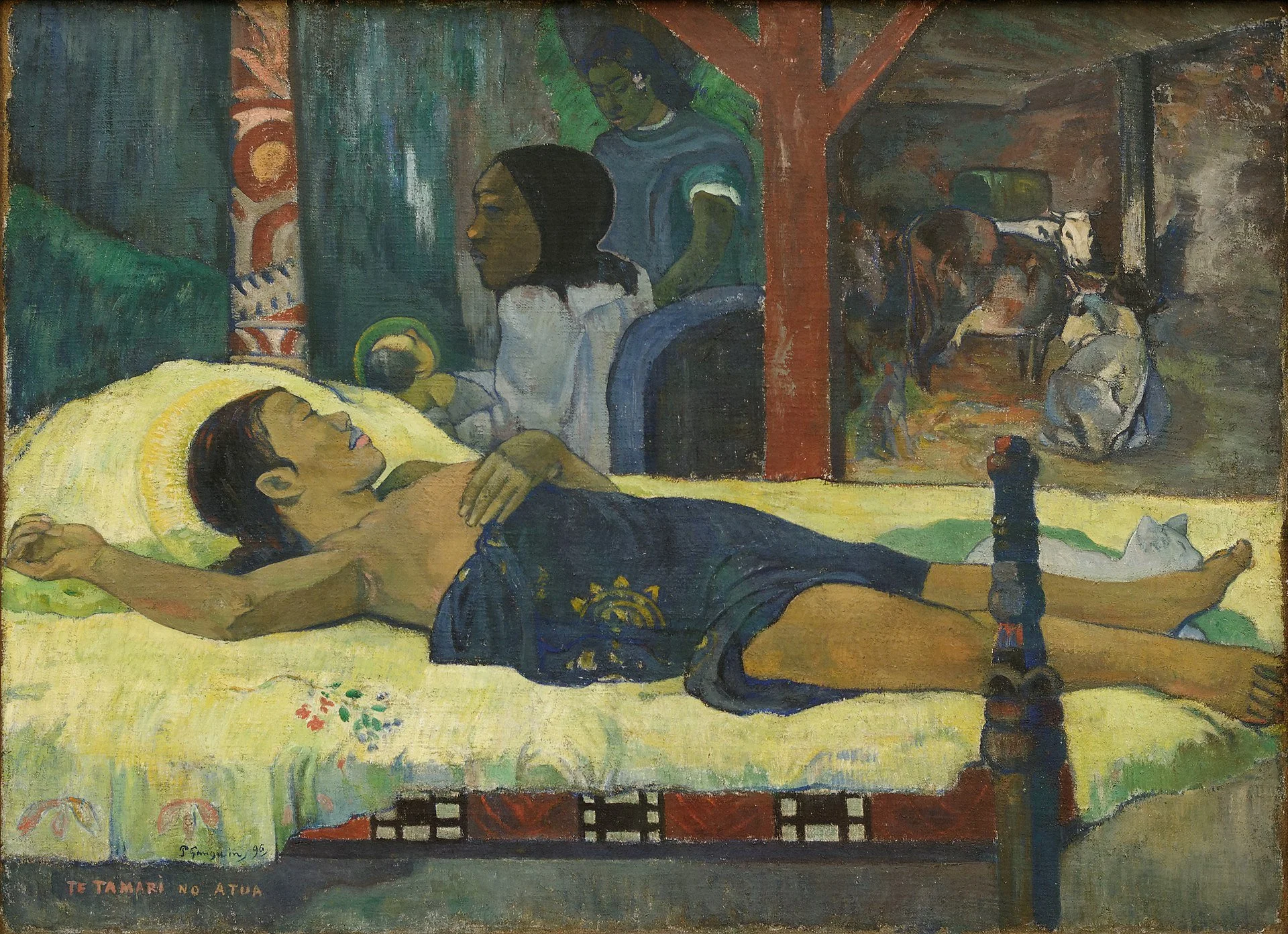
The Trouble With Looking Back: Does Cancel Culture Extend to Artists of the Past?
At a time when anything can get you cancelled, the past, too, feels uncomfortable. Artists like Paul Gauguin sit at the centre of a growing debate: how do we confront troubling biographies without reducing their life’s work to a moral verdict? As contemporary values collide with historical realities, the question then becomes not whether we judge the past—but how. Read on for more.
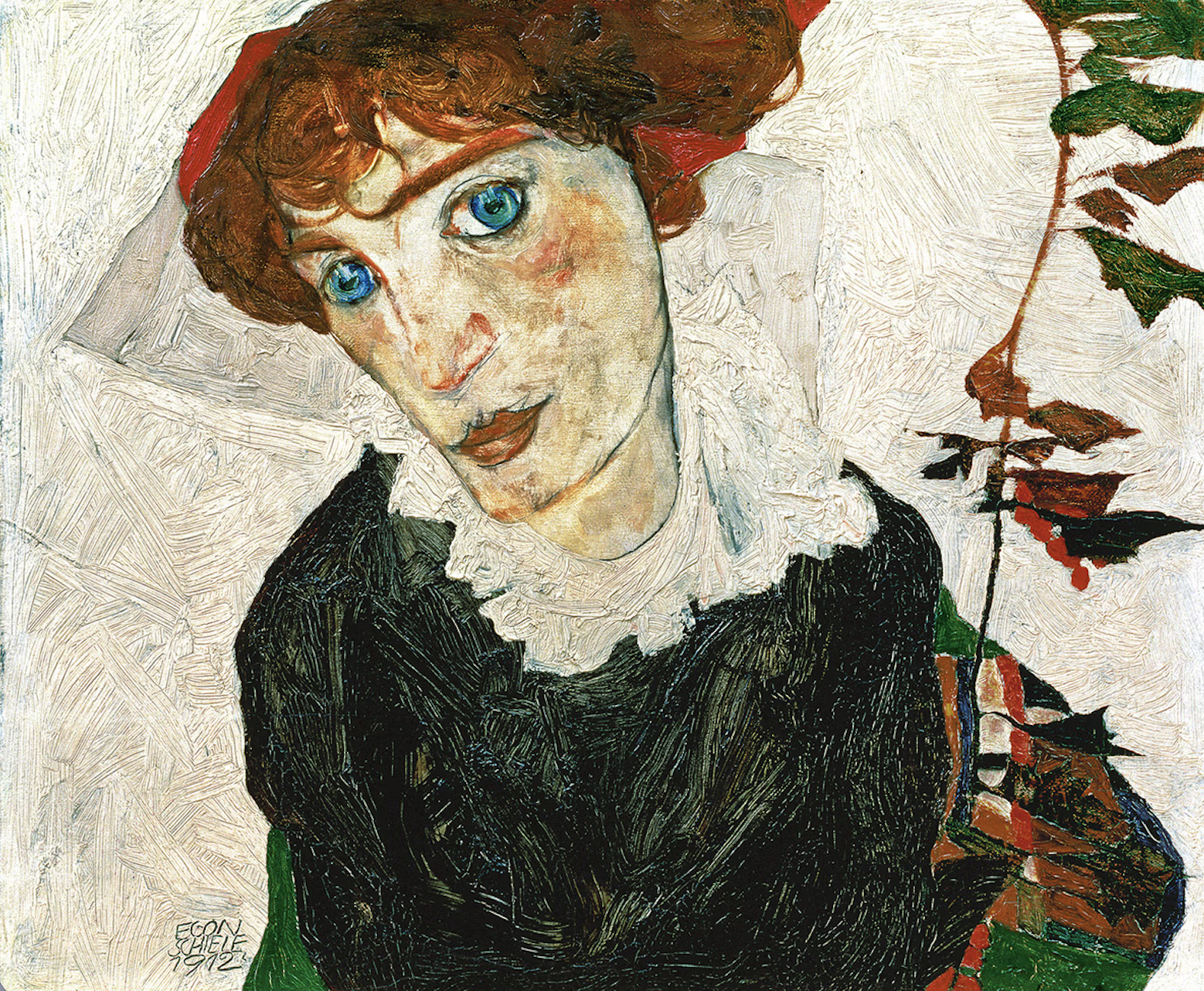
Why Are Egon Schiele’s Women So Uncomfortable to Look At?
For centuries, women in art were idealised, romanticised, and misseen. But Egon Schiele did something far more unsettling. He painted women not as muses or fantasies, but as psychologically present beings, fractured, guarded, and more existential than erotic. Read on for more.
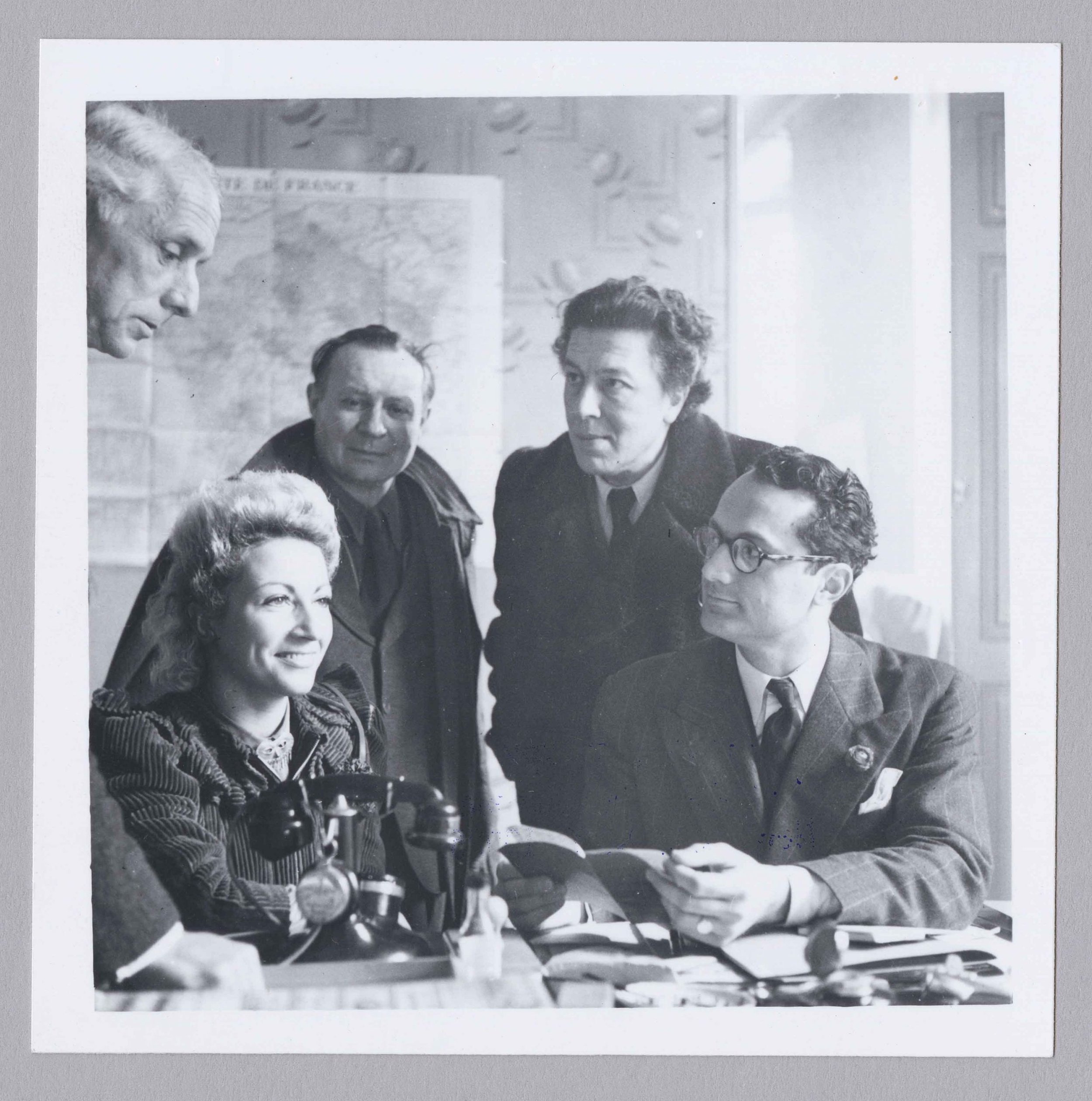
An Underground Network Escape: The American Journalist Who Saved Europe’s Creatives from the Nazis
In 1940, American journalist Varian Fry arrived in Marseille with little more than a list of endangered writers, artists, and intellectuals. Over the following year, he organised an underground escape network that helped more than 2,000 refugees—including Marc Chagall, André Breton, and Marcel Duchamp—flee Nazi persecution. Operating from the Villa Air-Bel safe house, Fry and his collaborators forged documents, arranged visas, and navigated the fragile geography of occupied Europe to save some of the twentieth century’s most influential creative minds. Read on for more.
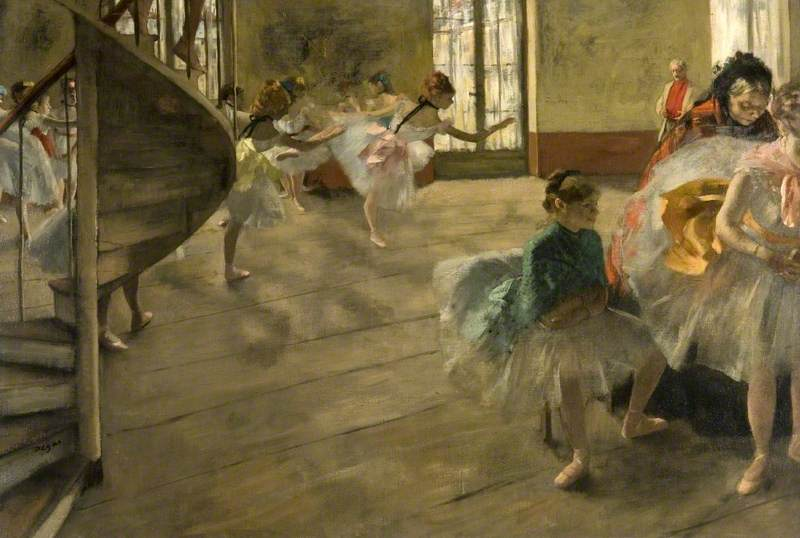
Who Do You Dance For? Looking Into Degas’s Dancers and Ballet Itself
Were Degas’ dancers monstrous, animalistic social climbers–or misunderstood performers? TWoA reframes ballet in Degas’ oeuvre as a demanding art of movement, labour, and correction. It gives both him and his dancers the credit they are due. Read on for more.
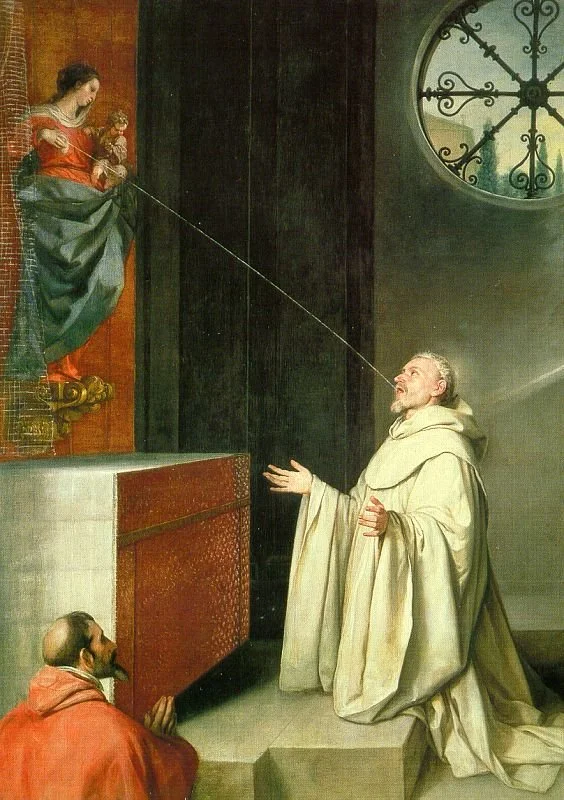
Holy Cow! A Semi-Skimmed History of Milk in Visual Culture
Milk may seem ordinary, but its visual history is anything but. From sacred nourishment and Dutch domesticity to nationalist advertising under Ronald Reagan and dystopian cinema, milk has been shaped into one of culture’s most contradictory symbols. Read on for more.
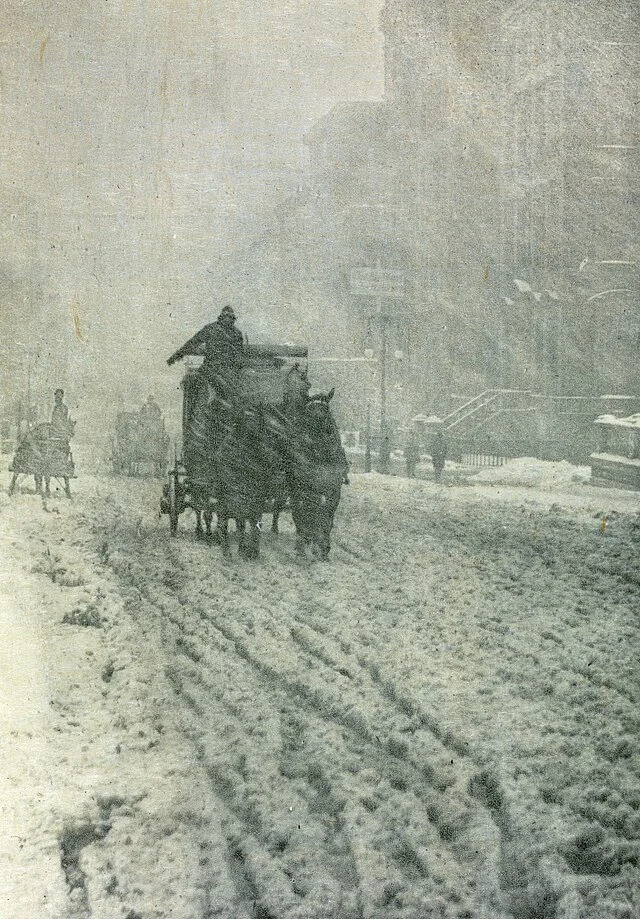
Winter with Van Gogh, Monet and Stieglitz
Snow has long fascinated artists for its ability to transform the familiar into something fleeting and uncertain. In the nineteenth century, painters and photographers turned to winter cityscapes to explore the growing tension between industrial life and the natural world. Through works by Van Gogh, Monet, and Stieglitz, this article reflects on snow as both a poetic presence and a quiet reminder of nature’s endurance.
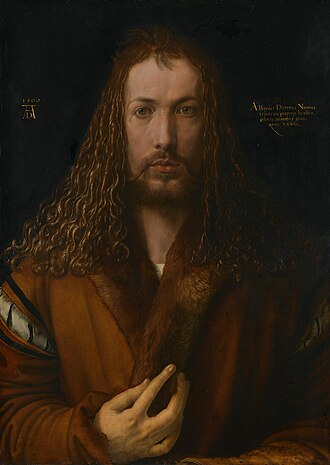
On Artists and New Year Resolutions
Across time, artists have used painting to declare identity and ambition to the public. From Dürer to Picasso to Kehinde Wiley, TWoA follows how resolution and intention—once made visible—have reshaped the art-historical canon itself.
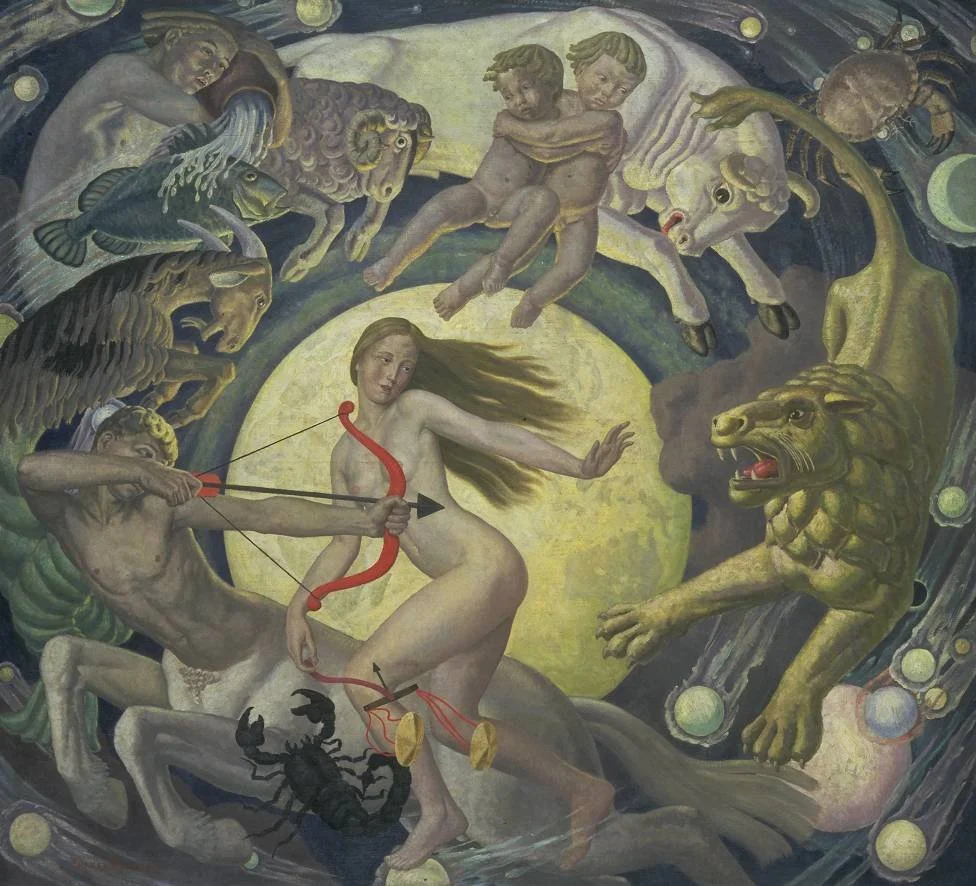
The Art of Astrology, Pre Co-Star
Long before Co-Star, Europe’s wealthiest men were proudly inscribing their natal charts onto walls, ceilings, and frescoes. From Chigi’s astrologically coded villa in Rome to the Medici palaces of Florence—and later, the cosmic visions of Cocteau and Dalí—astrology has shaped art and architecture for centuries. TWoA traces how Renaissance elites and modern masters alike used the zodiac to script power, meaning, and identity across eras. Read on to find out how.