THE MAGAZINE

Review: Carmen at the Metropolitan Opera: Out With the Old and In With the New?
How do you modernize past operas for contemporary society without hollowing out their dramatic core? It’s a fine line between honoring tradition and injecting new urgency—and TWoA explores whether Carrie Cracknell’s new production of Carmen at The Metropolitan Opera in New York City finds that balance, or loses something essential in the process.

Eunike Tanzil, Composer, Pianist and Producer: On “Star Wars,” Composing and Finding Your Voice
How does a composer find her voice between cinema, concert hall, and social media? TWoA explores how Eunike Tanzil draws inspiration from Star Wars and John Williams, turns hummed melodies into symphonic music, and carves out a distinctive artistic path following her signing with Deutsche Grammophon.

Will Social Media Shape the Future of Classical Music?
Can social media shape the future of classical music? TWoA traces how platforms like TikTok, Instagram, and YouTube are transforming how audiences discover, experience, and reimagine the genre—through creators and performers such as TwoSet Violin, Anna Lapwood, and Spencer Rubin—and whether this digital shift can move classical music beyond outreach toward real cultural change.

Mariko Sasaki, First Soloist, The Royal Ballet: Getting Ready for a “Swan Lake” Debut
How do you prepare for a Swan Lake debut—one of classical ballet’s most demanding double roles? TWoA talks to Mariko Sasaki, First Soloist with The Royal Ballet, about stepping into Odette and Odile for the first time, shaping character and partnership with Joseph Sissens, and navigating the emotional and technical marathon of Swan Lake.
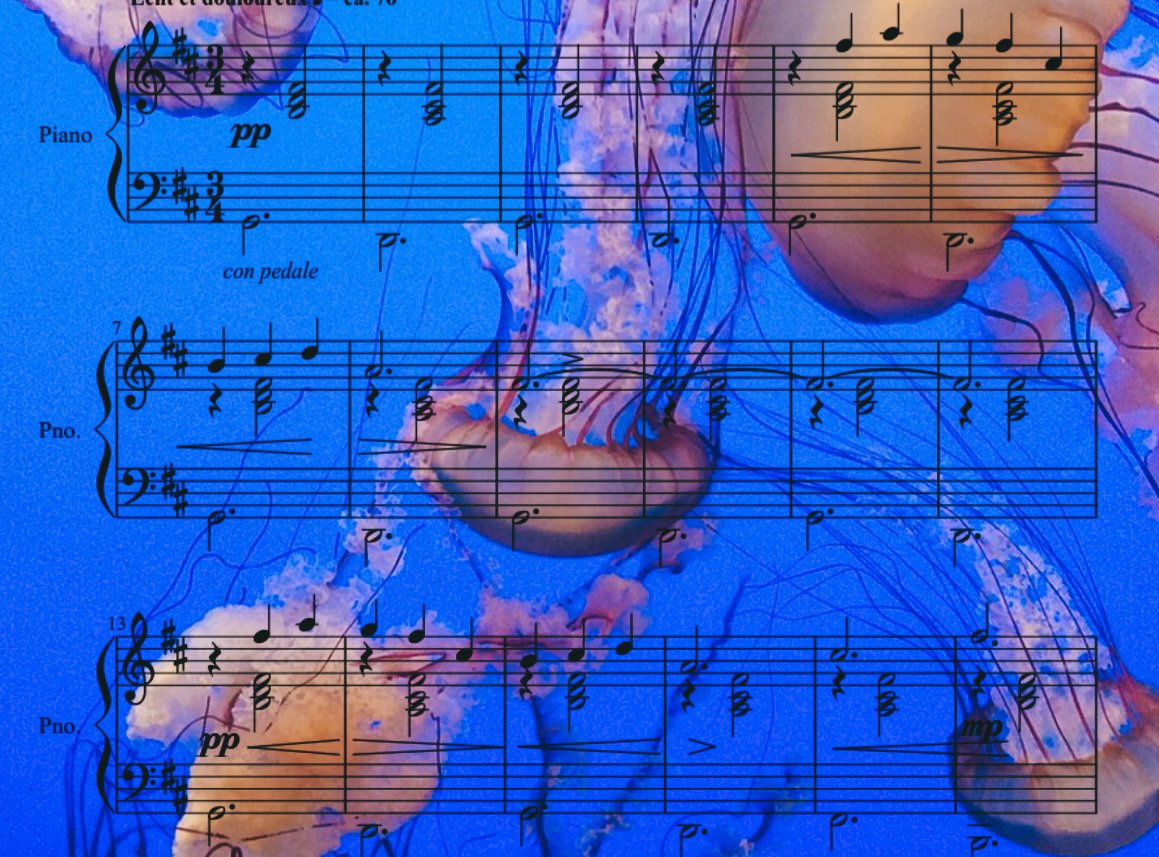
Inside Handel’s Beehive: If Classical Pieces were Animals
What if classical music sounded like the animal kingdom? In this playful, imagination-led exploration, TWoA re-hears familiar masterpieces by Ludwig van Beethoven, George Frideric Handel, Erik Satie, and Johann Sebastian Bach through an unexpected lens: owls, bees, jellyfish, and meerkats. By pairing iconic works like the Moonlight Sonata, Messiah, Gymnopédie No. 1, and a Bach fugue with vivid animal imagery, this article invites listeners to rediscover classical music as something tactile, animated, and richly alive—far removed from black notes on a white page.

No Halos at the Dinner Table: The Human Side of Leonardo’s “The Last Supper”
What happens when holiness gives way to humanity? In this reflective art-historical essay, TWoA revisits Leonardo da Vinci’s The Last Supper at Santa Maria delle Grazie, reading the fractured gestures, shadowed faces, and absent halos as a radical insistence on the apostles’ human vulnerability. Moving from Renaissance Milan to modern reimaginings by Domenico Ghirlandaio, Mary Beth Edelson, and Salvador Dalí, the piece traces how this table—sacred yet ordinary—continues to frame faith, doubt, betrayal, and belief as profoundly human experiences.

3-D Printing: Increasing the Durability of Pointe Shoes
Can emerging technology make one of ballet’s most traditional tools more sustainable? As companies experiment with 3-D printing to extend the lifespan of pointe shoes, dancers are left weighing durability against the deeply personal need for customization. This article examines how innovations like Só Dança’s Elektra Tech and act’ble’s Act’Pointes challenge centuries-old craft, raising urgent questions about sustainability, fit, and whether longer-lasting shoes can truly replace the fragile perfection of tradition.
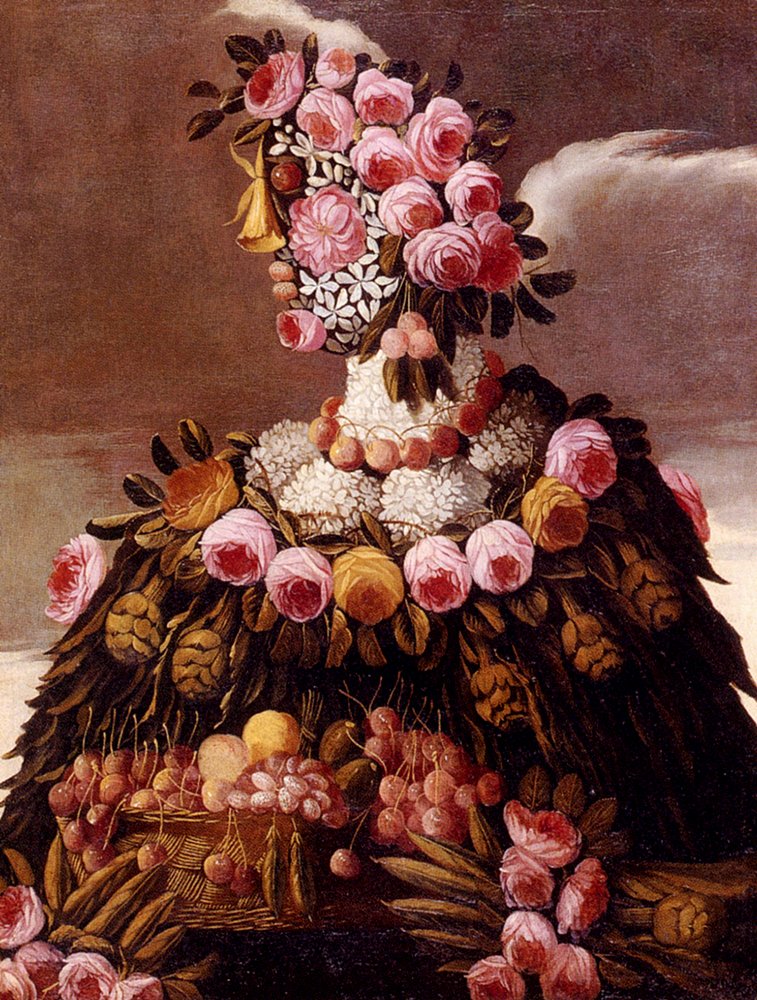
Spring Vibes!
Sometimes, an image says more than words. Spring is in the air! Celebrate it with TWoA and the best spring artworks.

From Mozart's "Lick My Ass" Canon to Scarlatti's Composing Cat: Humour in 17th Century Classical Music
What if classical music wasn’t always polite, serious, or well behaved? TWoA explores humour in eighteenth-century music through the scatological jokes of Wolfgang Amadeus Mozart, the feline legend behind Domenico Scarlatti’s so-called Cat Fugue, and the audience-teasing wit of Joseph Haydn, revealing a tradition far more mischievous than its reputation suggests.
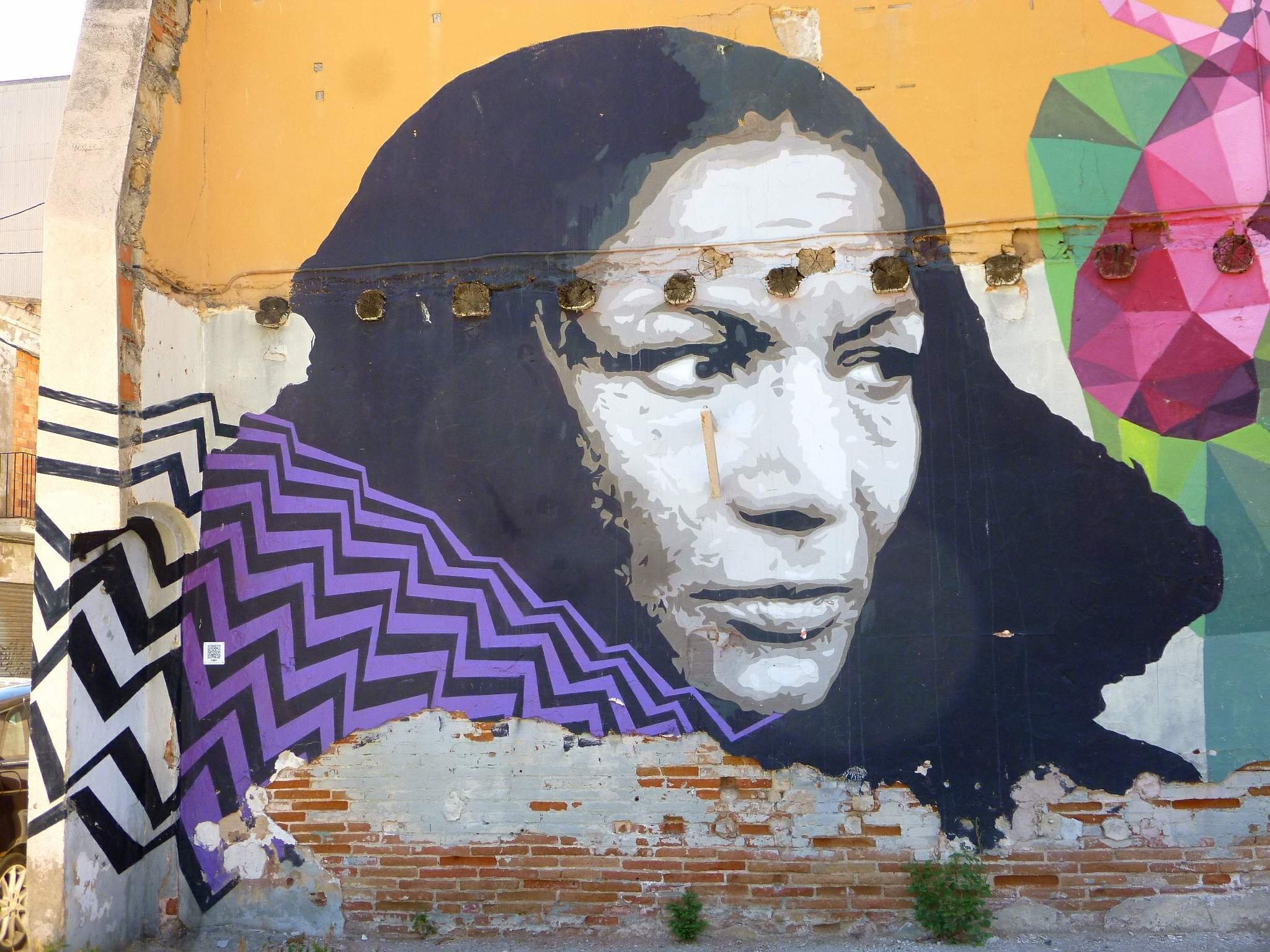
¡Viva Flamenco! From Spain’s Margins to its Center Stage
Once rooted in persecution and survival, flamenco has travelled from the margins of Andalusian society to the center of Spain’s global cultural image. TWoA explores how this deeply expressive art form—shaped by Gitano history, transcontinental exchange, and figures like Carmen Amaya—became both a symbol of resistance and a national spectacle.
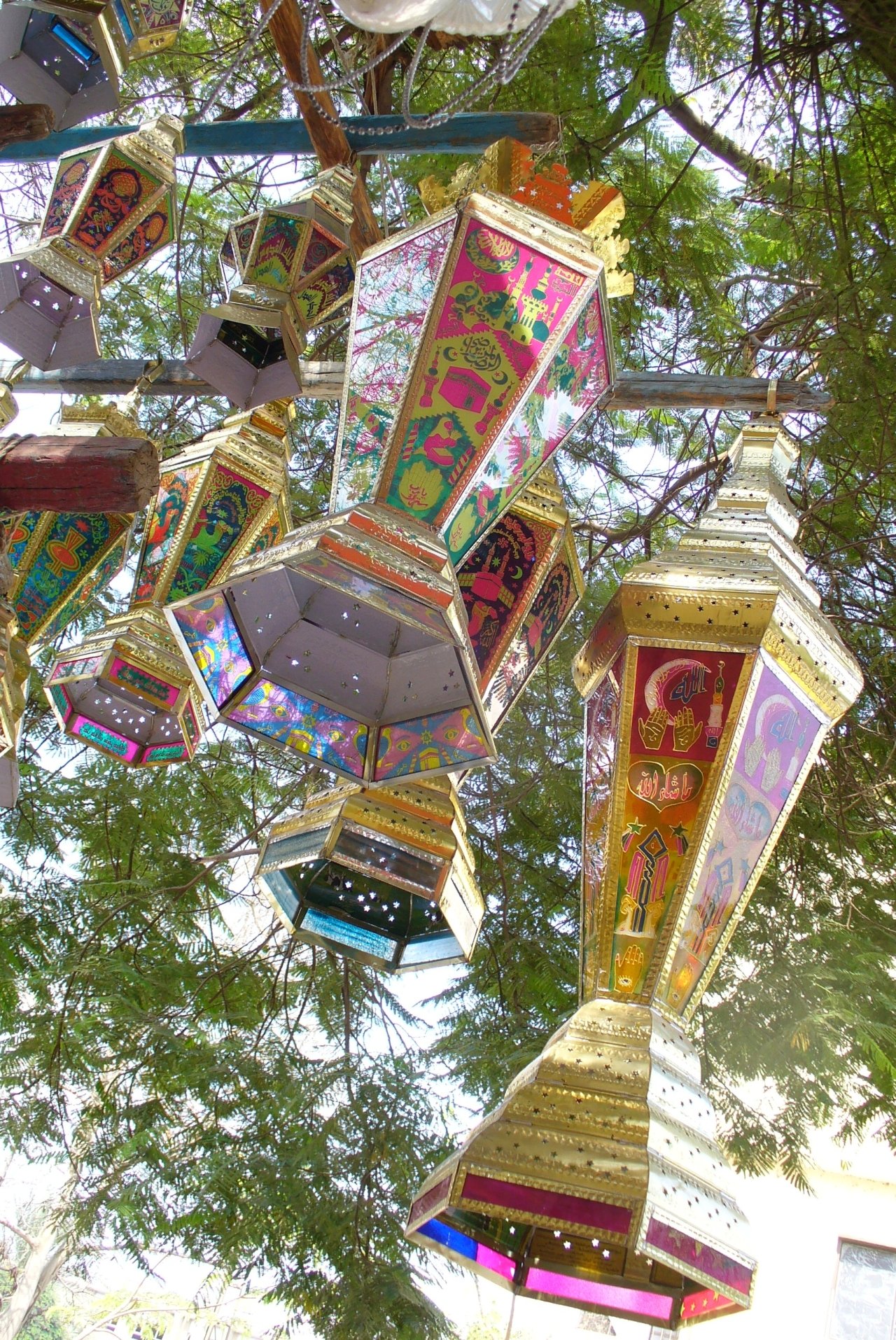
Lights of Spiritual Growth: Ramadan Lanterns
As Ramadan unfolds, its most luminous symbol comes into focus: the fanous. These traditional lanterns, glowing in homes and streets across the Muslim world, embody far more than decoration. Rooted in faith, charity, and spiritual discipline, they reflect Ramadan’s deeper call toward enlightenment, resilience, and communal care. To understand Ramadan, one must follow the light.

Pablo Picasso in Music: “Formes en l’air” by Artur Lourié
What happens when Cubism leaves the canvas and enters the concert hall? In Formes en l’air (1915), Russian composer Artur Lourié transforms Pablo Picasso’s fractured visual language into an experimental piano score that reimagines how music can be seen, read, and heard.

Two Ballets for Easter
ooking for an Easter ballet? These two works capture the season’s dual spirit — from John Neumeier’s profound meditation on faith and forgiveness to Frederick Ashton’s charming celebration of spring, rabbits, and renewal.
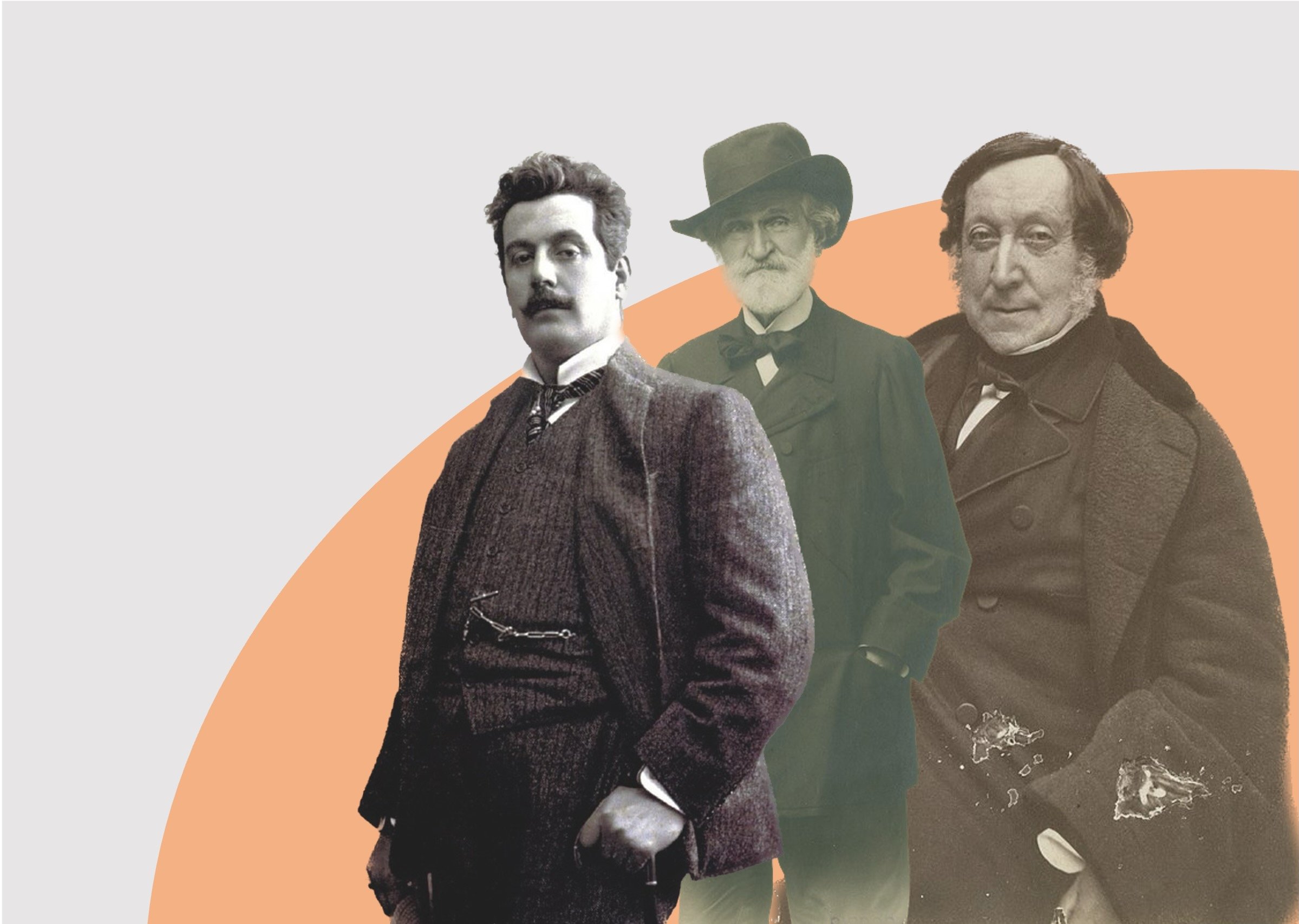
Eating the Opera: The Recipes Behind Three of Italy’s Most Celebrated Composers
Good music isn’t made on an empty stomach. From extravagant truffles to simple, nourishing beans, this article pairs iconic operatic works with the favourite recipes of Italy’s most celebrated composers — from Gioachino Rossini’s legendary love of indulgent cuisine, to Giacomo Puccini’s humble student meals, and Giuseppe Verdi’s rustic countryside fare — proving that opera is, quite literally, a feast for all the senses.
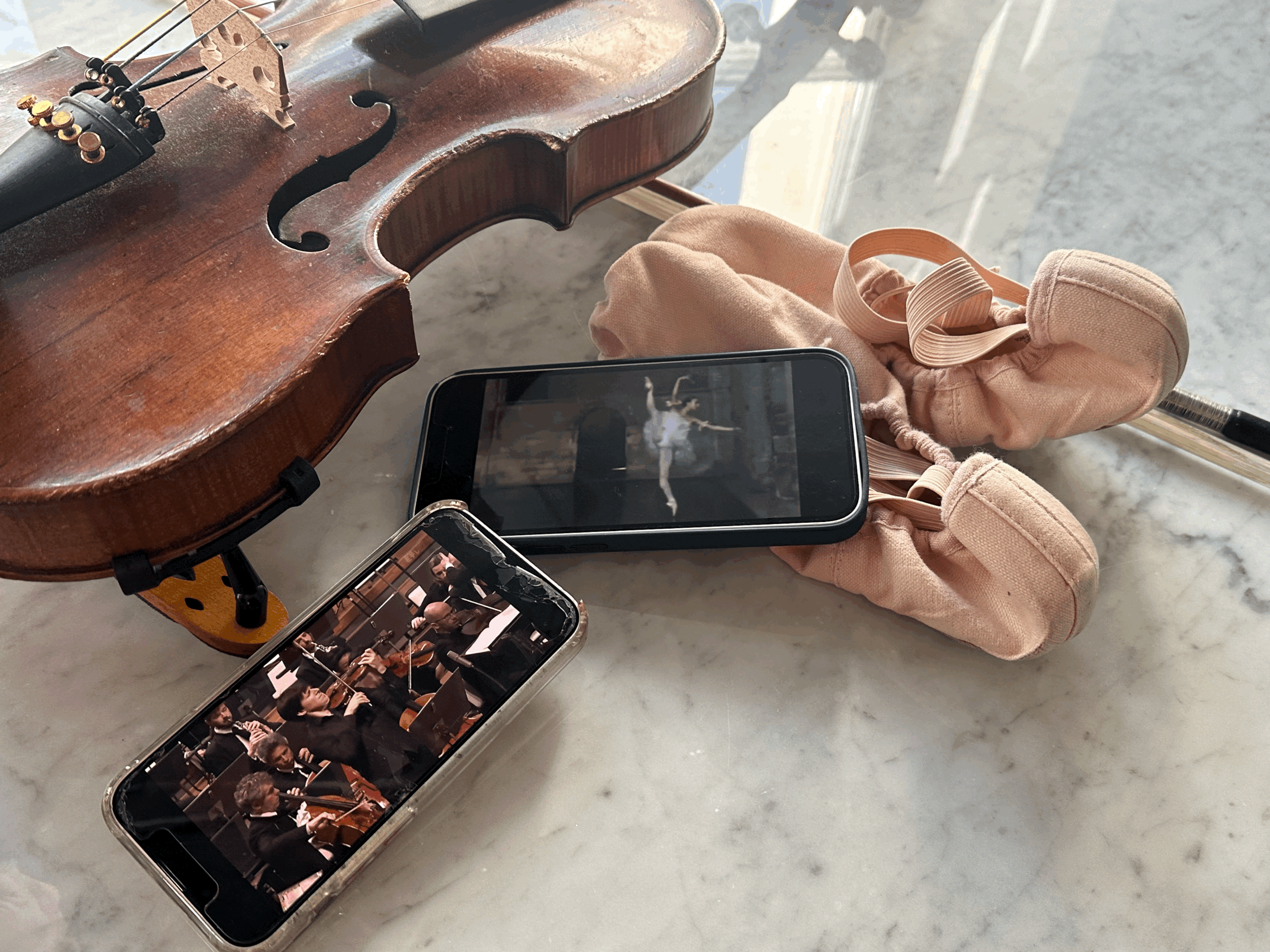
Arguing for Instagram: How Algorithmic Addiction Can Advance the Dancer
What if procrastination isn’t the enemy of progress? From late-night scrolling to slow-motion rewatches, this article argues that Instagram’s algorithm — when used actively — can become an unexpected tool for technical growth, artistic confidence, and deeper engagement with dance.

Let’s Get Corny: Grant Wood’s Portrait of Rural America
Few American paintings have been interpreted — or misinterpreted — as often as Grant Wood’s American Gothic. Long reduced to parody or polemic, the work resists easy meaning. This essay revisits Wood’s intentions, his Midwestern roots, and how a single image came to reflect America’s shifting ideas about home, dignity, and belonging.

Sumina Studer, Violinist and Music Entrepreneur: London’s Hidden Music and Art Spots
For award-winning violinist and music entrepreneur Sumina Studer, London is less a backdrop than a network of encounters — museums revisited, concert halls scaled to intimacy, and informal spaces where music feels newly alive. In this conversation, the violinist reflects on the city’s creative ecology, the value of risk-taking in classical music, and how art spaces shape the way we listen, live, and connect.

Inspiring Words at the 2024 Prix de Lausanne
Amid the intensity of competition at the Prix de Lausanne, the most enduring moments came not from medals, but from memory and meaning. In speeches that resonated far beyond the stage, Alessandra Ferri and Darcey Bussell reflected on fear, freedom, and the responsibility of art — offering young dancers a vision of ballet rooted not in perfection, but in purpose.

Introducing Choreographer Merce Cunningham: Embracing Chance in Modern Dance
For Merce Cunningham, uncertainty was not a flaw in performance but its driving force. Rejecting narrative, emotional prescription, and fixed structure, he invited chance into every layer of choreography — from sequencing to sound. This introduction revisits how Cunningham’s radical trust in unpredictability reshaped modern dance and continues to challenge how artists think about control, collaboration, and risk.

A Kiss for Valentine’s Day
Few images of love are as instantly recognisable as Gustav Klimt’s The Kiss. Often reduced to a decorative symbol of romance, the painting rewards closer attention. This essay revisits Klimt’s gilded masterpiece, exploring how ornament, symbolism, and subtle gesture turn a fleeting embrace into something enduring — intimate, enigmatic, and profoundly human.