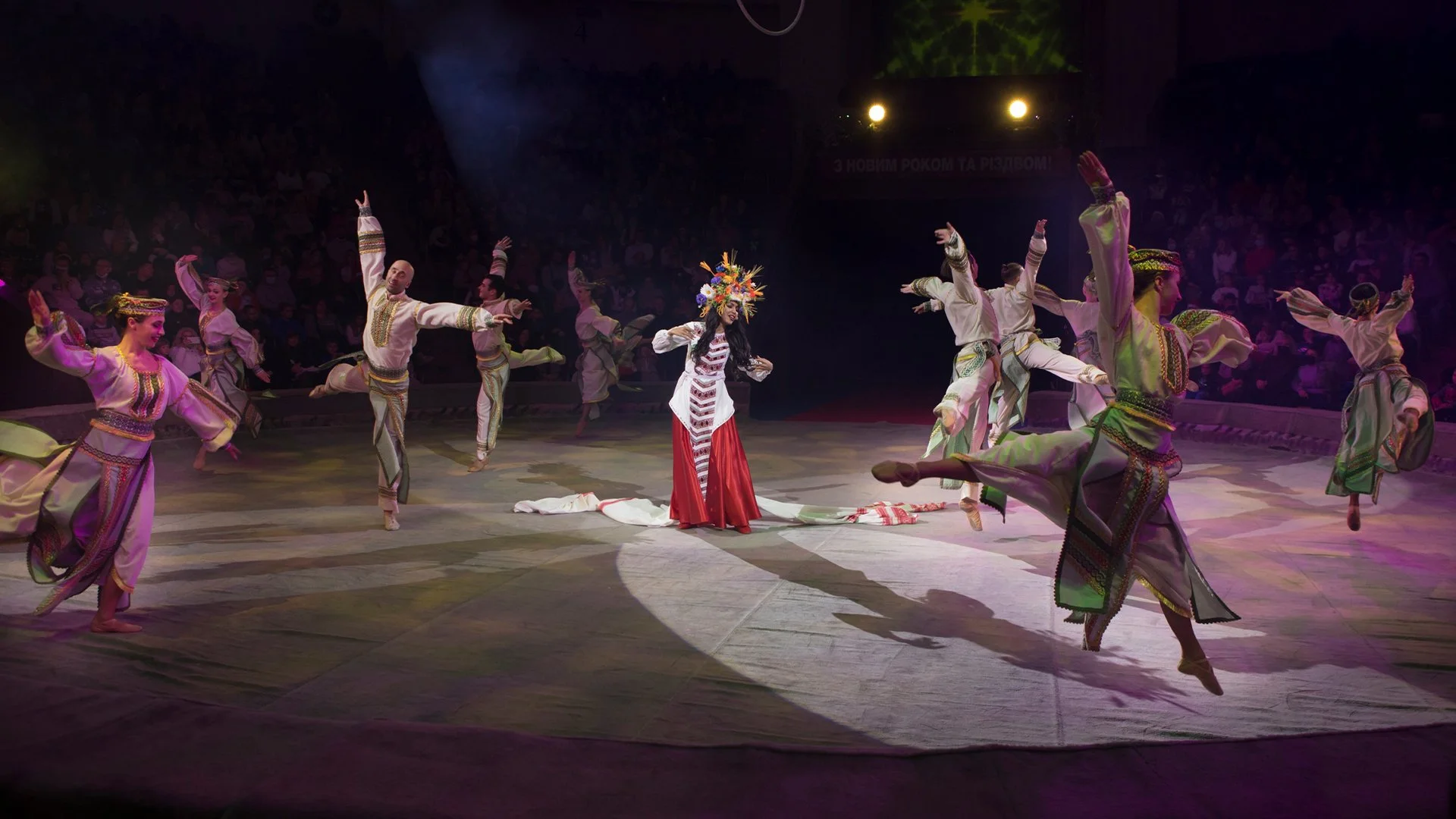
A performance by the National Circus of Ukraine's ballet company. Photo: National Circus of Ukraine archive
6 November 2026
On 15 October 2026, the National Academy of Arts of Ukraine in Kyiv opened “Performative Art: Circus,” an exhibition initiated by the National Circus of Ukraine to celebrate the Academy’s 30th anniversary. The exhibition brings together artworks, historical photographs, performers’ costumes, props and live circus presentations to investigate the artistic conversation between circus art and painting, theatre and ballet in Ukraine. It also touches on the question of how cultural institutions preserve that knowledge while Ukraine is at war. TWoA talked to Olena Kyrychenko-Povolotska, Head of the Museum Department of the National Circus of Ukraine, about the Ukrainian circus as both an old cultural tradition and a living art that continues to evolve despite the war through the work of young performers, directors, dancers and artists.
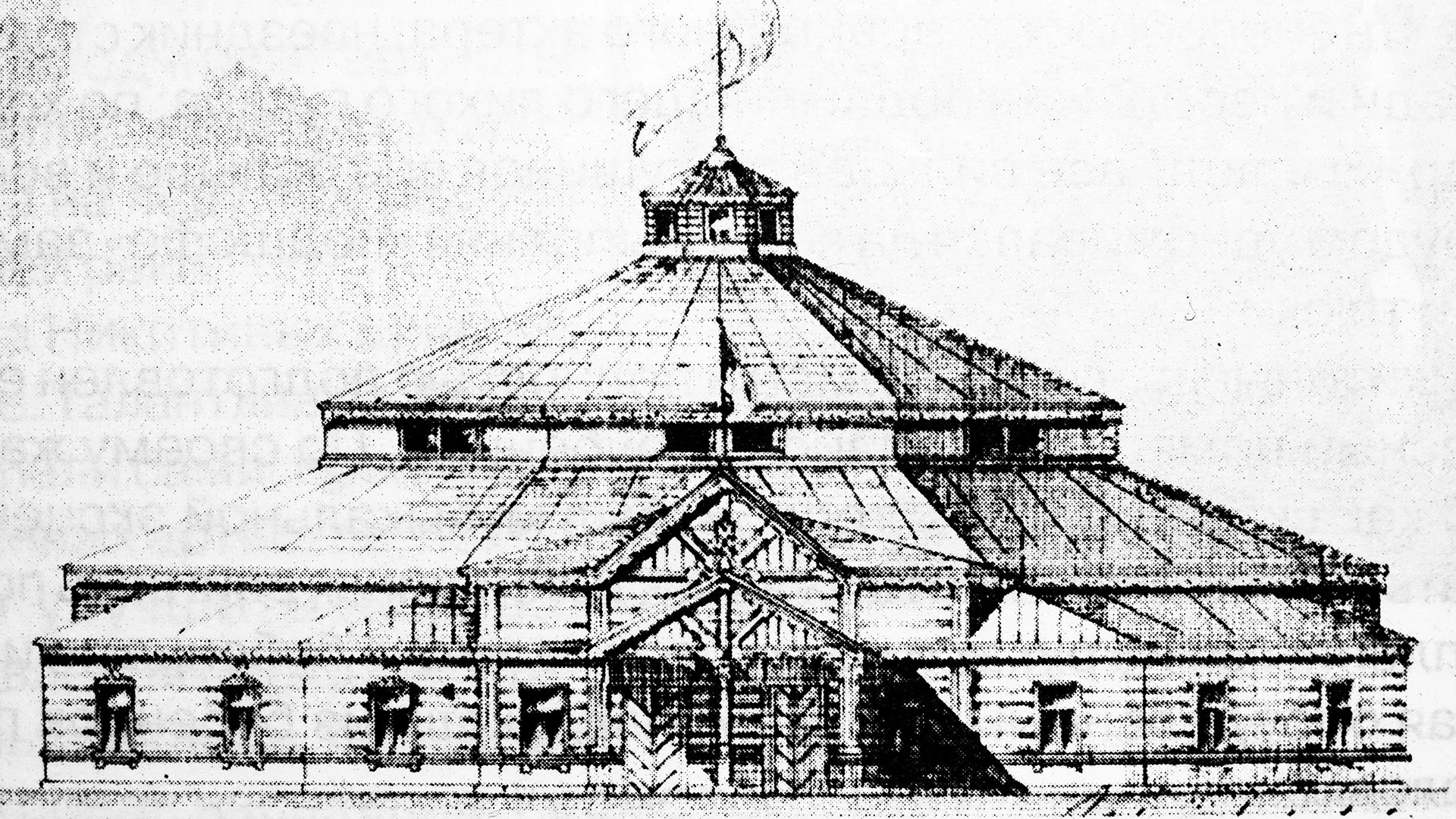
The Nikitin brothers' circus on Khreshchatyk Square. Photo: National Circus of Ukraine archive
Ukraine has an ancient tradition of travelling entertainers. Who were the skomorokhy, and how did they influence the evolution of circus art in Ukraine?
The skomorokhy were travelling entertainers in medieval Kyivan Rus. Their performances could combine music, comedy, mime, dance, acrobatics and other forms of popular spectacle. They are mentioned in written sources as early as 1068. This tradition helps us understand that physical performance and popular entertainment have a much longer history on Ukrainian territory than the modern circus building.
A remarkable visual example survives in the medieval frescoes of Saint Sophia Cathedral in Kyiv. In the composition traditionally known as “The Skomorokhy,” two acrobats perform with a pole alongside an ensemble of musicians. Scholars debate whether all the figures should be identified as skomorokhy or some as court performers, but the acrobatic scene itself is an especially vivid early depiction of the art. This is not an unbroken institutional lineage, but an important part of the cultural history from which later circus traditions developed.
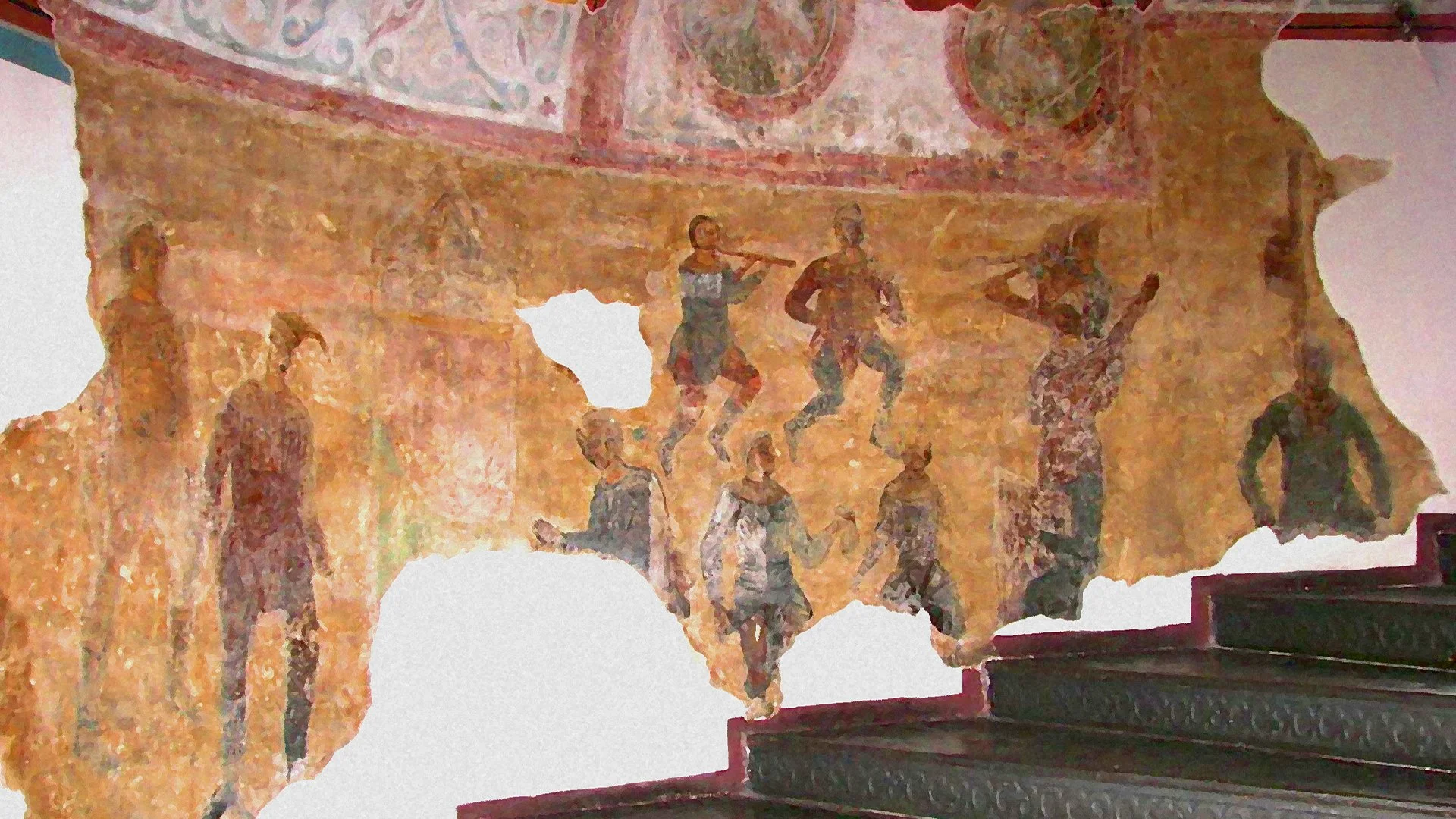
Saint Sophia of Kyiv, illustration from the accompanying collection. Photo: National Circus of Ukraine archive
Ukrainian artists such as Kazimir Malevich were instrumental in shaping different avant-garde movements in the early twentieth century. Why were Ukrainian avant-garde artists interested in the circus?
For many avant-garde artists in the 1910s and 1920s, the appeal of circus-like performance was its movement, daring, unusual perspectives, colour and freedom from conventional artistic boundaries. An acrobat’s moving body could be as exciting a subject as a modern machine or an abstract geometric painting. This was also an era when painters and designers were rethinking the stage as a space where visual art, costume, music and physical movement interacted.
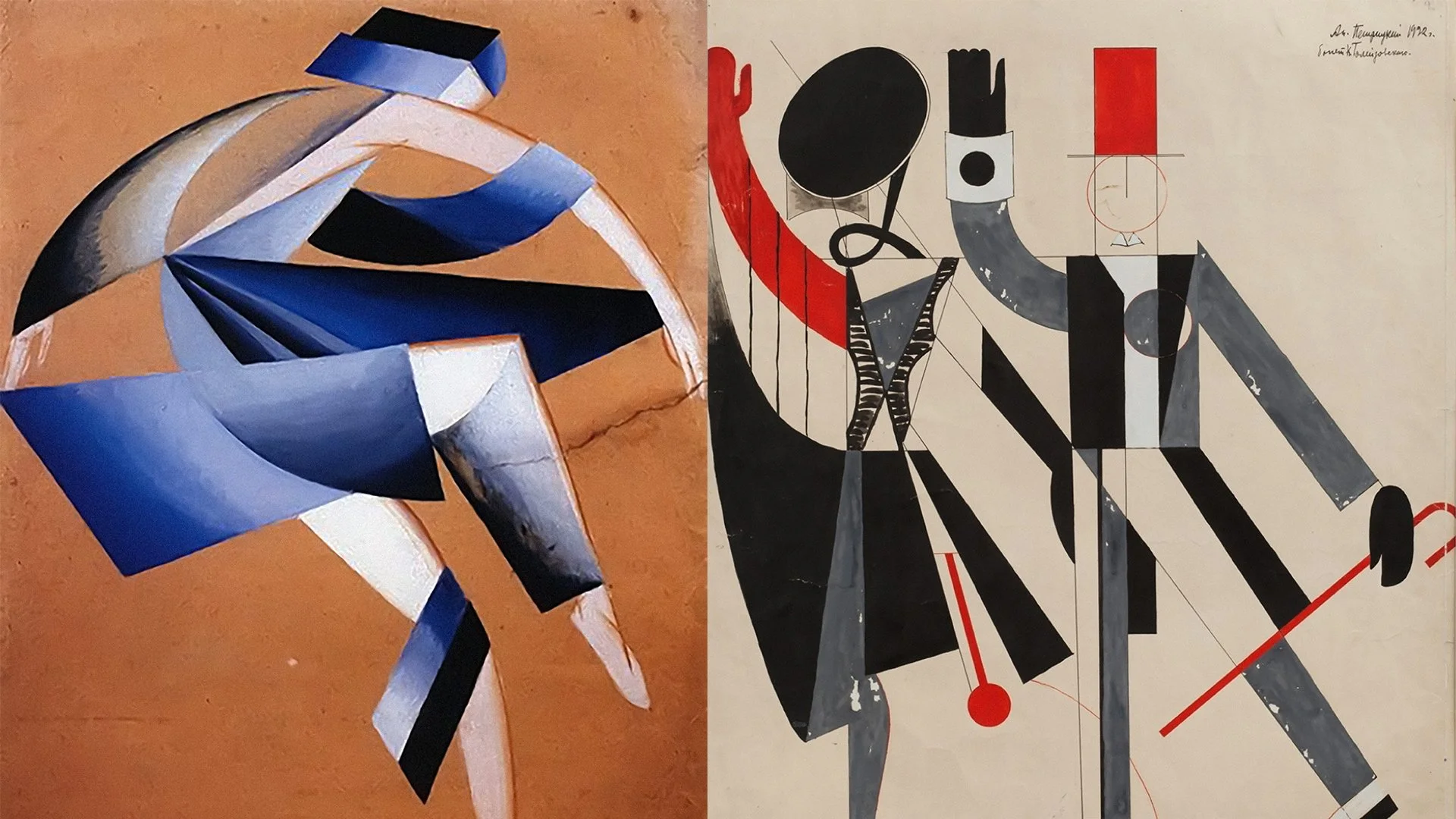
Avant-garde art: illustration from the collection. Vadim Meller and Anatol Petrytskyi. Photo: National Circus of Ukraine archive
Ukrainian-linked artists such as Alexandra Exter, Anatol Petrytskyi and Vadym Meller made pioneering contributions to experimental theatre and stage design. Their work helps explain why circus and other performance forms were so appealing to modernist artists: they brought artistic ideas into real space and motion. It would, however, be inaccurate to suggest that all of these artists worked primarily on circus subjects.
The National Circus of Ukraine has its own ballet ensemble. What is its role in circus performances?
The National Circus of Ukraine has its own ballet ensemble, separate from the National Ballet of Ukraine at the opera house. In a circus production, dance is not simply an interval between tricks. Choreography can connect different acts, shape the atmosphere and rhythm of the show, create ensemble scenes and help tell a story together with the orchestra, performers, costumes and stage direction.
Can the Circus still perform during the war, and how has the war affected its productions?
The National Circus of Ukraine continues to present regular programmes in Kyiv, including weekend family performances and educational activities. Working during the war requires practical changes: performances are suspended during air-raid alerts, the Circus has a shelter, and it has announced backup power arrangements during electricity cuts. These are real conditions under which artistic work continues.
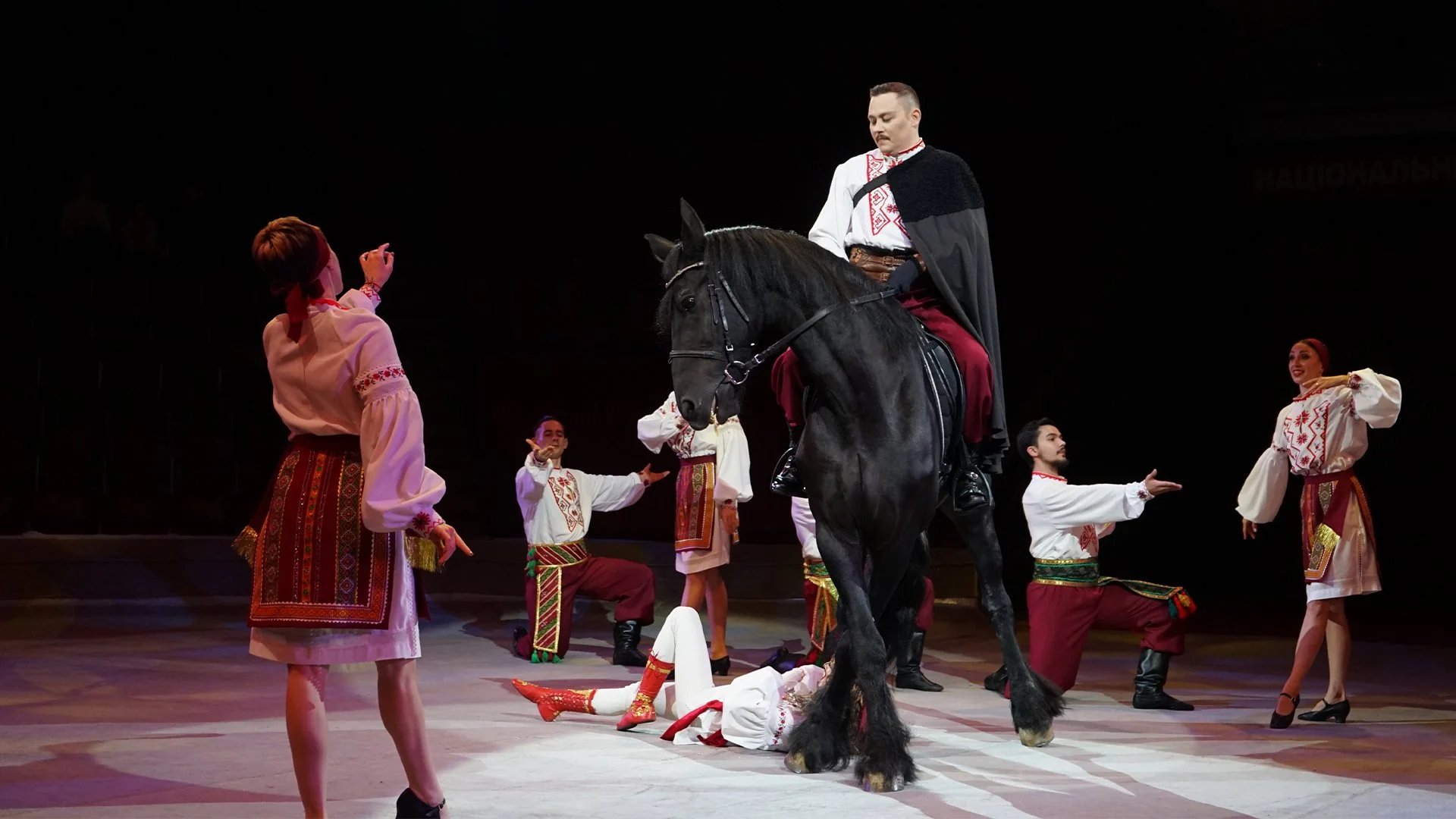
Scene from the circus production “Spirit. Strength. Will.” Photo: National Circus of Ukraine archive
The war also changes the meaning of a performance for its audience. Humour, wonder, artistic skill and moments of joy have special significance for children and families living with uncertainty. This does not mean every circus act is explicitly about war. Rather, recent projects have emphasised the continuity of culture, the development of young talent and the opportunity to experience beauty and human connection. On 8–9 October 2026, the Golden Gates Cup brought 124 competitive performances to Kyiv, and on 15 October the Circus joined the National Academy of Arts of Ukraine in opening the exhibition “Performative Art: Circus.”
How popular is the circus in Kyiv today?
Circus remains a recognisable part of Kyiv’s cultural life, especially for families and younger audiences. The National Circus continues to schedule multiple performances on weekends, offers guided visits and stages programmes for different age groups. Some performances have been announced as sold out on its official ticketing website. The Golden Gates Cup provides another sign of interest: young performers travelled from different Ukrainian communities to take part, supported by teachers and families.