An Underground Network Escape: The American Journalist Who Saved Europe’s Creatives from the Nazis
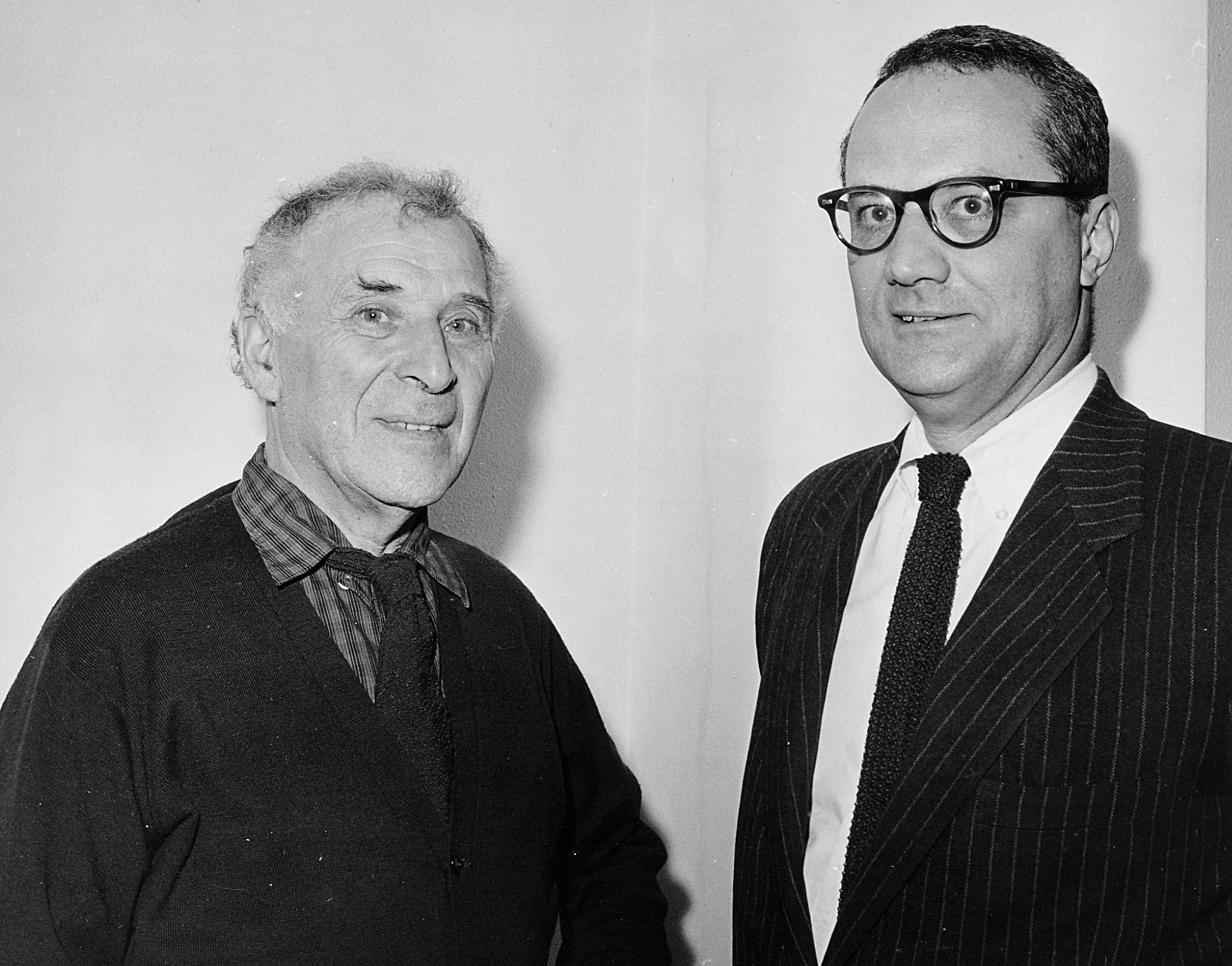
Varian Fry and Marc Chagall
6 March 2026
A New England prep school graduate with a taste for the Ancient Greeks, bird watching, and fine wines would not be your first guess as to the daredevil who saved 2,000 lives from Nazi persecution. After witnessing barbaric Nazi violence against German Jews in 1935, American Journalist Varian Fry could no longer remain uninvolved. Risking his own welfare, Fry joined the Emergency Rescue Committee, a privately funded organisation in New York committed to aiding European refugees, volunteering to protect and orchestrate the escape of Jewish and anti-Nazi refugees.
Following the German invasion of France in June 1940, thousands fled to the south of France to escape the Nazis. Far from achieving safety, on the 22nd of June, Marshal Petain’s Vichy regime agreed to hand over any refugees which the Germans were looking for. Meanwhile in Paris, an American Heiress, Mary Jayne Gold, fled her Parisian apartment to Marseille as the German army rapidly occupied territory. Arriving in Marseille, Gold met and joined forces with Varian Fry and newly acquainted American painter and sculptor, Miriam Davenport, who were already making plans for an underground network.
Upon arriving in Marseille, Fry possessed just 3,000 francs strapped to his leg and an extensive list including two-hundred artists, intellectuals, and authors, all facing the threat and imminent arrest by the Gestapo and Vichy police. One name on the list was early modernist painter Marc Chagall. Chagall’s paintings primarily explored his Hasidic Jewish heritage and folk traditions of his hometown Vitebsk, employing vibrant, warm colours and blending, swirling textures.
In desperate need of an Emergency Rescue Committee office and a temporary safe house for fleeing Europeans, Varian Fry and his team found Villa Air-Bel, a beautiful country house on the outskirts of Marseille. Whilst Varian Fry and the committee discussed escape routes, many of the artists being looked after continued to make art under the same roof. These creators included Marc Chagall, Consuelo de Saint-Exupéry, Marcel Duchamp, and Wilfredo Lam. Andre Breton and his wife also hosted gatherings in the villa on Sundays, uniting artists and Emergency Rescue Committee workers. Marc Chagall and his wife Bella were reluctant to leave France and so their final European home, Villa Air-Bel, was an environment which they treasured, surrounded by the warmth of creation and friendship.
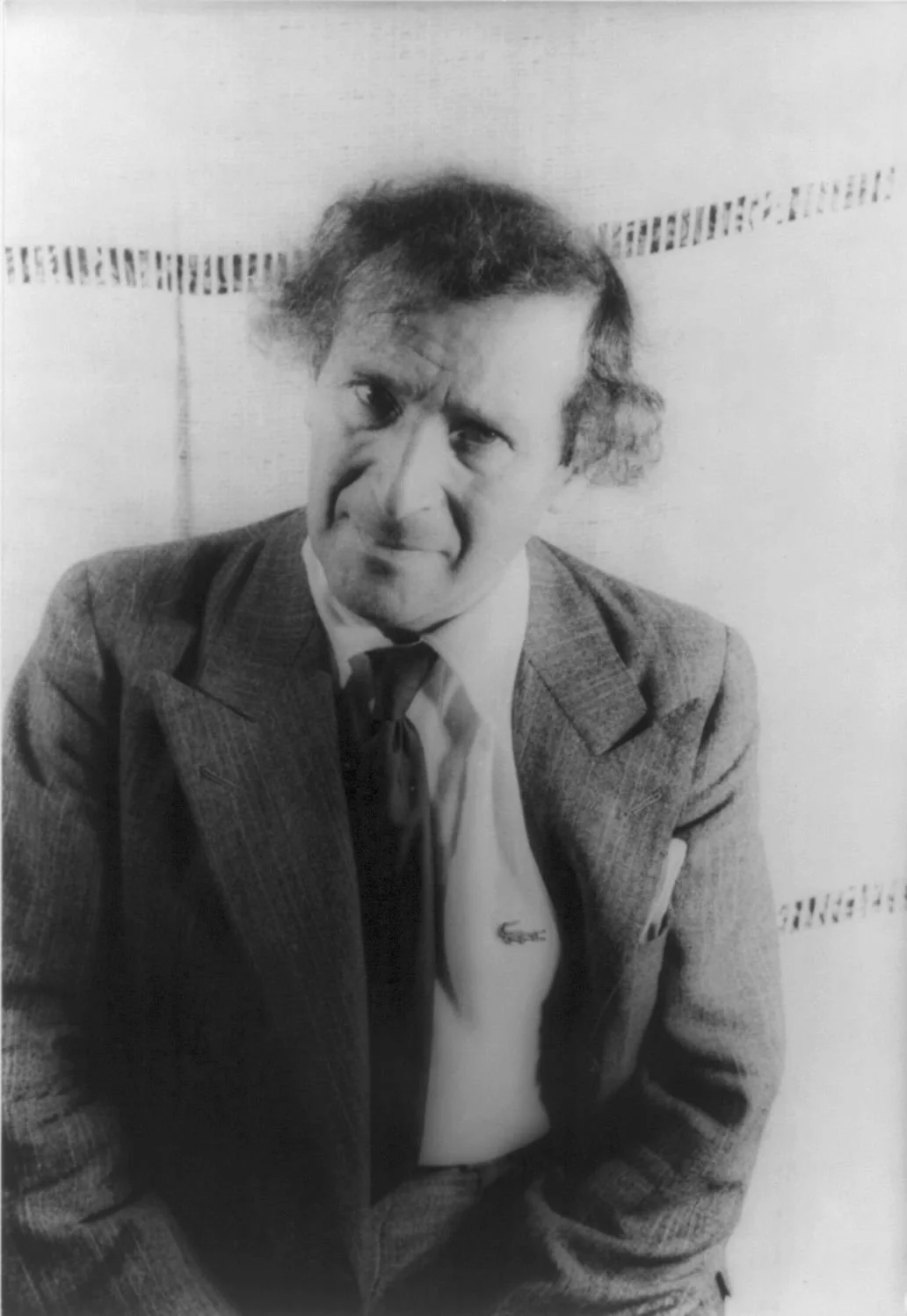
Portrait by Carl Van Vechten of Marc Chagall, 1941.
Managing a network of allies who saw through the forging of documents, illegal visas, money transfers and exchanges, the escape plan of each individual was unique, in the hope of refugees re-entering pockets of unoccupied Europe safely. Most went West into neutral Spain and Portugal, where most of them boarded ships to the US. As a parting thank you gift, Marc Chagall painted Varian Fry a goat in a fur coat holding a violin. By June 1941, Chagall and his family had arrived in New York by boat. It was funds provided by Mary Jayne Gold and Peggy Guggenheim which made Chagall’s escape to New York possible.
After rescue stories, which revealed Fry’s illegal methods, reached American newspapers, French authorities arrested Varian on 29th August 1941 and forced him to leave the country. Other refugee aid organisations and US officials were wary of Fry, considering his methods a threat to their more law-abiding, measured approach that took into account the US State Department’s neutrality policies.The Emergency Rescue Committee severed ties with him, and the FBI monitored him for the rest of his life. Fry's work after the war revolved around the recording of his experiences, reflecting on the massacre of the Jews as “the most appalling picture of mass murder in all human history.”
“I saw one [Jewish] man brutally kicked and spat upon as he lay on the sidewalk, a woman bleeding, a man whose head was covered with blood, hysterical women crying…Nowhere did the police seem to make any effort whatever to save the victims from this brutality.” – Varian Fry, quoted in The New York Times