THE MAGAZINE
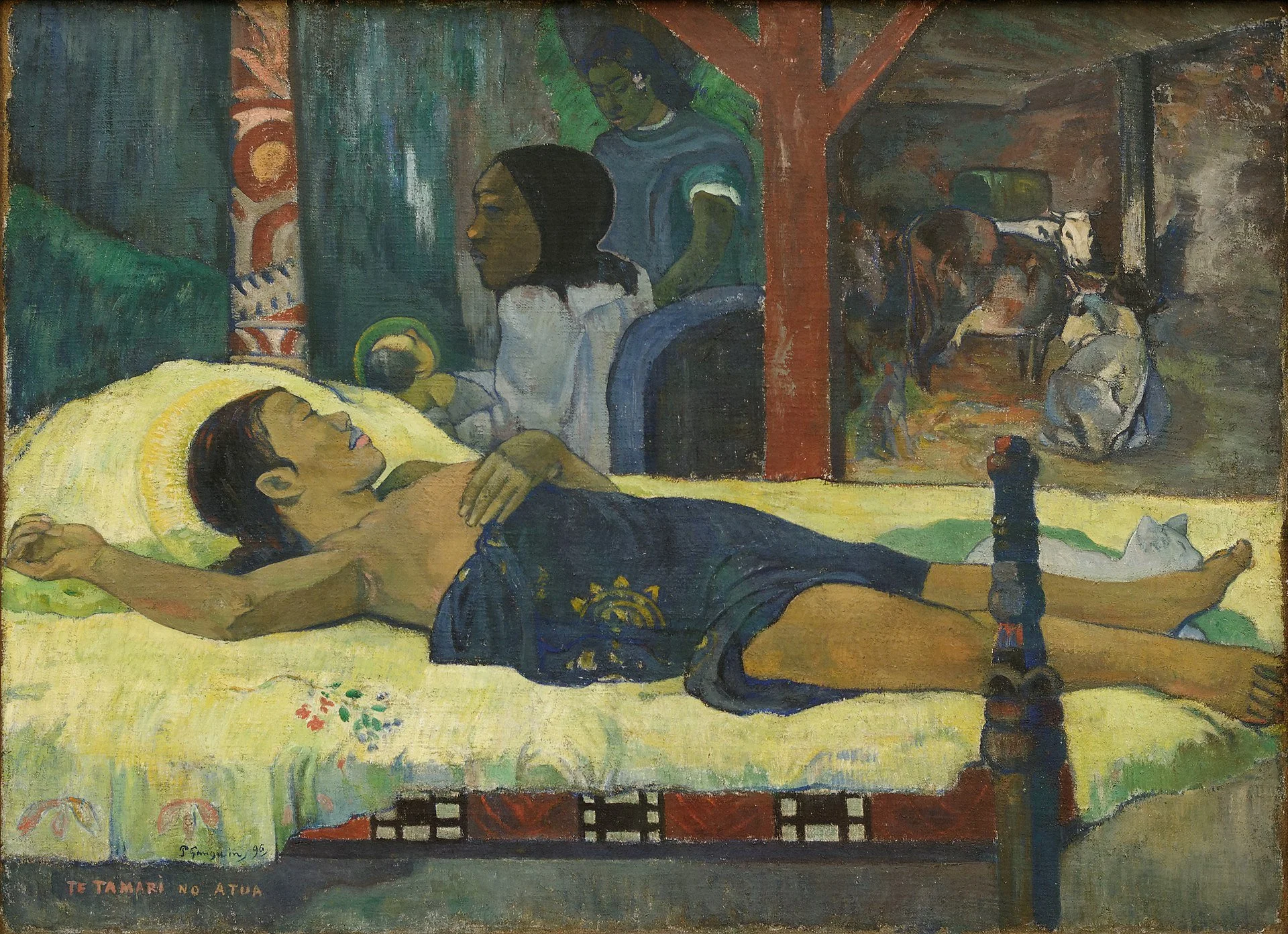
The Trouble With Looking Back: Does Cancel Culture Extend to Artists of the Past?
At a time when anything can get you cancelled, the past, too, feels uncomfortable. Artists like Paul Gauguin sit at the centre of a growing debate: how do we confront troubling biographies without reducing their life’s work to a moral verdict? As contemporary values collide with historical realities, the question then becomes not whether we judge the past—but how. Read on for more.
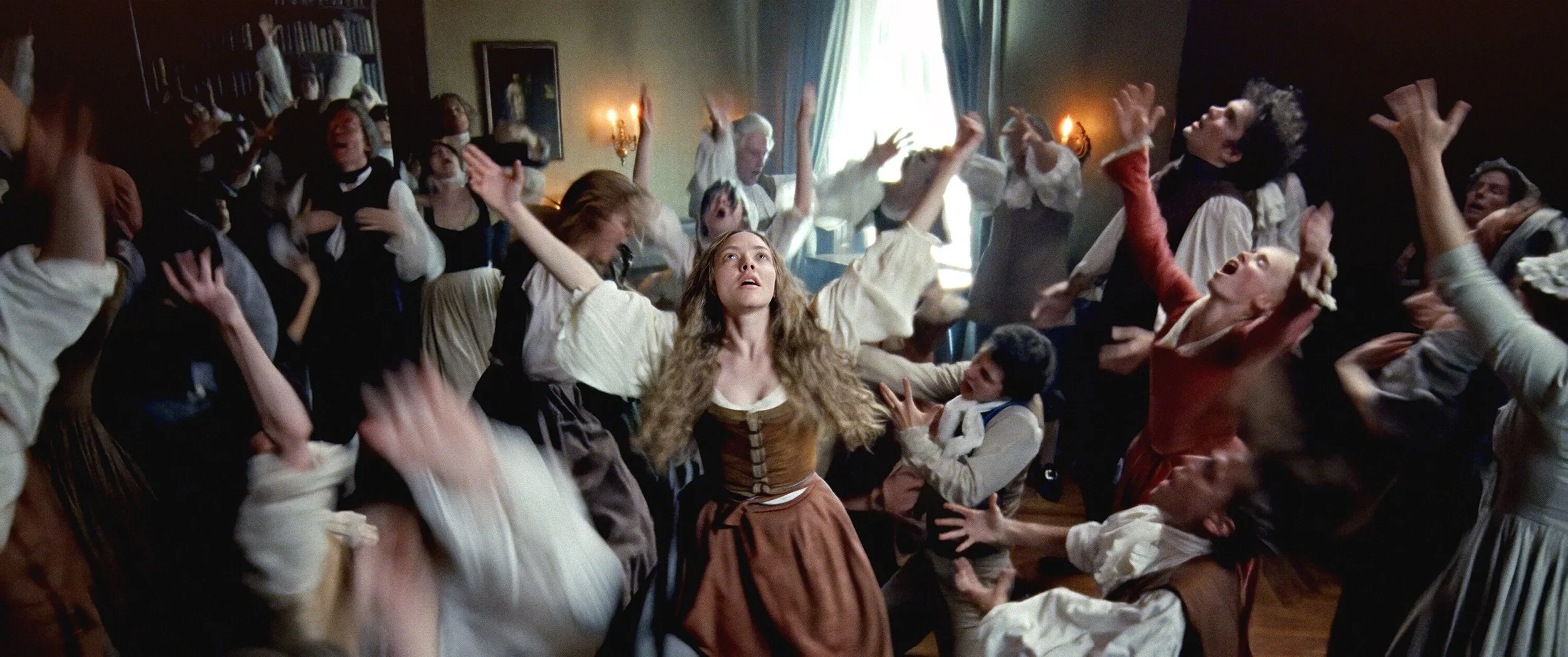
"Every Faculty Used in the Worship of God": Ann Lee's Triumphant Choreography
In The Testament of Ann Lee, director Mona Fastvold tells the story of the Shaker founder through movement and music. Blending biography with experimental dance film, her work explores how Shaker worship transformed choreography into a form of spiritual devotion. Read on to learn the full story.
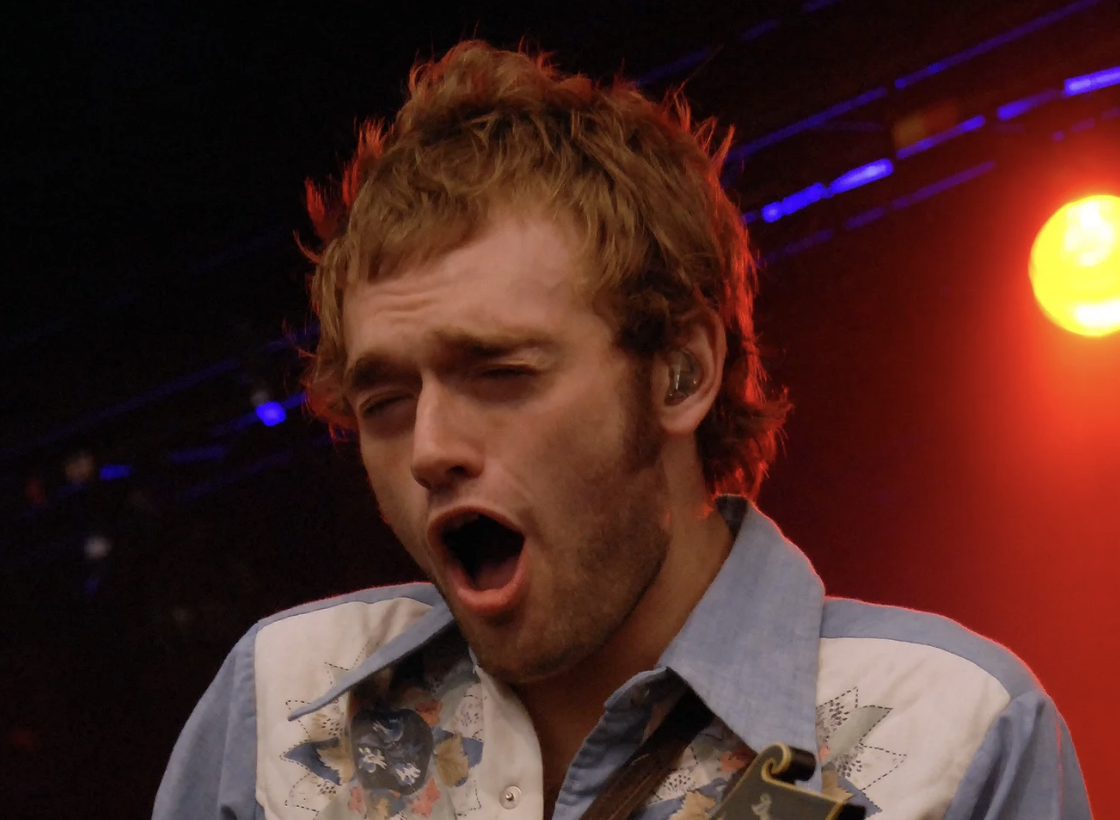
Bluegrass-Folk and Bach?
What happens when bluegrass meets Johann Sebastian Bach? In Bach: Sonatas and Partitas Vol. 2, mandolin virtuoso Chris Thile reimagines Bach’s iconic solo violin works through the lens of folk tradition. Far from a simple crossover, his interpretations reveal the depth, polyphonic richness, and rhythmic vitality of Bach’s music on a new instrument. Read on for more.
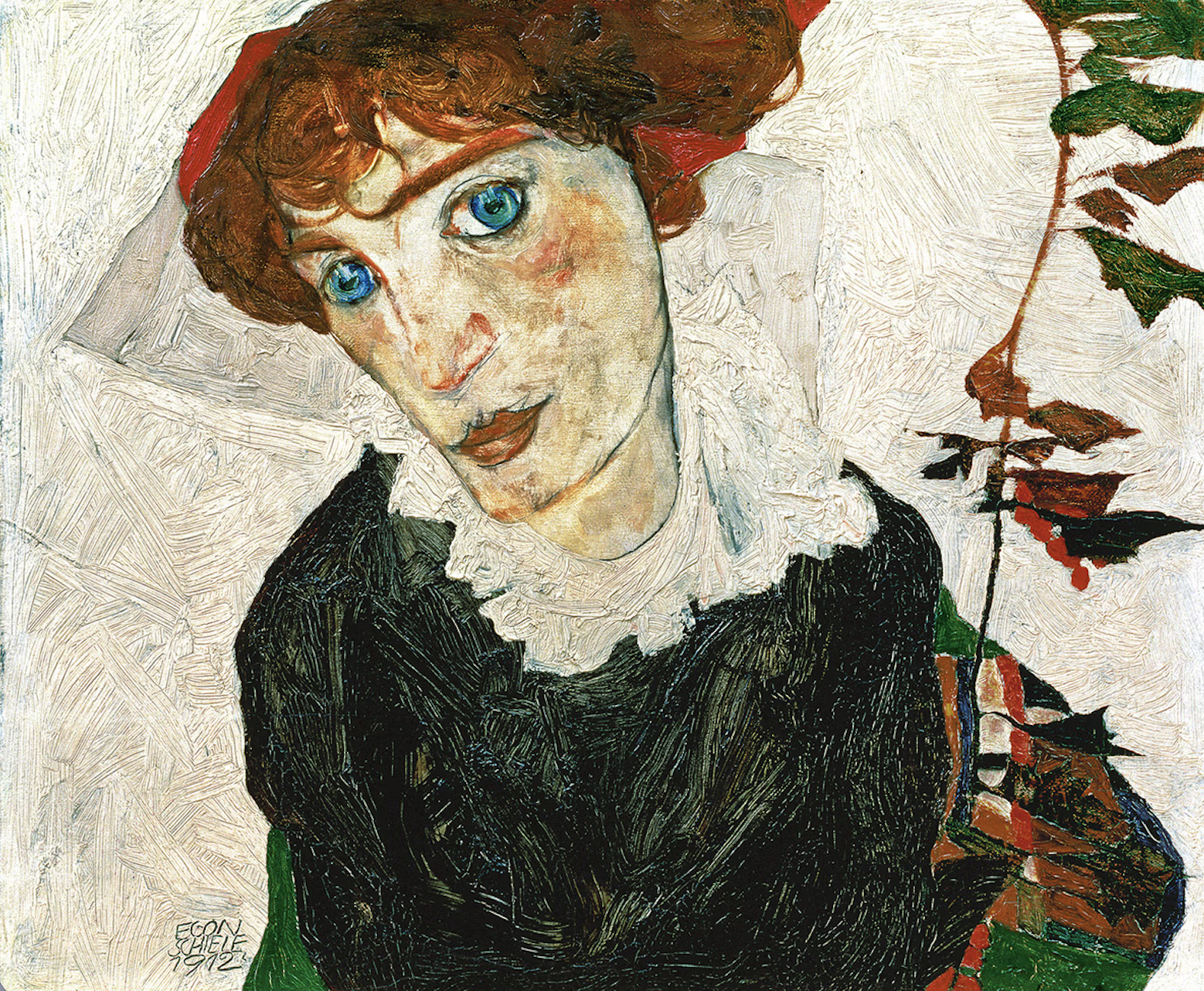
Why Are Egon Schiele’s Women So Uncomfortable to Look At?
For centuries, women in art were idealised, romanticised, and misseen. But Egon Schiele did something far more unsettling. He painted women not as muses or fantasies, but as psychologically present beings, fractured, guarded, and more existential than erotic. Read on for more.
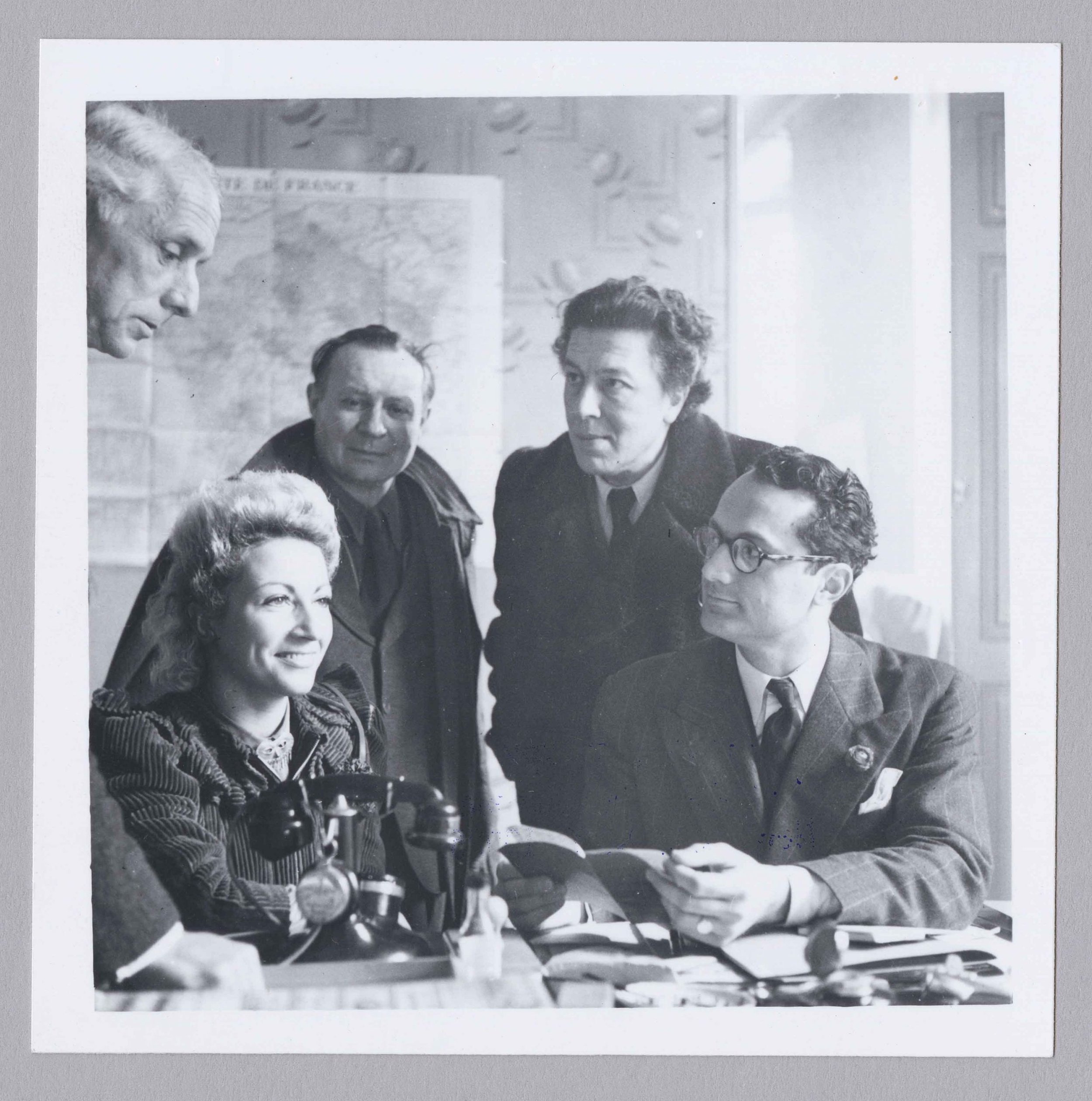
An Underground Network Escape: The American Journalist Who Saved Europe’s Creatives from the Nazis
In 1940, American journalist Varian Fry arrived in Marseille with little more than a list of endangered writers, artists, and intellectuals. Over the following year, he organised an underground escape network that helped more than 2,000 refugees—including Marc Chagall, André Breton, and Marcel Duchamp—flee Nazi persecution. Operating from the Villa Air-Bel safe house, Fry and his collaborators forged documents, arranged visas, and navigated the fragile geography of occupied Europe to save some of the twentieth century’s most influential creative minds. Read on for more.
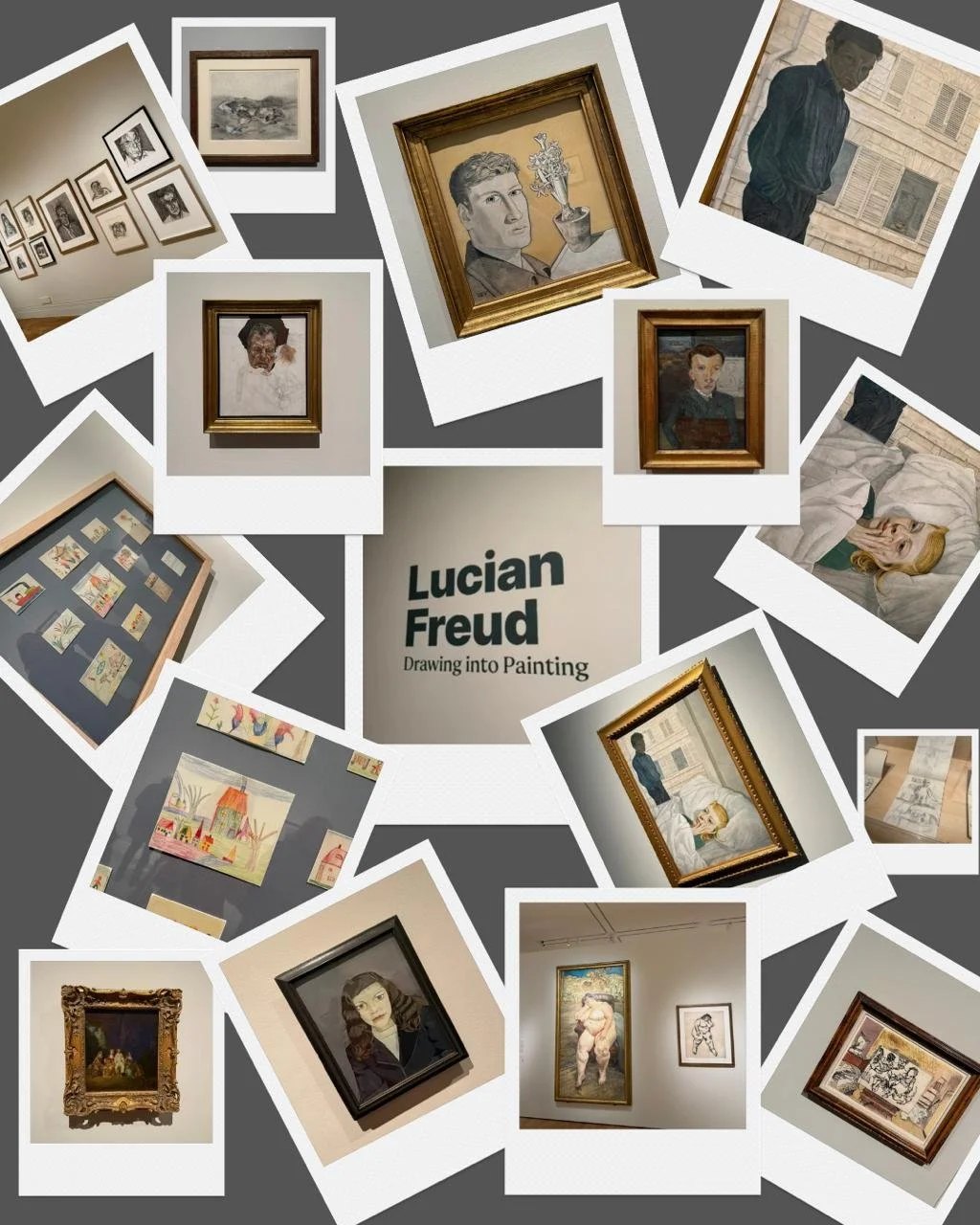
From London with Love: Is Lucian Freud Overrated?
What happens when Peggy Guggenheim sells your first paintings–and Sigmund Freud is your grandfather? Visiting Lucian Freud’s latest show at London’s National Portrait Gallery, “Drawing into Painting,” I went in curious and left underwhelmed. Read on to find out why.

Interview: Chloe Helimets, 16, Student at the Paris Opera Ballet School and Prix de Lausanne 2025 Finalist
From Prix de Lausanne finalist to student at the Paris Opera Ballet School, Chloe Helimets reflects on French technique, the legendary défilé at the Palais Garnier, and what it takes to refine speed, precision, and elegance at sixteen. Check out her exclusive interview with TWoA now.
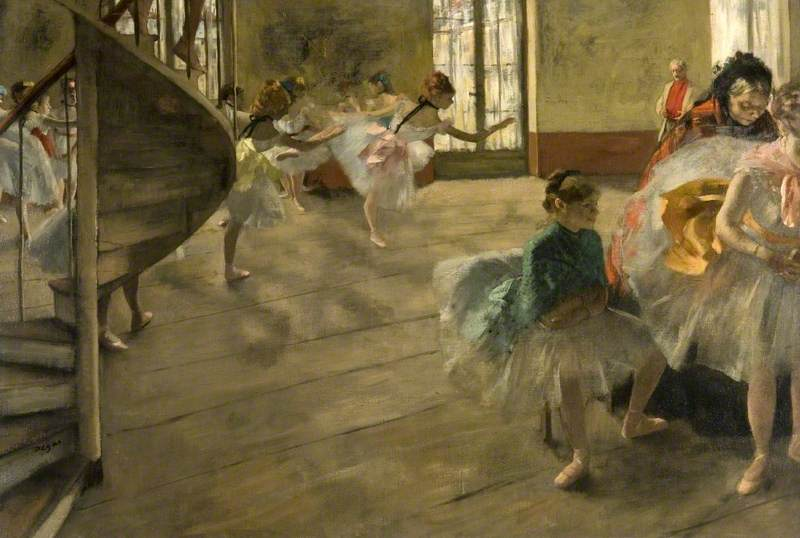
Who Do You Dance For? Looking Into Degas’s Dancers and Ballet Itself
Were Degas’ dancers monstrous, animalistic social climbers–or misunderstood performers? TWoA reframes ballet in Degas’ oeuvre as a demanding art of movement, labour, and correction. It gives both him and his dancers the credit they are due. Read on for more.
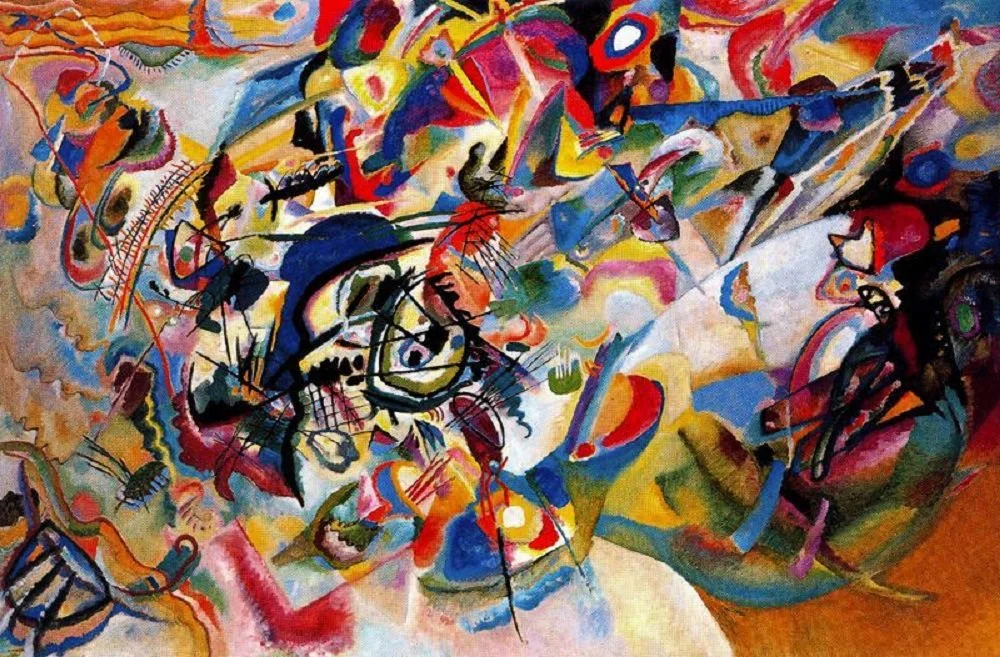
What is Music?
Is music simply organised sound—or something more elusive? From John Cage to Christopher Small’s idea of “musicking,” we explore why the boundary between music and noise is less objective than we might hope. Read on for more.
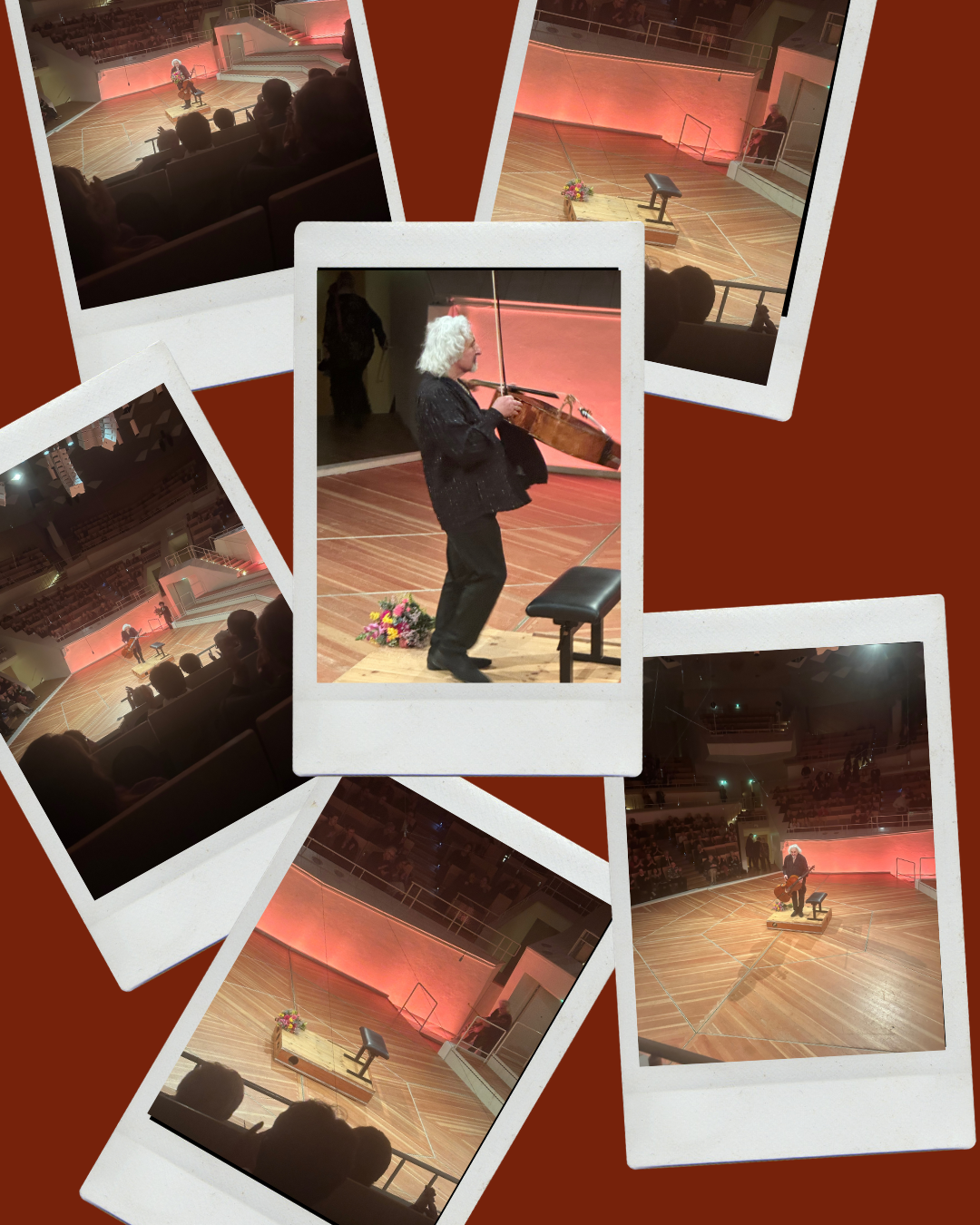
From Berlin with Love: The Miraculous Return of a Cello Legend
Rain, empty seats, and a changed programme set the scene. What followed was a fragile, powerful encounter with Mischa Maisky—part concert, part reckoning with resilience, ageing, and what it means to return to music after the body almost gives in. Read on for more.

Singing for Peace in Jerusalem?
What happens when singing meets dialogue? Inside a Jerusalem youth choir where Israeli and Palestinian teens rehearse together, share their stories, and learn to stay in the room—especially when it’s hardest. Read on for more.
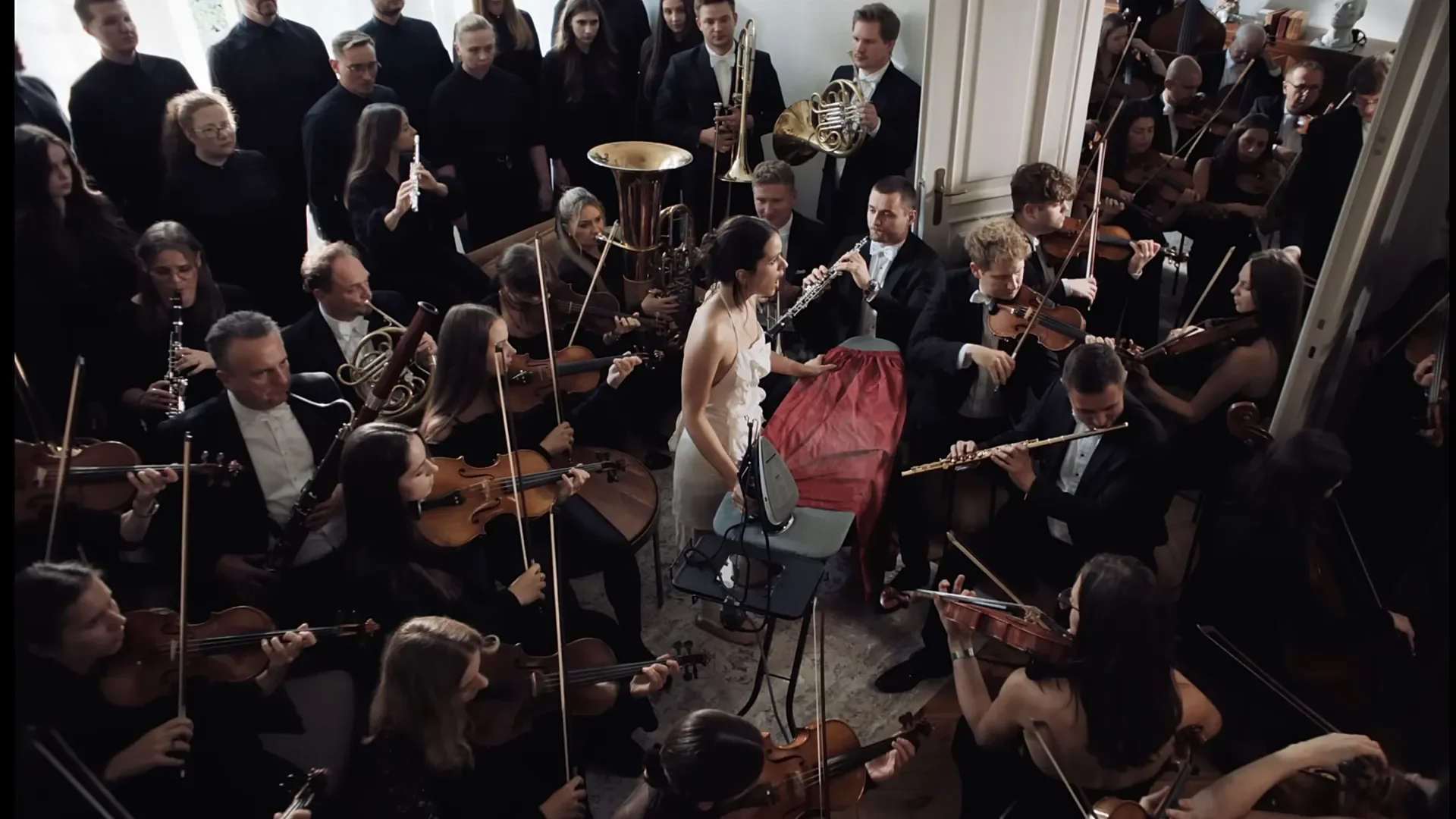
The Orchestra Does A Mic Drop: Examining Classical Pop
What happens when pop opens its doors to the orchestra? From ROSALÍA’s baroque-inflected “Berghain” to the symphonic experiments of Laufey and Cody Fry, classical pop is dissolving genre boundaries—and inviting new listeners in.
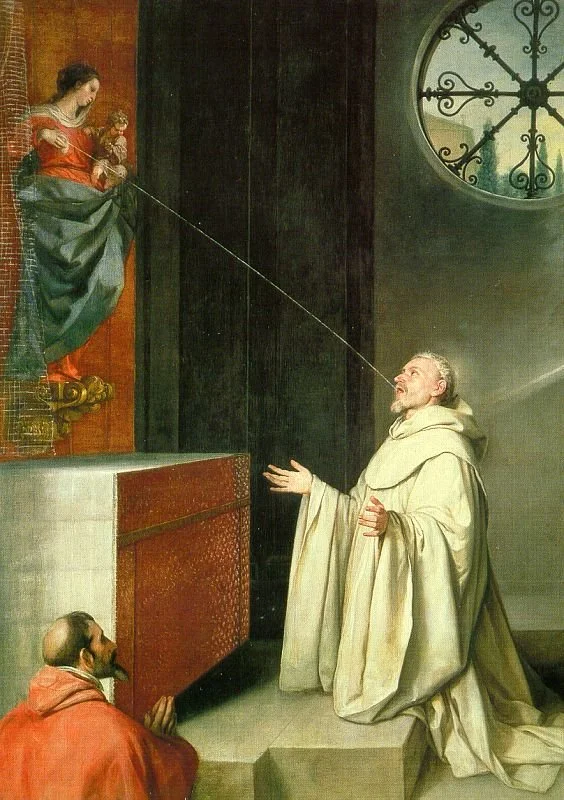
Holy Cow! A Semi-Skimmed History of Milk in Visual Culture
Milk may seem ordinary, but its visual history is anything but. From sacred nourishment and Dutch domesticity to nationalist advertising under Ronald Reagan and dystopian cinema, milk has been shaped into one of culture’s most contradictory symbols. Read on for more.
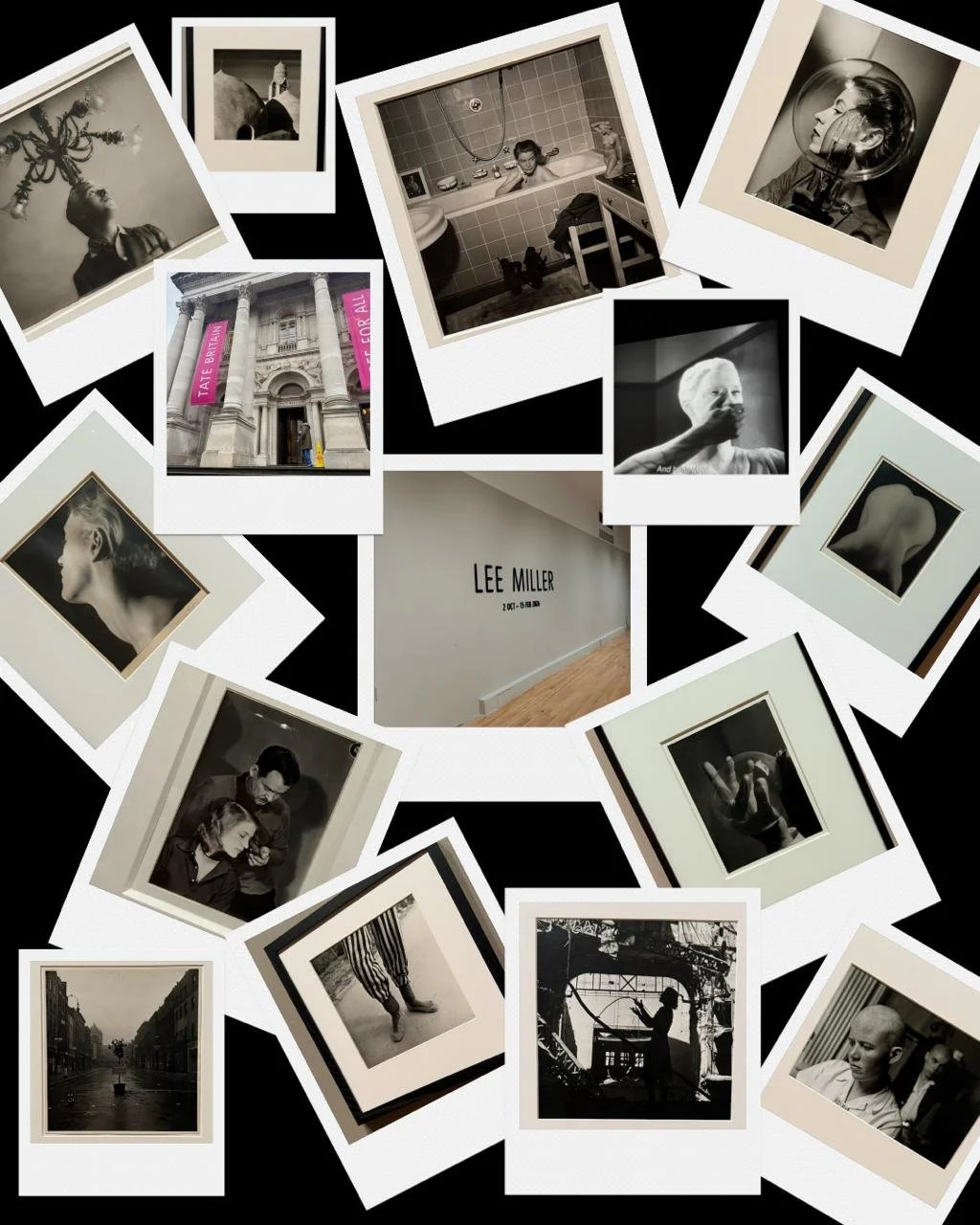
From London with Love: On Lee Miller and the End of Innocence
From Vogue photoshoots to pictures taken in Hitler’s bathtub, Lee Miller’s exhibition at Tate Britain was not what I expected. Read on to discover the erotics, travels, and violence of photography–and find out how a woman’s work defined 20th-century photography.
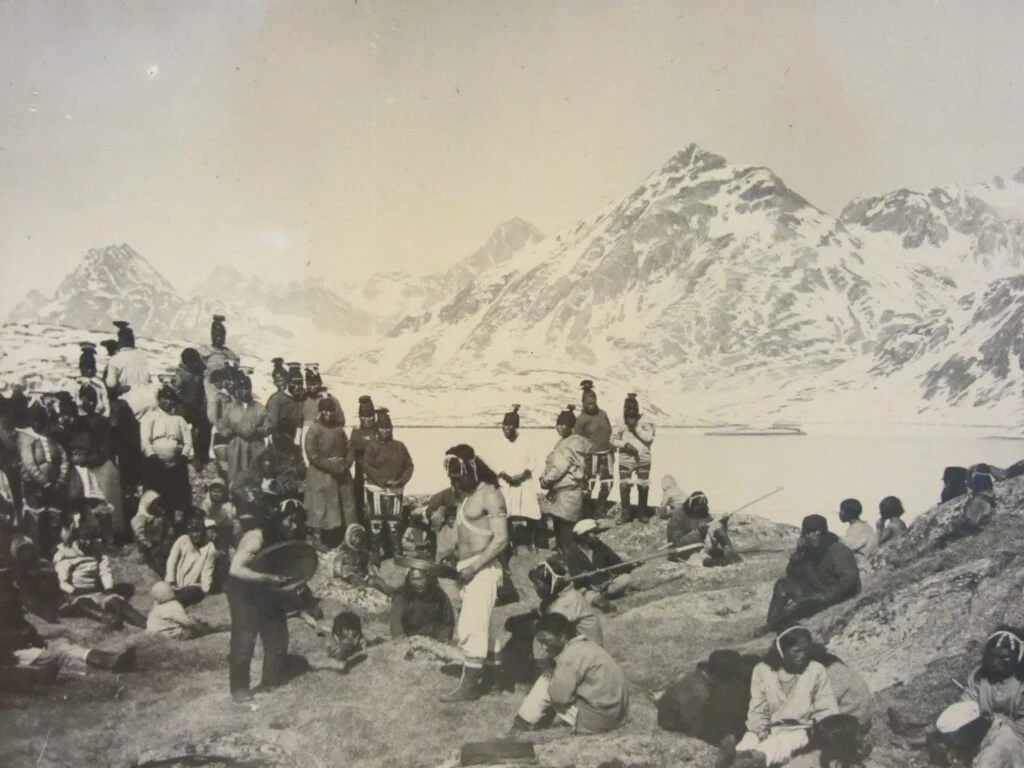
Conflict Resolution, Greenland Style
As geopolitical tensions once again draw global attention to Greenland, its cultural history offers a revealing counterpoint. For over four millennia, Greenlandic Inuit communities have used drum song and dance not only for ritual and social life, but also as a structured, non-violent way to resolve disputes. In a drum duel, restraint—not aggression—determined the outcome, leaving judgment to the community rather than to force.
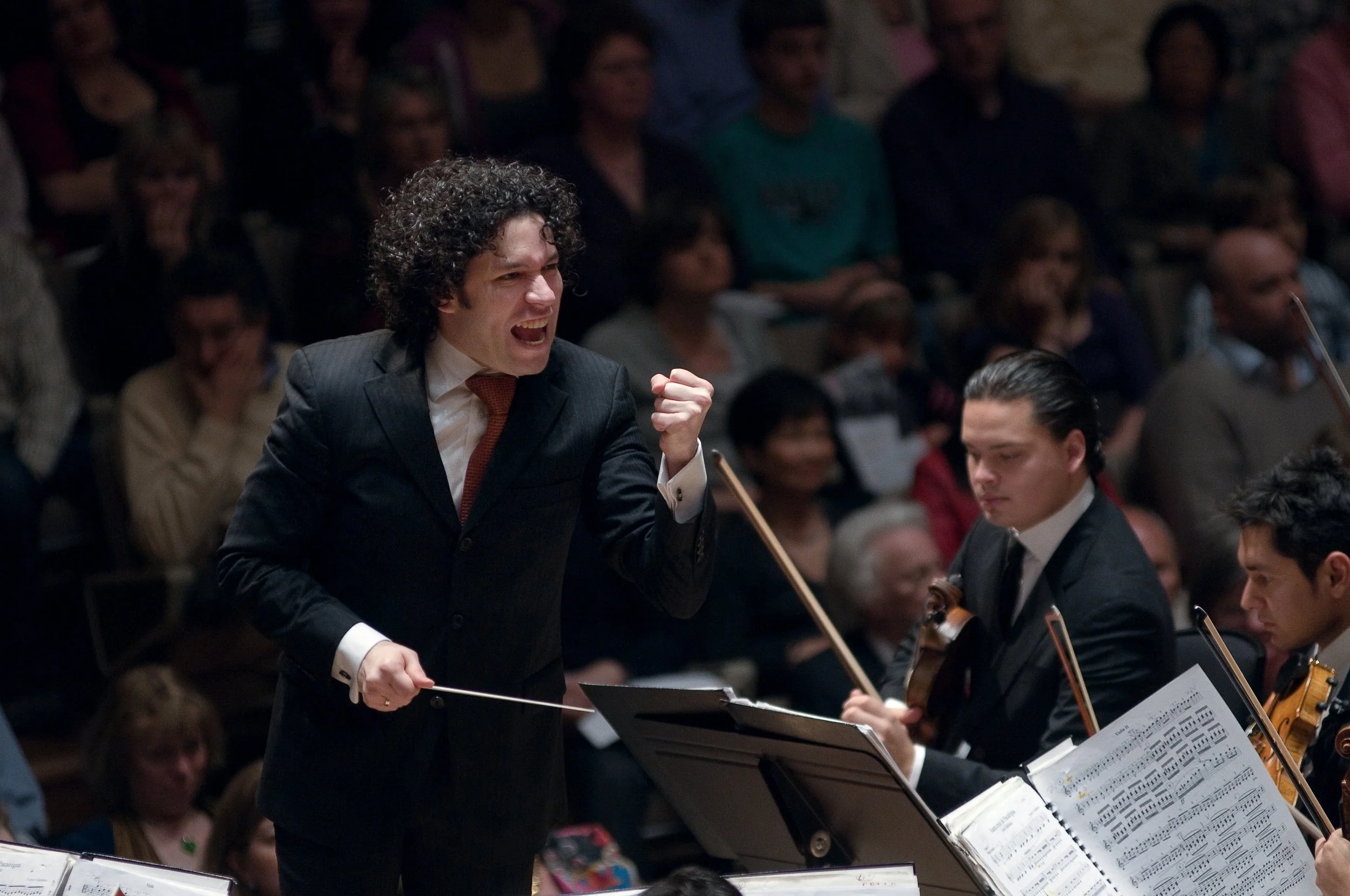
Maestro Dudamel: A Venezuelan Saga
From Venezuela’s El Sistema to the podiums of the world’s leading orchestras, Gustavo Dudamel’s career has unfolded alongside profound political change. As he prepares to take on the leadership of the New York Philharmonic, questions about art, power, and responsibility follow close behind. This article traces Dudamel’s rise while examining the uneasy space where music, state influence, and public expectation meet.
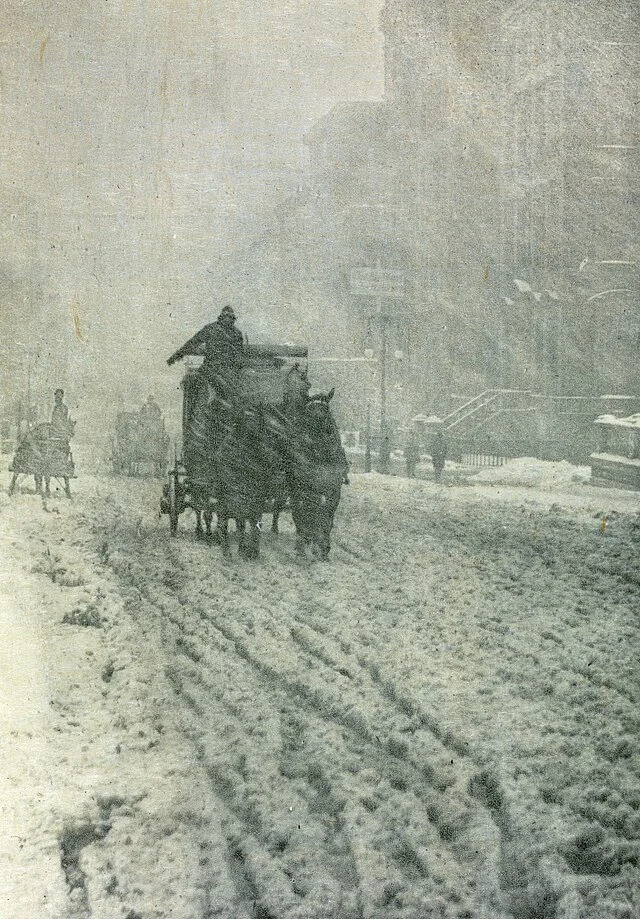
Winter with Van Gogh, Monet and Stieglitz
Snow has long fascinated artists for its ability to transform the familiar into something fleeting and uncertain. In the nineteenth century, painters and photographers turned to winter cityscapes to explore the growing tension between industrial life and the natural world. Through works by Van Gogh, Monet, and Stieglitz, this article reflects on snow as both a poetic presence and a quiet reminder of nature’s endurance.
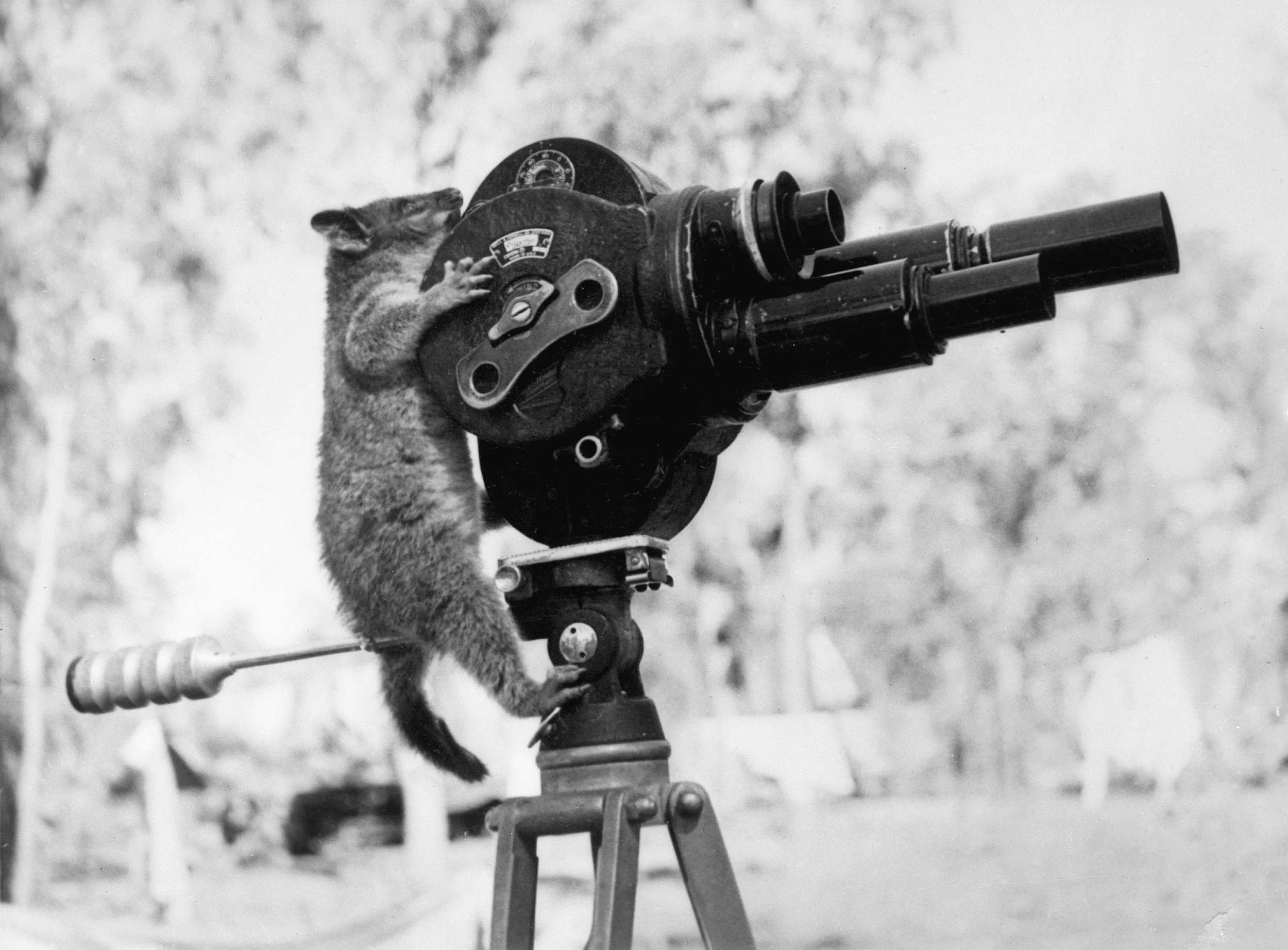
Piano Department Film Night
When orchestral projects took over music school, pianists were left with unexpected free time—and an unusual solution. Enter the Piano Department Film Night: documentaries, lectures, and YouTube deep dives watched on an ancient projector. From Cziffra to Glenn Gould to Juilliard practice rooms, this is a pianist’s guide to what’s worth watching.
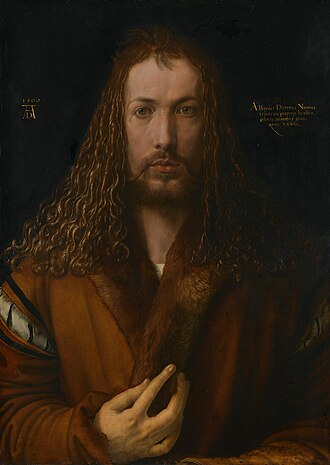
On Artists and New Year Resolutions
Across time, artists have used painting to declare identity and ambition to the public. From Dürer to Picasso to Kehinde Wiley, TWoA follows how resolution and intention—once made visible—have reshaped the art-historical canon itself.
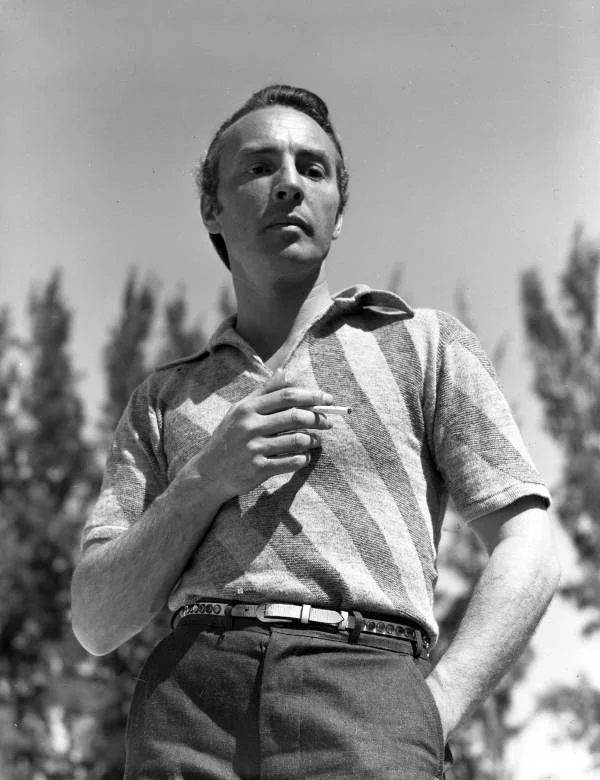
Ballet Across the Globe: George Balanchine
Often credited with shaping ballet in America, George Balanchine transformed classical tradition through musicality, abstraction, and athleticism. From his early training in Imperial Russia to his collaborations with the Ballets Russes and the founding of New York City Ballet, his career spans continents and artistic movements. This article explores how Balanchine’s neoclassical vision redefined what ballet could be.